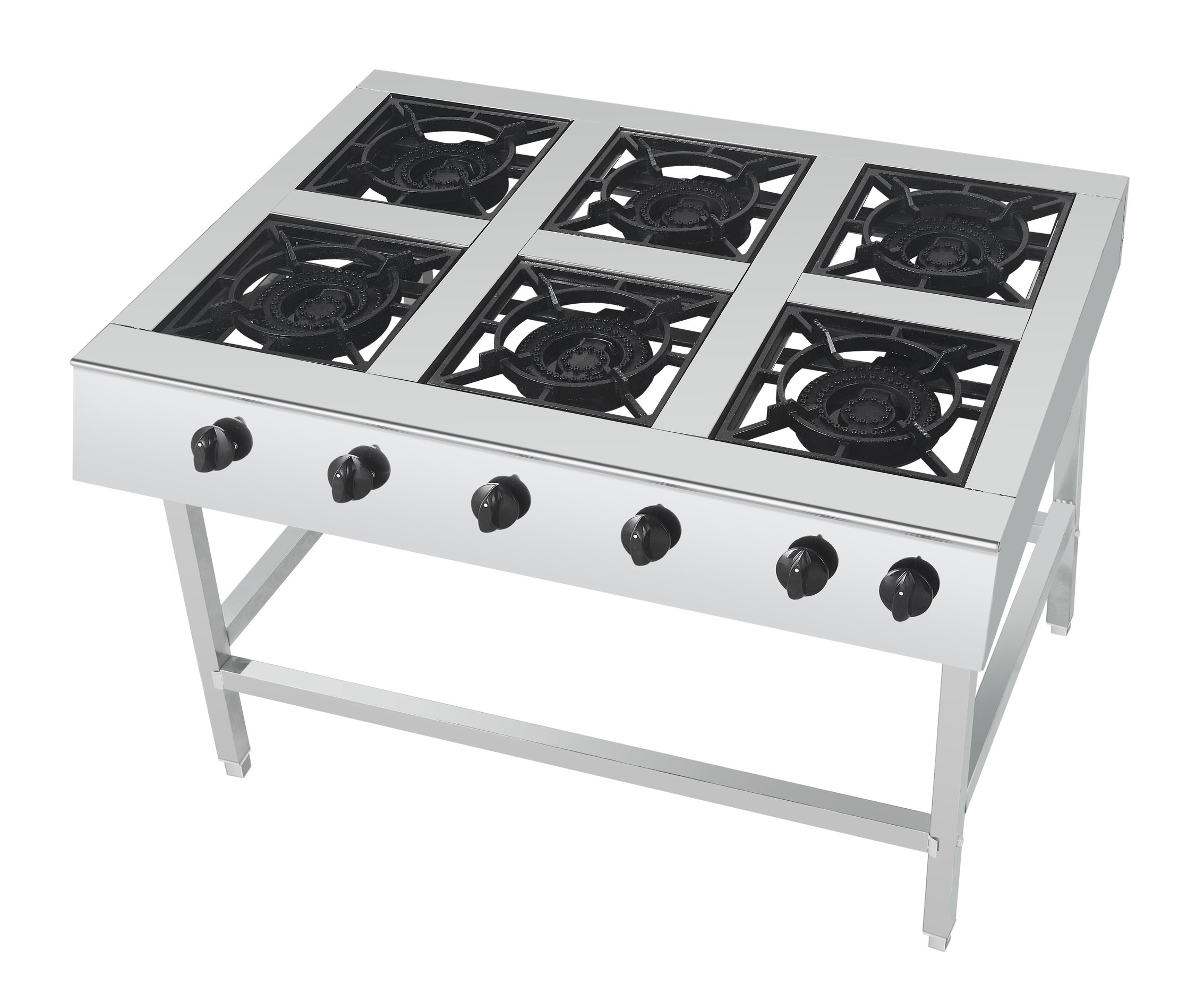
Upgrading to a professional-grade kitchen requires more than just aesthetic vision. It demands robust infrastructure. Managing multiple dishes simultaneously across a massive cooking surface is the ultimate goal for culinary enthusiasts. At the core of this setup lies a high-performance cooking appliance. Selecting the centerpiece is exciting. However, integrating a commercial-style unit into a residential space requires meticulous engineering and planning. You must account for strict spatial dimensions, utility capacities, and local building safety codes.
For those seeking the gold standard in durability and sheer culinary power, a Standing 6 Burner Stainless Steel Stove is the preferred choice. Bringing this powerhouse into your home involves far more than plugging in a standard appliance. This guide details exactly what to measure, prepare, and expect before your new stove arrives. Proper execution ensures a seamless, code-compliant, and profoundly safe installation process.
Key Takeaways
Measurements are critical: Successful installation requires accounting for the exact width, depth, and height of the stove. You must also verify mandatory doorway clearances and strict non-combustible safety zones.
Utility upgrades are often mandatory: High-output ranges demand upgraded gas lines, typically 3/4-inch, along with specific electrical configurations to function safely.
Ventilation is non-negotiable: The massive British Thermal Unit output of a six-burner system requires a high-CFM range hood. Proper external ductwork is essential to mitigate grease, smoke, and carbon monoxide.
Professional installation guarantees safety: Hiring certified HVAC technicians or licensed plumbers ensures building code compliance. It also protects your manufacturer warranty.
Why Upgrade to a Standing 6 Burner Stainless Steel Stove?
Before diving into technical installation requirements, it is vital to understand the functional returns of this structural investment. The culinary landscape is shifting rapidly. Recent industry data indicates a massive trend toward high-efficiency, commercial-grade residential kitchens. Homeowners are moving away from hidden, light-duty built-in appliances. Instead, they demand robust, statement-making freestanding units that deliver restaurant-quality performance.
Unmatched Cooking Capacity and Thermal Output
The primary advantage of a six-burner configuration is the sheer volume of food preparation it facilitates. Standard residential ranges lack the thermal output and grate space required for high-volume cooking. A six-burner setup eliminates bottlenecking. You gain the physical real estate required for true multitasking. You can boil a large stockpot on a high-output power burner while gently simmering a delicate sauce on a low-output rear burner. Simultaneously, you can aggressively sear thick cuts of protein without crowding your skillets. This capacity proves invaluable for frequent entertainers or batch-cookers where precise temperature control is paramount.
Commercial-Grade Durability
Material selection dictates appliance longevity. Premium 304-grade stainless steel remains the absolute standard for high-end culinary environments. It is inherently rust-resistant and non-porous, making it highly hygienic. Furthermore, heavy-duty commercial units feature thick steel framing and dense cast-iron grates capable of withstanding continuous extreme temperature fluctuations without warping. A robust industrial-style range instantly elevates the visual appeal of a kitchen. Real estate metrics frequently show that professional-grade kitchens significantly increase overall property resale value.
Measuring Your Kitchen Space and Clearances
The most common point of failure during appliance installation is inaccurate spatial planning. A high-output range requires specific accommodations that go far beyond simply eyeballing the gap between your cabinets.
Width, Depth, and Height Adjustments
Standard residential ranges are typically 30 inches wide. In contrast, a six-burner model usually demands a 36-inch standard width or larger. Dimensions vary slightly by manufacturer. You must measure the exact width of your cabinet cutout at the top, middle, and bottom. Older walls are rarely perfectly plumb. Depth is equally critical. Professional-style ranges often protrude slightly past standard 24-inch deep base cabinets. This proud stance is intentional. It protects cabinet faces from intense oven heat. You must ensure this protrusion does not impede the opening of adjacent drawers or dishwasher doors.
Heavy-duty adjustable leveling legs are a standard feature on premium units. These legs are essential for matching the cooking surface to your countertop height. More importantly, they ensure the unit is perfectly flat. If the stove wobbles even slightly, cooking oils will pool to one side of your pans. This always results in uneven searing.
Combustible Clearance Zones
Building safety codes dictate strict clearance zones around high-heat appliances. You must maintain a specific distance between the heat source and any combustible materials like wood cabinetry or drywall. Below the cooking surface, many modern ranges offer zero clearance designs. This means they can safely slide directly against base cabinets.
Regulations above the cooking surface are vastly different. Typically, there must be a minimum of 18 inches of vertical clearance between the countertop and the bottom of any side upper cabinets. This prevents the wood finish from melting or igniting. If you install the stove against a combustible rear wall, building codes generally mandate a stainless steel backguard or a specialized heat shield. This vital barrier prevents drywall degradation over time.
Core Specification Comparison
Understanding the engineering differences between standard and commercial-grade units helps clarify installation requirements. Below is a technical comparison.
Specification
Standard Residential Range
Commercial 6-Burner Stove
Total Thermal Output
40,000 to 60,000 British Thermal Units
100,000 to 150,000+ British Thermal Units
Gas Supply Line
1/2-inch diameter
3/4-inch diameter required
Ventilation Requirement
300 to 400 CFM
900 to 1,200+ CFM with Makeup Air
Construction Material
Thin-gauge steel, enamel finish
Heavy-gauge 304 stainless steel, cast iron
Gas and Electrical Requirements
A high-performance cooking appliance demands high-performance utilities. Attempting to connect a Commercial Gas Stove Free Standing 6 Burner to standard residential utility lines often results in underperforming burners and severe safety hazards.
Natural Gas versus Liquid Propane
Most heavy-duty ranges are manufactured and configured for Natural Gas right out of the box. If your home relies on Liquid Propane, the stove must undergo a conversion process using a manufacturer-approved kit. This meticulous procedure involves changing the brass orifices on every single burner to accommodate the higher pressure of propane.
Evaluating the diameter of your home gas supply line is a critical engineering step. The total output of a six-burner unit can easily exceed 100,000 British Thermal Units when all burners operate simultaneously. A standard 1/2-inch residential gas line simply cannot provide sufficient gas volume. If the line is too small, you will experience gas starvation. When you ignite the fifth or sixth burner, the flames on the other burners will visibly shrink or sputter out. A certified plumber must upgrade the supply line to a 3/4-inch pipe to ensure consistent pressure.
Electrical Needs for Ignition and Ovens
A common misconception is that gas ranges operate entirely without electricity. In reality, all modern gas stoves require an electrical connection to power electronic spark igniters, cooling fans, and internal oven lighting. For a standard all-gas range, a dedicated 120-volt, 15-amp or 20-amp grounded receptacle is usually sufficient.
Specifically, dual-fuel models pair a gas cooktop with an electric convection oven for precise baking. These units drastically increase electrical requirements. Dual-fuel ranges typically require a dedicated 240-volt, 30-amp or 50-amp electrical circuit. This is identical to the power required for a heavy-duty electric dryer. Upgrading your electrical panel to accommodate this circuit is a significant pre-installation project.
Upgrading Your Ventilation System
Installing a powerful stove without upgrading your ventilation is a severe safety oversight. The massive heat, aerosolized grease, steam, and combustion byproducts produced by six powerful burners must be rapidly evacuated from the home.
Calculating CFM for a 6 Burner Range
The extraction power of a range hood is measured in Cubic Feet per Minute. Standard over-the-range microwaves typically max out at 300 CFM. This is dangerously inadequate for a professional-style range. The industry-standard engineering formula for calculating the minimum required CFM is straightforward. Divide the total maximum output of all burners combined by 100. For example, if your stove outputs 108,000 British Thermal Units total, you need a heavy-duty range hood rated for at least 1,080 CFM to safely handle the exhaust.
Ductwork and Makeup Air Requirements
A high-CFM range hood is only as effective as the ductwork connected to it. Recirculating hoods that filter air and blow it back into the kitchen are entirely unacceptable for high-output gas ranges. The exhaust must vent directly to the outside exterior using rigid galvanized or stainless steel ducting. Flexible corrugated ducting traps grease and restricts airflow, creating a severe fire hazard.
Contemporary home construction heavily favors energy efficiency. This results in tightly sealed building envelopes. Because modern homes do not breathe like older houses, exhausting 1,000 cubic feet of air per minute creates dangerous negative indoor air pressure. This vacuum effect can backdraft deadly carbon monoxide from water heaters or furnaces directly into the living space. Consequently, if your hood exceeds 400 CFM, local building codes almost universally mandate the installation of an automated makeup air damper system. This system brings fresh outdoor air inside simultaneously to balance the pressure.
Flooring and Structural Considerations
The physical footprint of a commercial-style appliance introduces structural challenges. These engineering factors are frequently overlooked during the excitement of the planning phase.
Weight Capacity and Leveling
Constructed with dense cast-iron grates, thick steel framing, and heavy insulated oven doors, a 6 Burner Stainless Steel Stove can weigh anywhere from 300 to well over 500 pounds. Before installation, you must verify that your kitchen subfloor is structurally sound enough to support this concentrated weight without sagging.
This massive weight distributes across four relatively small leveling legs. This creates extremely high point-loads on the floor. Proper leveling is not merely an aesthetic concern. Using a precision spirit level, the installer must adjust these heavy-duty legs so the cooking surface is perfectly horizontal. Otherwise, baking results will be lopsided and oils will pool unevenly in pans.
Heat-Resistant Flooring Materials
The flooring material situated directly beneath and immediately adjacent to the stove must withstand elevated ambient temperatures. It must also resist damage from hot oil spills. Hard, heat-resistant materials such as ceramic tile, porcelain, or sealed concrete are ideal. Soft flooring materials like luxury vinyl plank or linoleum can warp, discolor, or suffer deep indentations under the extreme weight and heat radiating from the bottom of a high-powered oven. When sliding the unit into place, always use protective floor glides or thick plywood sheets to prevent the metal legs from gouging your finished floors.
DIY versus Professional Installation
Ambitious homeowners might be tempted to handle the installation themselves to save on labor costs. However, installing a high-capacity gas appliance is fundamentally different from plugging in a refrigerator. The associated risks make professional intervention highly advisable.
Why Hiring a Certified Technician is Crucial
Working with natural gas carries inherent risks of leaks, which can lead to catastrophic explosions. A certified plumber or HVAC technician possesses the specialized tools required to execute a flawless installation. They use a digital manometer to test the precise gas pressure in the lines. This ensures the pressure meets the strict specifications of the manufacturer.
Once connected, technicians meticulously test all pipe joints for micro-leaks using electronic gas sniffers or specialized bubbling leak-detection solutions. Finally, a technician will calibrate the air shutters on each individual burner to ensure the perfect air-to-gas ratio. A clean, crisp blue flame is safe. A lazy yellow or orange flame indicates incomplete combustion, which produces hazardous soot and carbon monoxide.
Warranty and Insurance Implications
Beyond physical safety, there are significant financial reasons to hire a professional. The vast majority of premium appliance manufacturers explicitly state in their documentation that attempting a DIY installation instantly voids the manufacturer warranty. This leaves you financially responsible for any factory defects.
Homeowners insurance policies often contain strict clauses regarding unpermitted utility work. If a fire occurs and the insurance adjuster discovers that the high-output gas range was installed by an unlicensed individual, the insurance company has the legal right to deny the claim entirely.
Preparing for Delivery Day
The final hurdle before enjoying your new culinary workspace is the physical delivery of the appliance. A 400-pound steel stove requires a meticulously planned route to avoid property damage.
Measuring Doorways and Hallways
Homeowners frequently measure the kitchen cabinet cutout perfectly but completely forget to measure the pathways leading into the house. You must map out the entire delivery route starting from the street. Measure the width and height of all exterior doors, interior hallways, and tight staircase corners. If the stove is 36 inches wide and your hallway is only 34 inches wide, you face a logistical nightmare. In some cases, delivery teams must temporarily remove doors from their hinges. They may also unbolt the heavy oven doors from the stove itself to shave off 50 pounds and reduce the overall depth during the move.
Removing Your Old Appliance
Before the freight truck arrives, your old appliance must be completely disconnected and moved out of the way. Ensure the gas shutoff valve behind the stove is securely turned to the off position. Disconnect the flexible gas line and unplug the electrical cord. Clear the entire delivery path of any tripping hazards, including rugs, pet beds, and small side tables. Having a completely clean, prepped space ensures the delivery team can efficiently place your new appliance exactly where it belongs without delay.
Conclusion
Proper preparation is the absolute cornerstone of ensuring your new stove operates safely and at peak performance. You must measure clearances meticulously. Confirming that your space can handle both the physical size and the thermal output of the unit is essential. Upgrading your gas lines and installing a high-capacity ventilation system are not just recommendations. They are vital engineering requirements for a functional, safe kitchen environment. Always hire a certified professional for the final hookup to guarantee code compliance and protect your valuable warranty. While the prep work requires effort, the reward is a professional-tier kitchen that will profoundly transform your cooking experience for years to come. If you are ready to elevate your culinary infrastructure, explore the robust performance of a Standing 6 Burner Stainless Steel Stove from Komisun to find the perfect centerpiece for your ultimate kitchen upgrade.
Do I need a special gas line for a 6 burner stove?
Yes. A high-output commercial-style stove typically requires a 3/4-inch gas line to supply adequate volume for all burners to operate simultaneously. Standard residential stoves generally only require a 1/2-inch line, which may starve a larger unit of gas, causing flames to weaken.
How many CFM does a standing 6 burner stainless steel stove need?
The required CFM depends heavily on the total output of the appliance. The general engineering rule is 100 CFM per 10,000 British Thermal Units. Because most six-burner ranges generate between 60,000 and 150,000 total British Thermal Units, they require a heavy-duty ventilation hood rated for at least 600 to 1,500 CFM.
Can I put a commercial 6 burner range in a residential kitchen?
True commercial ranges intended for restaurant use often violate residential building codes due to a lack of cabinet insulation and massive clearance requirements. However, you can purchase pro-style residential ranges that mimic the exact look and power of commercial units but are heavily insulated for safe home installation. Always check local codes before purchasing.
How much space should be between the stove and the cabinets?
Typically, you need zero inches of clearance below the cooking surface, allowing the stove to slide snugly between base cabinets. However, strict clearances apply above the cooking surface. Usually, this means 18 inches for adjacent upper side cabinets and 30 to 36 inches vertically between the cooktop and the exhaust hood. Always refer to the specific installation manual of the manufacturer.
How long do commercial 6 burner stoves last?
When properly maintained, a commercial-grade stainless steel stove can easily last 15 to 20 years or more. Their longevity stems from heavy-duty construction materials, such as 304 stainless steel and cast iron, which resist corrosion and heat degradation far better than standard residential appliance materials.
Can a 6 burner stove increase home value?
Yes. Real estate data consistently shows that kitchens equipped with professional-grade, stainless steel appliances yield a higher return on investment. A robust six-burner stove acts as a premium focal point, signaling to potential buyers that the kitchen is designed for serious culinary performance, which can increase overall property appeal and resale value.
Established in 2004,Komisun is a professional manufacturer specializing in kinds of gas stove,commercial cooker,kitchen Chimney more than 20 years.We are located in Shunde District,Foshan City,we have more than 200 employees and our working shop covering more than 30000 square meters.