
Please Choose Your Language
Follow
close
Choose Your Site
Global
Social Media


Views: 0 Author: Site Editor Publish Time: 2026-05-01 Origin: Site


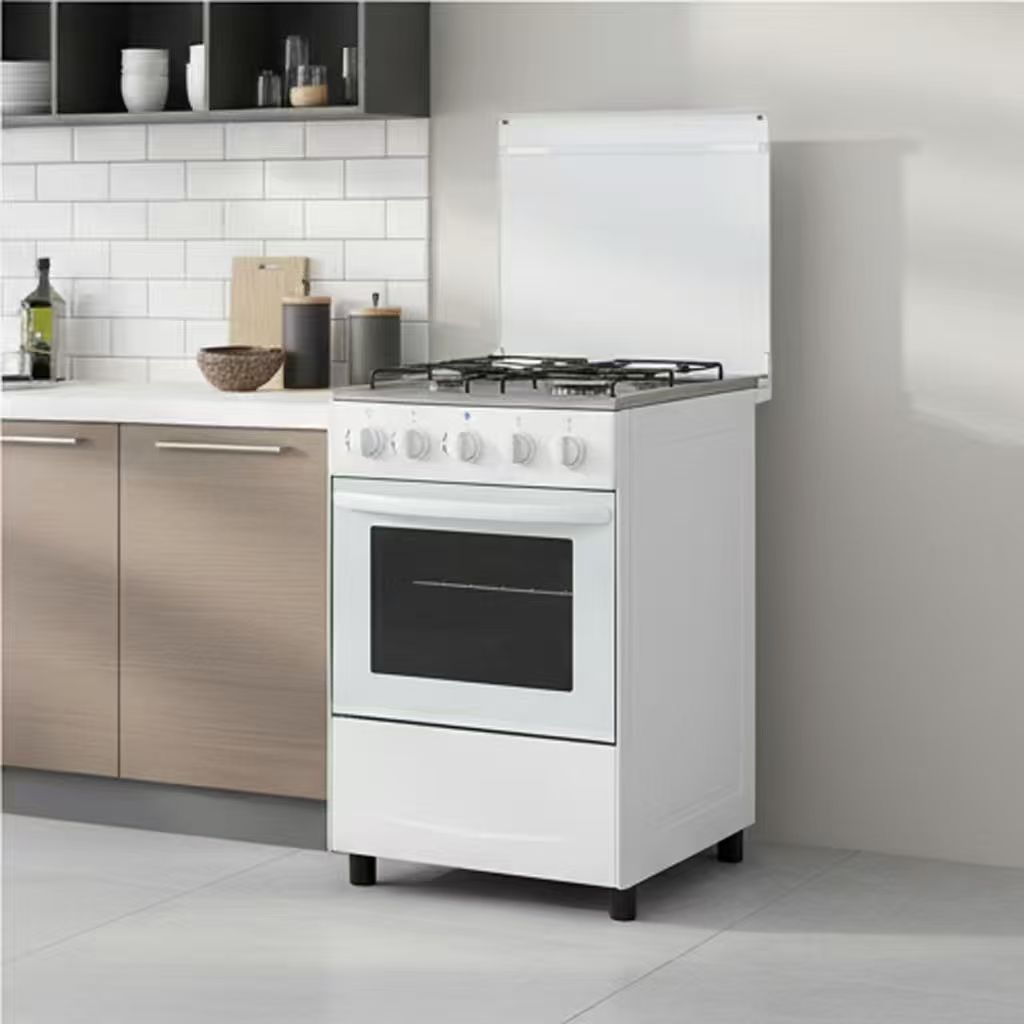
Gas cooking holds an enduring appeal for home chefs everywhere. You get instant heat response. You also enjoy highly intuitive visual flame control. However, we must challenge a common industry assumption today. A higher price tag does not guarantee a longer appliance lifespan. Modern appliances increasingly carry complex electronics. These fragile digital additions severely reduce overall appliance reliability. Buyers face a frustrating tension today. You want necessary performance upgrades. True convection baking offers undeniable culinary value. Yet you must avoid gimmick features. Built-in Wi-Fi screens often drive up first-year repair rates drastically. We built this guide to establish a skeptical, evidence-oriented baseline for shoppers. We prioritize empirical service-call data. We look closely at actual BTU output. We value long-term repairability over flashy marketing claims. You deserve an appliance built for daily cooking, not endless servicing.
Complexity breeds failure: Basic models with fewer digital control boards consistently report lower first-year service rates than premium, feature-heavy counterparts.
Hard performance benchmarks: A viable modern range must offer at least one 18,000+ BTU power burner for boiling and a reliable 500 BTU simmer threshold.
The "Self-Clean" hazard: High-heat self-cleaning cycles are the leading cause of blown thermal fuses and fried oven control boards.
Hidden installation costs: Most units do not ship with necessary gas line connectors or LP (Liquid Propane) conversion kits, and improper ventilation poses significant health and hardware risks.
Many consumers fall for a persistent retail myth. They believe spending $3,000 or more guarantees a breakdown-free experience. Empirical service data tells a completely different story. Adding secondary baking drawers elevates failure probabilities. Smart touchscreens introduce sensitive electronics into high-heat environments. Complex wiring harnesses simply give your appliance more ways to fail. Basic models consistently report fewer first-year service calls.
To understand long-term reliability, we must examine actual service data. Appliance repair technicians routinely replace the same few components across major brands. Understanding these weak points helps you buy smarter.
Here are the most common points of failure:
Igniters: Natural wear and tear degrades this part over time. Grease buildup also clogs the ignition pathways. The igniter remains the most frequently replaced part in any kitchen.
Oven Sensors and Control Boards: These digital brains are highly sensitive to heat drift. Digital boards often fail due to poor heat shielding. The oven cavity heat eventually penetrates the control panel housing.
The Self-Clean Cycle Trap: Running a 900°F+ self-cleaning cycle poses massive risks. This extreme heat frequently damages internal electronics. It also degrades and hardens the rubber door gaskets prematurely.
Common Mistake: Homeowners often run the self-clean cycle right before a major holiday. This frequently results in a blown thermal fuse. You lose your oven right when you need it most. We strongly advise limiting this cycle usage to once or twice annually. Better yet, simply clean spills manually using standard degreasers.
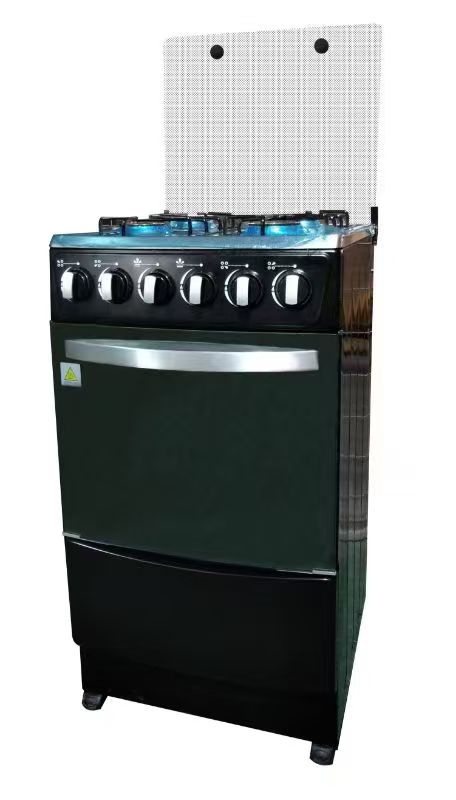
Evaluating appliances requires strict performance benchmarks. You must separate genuine culinary enhancements from showroom gimmicks. We measure capability through raw power, sustained precision, and physical architecture.
A modern cooktop must handle both extreme heat and delicate simmering. We evaluate this using British Thermal Units (BTU). You should never compromise on your primary power burner. We define the standard primary burner requirement as 18,000 to 20,000 BTU. This output boils large pots of water quickly. It also provides enough ambient heat recovery for proper wok searing.
Simultaneously, you need a dedicated simmer burner. High power means nothing if you burn delicate sauces. A reliable simmer burner must sustain roughly 500 BTU. It must hold this low flame without sputtering or extinguishing in a cross-breeze.
Grate architecture also impacts your daily cooking experience immensely. We strongly recommend continuous cast-iron grates. These interlocking grates provide a flat, stable surface across the entire cooktop. They allow you to slide heavy cast-iron pots safely. You can move boiling liquids off a hot burner without lifting them.
Oven technology often confuses buyers due to deceptive marketing terms. You must understand the technical difference between true convection and standard fan convection.
Standard convection merely circulates ambient oven heat. It uses a fan placed at the rear of the cavity. True convection utilizes a third, independent heating element. This element wraps directly around the rear fan. It blows actively heated air throughout the cavity. True European convection guarantees perfectly even multi-rack baking.
We must also debunk popular showroom gimmicks. "Air Fry" modes dominate current marketing materials. However, these modes are often just rebranded high-speed convection settings. They rarely replace a dedicated countertop air fryer. Furthermore, built-in Wi-Fi rarely adds tangible culinary value. Remote preheating sounds convenient in theory. In reality, you still must walk to the kitchen to place your food inside.
Feature Category | Genuine Value | Common Gimmick |
|---|---|---|
Heat Distribution | True European Convection (3rd heating element) | "Air Fry" modes (rebranded fan convection) |
Burner Power | 18,000+ BTU power burner & 500 BTU simmer | Oval center griddle burners with low BTU output |
Controls | Heavy-duty metal mechanical knobs | Full-color glass touchscreens and Wi-Fi sync |
Brand prestige matters less than local logistics. Vetting a Gas Ranges manufacturer involves looking beyond national advertising campaigns. You must evaluate their real-world support infrastructure.
Prioritize your local service network over global brand recognition. A highly rated manufacturer is utterly useless without local support. You need certified technicians within a 50-mile radius of your home. Always call local independent repair shops before buying. Ask them which brands they actually service. Ask them which brands they refuse to touch.
Parts availability directly dictates your long-term repair costs. A reliable Gas Ranges manufacturer keeps supply chains open for independent servicers. Evaluate how easily a technician can source replacement igniters. Check the availability of replacement burner caps. Confirm they can order main control motherboards without facing six-month backorders.
You must also evaluate burner design philosophies. Manufacturers typically prioritize either sealed or open burners.
Sealed Burners: The burner cap sits tightly against the cooktop frame. This prevents food and liquids from falling inside the machine. They offer much easier daily cleanup.
Open Burners: These allow oxygen to mix more freely with the flame. They deliver pro-level direct heat straight to the pan. However, spills fall below the cooktop surface. They require pulling out drip trays for laborious cleaning.
Best Practice: Choose sealed burners for standard family kitchens. Reserve open burners for serious culinary enthusiasts willing to perform weekly maintenance.
When exploring the best Gas Ranges for your kitchen remodel, narrow your focus. Align your purchase purely with your dominant cooking habits.
We divide the market into three highly successful appliance categories. Each category serves a distinct buyer profile.
This category strips away unnecessary digital features. These units feature minimal digital displays. They rely on standard knob controls. They utilize durable sealed burners. The internal wiring remains remarkably simple.
Target Buyer: Landlords love this category. Practical homeowners also gravitate here. Budget-conscious buyers prioritizing a 15-year lifespan over modern aesthetics will find immense value. When something breaks, cheap parts fix it quickly.
This hybrid category pairs a traditional cooktop with an electric oven cavity. It offers the absolute best of both thermal worlds. Electric heating elements deliver highly precise ambient temperatures.
Target Buyer: Baking enthusiasts flock to this setup. They demand the visual flame control of a burner for stovetop cooking. Yet they require the dry, exact, and consistent temperature maintenance of electric baking for delicate pastries.
These massive units dominate large kitchen designs. They feature a 36-to-60-inch footprint. They boast all-brass burners. They completely eliminate electronic displays. They focus entirely on massive BTU output and commercial-grade durability.
Target Buyer: High-frequency cooks need this capacity. Large families require concurrent multi-pot cooking. If you frequently host large holiday dinners, this category supports your workflow effortlessly.
Here is a quick summary chart evaluating our category profiles:
Category | Primary Advantage | Ideal Buyer | Lifespan Expectancy |
|---|---|---|---|
Repairable Workhorse | Low repair frequency, cheap parts | Landlords, practical homeowners | 15-20 years |
Dual-Fuel Compromise | Perfect baking precision | Bakers, culinary enthusiasts | 12-15 years |
High-Capacity Pro-Style | Massive cooking volume, high BTU | Large families, frequent hosts | 15-20 years |
Buying the appliance represents only half the battle. Improper installation ruins even the most reliable appliances. You must address installation risks proactively. You must also budget for hidden implementation costs.
Ventilation compliance requires your immediate attention. Medical professionals express growing scrutiny over combustion byproducts. Unvented burners release Nitrogen Dioxide (NO2) and fine particulate matter (PM2.5) into your home. You face absolute necessity here. You must install a high-CFM external-venting hood. Do not rely on a recirculating microwave fan. Recirculating fans merely push dangerous byproducts back into your kitchen air.
Leveling and calibration dictate your daily cooking performance. A severely unlevel appliance ruins baking results. Cakes will bake lopsided. Oil will pool on one side of your frying pan. Homeowners frequently misdiagnose these issues as manufacturer defects. In reality, the delivery team simply did not level the legs correctly during installation.
Finally, prepare for missing accessories. Purchasing a new unit almost always requires separate procurement of crucial parts. The retail box rarely includes everything you need.
Flexible Gas Line Connector: You must purchase a new stainless steel corrugated connector. Reusing old connectors violates local safety codes.
LP Conversion Kit: If your home uses Liquid Propane instead of natural gas, you need this kit. Some brands include it, but many charge extra. A licensed professional must install these delicate brass orifices.
Finding a reliable appliance ultimately requires brutal honesty about your daily habits. Apply strict shortlisting logic before handing over your credit card. If you cook heavy stovetop meals daily, focus entirely on BTU metrics and grate quality. If you bake sourdough bread every weekend, pivot your budget toward a dual-fuel model. Match the machine to the cook.
Your next steps require practical legwork. Verify your local appliance repair network coverage before locking in a specific brand. Measure your existing kitchen cutouts carefully. Measure your doorway clearances prior to scheduling delivery. Older homes often feature narrow doorways. Delivery teams will leave the appliance in your garage if it cannot fit through the kitchen door. Stay skeptical of gimmicks, focus on heavy-duty components, and prioritize long-term repairability.
A: A high-quality mechanical unit should realistically last 15 to 20 years. However, this lifespan expectancy drops significantly for heavily computerized models. Digital components, such as touchscreens and main control boards, typically fail within 7 to 10 years. Choosing simpler knob controls maximizes longevity.
A: They offer slightly different maintenance profiles. Electric ovens possess fewer moving parts than traditional oven igniters. This makes the baking cavity highly reliable. However, installing a dual-fuel unit requires a dedicated 240V electrical connection. Upgrading your kitchen wiring adds upfront complexity.
A: This involves a significant thermal efficiency gap. Flames lose massive amounts of ambient heat around the sides of the pan. Induction technology transfers energy directly into the magnetic cookware without ambient loss. While flames offer visual feedback, induction objectively boils water much faster.
A: Freestanding models feature rear-mounted controls attached to a tall backguard panel. Slide-in models place all burner controls on the front face. Slide-in units lack a backguard entirely. This design allows your custom kitchen backsplash to remain fully visible for a seamless island installation.

