
Please Choose Your Language
Follow
close
Choose Your Site
Global
Social Media


Views: 0 Author: Site Editor Publish Time: 2026-05-27 Origin: Site


Cooking daily leaves behind splatters and spills, quickly turning a pristine surface into a sticky mess. Built-up grease on a stovetop isn't just an aesthetic issue. It presents a serious kitchen fire hazard and actively degrades appliance efficiency over time. Unfortunately, incorrect cleaning methods routinely cause permanent damage to these essential appliances. Reaching for abrasive scouring pads or harsh chemicals can create irreversible micro-scratches, strip away protective factory coatings, and ultimately void your warranty.
This guide delivers a systematic, component-level cleaning approach to solve this exact challenge. You will learn how to safely remove carbonized food while preserving the original finish and ensuring safe, regular burner flames. We rely on established appliance-industry standards to help you avoid common maintenance failures. By following these structured steps, you can protect your kitchen investment and enjoy a flawless cooking experience.
Parallel Cleaning Saves Time: Soaking removable components while tackling the main surface cuts active cleaning time in half.
Tool Selection is Critical: Never use wooden toothpicks to clear burner ports (they snap) or paper towels on cast iron grates (they leave lint).
Acidic Damage: Tomato and vinegar spills must be wiped immediately to prevent permanent enamel corrosion.
Safety First: Always disconnect power, ensure the surface is entirely cool, and verify the gas valve is shut off before dismantling parts.
Proper preparation separates a successful maintenance routine from an accidental disaster. Selecting the correct tools ensures you remove stubborn grime without compromising delicate metal finishes. You must gather specific, non-abrasive supplies before you begin dismantling any parts of your gas stove.
Industry standards dictate strict evaluation criteria for cleaning supplies. You need non-metallic, medium-bristle brushes to agitate dirt. You must use microfiber cloths to lift grease and prevent hard water spots. For clearing tight spaces, straight metal pins or standard paper clips work perfectly. A dedicated plastic cooktop scraper helps lift solid debris safely. Finally, select a high-quality degreasing agent. You can use a commercial surfactant designed for kitchen appliances. Alternatively, you can mix a safe, eco-friendly paste using three parts baking soda to one part water.
Understanding implementation risks prevents irreversible appliance damage. Chemical risks top the list of common failures. We strongly warn against using heavy-duty oven cleaners on a stovetop. Products containing lye, bleach, or rust removers chemically react with the burner cap coatings. This reaction strips the paint and leaves the metal vulnerable to rapid oxidation.
Physical risks require equal attention. You must avoid abrasive scouring pads completely. Materials like steel wool create microscopic scratches across stainless steel panels. These micro-scratches trap future grease particles, making subsequent cleaning sessions significantly harder. Furthermore, application risks exist around electronic components. You should never spray liquid degreasers directly onto the control knobs. The liquid seeps behind the dial, shorting out the ignition switch. It can also cause the painted indicators on the knobs to blister and peel away permanently.
Approved vs. Prohibited Cleaning Tools | ||
Category | Approved Tools | Prohibited Tools (Do Not Use) |
|---|---|---|
Scrubbing | Microfiber cloths, non-metallic brushes | Steel wool, abrasive scouring pads |
Clearing Ports | Straight metal pins, paper clips | Wooden toothpicks, brittle plastic sticks |
Chemicals | Mild dish soap, baking soda paste | Lye-based oven cleaners, bleach, rust removers |
Scraping | Plastic cooktop scrapers | Metal spatulas, razor blades, knives |
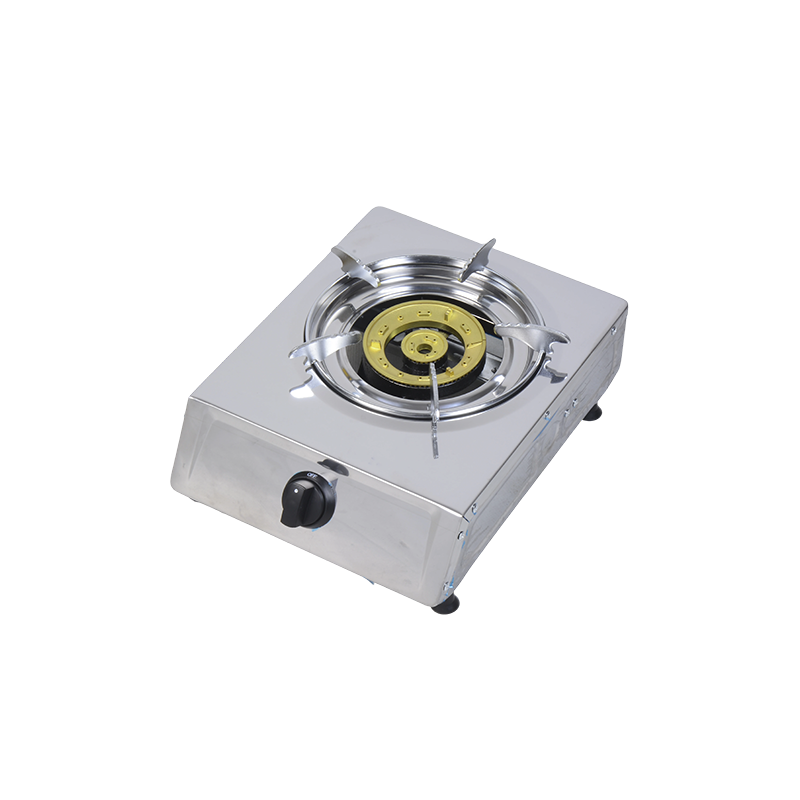
We frame this cleaning process as a standard operating procedure (SOP). Disassembling the appliance systematically prevents liquid from pooling inside sensitive gas lines. This strategic approach isolates the grimiest parts, allowing you to treat each material according to its specific tolerances.
Efficiency relies on parallel processing. First, ensure the appliance is completely cool. Remove the heavy grates and lift off the burner caps. Submerge these components in a large sink filled with warm water and a generous squirt of degreasing dish soap. If you prefer, a dedicated eco-friendly degreaser works exceptionally well here. Allow these parts to soak undisturbed for at least 20 minutes. This soaking period breaks down polymerized fats while you focus on the main chassis.
Homeowners often misunderstand cast-iron care. Cast-iron stove grates do not require oil "seasoning" like a traditional cast-iron skillet. Engineers design these grates purely for thermal heat transfer and heavy load-bearing. Applying oil to them simply creates a sticky, flammable surface that attracts more dust and grease.
Once you remove the caps, lift the primary burner base to expose the underlying gas tube opening. Inspect the small grooves around the perimeter of the base. These are the burner ports. Food spills frequently boil over and clog these narrow channels, disrupting the fuel mixture.
You must mitigate implementation risks during this step. Use a straight metal pin or a safety pin to carefully pierce and clear away the blockages inside the ports. We strongly caution against using wooden toothpicks. Heat makes toothpicks brittle; they frequently snap off inside the port, permanently blocking the gas flow. Additionally, do not use oversized tools. Enlarging or warping the port holes causes irregular, dangerous flame outputs.
Pay close attention to delicate components nearby. Locate the ceramic igniter piece sitting near the burner base. Gently wipe the igniter using a barely damp cloth. Do not bend or apply lateral pressure to the igniter, as the ceramic housing cracks easily under stress.
Return your attention to the main surface panel. Use a damp microfiber cloth to gently sweep away loose, dry debris first. Removing crumbs before applying liquid prevents you from pushing abrasive salt or sugar crystals into the finish. Next, apply your chosen degreaser or the homemade baking soda paste across the soiled areas.
Let the cleaning agent dwell for exactly 5 minutes. This specific dwell time allows the surfactants to achieve chemical breakdown of the lipids. The grease will soften, detaching its bond from the metal panel. Afterward, use a clean microfiber cloth to wipe the dissolved mess away. Finally, buff the entire surface completely dry with a fresh, dry microfiber cloth. Skipping the buffing stage guarantees unsightly hard water stains will form.
Patience guarantees functionality. Ensure all soaked parts are 100 percent dry before you begin reassembly. Even microscopic droplets of water trapped inside the burner cap will prevent the igniter from sparking correctly. Use a dry towel or let them air dry completely.
Carefully realign the burner bases and caps over the gas tubes. Most models feature dedicated locating pins. Seat the caps directly onto these pins. A properly seated cap sits perfectly flush, presenting almost no lateral wobble when you touch it. Once assembled, turn on the appliance to validate your work. You want to verify a steady, blue, continuous flame ringing the entire burner. An uneven or yellow flame indicates trapped moisture or improper cap alignment.
Standard wiping rarely resolves extreme contamination. We provide targeted advice for the two most difficult bottom-of-funnel maintenance scenarios. These edge cases require specialized mechanical and chemical intervention to avoid permanent damage.
Carbonized, baked-on grease represents a significant challenge. Natural methods often fail here due to the hardened polymer bonds. We recommend applying a targeted commercial degreaser directly to the blackened spots. Allow a strict 10-minute dwell time. Once the chemical softens the carbon, use a specialized plastic cooktop scraper. Hold the scraper at a very low angle to the surface. Gently push forward to lift the carbonized crust without scoring the underlying metal.
Melted plastic presents an even higher risk. A misplaced bread bag can quickly liquefy onto a hot burner grate. First, turn on your exhaust hood immediately for ventilation. Plastic fumes pose health risks. Wait for the surface to cool completely until the plastic turns rock hard. Never attempt to wipe hot, melted plastic. Wiping merely smears the liquid, drastically increasing the affected surface area. Once hardened, gently pry off the plastic chunks using the plastic scraper. If a thin film remains, applying ice can further shrink the plastic, making it brittle enough to pop off.
Appliance protection requires strict adherence to documented guidelines. We frame this section around compliance and long-term asset preservation. Every leading gas stove manufacturer specifies strict cleaning limitations inside their user manuals. Ignoring these limitations provides companies with immediate grounds to deny warranty coverage for cosmetic or functional failures.
Several common pitfalls occur routinely in household kitchens. Homeowners often run dirty burner caps through the dishwasher. The extreme heat and highly alkaline detergents used in dishwashers quickly degrade the aluminum finish, turning shiny caps dull and chalky.
Leaving acidic spills unaddressed causes rapid corrosion. Tomato sauce, citrus juice, and vinegar contain active acids. When you let these liquids bake into the hot surface, they cause permanent pitting in the enamel coating. The damage cannot be polished out.
Another frequent mistake involves using paper towels on cast-iron grates. The textured surface of cast iron shreds the paper upon contact. This leaves highly visible, flammable white fibers caught across the cooking surface. Always use a lint-free cloth or a dedicated sponge when handling cast iron.
Transitioning from reactive cleaning to proactive maintenance saves countless hours. Behavioral adjustments keep your kitchen looking flawless with minimal daily effort. Small changes in how you manage cooking byproducts yield massive dividends over the lifespan of your appliance.
Consistency provides scalability. We recommend implementing a strict 3-minute post-dinner wipe-down rule. Wait until the gas stove cools to a safe, warm temperature. Give the entire panel a swift wipe with a damp microfiber cloth. This simple habit prevents repeated heat-cycling from baking fresh grease into an impenetrable carbon shell.
You can also invest in hardware add-ons to physically block messes before they settle. Several products exist to streamline your prevention strategy. Review the chart below to understand the pros and cons of common physical barriers.
Comparison Chart: Preventive Hardware Add-ons | ||
Hardware Type | Primary Benefit | Potential Drawback |
|---|---|---|
Splatter Screens | Blocks 90% of airborne oil droplets during frying. | Requires additional washing; blocks visibility slightly. |
Silicone Gap Covers | Prevents crumbs from falling between the stove and counter. | Can look visually disruptive if the color doesn't match perfectly. |
Custom Stove Guards | Catches all bottom-level spills; completely washable. | Must be perfectly sized to your specific appliance model. |
Finally, simple operational tactics reduce the frequency of major spills. Always match your pan size to the specific burner's BTU output. Placing a tiny saucepan over a massive power burner guarantees violent boil-overs. Proper sizing keeps the heat concentrated on the food, preventing liquids from escaping the pot.
Maintaining a beautiful and functional cooking space requires discipline and the right tools. Proper care extends the life of your appliance and eliminates dangerous grease fire risks. By avoiding abrasive materials and utilizing brief chemical dwell times, you preserve the structural integrity of your kitchen equipment.
Review your specific appliance manual today to identify proprietary coating restrictions.
Discard old steel wool and invest in safe, non-abrasive microfiber cloths and a plastic scraper.
Adopt the 3-minute daily wipe-down rule to prevent grease polymerization.
Keep metal pins easily accessible in a kitchen drawer for quick port maintenance.
A: It depends heavily on your specific appliance manual. Some manufacturers allow bottom-rack washing for specific grate models. However, the harsh alkaline detergents used in dishwashers can quickly dull factory finishes and cause rust. Hand washing them in warm, soapy water remains the safest, most reliable approach.
A: No. Unlike cast iron cooking skillets, stove grates are structurally engineered to endure intense, direct heat without needing any oil seasoning. Applying oil to the grates will only cause a sticky residue buildup that traps airborne dust and food particles.
A: Moisture is likely trapped inside the burner ports or covering the delicate ceramic igniter. These small components must be completely dry before reassembly. Even a microscopic drop of water disrupts the electrical spark. Allow all parts to air dry fully before attempting to ignite them again.
A: While highly diluted vinegar can occasionally remove minor water spots, prolonged exposure to high-acidity liquids damages protective surface coatings. Acid eats away at enamel and stainless steel finishes. If you use it, you must rinse the area thoroughly with plain water and dry it immediately.

