vicino
Scegli il tuo sito
Globale
Mezzi sociali


Visualizzazioni: 0 Autore: Editor del sito Orario di pubblicazione: 2026-03-04 Origine: Sito


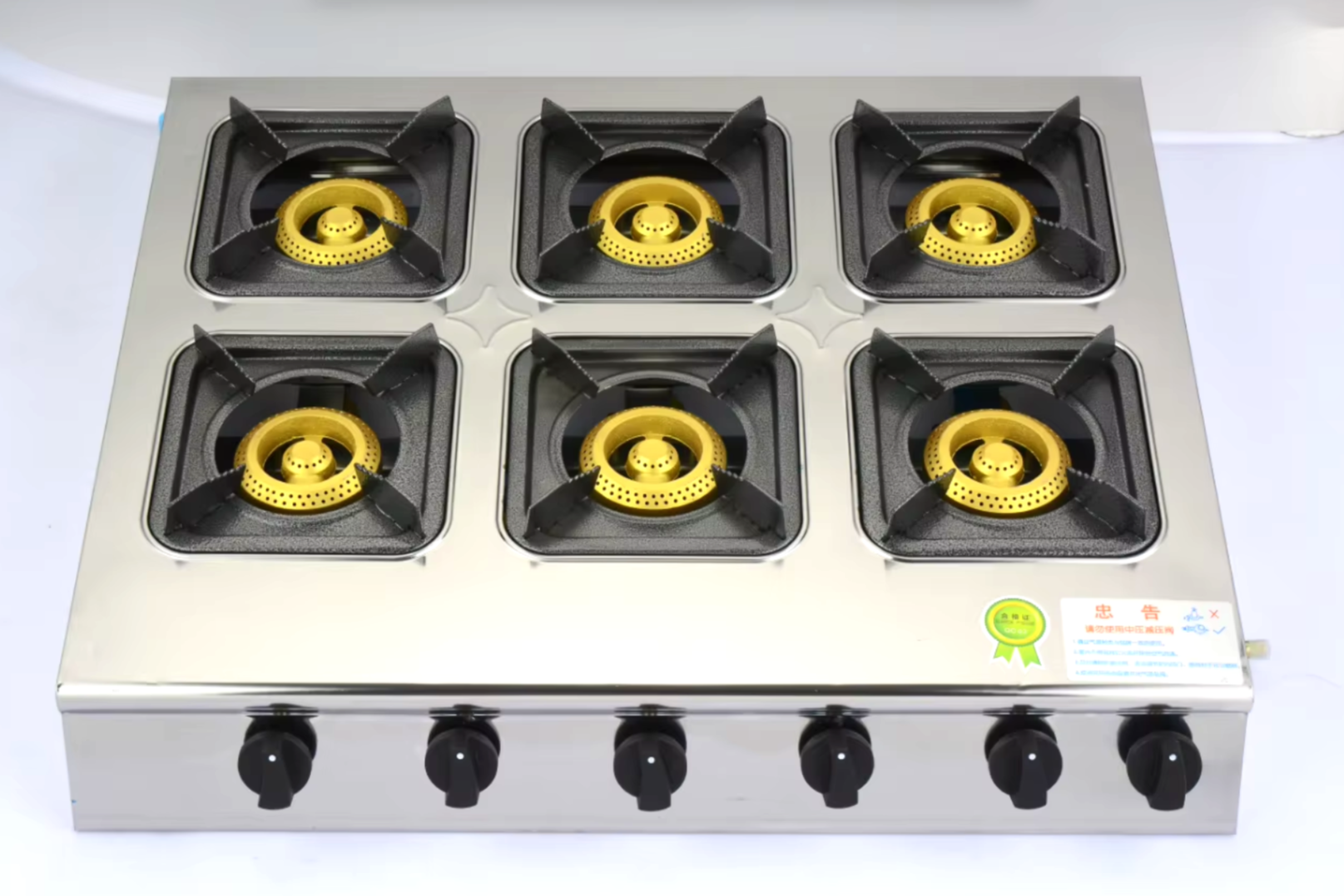
Gestire una cucina frenetica richiede attrezzature da cucina affidabili in grado di funzionare costantemente anche sotto carichi di lavoro pesanti. Negli ambienti della ristorazione professionale, il La stufa a gas commerciale svolge un ruolo fondamentale perché offre una forte potenza termica, un controllo rapido della temperatura e prestazioni affidabili per le attività di cottura quotidiane.
In questo articolo, esploriamo come funziona l'acquisto all'ingrosso per progetti di ristoranti e come le aziende possono selezionare il fornitore giusto quando acquistano una stufa a gas commerciale all'ingrosso per operazioni di cucina efficienti.
I progetti di ristoranti di grandi dimensioni spesso richiedono più attrezzature da cucina installate su diverse postazioni di cucina, il che significa che l'approvvigionamento delle attrezzature può rappresentare una parte significativa del budget complessivo del progetto. L'acquisto di elettrodomestici tramite fornitori all'ingrosso offre ai ristoranti l'opportunità di ridurre i costi delle attrezzature garantendo prestazioni costanti in tutte le loro cucine. Quando più unità di fornelli a gas commerciali vengono ordinate direttamente da produttori o distributori, i ristoranti beneficiano di prezzi unitari inferiori rispetto ai canali di acquisto al dettaglio, il che consente ai project manager di allocare le risorse finanziarie in modo più efficace in altre aree operative come i sistemi di ventilazione della cucina, le apparecchiature di refrigerazione e i programmi di formazione del personale.
Un altro importante vantaggio dell’acquisto all’ingrosso è la standardizzazione delle attrezzature nelle postazioni di cucina e nei ristoranti. Catene di ristoranti, operatori in franchising e gruppi di ospitalità spesso richiedono configurazioni identiche di attrezzature in più cucine in modo che gli chef possano adattarsi facilmente quando lavorano in luoghi diversi. L'utilizzo degli stessi modelli di fornelli a gas commerciali in più cucine garantisce che la potenza del bruciatore, i meccanismi di controllo della fiamma e le caratteristiche di sicurezza rimangano coerenti, il che semplifica la formazione del personale e riduce la complessità della manutenzione delle apparecchiature. Le attrezzature standardizzate consentono inoltre ai team di manutenzione di immagazzinare meno parti di ricambio perché i componenti rimangono compatibili tra le diverse stazioni di cottura.
L'approvvigionamento all'ingrosso migliora anche l'efficienza della catena di approvvigionamento per i progetti di costruzione di ristoranti perché i produttori e i distributori di attrezzature possono coordinare le spedizioni di grandi quantità in base ai programmi di installazione. Invece di acquistare le attrezzature separatamente da più fornitori al dettaglio, gli sviluppatori di ristoranti possono ricevere grandi quantità di elettrodomestici in un'unica consegna, il che aiuta a ridurre le complicazioni logistiche durante l'installazione della cucina. Fornitori affidabili sono in grado di consegnare le attrezzature in tempo e garantire che i progetti di costruzione di ristoranti procedano senza intoppi, senza ritardi causati dalla mancanza di apparecchiature.
Vantaggio all'ingrosso |
Vantaggio operativo |
Costo dell'attrezzatura inferiore per unità |
Investimento complessivo del progetto ridotto |
Modelli di apparecchiature standardizzate |
Formazione e manutenzione dello chef più semplici |
Capacità di consegna in massa |
Installazione più rapida della cucina |
Fornitura diretta del produttore |
Disponibilità di apparecchiature più affidabile |
I ristoranti che pianificano progetti di cucine di grandi dimensioni dovrebbero stabilire partnership a lungo termine con i fornitori per garantire una qualità costante delle attrezzature e programmi di consegna affidabili.
![Per ottenere un markdown, è necessario farlo in modo corretto. Per favore, 在本次对话以及后续回答中, 我会始终使用 Markdown代码格式输出, 即整体内容会放在代码块中, 例如: # 示例标题 这里是正文内容。 ## 二级标题 -列表 - 列表 也就是说: 整个回答会放在 markdown 代码块中 仍然保持 Markdown标题层级、表格、列表等结构 方便你 直接复制使用(例如写SEO文章或文档)如果你有特殊格式要求(例如表格结构、SEO文章模板、关键词布局、FAQ结构等), 也可以随时告诉我, 我会一起固定下来. article.txt 文档 Sei un eccellente esperto di scrittura di contenuti SEO in grado di leggere e scrivere fluentemente contenuti in inglese. Il tuo compito è creare un nuovo articolo sull'argomento '[[Standard di sicurezza per stufe a gas commerciali.] Scrivi una struttura di post di blog approfondita e altamente incentrata sul titolo. Quando crei una struttura di articolo, fai riferimento al contenuto del file articolo.txt e completa le seguenti attività: Note principali: - Titolo in evidenza: Analisi '[[Standard di sicurezza per stufe a gas commerciali.]]]', identificandone l'intento principale, il tema principale e il problema/dilemma specifico che sta cercando di risolvere. Ciascuno L'intestazione H2 e H3 deve supportare direttamente questo intento: rimuovere o abbreviare tutto ciò che non è rilevante per l'intento dell'intestazione. - Utilizzare in modo selettivo i dati esistenti: non copiare la sua struttura. Obiettivi SEO: - La parola chiave target è '[[Commercial Gas Stove.]]'。 - Se appropriato, includere '[[Commercial Gas Stove.]]' e le relative varianti dove si adattano in modo naturale e migliorano la chiarezza. Requisiti della struttura del contenuto: - 1. Introduzione - 2. Da 6 a 8 H2 - 3. Conclusione - Ogni sezione H2 deve contenere 2-4 argomenti secondari H3 - Seleziona l'opzione con '[[Standard di sicurezza per stufe a gas commerciali.] ]]' ed espandi con 5-7 sezioni H3 per una copertura completa. Se non diversamente richiesto dal flusso logico, inserisci questa sezione nelle prime 1-2 sezioni H2. - Dare priorità ad approfondimenti, confronti e vantaggi utilizzabili rispetto a definizioni generiche. - Mantenere un tono chiaro, informativo e coinvolgente che guidi i lettori nell'affrontare '[[Standard di sicurezza per fornelli a gas commerciali.]]]' La domanda principale sollevata: - Utilizzare il formato Markdown # Standard di sicurezza per fornelli a gas commerciali: cosa devono sapere i ristoranti e le cucine professionali ## Introduzione Nelle cucine professionali, il **fornello a gas commerciale** è uno degli strumenti di cottura più critici Tuttavia, la stessa potenza che rende efficiente la cottura a gas commerciale introduce anche **rischi significativi per la sicurezza** se l'attrezzatura non è installata correttamente, non ha una buona manutenzione o viene utilizzata al di fuori dei codici di sicurezza stabiliti. Ecco perché esistono rigorosi **standard di sicurezza per fornelli a gas commerciali** nel settore della ristorazione. Questi standard regolano tutto, dai sistemi antincendio e dalla progettazione della ventilazione alla certificazione degli elettrodomestici e ai requisiti di installazione incendi e il mantenimento della continuità operativa. Questa guida spiega gli standard di sicurezza più importanti che regolano l'utilizzo dei **fornelli a gas commerciali** e come i ristoranti possono implementarli in modo efficace. ### Protezione del personale e dei clienti L'installazione o il funzionamento impropri dei fornelli a gas possono portare a **fughe di gas, ustioni, esplosioni o esposizione al monossido di carbonio**. Gli standard di sicurezza garantiscono che i ristoranti forniscano un ambiente di lavoro sicuro per il personale, proteggendo al contempo i clienti nella sala da pranzo. ### Soddisfare i requisiti legali e assicurativi La maggior parte delle giurisdizioni richiede ai ristoranti di conformarsi agli standard di sicurezza riconosciuti a livello nazionale prima di ricevere permessi operativi Il rispetto delle norme di sicurezza migliora anche la durata dell'attrezzatura. Una ventilazione, una manutenzione e un'ispezione adeguate riducono l'usura di un **fornello a gas commerciale**, riducendo al minimo i tempi di fermo e le riparazioni costose. --- ## Standard di sicurezza per fornelli a gas commerciali ### NFPA 96: Requisiti di ventilazione e protezione antincendio Lo standard **NFPA 96** definisce i requisiti di sicurezza antincendio per le operazioni di cottura commerciali. Queste norme garantiscono la cattura dei vapori carichi di grasso e scaricati in modo sicuro dalla cucina. ### UL 300: Conformità al sistema di soppressione degli incendi UL 300 stabilisce il punto di riferimento del settore per i sistemi di estinzione degli incendi utilizzati nelle cucine commerciali. Questi sistemi si basano su **agenti estinguenti chimici umidi** che sopprimono efficacemente gli incendi dovuti al grasso e ne prevengono la riaccensione, rendendoli essenziali per proteggere le apparecchiature di cottura e i sistemi di scarico. Anche gli apparecchi da cucina commerciali devono essere **testati e certificati da laboratori riconosciuti** prima dell'installazione per mantenere la certificazione di sicurezza. :contentReference[oaicite:0]{index=0} ### Requisiti di installazione e spazio libero I fornelli a gas commerciali richiedono un'adeguata distanza da materiali combustibili, in genere almeno **18 pollici da superfici infiammabili**, e devono essere installati su pavimenti non combustibili per ridurre il rischio di incendio ### Sistemi di spegnimento automatico del carburante I moderni codici di sicurezza richiedono meccanismi di spegnimento automatico del gas che si attivano, impedendo al carburante di alimentare un incendio attivo Standard per il posizionamento degli estintori Gli estintori di classe K sono progettati specificatamente per incendi di grassi e devono essere posizionati entro **30 piedi dalle attrezzature di cucina commerciali** per un rapido accesso durante le emergenze --- ## Requisiti di ventilazione e scarico per fornelli a gas commerciali ### Sistemi di cappe da cucina commerciali Ogni **fornello a gas commerciale** che produce vapori carichi di grasso deve funzionare sotto una cappa da cucina di dimensioni adeguate. Queste cappe catturano calore, fumo e particelle di grasso prima che si diffondano in tutta la cucina I sistemi includono filtri antigrasso che intrappolano le particelle di olio. I filtri devono essere rimovibili, non combustibili e progettati per una pulizia frequente per evitare l'accumulo di grasso. ### Standard di costruzione dei condotti di scarico I condotti di scarico devono essere realizzati in acciaio di grosso spessore con giunti sigillati per evitare perdite di grasso e propagazione del fuoco. Questi ventilatori spesso funzionano continuamente durante le operazioni di cottura Sistemi di stufe a gas commerciali ### Installazione di linee del gas professionali I collegamenti del gas per una **stufa a gas commerciale** devono essere installati da professionisti autorizzati per garantire livelli di pressione corretti, prevenzione delle perdite e conformità alle norme. ### Controllo della pressione e della portata del gas I sistemi a gas commerciali funzionano a pressioni e portate più elevate rispetto ai sistemi residenziali, garantendo una produzione di calore costante per ambienti di cottura ad alta richiesta ### Posizionamento su superfici non combustibili Le stufe a gas devono essere installate su pavimenti non combustibili e superfici stabili per prevenire danni da calore o rischi di incendio strutturale. Posizionamento degli elettrodomestici per la sicurezza La disposizione delle apparecchiature di cottura deve consentire una distanza adeguata tra elettrodomestici, pareti e passaggi per ridurre i rischi e migliorare il flusso di lavoro in cucina --- ## Strategie di prevenzione incendi nelle cucine commerciali ### Distanza di sicurezza tra friggitrici e fiamme libere Le friggitrici devono essere posizionate a una distanza di sicurezza dai bruciatori a gas o protette da barriere metalliche per evitare il contatto regolare della fiamma con l'olio caldo. L'accumulo di grasso è uno dei rischi di incendio più comuni nelle cucine. condotti e filtri è fondamentale per mantenere la sicurezza antincendio. ### Formazione del personale per la risposta alle emergenze Il personale della cucina deve ricevere una formazione sul rilevamento di perdite di gas, sull'uso degli estintori e sulle procedure di spegnimento di emergenza. ### Esercitazioni di sicurezza di routine Le esercitazioni di sicurezza regolari garantiscono che i dipendenti possano rispondere rapidamente alle emergenze che coinvolgono apparecchi a gas o incendi di apparecchiature di cottura. --- ## Requisiti di ispezione e manutenzione Manutenzione del sistema I sistemi antincendio devono essere testati e sottoposti a manutenzione regolarmente per garantire che gli ugelli, i sensori e gli agenti estinguenti rimangano funzionanti. ### Controlli mensili sulla sicurezza delle attrezzature I gestori dei ristoranti devono eseguire controlli di routine per identificare danni visibili, ugelli bloccati o accumuli di grasso intorno alle attrezzature di cottura. ### Pulizia programmata del sistema di ventilazione Dovrebbe essere condotta periodicamente una pulizia professionale dei condotti e dei sistemi di cappa per rimuovere i depositi di grasso e mantenere l'efficienza del flusso d'aria Gli elettrodomestici domestici non sono in grado di gestire l'elevata potenza termica e l'uso intenso richiesti nelle cucine professionali, rendendoli insicuri per gli ambienti commerciali. ### Ignorare la manutenzione del sistema di ventilazione La mancata pulizia della cappa e dei condotti consente l'accumulo di grasso, aumentando significativamente i rischi di incendio sistemi di soppressione o violazioni della conformità. --- ## Come scegliere un fornello a gas commerciale sicuro ### Cerca attrezzature certificate Scegli apparecchi certificati da organizzazioni di sicurezza riconosciute per garantire che soddisfino gli standard di sicurezza commerciali ### Valuta la potenza termica e i valori BTU I valori BTU più elevati forniscono una maggiore potenza di cottura ma richiedono un'adeguata ventilazione e misure di sicurezza per funzionare in sicurezza i produttori in genere progettano apparecchiature conformi alle norme di sicurezza internazionali e agli standard di prestazione della cucina. --- ## Conclusione Il funzionamento sicuro di un **fornello a gas commerciale** richiede molto più della semplice installazione dell'attrezzatura. I ristoranti devono seguire gli **standard di sicurezza per i fornelli a gas commerciali** che regolano l'installazione, la ventilazione, i sistemi antincendio, le ispezioni e le operazioni quotidiane. Comprendendo e implementando questi standard, i proprietari dei ristoranti possono ridurre significativamente i rischi di incendio, proteggere i dipendenti, mantenere la conformità con le normative locali e garantire che le loro cucine funzionino in modo sicuro ed efficiente attrezzature e la manutenzione professionale non riguarda solo la conformità: è un passo cruciale verso la creazione di un'attività di ristorazione affidabile e sostenibile. 来源 Sei un buon scrittore di contenuti SEO e il tuo compito è scrivere contenuti di alta qualità in base alle informazioni fornite nella struttura dell'articolo sopra in base alla prospettiva EEAT di Google. Riceverai i seguenti input: Argomento dell'articolo: '[[Standard di sicurezza per stufe a gas commerciali.']]' Parole chiave: '[[Stufa a gas commerciale.] ]]' Descrizione dell'articolo: '[[Standard di sicurezza per i fornelli a gas commerciali: cosa devono sapere i ristoranti e le cucine professionali Introduzione Nelle cucine professionali, il fornello a gas commerciale è uno degli strumenti di cottura più critici. Fornisce il calore elevato, il controllo istantaneo della fiamma e la durata su cui fanno affidamento gli chef durante le ore di punta. Tuttavia, la stessa potenza che rende efficiente la cottura a gas commerciale introduce anche notevoli rischi per la sicurezza se l'apparecchiatura viene installata in modo improprio, mantenuta in modo inadeguato o utilizzata al di fuori dei rigidi codici di sicurezza stabiliti Esistono standard in tutto il settore della ristorazione. Questi standard regolano tutto, dai sistemi antincendio e dalla progettazione della ventilazione alla certificazione degli elettrodomestici e ai requisiti di installazione. Comprendere questi regolamenti è essenziale non solo per la conformità, ma anche per proteggere il personale, prevenire gli incendi in cucina e mantenere la continuità operativa. Questa guida spiega gli standard di sicurezza più importanti che regolano l'uso dei fornelli a gas commerciali e come i ristoranti possono implementarli in modo efficace. e le alte temperature aumentano significativamente i rischi di incendio nelle cucine professionali. Gli standard di sicurezza aiutano a ridurre questi rischi attraverso severi requisiti di ventilazione, soppressione degli incendi e posizionamento delle attrezzature. L'installazione o il funzionamento improprio dei fornelli a gas può causare perdite di gas, ustioni, esplosioni o esposizione al monossido di carbonio. Il rispetto delle norme di sicurezza migliora anche la durata delle apparecchiature. Una corretta ventilazione, manutenzione e ispezione riducono l'usura di un fornello a gas commerciale, riducendo al minimo i tempi di fermo e le riparazioni costose. Standard di sicurezza per fornelli a gas commerciali NFPA 96: Requisiti di ventilazione e protezione antincendio Lo standard NFPA 96 definisce i requisiti di sicurezza antincendio per le operazioni di cottura commerciali norme garantiscono che i vapori carichi di grasso vengano catturati e scaricati in modo sicuro dalla cucina. UL 300: Conformità al sistema di soppressione degli incendi UL 300 stabilisce il punto di riferimento del settore per i sistemi di estinzione incendi utilizzati nelle cucine commerciali. Questi sistemi si basano su agenti estinguenti chimici umidi che sopprimono efficacemente gli incendi dovuti al grasso e ne prevengono la riaccensione, rendendoli essenziali per la protezione delle apparecchiature di cottura e dei sistemi di scarico certificazione di sicurezza. :contentReference[oaicite:0]{index=0} Requisiti di installazione e spazio libero I fornelli a gas commerciali richiedono un'adeguata distanza da materiali combustibili, in genere almeno 18 pollici da superfici infiammabili, e devono essere installati su pavimenti non combustibili per ridurre il rischio di incendio Standard di posizionamento degli estintori Estintori di classe K sono progettati specificatamente per gli incendi dovuti al grasso e devono essere posizionati entro 30 piedi dalle attrezzature di cucina commerciali per un rapido accesso durante le emergenze. Requisiti di ventilazione e scarico per fornelli a gas commerciali Sistemi di cappe da cucina commerciali Ogni fornello a gas commerciale che produce vapori carichi di grasso deve funzionare sotto una cappa da cucina di dimensioni adeguate. Questi cappe catturano calore, fumo e particelle di grasso prima che si diffondano in tutta la cucina Standard di costruzione del condotto di scarico I condotti di scarico devono essere realizzati in acciaio di grosso spessore con giunti sigillati per evitare perdite di grasso e propagazione del fuoco. Requisiti di prestazione della ventola di scarico Gli standard di sicurezza richiedono che le ventole di scarico mantengano un flusso d'aria sufficiente per rimuovere efficacemente i vapori di grasso. Controllo della pressione e della portata del gas I sistemi a gas commerciali funzionano a pressioni e portate più elevate rispetto ai sistemi residenziali, garantendo una potenza termica costante per ambienti di cottura ad alta richiesta. Posizionamento su superfici non combustibili I fornelli a gas devono essere installati su pavimenti non combustibili e superfici stabili per prevenire danni da calore o rischi di incendio strutturale devono essere posizionati a distanza di sicurezza dai fornelli a gas o protetti da barriere metalliche per evitare il contatto della fiamma con l'olio caldo. Pratiche regolari di rimozione del grasso L'accumulo di grasso è uno dei rischi di incendio più comuni nelle cucine. Requisiti di ispezione e manutenzione Ispezioni annuali di sicurezza del gas Gli impianti di gas commerciali devono essere ispezionati annualmente da professionisti certificati per verificare il corretto funzionamento e la conformità alle norme di sicurezza. Manutenzione del sistema di estinzione degli incendi I sistemi di estinzione degli incendi devono essere testati e sottoposti a manutenzione regolarmente per garantire che gli ugelli, i sensori e gli agenti estinguenti rimangano funzionanti rimuovere i depositi di grasso e mantenere l'efficienza del flusso d'aria. Errori comuni di conformità I ristoranti dovrebbero evitare di utilizzare apparecchiature a gas residenziali nelle cucine commerciali Gli elettrodomestici non sono in grado di gestire l'elevata produzione di calore e l'uso intenso richiesti nelle cucine professionali, rendendoli non sicuri per gli ambienti commerciali. La mancata pulizia della cappa e dei condotti può causare l'accumulo di grasso, aumentando significativamente i rischi di incendio Le ispezioni possono portare a perdite di gas inosservate, sistemi di soppressione difettosi o violazioni della conformità. Come scegliere un fornello a gas commerciale sicuro Cercare apparecchiature certificate Scegliere apparecchi certificati da organizzazioni di sicurezza riconosciute per garantire che soddisfino gli standard di sicurezza commerciali. Valutazioni BTU più elevate forniscono una maggiore potenza di cottura ma richiedono una ventilazione adeguata e misure di sicurezza per funzionare in sicurezza i produttori in genere progettano apparecchiature conformi norme internazionali di sicurezza e standard prestazionali della cucina. Conclusione Il funzionamento sicuro di un fornello a gas commerciale richiede molto di più della semplice installazione dell'apparecchiatura. I ristoranti devono seguire gli standard di sicurezza completi per le stufe a gas commerciali che regolano l'installazione, la ventilazione, i sistemi antincendio, le ispezioni e le operazioni quotidiane. Comprendendo e implementando questi standard, i proprietari di ristoranti possono ridurre significativamente i rischi di incendio, proteggere i dipendenti, mantenere la conformità alle normative locali e garantire che le loro cucine funzionino in modo sicuro ed efficiente. In definitiva, investire in sistemi di sicurezza adeguati, attrezzature certificate e manutenzione professionale non riguarda solo la conformità: è un passo cruciale verso la creazione di un'attività di ristorazione affidabile e sostenibile.]]] I tuoi compiti sono i seguenti: 1. Analizzare attentamente l'argomento dell'articolo, la struttura dell'articolo e le parole chiave principali '[[Stufa a gas commerciale.] ]]', assicurando una chiara comprensione della direzione e degli obiettivi dell'articolo. 3. Rivedi ciò che è stato fatto prima, mantenendo la coerenza nello stile e nel flusso. 4. Scrivi rigorosamente secondo lo schema dell'articolo e devi mostrare paragrafi o tabelle di riepilogo. 5. Dopo aver completato il contenuto del capitolo, uno dei seguenti tipi di componenti aggiuntivi viene selezionato automaticamente in base all'argomento del capitolo e alla pertinenza del contenuto: - Suggerimento: fornisci consigli pratici, pertinenti e utilizzabili per i lettori B2B. - Note: promemoria chiave, fatti di base o note importanti per i lettori. Formato di output: inizia con 'Richiesta:' o 'Commento:', seguito da una frase concisa direttamente pertinente al contenuto del capitolo e utile per i lettori B2B. Includi 'prompt:' o 'commento:' in base al comportamento di ricerca di Google, senza aggiungere ogni paragrafo. Requisiti aggiuntivi: - Fare riferimento al contenuto di article.txt come riferimento, ma non copiarlo. - Includi grafici, elenchi puntati, elenchi e tabelle, se necessario. - Le frasi sono lunghe tra 6 e 20 parole. - Evitare l'uso eccessivo di congiunzioni e preposizioni (ad esempio, quello, con). - Usa più pronomi: esso, loro, noi. - Mantenere un tono colloquiale e raggiungere un livello di lettura di prima media. - Assicurarsi che il nuovo contenuto sia pertinente e naturale rispetto ai capitoli completati. - Aggiungi esempi o dati pertinenti (contrassegnati come convalida richiesta) se necessario. - Lunghezza target: 1500-2000 parole, regolabile in base alla complessità. Formato di output: Markdown # Standard di sicurezza per fornelli a gas commerciali: cosa devono sapere ristoranti e cucine professionali ## Introduzione Nelle cucine professionali, il **fornello a gas commerciale** è la spina dorsale delle operazioni di cottura quotidiane. Gli chef dipendono da esso per il calore istantaneo, il controllo preciso della fiamma e prestazioni continue ad alto rendimento. A differenza delle stufe domestiche, questi apparecchi funzionano con carichi di lavoro pesanti per lunghi periodi. Alimentano qualsiasi cosa, dalle stazioni per sauté alle linee di produzione ad alto volume. Tuttavia, questa prestazione introduce anche maggiori rischi per la sicurezza. Fughe di gas, incendi di grasso e guasti alla ventilazione possono rapidamente degenerare in situazioni pericolose se le norme di sicurezza vengono ignorate. Questo è il motivo per cui nel settore della ristorazione esistono rigorosi **standard di sicurezza per fornelli a gas commerciali**. Questi standard guidano i ristoranti sull'installazione delle apparecchiature, sui sistemi di ventilazione, sui requisiti di soppressione degli incendi e sulle procedure di manutenzione ordinaria. Una cucina ben progettata non si limita a cucinare in modo efficiente. Protegge il personale, i clienti e le risorse aziendali. Comprendere questi standard di sicurezza aiuta i proprietari di ristoranti a operare in modo responsabile mantenendo la conformità normativa. **I principali vantaggi derivanti dai seguenti standard di sicurezza per le stufe a gas includono:** - Riduzione dei rischi di incendio ed esplosione - Ambienti di lavoro più sicuri per il personale di cucina - Conformità alle norme sanitarie e antincendio - Rischi assicurativi e interruzioni operative inferiori Se applicati correttamente, questi standard trasformano una cucina commerciale in uno spazio di lavoro più sicuro e affidabile. **Commento:** Gli standard di sicurezza non sono solo requisiti normativi. Sono salvaguardie operative che proteggono le persone, la proprietà e la stabilità aziendale a lungo termine. --- ## Perché gli standard di sicurezza dei fornelli a gas commerciali sono importanti ### Prevenire gli incendi nelle cucine commerciali Le cucine commerciali producono calore intenso e vapori grassi. Questi elementi aumentano notevolmente i rischi di incendio. I dati del settore suggeriscono che le attrezzature da cucina rimangono una delle **fonti primarie di incendi nei ristoranti** (convalida richiesta). Fiamme, schizzi di olio e accumuli di grasso creano condizioni pericolose. Un **fornello a gas commerciale** genera forti fiamme che possono incendiare rapidamente i materiali vicini. Gli standard di sicurezza riducono questi rischi attraverso regole che riguardano la ventilazione, i sistemi di cappa e la spaziatura delle attrezzature. I ristoranti che seguono queste linee guida riducono significativamente gli incendi. ### Tutela del personale e dei clienti Un fornello a gas mal installato può rilasciare gas pericolosi. Se i sistemi si guastano, potrebbero verificarsi esposizione al monossido di carbonio, ustioni o esplosioni. Le norme di sicurezza proteggono tutti nell'edificio. I ristoranti devono garantire: - Le linee del gas rimangono prive di perdite - La ventilazione rimuove i fumi nocivi - I sistemi di arresto di emergenza funzionano correttamente - Il personale sa come rispondere durante le emergenze Quando esistono queste misure di sicurezza, la cucina diventa più sicura per le operazioni quotidiane. ### Soddisfare i requisiti legali e assicurativi La maggior parte delle città richiede la conformità ai codici antincendio e di sicurezza riconosciuti. Le ispezioni verificano questi standard prima dell'apertura di un ristorante. La non conformità può comportare: | Rischio | Possibile conseguenza | |-----|---------------------| | Ispezione di sicurezza fallita | Chiusura ristorante | | Violazioni della sicurezza antincendio | Multe governative | | Non conformità assicurativa | Negazione della copertura | Queste norme tutelano sia le imprese che i clienti. ### Supportare l'affidabilità delle apparecchiature a lungo termine Le pratiche di sicurezza prolungano anche la durata di vita di un **fornello a gas commerciale**. Una ventilazione adeguata previene il surriscaldamento. Le ispezioni regolari identificano tempestivamente le parti usurate. I bruciatori puliti mantengono una combustione efficiente. I ristoranti che seguono gli standard di manutenzione riscontrano meno guasti alle apparecchiature. **Suggerimento:** I ristoranti dovrebbero considerare la conformità alla sicurezza come manutenzione preventiva piuttosto che come onere normativo. --- ## Standard di sicurezza per fornelli a gas commerciali ### NFPA 96: Requisiti di ventilazione e protezione antincendio NFPA 96 delinea i requisiti di sicurezza antincendio per le operazioni di cottura commerciale. Si concentra sulla ventilazione e sulla gestione del grasso. Lo standard garantisce che le cucine catturino e scarichino adeguatamente i vapori carichi di grasso. Ciò riduce la possibilità che gli incendi dovuti al grasso si diffondano attraverso i sistemi di ventilazione. I ristoranti devono installare: - Cappe da cucina adeguate - Sistemi di condotti di scarico - Dispositivi per la rimozione del grasso - Attrezzature antincendio Questi sistemi lavorano insieme per proteggere le aree di cottura. ### UL 300: Conformità ai sistemi di soppressione degli incendi UL 300 è lo standard moderno per i sistemi di soppressione degli incendi in cucina. I sistemi più vecchi utilizzavano prodotti chimici secchi. Questi hanno lottato per sopprimere i moderni oli da cucina. UL 300 ha introdotto i **sistemi di estinzione chimica a umido**. Raffreddano il grasso caldo e ne impediscono la riaccensione. I tipici sistemi UL 300 includono: - Agenti di soppressione chimica umida - Ugelli per cappe e condotti - Sistemi di arresto automatico del carburante - Stazioni manuali di estrazione di emergenza Questi sistemi si attivano automaticamente durante gli incendi. ### Certificazione degli apparecchi e standard di elenco Gli apparecchi da cucina commerciali devono superare i test di certificazione prima dell'installazione. I laboratori di prova valutano: - Prestazioni di resa termica - Resistenza al fuoco - Controlli di sicurezza del gas - Durabilità strutturale Le apparecchiature devono inoltre essere installate secondo le istruzioni del produttore. Un'installazione non corretta può invalidare le certificazioni. :contentReference[oaicite:0]{index=0} ### Requisiti di installazione e spazio libero I codici di sicurezza richiedono una distanza adeguata tra gli apparecchi a gas e i materiali combustibili. Le regole di distanza tipiche includono: - Minimo **18 pollici da superfici combustibili** - Pavimento non combustibile sotto le apparecchiature - Flusso d'aria adeguato attorno agli apparecchi Queste distanze impediscono l'accumulo di calore e la propagazione del fuoco. ### Sistemi di spegnimento automatico del carburante Le cucine moderne devono includere sistemi di spegnimento automatico del carburante. Questi sistemi interrompono il flusso di gas quando si attivano i sistemi antincendio. Impedisce alle fiamme di ricevere ulteriore combustibile durante un'emergenza incendio. ### Standard per il posizionamento degli estintori Le cucine commerciali devono installare **estintori di classe K**. Sono progettati per incendi di grasso e olio. Le regole di posizionamento includono: - Entro **30 piedi dalle attrezzature da cucina** - Facilmente accessibile durante le emergenze - Chiaramente visibile al personale di cucina Una formazione adeguata garantisce che i dipendenti utilizzino correttamente questi estintori. **Commento:** In molti ristoranti gli incendi si intensificano perché il personale non riesce ad accedere rapidamente agli estintori. --- ## Requisiti di ventilazione e scarico per stufe a gas commerciali Una ventilazione adeguata è essenziale per ogni installazione di **stufe a gas commerciali**. Senza un flusso d’aria efficace, le cucine accumulano calore, fumo e particelle di grasso. ### Sistemi di cappe da cucina commerciali Le cappe da cucina catturano fumo, calore e vapori di grasso. Impediscono ai contaminanti di diffondersi nell'edificio. Una cappa deve coprire tutta la zona cottura sopra il piano cottura. ### Filtri antigrasso ed estrattori I filtri antigrasso intrappolano le particelle di olio prima che entrino nei condotti di ventilazione. I filtri devono essere: - Realizzati con materiali non combustibili - Facili da rimuovere per la pulizia - Installati con una leggera angolazione per il drenaggio del grasso Una pulizia regolare previene l'accumulo di grasso. ### Standard di costruzione dei condotti di scarico I sistemi di condotti trasportano i vapori di grasso all'esterno dell'edificio. Devono utilizzare acciaio di grosso spessore e giunti sigillati. Una corretta costruzione previene perdite di grasso e propagazione del fuoco. ### Requisiti prestazionali della ventola di scarico Le ventole di scarico mantengono il flusso d'aria all'interno del sistema della cappa. Queste ventole asportano continuamente calore e grasso durante le operazioni di cottura. Senza un flusso d'aria adeguato, il grasso si accumula rapidamente. **Suggerimento:** i ristoranti dovrebbero monitorare mensilmente il flusso d'aria di ventilazione per garantire che i sistemi rimangano efficaci. --- ## Installation Requirements for Commercial Gas Stove Systems ### Professional Gas Line Installation Gas line installation must be completed by certified professionals. Commercial systems operate at higher pressure levels than residential systems. Improper connections may cause gas leaks or explosions. ### Gas Pressure and Flow Rate Control A **Commercial Gas Stove** requires consistent gas pressure for stable flames. Commercial kitchens often run multiple appliances simultaneously. Proper gas pressure ensures each unit receives sufficient fuel. ### Non-Combustible Surface Placement Gas stoves must sit on stable, non-flammable surfaces. Common materials include stainless steel or sealed concrete flooring. These surfaces resist heat damage and fire risks. ### Appliance Positioning for Safety Kitchen layout affects safety and workflow. Restaurants should allow safe movement around cooking equipment. Proper spacing reduces accidents and improves operational efficiency. **Recommended equipment spacing example** | Equipment Type | Recommended Clearance | |----------------|----------------------| | Gas range | 18 inches from combustibles | | Deep fryer | 16–18 inches from flames | | Oven | 12–18 inches side clearance | **Comment:** Kitchen layout planning improves both safety and cooking productivity. --- ## Fire Prevention Strategies in Commercial Kitchens ### Safe Distance Between Fryers and Open Flames Deep fryers contain highly flammable cooking oil. Placing them too close to open flames increases fire risks. Metal baffles can reduce heat exposure between appliances. ### Regular Grease Removal Practices Grease buildup remains a leading cause of kitchen fires. Cleaning routines should include: - Weekly hood cleaning - Daily fryer maintenance - Regular grease trap inspections These routines prevent dangerous buildup. ### Staff Training for Emergency Response Kitchen employees should know how to respond to emergencies. Training should include: - Gas leak recognition - Fire extinguisher operation - Emergency equipment shutdown Well-trained staff respond faster during emergencies. ### Routine Safety Drills Safety drills prepare teams for real incidents. Restaurants should conduct drills several times per year. Drills improve confidence and reduce panic during emergencies. **Prompt:** Safety drills help staff react automatically during real kitchen emergencies. --- ## Inspection and Maintenance Requirements Regular inspection ensures gas appliances operate safely. Maintenance routines also prevent unexpected equipment failures. ### Annual Gas Safety Inspections Certified technicians should inspect gas systems annually. They examine: - Gas line integrity - Pressure levels - Burner performance - Safety shut-off systems These inspections verify compliance with safety codes. ### Fire Suppression System Servicing Fire suppression systems require routine servicing. Technicians check nozzles, control boxes, and extinguishing chemicals. Most systems require maintenance twice per year. ### Monthly Equipment Safety Checks Restaurant managers should perform quick monthly inspections. Check for: - Grease accumulation - Damaged burner components - Blocked suppression nozzles These checks identify small issues early. ### Scheduled Ventilation System Cleaning Professional cleaning removes grease buildup inside ducts. Most commercial kitchens require hood cleaning every six months. Heavy-volume kitchens may require quarterly cleaning. **Comment:** Preventive maintenance costs far less than repairing fire damage. --- ## Common Compliance Mistakes Restaurants Should Avoid ### Using Residential Gas Equipment in Commercial Kitchens Residential stoves cannot handle commercial workloads. They often lack high-capacity burners and safety features. Using them violates most commercial safety regulations. ### Ignoring Ventilation System Maintenance Grease accumulation inside ducts increases fire risks. Many restaurants underestimate the importance of ventilation cleaning. ### Improper Equipment Modifications Modifying a **Commercial Gas Stove** without approval can void safety certification. Unauthorized changes may also create operational hazards. ### Skipping Professional Inspections Routine inspections detect hidden issues like gas leaks or failing suppression systems. Skipping inspections increases liability risks. **Prompt:** Restaurants should schedule inspections proactively rather than waiting for regulatory audits. --- ## How to Choose a Safe Commercial Gas Stove Choosing the right stove improves safety and efficiency. Restaurants should evaluate several factors before purchasing equipment. ### Look for Certified Equipment Certified appliances meet safety testing standards. Look for certification marks from recognized testing organizations. ### Evaluate Heat Output and BTU Ratings BTU ratings determine cooking power. Higher BTUs provide stronger heat but require stronger ventilation systems. ### Prioritize Durable Construction Heavy-duty stainless steel frames improve durability. Reinforced burners also resist heavy daily use. ### Work With Reputable Manufacturers Trusted manufacturers design equipment that complies with international safety standards. They also provide technical support and service documentation. **Example equipment comparison** | Caratteristica | Entry-Level Stove | Professional Commercial Gas Stove | |--------|------------------|----------------------------------| | Burner output | 15,000 BTU | 30,000+ BTU | | Costruzione | Thin steel | Heavy stainless steel | | Safety controls | Base | Advanced shut-off systems | **Comment:** Investing in certified commercial equipment reduces long-term operational risks. --- ## Conclusion Operating a **Commercial Gas Stove** safely requires more than simply installing the appliance. Restaurants must follow comprehensive **Commercial Gas Stove Safety Standards** that regulate ventilation systems, fire suppression equipment, installation methods, and routine inspections. These safety frameworks help prevent fires, protect employees, and ensure regulatory compliance. They also improve equipment reliability and operational efficiency. Restaurant owners who prioritize safety create stronger and more sustainable businesses. A well-maintained kitchen not only protects people but also safeguards the reputation and financial stability of the restaurant. Ultimately, investing in proper safety systems, certified equipment, and professional maintenance ensures that commercial kitchens remain productive, compliant, and secure for years to come. 来源 请你检查文章内容 ,不要出现一句话单独成行的情况,要写长句子 ,对文章内容进行扩充使得文章总字数达到1600字以上,同时请你在文章合适位置添加1-2个表格,最终文章输出markdown # Commercial Gas Stove Safety Standards: What Restaurants and Professional Kitchens Must Know ## Introduction In professional kitchens, the **Commercial Gas Stove** plays a central role in daily food production because it delivers strong heat output, quick flame response, and consistent temperature control that chefs rely on during busy service hours. Compared with residential cooking equipment, commercial gas stoves operate under significantly heavier workloads, often running continuously for long shifts while powering multiple burners, ovens, or cooking stations at once. This intense level of use means that safety risks also increase if the equipment is installed incorrectly, poorly maintained, or operated outside recognized safety guidelines. Because of these potential risks, strict **Commercial Gas Stove Safety Standards** have been developed across the foodservice industry to regulate the safe design, installation, and operation of commercial cooking equipment. These standards govern essential areas such as ventilation system design, fire suppression requirements, appliance certification, and gas supply safety controls. When implemented correctly, these rules help restaurants prevent kitchen fires, protect staff members, and maintain compliance with regulatory authorities. Restaurant owners, kitchen managers, and facility planners should understand that these safety standards are not only legal requirements but also practical tools that help maintain stable operations and avoid costly disruptions. A properly designed gas cooking system supports safer workflows, improves kitchen efficiency, and reduces the risk of equipment failure or fire incidents. In this guide, we explain the key **Commercial Gas Stove Safety Standards**, the reasons they matter, and the practical steps restaurant operators can take to create safer commercial kitchens. --- ## Why Commercial Gas Stove Safety Standards Matter ### Preventing Commercial Kitchen Fires Commercial kitchens combine three elements that increase fire risks: open flames, high cooking temperatures, and grease vapors produced during food preparation. When grease accumulates in ventilation systems or on cooking equipment surfaces, it becomes highly flammable and can ignite quickly if exposed to a strong flame or spark. A **Commercial Gas Stove** produces powerful heat and open flames that can easily ignite nearby materials if the surrounding kitchen environment is not properly controlled. Safety standards therefore require strict ventilation systems, safe equipment placement, and routine cleaning schedules to reduce the possibility of grease fires. Industry fire safety reports suggest that cooking equipment remains one of the most common sources of restaurant fires (validation required). Restaurants that follow proper safety standards significantly reduce the chance of fire incidents. ### Protecting Staff and Customers Gas-powered cooking appliances can release dangerous gases if equipment fails or ventilation systems malfunction. Carbon monoxide exposure, gas leaks, and burn injuries are potential risks in poorly managed commercial kitchens. Safety regulations protect kitchen employees and customers by requiring proper gas line installation, ventilation airflow, and emergency shut-off mechanisms. These systems ensure that harmful gases are removed quickly while also allowing staff to stop fuel flow during emergencies. ### Meeting Legal and Insurance Requirements Most countries and local municipalities require restaurants to follow recognized commercial kitchen safety codes before granting operating licenses. Fire departments and building inspectors evaluate kitchens during construction and during periodic safety inspections. Failure to comply with these safety standards may lead to serious consequences including financial penalties, insurance coverage issues, or even business closure. | Compliance Issue | Possible Business Impact | |------------------|--------------------------| | Failed fire safety inspection | Temporary or permanent closure | | Missing fire suppression system | High risk of legal penalties | | Lack of ventilation compliance | Insurance coverage denial | | Unlicensed gas installation | Operational shutdown | ### Supporting Long-Term Equipment Reliability Following safety standards also improves the performance and lifespan of cooking equipment. When ventilation systems operate properly and gas pressure remains stable, a **Commercial Gas Stove** experiences less thermal stress and mechanical wear. Regular inspections and maintenance reduce unexpected equipment failures while allowing kitchen teams to identify small issues before they develop into expensive repairs. **Comment:** Safety compliance should be viewed as preventive maintenance that protects both equipment and restaurant operations. --- ## Commercial Gas Stove Safety Standards Commercial kitchens follow several internationally recognized safety standards that regulate how cooking equipment should be installed and maintained. ### NFPA 96: Ventilation and Fire Protection Requirements NFPA 96 is one of the most important standards governing commercial kitchen safety because it focuses on ventilation and fire prevention. This standard establishes guidelines for kitchen hood systems, grease removal equipment, exhaust ducts, and fire suppression systems that protect cooking areas from grease fires. NFPA 96 ensures that grease-laden vapors produced by cooking equipment are safely captured and removed from the kitchen environment before they accumulate in ducts or ventilation systems. ### UL 300: Fire Suppression System Compliance UL 300 defines the modern performance standard for fire suppression systems used in commercial kitchens. Earlier systems used dry chemical extinguishing agents that were less effective against modern cooking oils. UL 300 introduced wet chemical suppression systems that cool burning grease and prevent flames from reigniting. These systems activate automatically when high temperatures or flames are detected. Typical components of a UL 300 compliant system include: - Wet chemical extinguishing agent tanks - Fire suppression nozzles above cooking equipment - Automatic fuel shut-off valves - Manual emergency pull stations ### Appliance Certification and Listing Standards Commercial cooking appliances must be tested and certified by recognized safety laboratories before installation. Certification verifies that the equipment meets strict safety and performance requirements related to heat output, gas combustion, and structural durability. Manufacturers also provide installation instructions that must be followed carefully to maintain certification status. Installing a **Commercial Gas Stove** outside recommended guidelines may create safety hazards and void certification approvals. :contentReference[oaicite:0]{index=0} ### Installation and Clearance Requirements Commercial kitchens must maintain safe distances between cooking appliances and combustible materials. These clearances prevent heat accumulation and reduce the risk of nearby materials igniting. Typical requirements include: - Minimum 18 inches clearance from combustible surfaces - Installation on non-combustible flooring - Adequate ventilation airflow around appliances ### Automatic Fuel Shut-Off Systems Modern commercial kitchens include automatic gas shut-off systems connected to fire suppression equipment. When a fire suppression system activates, the gas supply is automatically stopped to prevent flames from continuing to feed the fire. ### Fire Extinguisher Placement Standards Commercial kitchens must also provide **Class K fire extinguishers** specifically designed for grease fires caused by cooking oils and fats. These extinguishers must be located within approximately 30 feet of cooking equipment so that staff can access them quickly during emergencies. --- ## Ventilation and Exhaust Requirements for Commercial Gas Stoves Ventilation systems play a critical role in maintaining safe air quality and preventing grease accumulation in commercial kitchens. ### Commercial Kitchen Hood Systems Every **Commercial Gas Stove** that produces grease vapors must operate under a properly sized kitchen hood. These hoods capture heat, smoke, and grease particles produced during cooking and direct them into exhaust ducts. A hood must extend over the entire cooking surface to ensure that airborne grease particles are captured effectively. ### Grease Filters and Extractors Grease filters trap oil particles before they enter the duct system. Filters are typically made from stainless steel or other non-combustible materials and are installed at an angle that allows grease to drain into collection trays. Regular cleaning of these filters prevents grease buildup that can become a fire hazard. ### Exhaust Duct Construction Standards Exhaust ducts transport grease vapors away from the kitchen and release them outside the building. These ducts must be constructed from heavy-gauge steel and sealed properly to prevent grease leaks. | Ventilation Component | Safety Function | |-----------------------|----------------| | Kitchen hood | Captures smoke and grease vapors | | Grease filters | Remove oil particles | | Exhaust duct | Directs vapors outside | | Exhaust fan | Maintains airflow | ### Exhaust Fan Performance Requirements Exhaust fans maintain airflow within the hood system and ensure that heat and smoke are continuously removed from the kitchen environment. Proper fan speed and airflow capacity are necessary to prevent grease accumulation and maintain safe working conditions. **Prompt:** Restaurant managers should monitor airflow performance regularly to ensure ventilation systems operate effectively. --- ## Installation Requirements for Commercial Gas Stove Systems ### Professional Gas Line Installation Gas line installation must be performed by licensed professionals because commercial gas systems operate at higher pressure levels than residential systems. Certified technicians ensure that gas connections are secure and that pressure regulators maintain stable fuel flow. ### Gas Pressure and Flow Rate Control Commercial kitchens often operate several gas appliances simultaneously. Stable gas pressure ensures that each appliance receives sufficient fuel without affecting flame performance. ### Non-Combustible Surface Placement Gas stoves must be installed on stable and heat-resistant surfaces such as stainless steel platforms or sealed concrete floors. These surfaces prevent heat damage and reduce fire risks. ### Appliance Positioning for Safety Kitchen equipment layout should allow sufficient spacing between appliances and walls. This spacing improves airflow and allows staff to move safely between cooking stations. | Equipment Type | Recommended Clearance | |---------------|----------------------| | Gas range | 18 inches from combustibles | | Deep fryer | 16–18 inches from burners | | Oven | 12–18 inches side clearance | | Grill | 18 inches from walls | **Comment:** Efficient kitchen layout improves both safety and workflow efficiency. --- ## Fire Prevention Strategies in Commercial Kitchens ### Safe Distance Between Fryers and Open Flames Deep fryers contain large volumes of cooking oil that can ignite easily if exposed to open flames. Safety standards require fryers to be positioned at safe distances from gas burners or protected with metal baffles. ### Regular Grease Removal Practices Grease accumulation is one of the most common causes of kitchen fires. Regular cleaning schedules should include hood systems, ductwork, grease traps, and cooking surfaces. ### Staff Training for Emergency Response Employees must understand how to recognize gas leaks, operate fire extinguishers, and shut down cooking equipment during emergencies. ### Routine Safety Drills Periodic safety drills help staff respond quickly to emergencies and reduce confusion during real incidents. **Prompt:** Safety training should be part of employee onboarding for all kitchen staff. --- ## Inspection and Maintenance Requirements Routine inspection and maintenance ensure that gas appliances operate safely and efficiently. ### Annual Gas Safety Inspections Certified technicians should inspect gas systems annually to verify compliance with safety regulations and confirm proper burner operation. ### Fire Suppression System Servicing Fire suppression systems require regular servicing to confirm that sensors, nozzles, and extinguishing agents remain functional. ### Monthly Equipment Safety Checks Restaurant managers should perform monthly visual inspections to detect grease buildup, burner damage, or blocked suppression nozzles. ### Scheduled Ventilation System Cleaning Professional duct cleaning removes grease deposits and maintains proper airflow inside ventilation systems. **Comment:** Preventive maintenance significantly reduces the likelihood of equipment failures and fire incidents. --- ## Common Compliance Mistakes Restaurants Should Avoid ### Using Residential Gas Equipment in Commercial Kitchens Residential cooking appliances lack the heat capacity and durability required for professional kitchens and often fail to meet safety certification requirements. ### Ignoring Ventilation System Maintenance Neglecting hood and duct cleaning allows grease to accumulate and increases the risk of fires. ### Improper Equipment Modifications Modifying a **Commercial Gas Stove** without manufacturer approval can create serious safety hazards and invalidate equipment certifications. ### Skipping Professional Inspections Avoiding regular inspections increases the risk of undetected gas leaks and failing fire suppression systems. **Prompt:** Restaurant operators should schedule inspections proactively rather than waiting for regulatory audits. --- ## How to Choose a Safe Commercial Gas Stove Choosing the right stove improves both cooking performance and safety. ### Look for Certified Equipment Restaurants should purchase equipment that meets recognized safety certifications from professional testing laboratories. ### Evaluate Heat Output and BTU Ratings BTU ratings measure the heat output of a stove burner. Higher BTU values provide stronger cooking performance but require stronger ventilation systems. ### Prioritize Durable Construction Commercial kitchens require durable equipment constructed from heavy-duty stainless steel to withstand daily high-volume use. ### Work With Reputable Manufacturers Trusted manufacturers provide equipment that complies with safety standards and offer reliable technical support. | Caratteristica | Standard Stove | Professional Commercial Gas Stove | |--------|---------------|-----------------------------------| | Burner output | 15,000 BTU | 30,000+ BTU | | Costruzione | Light steel | Heavy stainless steel | | Safety features | Basic controls | Advanced shut-off systems | **Comment:** Investing in certified commercial equipment improves both safety and operational reliability. --- ## Conclusion Operating a **Commercial Gas Stove** safely requires much more than simply installing the appliance and connecting it to a gas supply. Restaurants must follow comprehensive **Commercial Gas Stove Safety Standards** that regulate ventilation systems, fire suppression equipment, installation methods, and routine inspections. These standards protect kitchen staff, customers, and business assets while reducing fire risks and equipment failures. Proper safety systems, certified appliances, and regular maintenance routines ensure that commercial kitchens remain safe, efficient, and compliant with regulatory requirements. For restaurant owners and kitchen managers, investing in safety infrastructure is not just about meeting regulations but about building a sustainable foodservice operation that protects people, preserves property, and supports long-term business success. 来源 The Commercial Gas Stove is designed for high-performance cooking in professional kitchens. Built with heavy-duty construction, this stove is equipped with multiple burners capable of handling large quantities of food with ease. The stove provides consistent and powerful heat output, making it ideal for fast-paced environments such as restaurants, hotels, and catering services. It is designed to withstand high temperatures and frequent use, ensuring longevity and reliability. Commercial gas stoves come with features like high-efficiency burners, easy-to-clean surfaces, and adjustable flame controls to cater to different cooking needs. They are energy-efficient, reducing fuel consumption while delivering optimal cooking performance. With a focus on safety, commercial gas stoves include flame-out protection, heat-resistant handles, and secure ignition systems, making them a reliable and safe choice for any commercial kitchen. 请你把这个部分内容选择合适的融入到文章的写作中 # Commercial Gas Stove Safety Standards: What Restaurants and Professional Kitchens Must Know ## Introduction In professional kitchens, the **Commercial Gas Stove** plays a central role in daily cooking operations because it delivers strong heat output, quick flame response, and consistent temperature control that chefs rely on during busy service hours. Unlike residential cooking equipment, commercial gas stoves are designed for high-performance environments where large quantities of food must be prepared quickly and consistently. These stoves feature heavy-duty construction, multiple burners, and durable materials that allow them to withstand high temperatures and constant daily use in restaurants, hotels, and catering facilities. A typical **Commercial Gas Stove** includes high-efficiency burners, adjustable flame controls, and easy-to-clean cooking surfaces that help kitchen teams maintain productivity while managing heavy workloads. These appliances are built to provide stable heat output for sautéing, frying, boiling, and simmering simultaneously, allowing chefs to maintain consistent food quality during peak service periods. In addition, modern models incorporate safety features such as flame-out protection devices, heat-resistant handles, and secure ignition systems that reduce operational risks in busy kitchens. However, the same power and capacity that make commercial gas stoves efficient also introduce potential safety hazards if the equipment is improperly installed, poorly maintained, or operated outside recognized safety standards. High heat output, grease vapor production, and continuous operation increase the likelihood of fires or gas system failures if protective measures are not in place. Because of these risks, strict **Commercial Gas Stove Safety Standards** have been developed across the foodservice industry to regulate equipment installation, ventilation design, fire suppression systems, and gas supply management. These safety frameworks ensure that commercial kitchens operate safely while maintaining efficient cooking performance. Restaurant owners and kitchen managers must therefore understand these safety requirements and implement them effectively. Doing so protects employees and customers while ensuring regulatory compliance and uninterrupted kitchen operations. --- ## Why Commercial Gas Stove Safety Standards Matter ### Preventing Commercial Kitchen Fires Commercial kitchens combine several factors that increase fire risks, including open flames, high cooking temperatures, and grease vapors produced during food preparation. When grease accumulates in ventilation systems or on cooking surfaces, it can ignite quickly if exposed to strong flames. A **Commercial Gas Stove** is capable of producing extremely high heat levels through its multi-burner configuration, allowing chefs to cook large volumes of food quickly. While this capability is essential for professional cooking, it also increases the risk of fire if safety systems such as ventilation hoods and grease filters are not properly maintained. Industry safety reports indicate that cooking equipment remains one of the most common causes of restaurant fires (validation required). Proper ventilation systems and fire suppression technologies significantly reduce these risks. ### Protecting Staff and Customers Gas-powered cooking equipment can produce dangerous gases such as carbon monoxide if combustion systems malfunction or ventilation becomes inadequate. Improper gas line installation can also lead to leaks that create explosion hazards. Safety regulations protect both staff and customers by requiring: - Certified gas system installation - Reliable ventilation airflow - Emergency fuel shut-off systems - Fire suppression equipment These safety measures ensure that harmful gases are removed from the kitchen environment while allowing staff to react quickly during emergencies. ### Meeting Legal and Insurance Requirements Restaurants must comply with local fire safety regulations before receiving operating licenses. Regulatory authorities often conduct inspections during construction and periodically throughout the restaurant's operation. | Compliance Issue | Potential Business Consequence | |------------------|--------------------------------| | Missing fire suppression system | Business license denial | | Improper gas installation | Immediate shutdown | | Lack of ventilation compliance | Insurance rejection | | Fire safety violations | Heavy regulatory fines | Meeting safety standards therefore protects both legal compliance and financial stability. ### Supporting Long-Term Equipment Reliability Following safety regulations also improves the lifespan of commercial kitchen equipment. Proper ventilation prevents excessive heat buildup while stable gas pressure ensures consistent burner performance. When a **Commercial Gas Stove** operates under correct ventilation and gas pressure conditions, burners perform efficiently and components experience less stress. This results in fewer breakdowns and lower maintenance costs over time. **Comment:** Safety standards help restaurants maintain both operational efficiency and equipment longevity. --- ## Commercial Gas Stove Safety Standards Commercial kitchens follow several internationally recognized safety standards designed to regulate cooking equipment installation and fire prevention systems. ### NFPA 96: Ventilation and Fire Protection Requirements NFPA 96 establishes fire safety requirements for commercial cooking operations. It focuses on ventilation systems, grease removal equipment, and fire suppression technologies used in professional kitchens. The standard ensures that grease-laden vapors produced by equipment such as a **Commercial Gas Stove** are captured by hood systems and safely exhausted from the kitchen before they accumulate inside ventilation ducts. ### UL 300: Fire Suppression System Compliance UL 300 is the industry standard for fire suppression systems designed for commercial kitchens. Earlier fire suppression systems relied on dry chemical agents that were less effective against modern cooking oils. UL 300 introduced wet chemical suppression systems that cool burning grease and prevent flames from reigniting. These systems automatically activate when high heat or flames are detected above cooking equipment. Typical components include: - Wet chemical suppression agents - Nozzles above cooking surfaces - Automatic gas shut-off valves - Manual emergency pull stations ### Appliance Certification and Listing Standards Commercial cooking appliances must be tested by recognized safety laboratories before installation. Certification verifies that equipment meets strict requirements for gas combustion safety, structural durability, and heat resistance. Manufacturers also provide installation guidelines that must be followed carefully to maintain safety certification. Installing a **Commercial Gas Stove** outside these guidelines may create safety hazards and invalidate equipment approvals. :contentReference[oaicite:0]{index=0} ### Installation and Clearance Requirements Safety standards require adequate spacing between cooking appliances and combustible materials to reduce fire risks. Typical requirements include: - Minimum **18 inches clearance** from combustible surfaces - Non-combustible flooring beneath cooking equipment - Adequate airflow around appliances ### Automatic Fuel Shut-Off Systems Modern kitchens include automatic gas shut-off systems connected to fire suppression equipment. When the suppression system activates, fuel supply is automatically cut off to prevent flames from receiving additional gas. ### Fire Extinguisher Placement Standards Commercial kitchens must provide **Class K fire extinguishers** specifically designed to suppress grease fires caused by cooking oils and fats. These extinguishers must be located within approximately 30 feet of cooking equipment to ensure quick access. --- ## Ventilation and Exhaust Requirements for Commercial Gas Stoves Ventilation systems are essential for removing heat, smoke, and grease particles generated during cooking operations. ### Commercial Kitchen Hood Systems Every **Commercial Gas Stove** producing grease vapors must operate under a properly sized hood system. These hoods capture smoke and grease before they spread through the kitchen environment. ### Grease Filters and Extractors Grease filters remove oil particles from the airflow before vapors enter ventilation ducts. These filters are usually made of stainless steel and are designed to be easily removed for cleaning. ### Exhaust Duct Construction Standards Exhaust ducts must be built from heavy-gauge steel and sealed properly to prevent grease leakage. Proper duct design directs vapors outside the building. | Ventilation Component | Safety Function | |-----------------------|----------------| | Kitchen hood | Captures heat and smoke | | Grease filter | Removes oil particles | | Exhaust duct | Directs vapors outside | | Exhaust fan | Maintains airflow | ### Exhaust Fan Performance Requirements Exhaust fans maintain airflow within the hood system and ensure that grease vapors do not accumulate inside the kitchen. **Prompt:** Regular airflow monitoring ensures ventilation systems remain effective. --- ## Installation Requirements for Commercial Gas Stove Systems ### Professional Gas Line Installation Gas line installation must be completed by certified technicians because commercial systems operate at higher pressure levels than residential gas systems. ### Gas Pressure and Flow Rate Control A **Commercial Gas Stove** requires stable gas pressure to maintain consistent flame output. Professional kitchens often run several burners simultaneously, which makes pressure regulation essential. ### Non-Combustible Surface Placement Cooking appliances must be placed on heat-resistant surfaces such as stainless steel platforms or sealed concrete floors to reduce fire risks. ### Appliance Positioning for Safety Proper kitchen layout improves both safety and operational efficiency by allowing staff to move easily between cooking stations. | Equipment Type | Recommended Clearance | |---------------|----------------------| | Gas range | 18 inches from combustibles | | Deep fryer | 16–18 inches from burners | | Grill | 18 inches from walls | | Oven | 12–18 inches side clearance | **Comment:** Well-planned kitchen layouts reduce accidents and improve workflow. --- ## Fire Prevention Strategies in Commercial Kitchens ### Safe Distance Between Fryers and Open Flames Deep fryers contain large amounts of cooking oil that can ignite easily. Safety standards require fryers to be placed a safe distance from open flame burners. ### Regular Grease Removal Practices Grease accumulation inside ventilation systems is a leading cause of kitchen fires. Regular cleaning schedules must include hood filters, grease traps, and exhaust ducts. ### Staff Training for Emergency Response Employees should receive training on recognizing gas leaks, using fire extinguishers, and shutting down cooking equipment during emergencies. ### Routine Safety Drills Regular emergency drills prepare staff to respond quickly during fire incidents or gas leaks. **Prompt:** Safety training should be part of every restaurant's employee onboarding program. --- ## Inspection and Maintenance Requirements Regular inspections ensure that gas cooking systems remain safe and compliant with regulations. ### Annual Gas Safety Inspections Certified technicians should inspect commercial gas systems annually to verify burner performance, gas pressure stability, and ventilation efficiency. ### Fire Suppression System Servicing Fire suppression systems require periodic maintenance to ensure that nozzles, sensors, and extinguishing agents function correctly. ### Monthly Equipment Safety Checks Restaurant managers should conduct monthly visual inspections to identify grease buildup, burner damage, or blocked suppression system components. ### Scheduled Ventilation System Cleaning Professional cleaning services should remove grease deposits from ventilation ducts several times per year depending on cooking volume. **Comment:** Preventive maintenance costs far less than repairing fire damage. --- ## Common Compliance Mistakes Restaurants Should Avoid ### Using Residential Gas Equipment in Commercial Kitchens Residential stoves lack the durability and safety features required for professional kitchens and should never be used in commercial environments. ### Ignoring Ventilation System Maintenance Grease accumulation inside ducts can create dangerous fire hazards if ventilation systems are not cleaned regularly. ### Improper Equipment Modifications Modifying a **Commercial Gas Stove** without manufacturer approval may invalidate safety certification and introduce operational risks. ### Skipping Professional Inspections Avoiding routine inspections increases the risk of undetected gas leaks or failing fire suppression systems. **Prompt:** Schedule inspections regularly rather than waiting for regulatory enforcement. --- ## How to Choose a Safe Commercial Gas Stove Choosing the right stove improves both kitchen safety and cooking performance. ### Look for Certified Equipment Certified appliances meet recognized safety standards and provide verified performance reliability. ### Evaluate Heat Output and BTU Ratings BTU ratings determine burner heat output and cooking capacity. ### Prioritize Durable Construction Heavy-duty stainless steel frames and reinforced burners help stoves withstand continuous commercial use. ### Work With Reputable Manufacturers Established manufacturers design equipment that meets safety regulations while providing long-term reliability. | Caratteristica | Basic Stove | Professional Commercial Gas Stove | |--------|--------------|----------------------------------| | Burner Output | 15,000 BTU | 30,000+ BTU | | Costruzione | Light steel | Heavy stainless steel | | Safety Systems | Basic ignition | Flame-out protection | **Comment:** Investing in certified commercial equipment significantly improves kitchen safety. --- ## Conclusion Operating a **Commercial Gas Stove** safely requires more than installing cooking equipment and connecting it to a gas supply. Restaurants must follow comprehensive **Commercial Gas Stove Safety Standards** that regulate ventilation systems, fire suppression equipment, installation procedures, and ongoing maintenance routines. These safety standards help prevent fires, protect employees and customers, and ensure compliance with local regulations. When restaurant operators prioritize proper installation, certified equipment, and regular inspections, they create kitchens that are both productive and secure. Ultimately, investing in safety infrastructure, professional installation, and high-quality commercial cooking equipment ensures that professional kitchens remain efficient, reliable, and compliant with industry safety requirements for years to come. 来源 以下是公司:Foshan Komisun Electric Appliance Co.,Ltd对应的7个具体的产品,请你把他放在文章的一个部分并简单介绍一下 Free Standing Gas Stove High Power Cast Iron Commercial Gas Stove-GB13 Heavy Duty Cast Iron Burner Durable Brass Cap Heavy Duty Cast Iron Burner K-SS1072 Commercial Gas Stove-GB23 Commercial Gas Stove-GB09 BBQ Grill K-CB4013 # Commercial Gas Stove Safety Standards: What Restaurants and Professional Kitchens Must Know ## Introduction In professional kitchens, the **Commercial Gas Stove** plays a central role in daily cooking operations because it delivers strong heat output, quick flame response, and consistent temperature control that chefs rely on during busy service hours. Unlike residential cooking equipment, commercial gas stoves are designed for high-performance environments where large quantities of food must be prepared quickly and consistently. These appliances feature heavy-duty construction, multiple burners, and durable materials that allow them to withstand high temperatures and constant daily use in restaurants, hotels, and catering facilities. A typical **Commercial Gas Stove** includes high-efficiency burners, adjustable flame controls, and easy-to-clean cooking surfaces that help kitchen teams maintain productivity while managing heavy workloads. These appliances provide stable heat output for sautéing, frying, boiling, and simmering simultaneously, allowing chefs to maintain consistent food quality during peak service periods. In addition, modern models incorporate safety features such as flame-out protection devices, heat-resistant handles, and secure ignition systems that reduce operational risks in busy kitchens. However, the same power and capacity that make commercial gas stoves efficient also introduce potential safety hazards if the equipment is improperly installed, poorly maintained, or operated outside recognized safety standards. High heat output, grease vapor production, and continuous operation increase the likelihood of fires or gas system failures if protective measures are not in place. Because of these risks, strict **Commercial Gas Stove Safety Standards** have been developed across the foodservice industry to regulate equipment installation, ventilation design, fire suppression systems, and gas supply management. These safety frameworks ensure that commercial kitchens operate safely while maintaining efficient cooking performance. Restaurant owners and kitchen managers must therefore understand these safety requirements and implement them effectively. Doing so protects employees and customers while ensuring regulatory compliance and uninterrupted kitchen operations. --- ## Why Commercial Gas Stove Safety Standards Matter ### Preventing Commercial Kitchen Fires Commercial kitchens combine several factors that increase fire risks, including open flames, high cooking temperatures, and grease vapors produced during food preparation. When grease accumulates in ventilation systems or on cooking surfaces, it can ignite quickly if exposed to strong flames. A **Commercial Gas Stove** is capable of producing extremely high heat levels through its multi-burner configuration, allowing chefs to cook large volumes of food quickly. While this capability is essential for professional cooking, it also increases the risk of fire if safety systems such as ventilation hoods and grease filters are not properly maintained. Industry safety reports indicate that cooking equipment remains one of the most common causes of restaurant fires (validation required). Proper ventilation systems and fire suppression technologies significantly reduce these risks. ### Protecting Staff and Customers Gas-powered cooking equipment can produce dangerous gases such as carbon monoxide if combustion systems malfunction or ventilation becomes inadequate. Improper gas line installation can also lead to leaks that create explosion hazards. Safety regulations protect both staff and customers by requiring certified gas installation, reliable ventilation airflow, emergency fuel shut-off systems, and fire suppression equipment. ### Meeting Legal and Insurance Requirements Restaurants must comply with local fire safety regulations before receiving operating licenses. Regulatory authorities often conduct inspections during construction and periodically throughout the restaurant's operation. | Compliance Issue | Potential Business Consequence | |------------------|--------------------------------| | Missing fire suppression system | Business license denial | | Improper gas installation | Immediate shutdown | | Lack of ventilation compliance | Insurance rejection | | Fire safety violations | Heavy regulatory fines | ### Supporting Long-Term Equipment Reliability Following safety regulations also improves the lifespan of cooking equipment. Proper ventilation prevents excessive heat buildup while stable gas pressure ensures consistent burner performance. When a **Commercial Gas Stove** operates under correct conditions, burners perform efficiently and components experience less stress. **Comment:** Safety standards help restaurants maintain both operational efficiency and equipment longevity. --- ## Commercial Gas Stove Safety Standards ### NFPA 96: Ventilation and Fire Protection Requirements NFPA 96 establishes fire safety requirements for commercial cooking operations and focuses on ventilation systems, grease removal equipment, and fire suppression technologies used in professional kitchens. The standard ensures grease vapors are captured by hood systems and safely exhausted from the kitchen environment. ### UL 300: Fire Suppression System Compliance UL 300 defines the modern fire suppression standard for commercial kitchens. Wet chemical suppression systems cool burning grease and prevent flames from reigniting. These systems activate automatically when heat levels exceed safety thresholds. ### Appliance Certification and Listing Standards Commercial cooking appliances must be tested by recognized laboratories before installation. Certification verifies that equipment meets strict requirements for gas safety, structural durability, and thermal performance. Manufacturers also require that equipment be installed according to their instructions to maintain safety certification. ### Installation and Clearance Requirements Safety codes require safe spacing between appliances and combustible materials to reduce fire risks. Typical requirements include: - Minimum **18 inches clearance** from combustible materials - Installation on non-combustible flooring - Adequate ventilation airflow around appliances ### Automatic Fuel Shut-Off Systems Modern kitchens include automatic gas shut-off systems connected to fire suppression equipment so that fuel supply is immediately stopped when a fire suppression system activates. ### Fire Extinguisher Placement Standards Commercial kitchens must provide **Class K fire extinguishers** designed specifically for grease fires and place them within approximately 30 feet of cooking equipment. --- ## Ventilation and Exhaust Requirements for Commercial Gas Stoves Ventilation systems remove heat, smoke, and grease particles generated during cooking operations. ### Commercial Kitchen Hood Systems Every **Commercial Gas Stove** producing grease vapors must operate under a properly sized hood system that captures heat and smoke before they spread through the kitchen. ### Grease Filters and Extractors Grease filters remove oil particles from the airflow before vapors enter ventilation ducts. These filters are typically made from stainless steel and designed for easy removal and cleaning. ### Exhaust Duct Construction Standards Exhaust ducts transport grease vapors away from the kitchen and release them outside the building. | Ventilation Component | Safety Function | |-----------------------|----------------| | Kitchen hood | Captures heat and grease vapors | | Grease filter | Removes oil particles | | Exhaust duct | Directs vapors outside | | Exhaust fan | Maintains airflow | ### Exhaust Fan Performance Requirements Exhaust fans ensure continuous airflow within the ventilation system and prevent grease accumulation inside the kitchen. **Prompt:** Restaurants should inspect ventilation airflow regularly to ensure that kitchen exhaust systems operate efficiently. --- ## Installation Requirements for Commercial Gas Stove Systems ### Professional Gas Line Installation Gas line installation must be performed by certified technicians because commercial kitchens operate at higher gas pressure levels than residential systems. ### Gas Pressure and Flow Rate Control A **Commercial Gas Stove** requires stable gas pressure so that multiple burners can operate simultaneously without affecting cooking performance. ### Non-Combustible Surface Placement Cooking appliances must be installed on heat-resistant surfaces such as stainless steel platforms or sealed concrete floors. ### Appliance Positioning for Safety Proper spacing improves safety and allows staff to move easily between workstations. | Equipment Type | Recommended Clearance | |---------------|----------------------| | Gas range | 18 inches from combustibles | | Deep fryer | 16–18 inches from burners | | Grill | 18 inches from walls | | Oven | 12–18 inches side clearance | --- ## Representative Commercial Gas Stove Products from Foshan Komisun Electric Appliance Co., Ltd Many manufacturers develop commercial gas equipment designed specifically for professional kitchens. **Foshan Komisun Electric Appliance Co., Ltd** offers a range of durable commercial cooking appliances designed for restaurants, catering businesses, and hotel kitchens. Below are several representative products from the company's commercial cooking equipment lineup. | Nome del prodotto | Key Characteristics | |--------------|--------------------| | Free Standing Gas Stove | A versatile cooking unit designed for restaurant kitchens that require flexible burner configurations and strong heat output for high-volume cooking tasks. | | High Power Cast Iron Commercial Gas Stove – GB13 | A heavy-duty gas stove featuring cast iron burners designed to deliver powerful heat output suitable for fast-paced commercial kitchens. | | Heavy Duty Cast Iron Burner | Durable burner designed for long-term commercial use, capable of handling high temperatures and continuous cooking operations. | | Durable Brass Cap Heavy Duty Cast Iron Burner K-SS1072 | A burner system featuring a brass cap and cast iron base that improves heat distribution and durability during extended cooking periods. | | Commercial Gas Stove – GB23 | A professional gas stove designed for efficient heat control and reliable performance in restaurant kitchens. | | Commercial Gas Stove – GB09 | A compact commercial gas stove designed for kitchens with limited space while still delivering strong burner output. | | BBQ Grill K-CB4013 | A commercial grill designed for barbecue cooking applications, providing even heat distribution for grilling meats and vegetables. | These products are built with durable materials and high-performance burners that support demanding kitchen environments. Many models incorporate safety features such as flame-out protection, heat-resistant components, and stable ignition systems that help reduce operational risks in professional kitchens. **Comment:** Choosing certified commercial cooking equipment from experienced manufacturers helps restaurants maintain safety compliance while ensuring reliable kitchen performance. --- ## Fire Prevention Strategies in Commercial Kitchens ### Safe Distance Between Fryers and Open Flames Deep fryers contain large volumes of cooking oil that can ignite easily when exposed to open flames. Safety standards require fryers to be placed at safe distances from gas burners. ### Regular Grease Removal Practices Grease accumulation inside ventilation systems remains a major cause of kitchen fires, which makes regular cleaning essential. ### Staff Training for Emergency Response Employees should be trained to recognize gas leaks, use fire extinguishers, and shut down cooking equipment during emergencies. ### Routine Safety Drills Regular drills help staff respond quickly and effectively during real emergencies. **Prompt:** Safety training programs should be included in every restaurant's operational management plan. --- ## Inspection and Maintenance Requirements Regular inspection and maintenance ensure that commercial gas appliances operate safely. ### Annual Gas Safety Inspections Certified technicians should inspect gas systems annually to verify burner performance and gas line integrity. ### Fire Suppression System Servicing Fire suppression systems require routine servicing to ensure that nozzles, sensors, and extinguishing agents function correctly. ### Monthly Equipment Safety Checks Kitchen managers should inspect cooking equipment monthly for grease buildup, burner damage, or blocked safety components. ### Scheduled Ventilation System Cleaning Professional cleaning services should remove grease deposits from ventilation ducts several times per year depending on cooking volume. **Comment:** Preventive maintenance reduces equipment failures and improves kitchen safety. --- ## Conclusion Operating a **Commercial Gas Stove** safely requires more than simply installing cooking equipment and connecting it to a gas supply. Restaurants must follow comprehensive **Commercial Gas Stove Safety Standards** that regulate ventilation systems, fire suppression equipment, installation procedures, and maintenance routines. These safety standards protect kitchen staff, customers, and business assets while reducing fire risks and equipment failures. When restaurant operators prioritize proper installation, certified equipment, and regular inspections, they create kitchens that are both productive and secure. Ultimately, investing in reliable commercial cooking equipment, professional installation, and safety management systems ensures that commercial kitchens remain efficient, compliant, and safe for long-term restaurant operations. Operating a Commercial Gas Stove safely requires more than simply installing cooking equipment and connecting it to a gas supply. Restaurants must follow comprehensive Commercial Gas Stove Safety Standards that regulate ventilation systems, fire suppression equipment, installation procedures, and maintenance routines. These safety standards protect kitchen staff, customers, and business assets while reducing fire risks and equipment failures. When restaurant operators prioritize proper installation, certified equipment, and regular inspections, they create kitchens that are both productive and secure. Ultimately, investing in reliable commercial cooking equipment, professional installation, and safety management systems ensures that commercial kitchens remain efficient, compliant, and safe for long-term restaurant operations.请你在这段融入公司名字 Operating a **Commercial Gas Stove** safely requires more than simply installing cooking equipment and connecting it to a gas supply. Restaurants must follow comprehensive **Commercial Gas Stove Safety Standards** that regulate ventilation systems, fire suppression equipment, installation procedures, and maintenance routines. When choosing equipment, working with reliable manufacturers such as **Foshan Komisun Electric Appliance Co., Ltd.** can also help ensure that the appliances meet professional performance and safety expectations required in modern commercial kitchens. These safety standards protect kitchen staff, customers, and business assets while reducing fire risks and equipment failures. When restaurant operators prioritize proper installation, certified equipment, and regular inspections—especially when using durable equipment supplied by experienced manufacturers like **Foshan Komisun Electric Appliance Co., Ltd.**—they create kitchens that are both productive and secure. Ultimately, investing in reliable commercial cooking equipment, professional installation, and structured safety management systems ensures that commercial kitchens remain efficient, compliant, and safe for long-term restaurant operations. High-quality equipment from trusted suppliers such as **Foshan Komisun Electric Appliance Co., Ltd.** can further support restaurant owners in maintaining stable cooking performance while meeting industry safety standards. 您是一位优秀的 SEO 内容写作专家,能够流利地阅读和写作英语。 您的任务是为题为'[[Commercial Gas Stove Safety Standards ]]'的博客文章撰写常见问题解答 (FAQ)。 - 确保所有常见问题解答都与标题'[[Commercial Gas Stove Safety Standards ]]'的核心内容直接相关,并涵盖与其范围密切相关的方面。避免涉及无关主题,即使它们共享相同的主要关键词。 - 至少在 50% 的问题中自然地包含主要关键词'[[Commercial Gas Stove ]]',并在每个相应的答案中分别包含一次。 - 避免关键词堆砌;保持语气自然且实用。 - 涵盖多种搜索意图:定义(什么)、用法(如何)、原因(为什么)、成本/价格、优势、比较、故障排除。 - 所有内容均基于以上内容。 - 生成多个常见问题解答 (FAQ),总字数不超过 100 字。 请以以下 Markdown 格式呈现: ## FAQ ### Q: aaaaa A: bbbbb ## FAQ ### Q: What are Commercial Gas Stove safety standards? A: They regulate ventilation, fire suppression, installation, and maintenance for safe kitchen operation. ### Q: Why is a Commercial Gas Stove subject to strict safety regulations? A: Because a Commercial Gas Stove produces high heat and open flames that increase fire risk. ### Q: How often should a Commercial Gas Stove be inspected? A: Safety inspections for a Commercial Gas Stove are typically required once every year. ### Q: What ventilation is required for a Commercial Gas Stove? A: A Commercial Gas Stove must operate under a commercial hood with grease filters and exhaust ducts. ### Q: What safety features should a Commercial Gas Stove include? A: Modern models include flame-out protection, stable ignition systems, and heat-resistant components. 您是一位优秀的SEO内容写作专家,能够流利地阅读和写作英文。 你的任务是协助团队撰写一篇文章的开篇引言。 本文的主题是'[[Commercial Gas Stove Safety Standards ]]'。 请参考上面生成的内容来撰写你的开篇引言。 引言中必须包含'[[Commercial Gas Stove ]]'。 >>>和<<<之间的内容是引言的提纲。 三个反引号和之间的内容是引言的写作方法。 请根据引言提纲和写作方法撰写文章的开篇引言。 句子长度在6-20个字之间,不影响文章的流畅性和语义。 每段不超过20个字;较长的段落可以拆分成较短的部分。 九年级学生可以阅读。 总长度不超过50个英文单词。 始终使用Markdown格式输出。 引言写作方法: 以一个引人入胜的开头。任何能够吸引读者注意力的引子都可以成为引子。你可以提出一个有争议的观点,或者提出一个(反问)问题,或者分享一个统计数据。只需确保用两三句话吸引读者,让他们想继续阅读即可。 介绍文章的主题。在引子之后,用两三句话介绍一下你在博文中要解决的主要问题。 接下来,用两三句话介绍一下读者对本文的期望。一个有用的句子是:'在这篇文章中,我们将讨论/你将了解……' 引言内容概述: >>> '[[In professional kitchens, the Commercial Gas Stove plays a central role in daily cooking operations because it delivers strong heat output, quick flame response, and consistent temperature control that chefs rely on during busy service hours. Unlike residential cooking equipment, commercial gas stoves are designed for high-performance environments where large quantities of food must be prepared quickly and consistently. These appliances feature heavy-duty construction, multiple burners, and durable materials that allow them to withstand high temperatures and constant daily use in restaurants, hotels, and catering facilities. A typical Commercial Gas Stove includes high-efficiency burners, adjustable flame controls, and easy-to-clean cooking surfaces that help kitchen teams maintain productivity while managing heavy workloads. These appliances provide stable heat output for sautéing, frying, boiling, and simmering simultaneously, allowing chefs to maintain consistent food quality during peak service periods. In addition, modern models incorporate safety features such as flame-out protection devices, heat-resistant handles, and secure ignition systems that reduce operational risks in busy kitchens. However, the same power and capacity that make commercial gas stoves efficient also introduce potential safety hazards if the equipment is improperly installed, poorly maintained, or operated outside recognized safety standards. High heat output, grease vapor production, and continuous operation increase the likelihood of fires or gas system failures if protective measures are not in place. Because of these risks, strict Commercial Gas Stove Safety Standards have been developed across the foodservice industry to regulate equipment installation, ventilation design, fire suppression systems, and gas supply management. These safety frameworks ensure that commercial kitchens operate safely while maintaining efficient cooking performance. Restaurant owners and kitchen managers must therefore understand these safety requirements and implement them effectively. Doing so protects employees and customers while ensuring regulatory compliance and uninterrupted kitchen operations. ]]' <<< A busy kitchen runs on fire and speed. But what keeps it safe every day? The **Commercial Gas Stove** powers most restaurant cooking. Yet it also brings heat, gas, and grease risks. In this article, you will learn key **Commercial Gas Stove Safety Standards**. We explain rules that keep kitchens efficient and safe. 我希望你充当一个精美的标题和元描述生成器。 我希望你能根据文章内容输出3 个精美的标题和元描述。 将标题和元描述排列在彼此相对的表格中。 第一列用于标题,第二列用于元描述。用英文进行撰写 标题控制在60个字符,元描述控制在150-200个字符,标题和元描述需要包含关键词:Commercial Gas Stove Safety Standards , 元描述需要根据文章内容吸引用户点击; | Titolo | Meta Description | |------|------------------| | Commercial Gas Stove Safety Standards: Essential Guide | Learn key Commercial Gas Stove Safety Standards for restaurants. Discover ventilation rules, fire suppression systems, installation tips, and safety practices to protect staff and kitchens. | | Commercial Gas Stove Safety Standards Every Kitchen Needs | Understand Commercial Gas Stove Safety Standards that prevent kitchen fires and improve compliance. Explore ventilation requirements, inspection routines, and equipment safety tips. | | Complete Guide to Commercial Gas Stove Safety Standards | Discover Commercial Gas Stove Safety Standards that keep professional kitchens safe. Learn about gas installation, fire protection systems, ventilation rules, and maintenance strategies. | You are an excellent SEO content writing expert who can read and write content in English fluently. Your mission is to create a new article on the topic '[[Heavy Duty Restaurant Gas Stove.] Write an in-depth and highly title-focused blog post outline. When creating an article outline, refer to the contents of the article.txt file and complete the following tasks: Core Notes: - Spotlight title: Parsing '[[Heavy Duty Restaurant Gas Stove.] ]', identifying its core intent, main theme, and the specific problem/dilemma it is trying to solve. Each H2 and H3 header must directly support this intent – remove or shorten anything that is not relevant to the intent of the heading. - Selectively use existing data: Do not copy its structure. Prioritize an original, headline-led organizational structure. SEO Objectives: - The target keyword is '[[Commercial Gas Stove.] ]]'。 - Where appropriate, include '[[Commercial Gas Stove.] ]]' and its related variations. - Avoid keyword stuffing – Only integrate keywords where they fit naturally and improve clarity. Content structure requirements: - 1. Introduction - 2. 6 to 8 H2s - 3. Conclusion - Each H2 section must contain 2-4 H3 subtopics. - Select the option with '[[Heavy Duty Restaurant Gas Stove.] ]]' and expand with 5-7 H3 sections for comprehensive coverage. Unless otherwise required by the logical flow, place this section within the first 1-2 H2 sections. Depth of content: - Prioritize actionable insights, comparisons, and advantages over generic definitions. - Maintain a clear, informative, and engaging tone that guides readers through the resolution of '[[Heavy Duty Restaurant Gas Stove.] ]]' The main question raised. Output Format: - Use the Markdown format. # Heavy Duty Restaurant Gas Stove: Complete Buyer & Performance Guide ## Introduction - Why professional kitchens demand powerful cooking equipment - The role of a **Commercial Gas Stove** in high-volume restaurant operations - What readers will learn about choosing and using a **Heavy Duty Restaurant Gas Stove** --- ## What Is a Heavy Duty Restaurant Gas Stove? ### Designed for High-Volume Cooking Environments ### Differences Between Residential and Commercial Gas Stove Models ### Core Components of a Professional Gas Stove System ### Typical Applications in Restaurants, Hotels, and Catering Kitchens --- ## Key Features of a Heavy Duty Restaurant Gas Stove ### High-BTU Burners for Fast Cooking Performance ### Cast Iron Grates and Heavy-Duty Construction ### Precision Flame Control and Heat Distribution ### Safety Features: Flame Failure Protection and Stable Ignition ### Easy-Clean Stainless Steel Surfaces for Busy Kitchens ### Modular Designs for Flexible Kitchen Layouts --- ## Why Restaurants Prefer Commercial Gas Stove Equipment ### Faster Cooking Speed During Peak Service Hours ### Reliable Heat Control for Professional Chefs ### Energy Efficiency Compared with Electric Cooking Equipment ### Durability for Continuous Daily Kitchen Use --- ## Types of Heavy Duty Restaurant Gas Stove Configurations ### Open Burner Commercial Gas Stove ### Griddle Top Restaurant Gas Stove ### Stock Pot Range for High-Volume Cooking ### Combination Range with Oven Base --- ## How to Choose the Right Heavy Duty Restaurant Gas Stove ### Determine Required Burner Output and BTU Ratings ### Evaluate Kitchen Size and Workflow Layout ### Consider Durability and Material Quality ### Look for Certified Commercial Gas Stove Safety Features --- ## Installation and Safety Considerations for Commercial Gas Stove Systems ### Gas Line Capacity and Pressure Requirements ### Ventilation and Hood System Compatibility ### Fire Suppression and Emergency Shut-Off Systems ### Compliance with Commercial Kitchen Safety Standards --- ## Maintenance and Long-Term Performance Tips ### Routine Cleaning and Grease Management ### Burner Inspection and Flame Adjustment ### Ventilation System Maintenance ### Preventive Service for Commercial Gas Stove Equipment --- ## Conclusion - Summary of why a **Heavy Duty Restaurant Gas Stove** is essential for professional kitchens - Key factors to consider when selecting a reliable **Commercial Gas Stove** - Importance of performance, durability, and safety compliance for long-term restaurant success You are a good SEO content writer and your task is to write high-quality article content based on the information provided in the article outline above based on Google's EEAT perspective. You will receive the following inputs: Article topic: '[[Heavy Duty Restaurant Gas Stove.] ]]' Key Keywords: '[[Commercial Gas Stove.] ]]' Article outline: '[[Heavy Duty Restaurant Gas Stove: Complete Buyer & Performance Guide Introduction Why professional kitchens demand powerful cooking equipment The role of a Commercial Gas Stove in high-volume restaurant operations What readers will learn about choosing and using a Heavy Duty Restaurant Gas Stove What Is a Heavy Duty Restaurant Gas Stove? Designed for High-Volume Cooking Environments Differences Between Residential and Commercial Gas Stove Models Core Components of a Professional Gas Stove System Typical Applications in Restaurants, Hotels, and Catering Kitchens Key Features of a Heavy Duty Restaurant Gas Stove High-BTU Burners for Fast Cooking Performance Cast Iron Grates and Heavy-Duty Construction Precision Flame Control and Heat Distribution Safety Features: Flame Failure Protection and Stable Ignition Easy-Clean Stainless Steel Surfaces for Busy Kitchens Modular Designs for Flexible Kitchen Layouts Why Restaurants Prefer Commercial Gas Stove Equipment Faster Cooking Speed During Peak Service Hours Reliable Heat Control for Professional Chefs Energy Efficiency Compared with Electric Cooking Equipment Durability for Continuous Daily Kitchen Use Types of Heavy Duty Restaurant Gas Stove Configurations Open Burner Commercial Gas Stove Griddle Top Restaurant Gas Stove Stock Pot Range for High-Volume Cooking Combination Range with Oven Base How to Choose the Right Heavy Duty Restaurant Gas Stove Determine Required Burner Output and BTU Ratings Evaluate Kitchen Size and Workflow Layout Consider Durability and Material Quality Look for Certified Commercial Gas Stove Safety Features Installation and Safety Considerations for Commercial Gas Stove Systems Gas Line Capacity and Pressure Requirements Ventilation and Hood System Compatibility Fire Suppression and Emergency Shut-Off Systems Compliance with Commercial Kitchen Safety Standards Maintenance and Long-Term Performance Tips Routine Cleaning and Grease Management Burner Inspection and Flame Adjustment Ventilation System Maintenance Preventive Service for Commercial Gas Stove Equipment Conclusion Summary of why a Heavy Duty Restaurant Gas Stove is essential for professional kitchens Key factors to consider when selecting a reliable Commercial Gas Stove Importance of performance, durability, and safety compliance for long-term restaurant success]]] Your tasks are as follows: 1. Carefully analyze the article topic, article outline, and main keywords '[[Commercial Gas Stove.] ]]', ensuring a clear understanding of the direction and objectives of the article. 3. Review what was done before, maintaining consistency in style and flow. 4. Write strictly according to the article outline, and need to show summary paragraphs or tables. 5. After completing the chapter content, one of the following add-on types is automatically selected based on the chapter topic and content relevance: - Tip: Provide practical, relevant, and actionable advice for B2B readers. - Notes: Key reminders, background facts, or important notes for readers. Output format: Start with 'Prompt:' or 'Comment:', followed by a concise sentence that is directly relevant to the chapter content and valuable to B2B readers. Please include 'prompt:' or 'comment:' as appropriate according to Google search behavior, without adding every paragraph. Additional Requirements: - Refer to the content of article.txt for reference, but do not copy it. - Include charts, bullet points, lists, and tables if needed. - Sentences are between 6-20 words long. - Avoid excessive use of conjunctions and prepositions (eg, that, with). - Use more pronouns: it, they, we. - Maintain a conversational tone and reach a ninth-grade reading level. - Ensure that the new content is relevant and natural to the completed chapters. - Add relevant examples or data (marked as validation required) if needed. - Target length: 1500-2000 words, adjustable for complexity. Output format: Markdown # Heavy Duty Restaurant Gas Stove: Complete Buyer & Performance Guide ## Introduction Busy restaurant kitchens depend on reliable cooking equipment. Speed, consistency, and durability are critical every day. Chefs must prepare dozens or hundreds of dishes quickly. A **Commercial Gas Stove** plays a central role in this process. It delivers powerful heat and instant temperature control. Restaurants rely on it during peak service hours. Unlike residential equipment, a **Heavy Duty Restaurant Gas Stove** is designed for continuous use. It handles large pots, high heat, and long operating hours. Professional kitchens require this level of durability. In this guide, we explain how these stoves work. You will learn key features, configurations, safety considerations, and maintenance practices. The goal is to help restaurant owners choose the right **Commercial Gas Stove** for their kitchen. **Comment:** Choosing professional cooking equipment improves productivity and reduces operational risk. --- ## What Is a Heavy Duty Restaurant Gas Stove? A **Heavy Duty Restaurant Gas Stove** is designed for high-performance commercial cooking environments. It produces powerful heat through multiple burners and robust gas systems. Restaurants depend on it for speed, consistency, and reliability. ### Designed for High-Volume Cooking Environments Professional kitchens operate under heavy workloads. Cooking equipment often runs for many hours daily. A **Commercial Gas Stove** supports continuous use without performance loss. Typical environments include: - Restaurants - Hotels - Catering kitchens - Food courts - Institutional kitchens These kitchens require equipment capable of handling large volumes of food. ### Differences Between Residential and Commercial Gas Stove Models Residential stoves are built for occasional home cooking. Commercial stoves are built for constant heavy use. | Caratteristica | Residential Stove | Commercial Gas Stove | |--------|------------------|----------------------| | Burner power | 10k–15k BTU | 25k–35k+ BTU | | Usage hours | Occasional | Continuous | | Materiali | Light steel | Heavy stainless steel | | Capacità | Small pots | Large cookware | A **Commercial Gas Stove** provides stronger burners and better durability. ### Core Components of a Professional Gas Stove System Heavy-duty stoves include several essential parts: - High-BTU burners - Cast iron grates - Gas pressure regulators - Flame safety valves - Stainless steel frame These components ensure stable heat and reliable operation. ### Typical Applications in Restaurants, Hotels, and Catering Kitchens These stoves support many cooking styles. Chefs use them for frying, sautéing, boiling, and simmering. Common applications include: - Asian stir-fry kitchens - Hotel buffet kitchens - Fast-service restaurants - Industrial food preparation **Prompt:** Restaurants should evaluate daily cooking volume before selecting gas stove capacity. --- ## Key Features of a Heavy Duty Restaurant Gas Stove Professional kitchens require stoves built for performance and durability. ### High-BTU Burners for Fast Cooking Performance Burner power determines cooking speed. Commercial burners often exceed 30,000 BTU. Higher BTU ratings allow faster heating. This helps chefs cook meals quickly during rush hours. ### Cast Iron Grates and Heavy-Duty Construction Heavy-duty cast iron grates support large cookware. They also distribute heat evenly across cooking surfaces. A **Commercial Gas Stove** typically uses reinforced steel frames. These structures resist high heat and heavy daily use. ### Precision Flame Control and Heat Distribution Professional chefs need precise heat control. Gas burners allow immediate flame adjustment. This flexibility supports: - Fast boiling - Gentle simmering - Accurate sautéing ### Safety Features: Flame Failure Protection and Stable Ignition Safety systems reduce operational risks. Common safety features include: - Flame-out protection valves - Automatic ignition systems - Heat-resistant knobs - Gas shut-off controls These features prevent gas leaks during flame failure. ### Easy-Clean Stainless Steel Surfaces for Busy Kitchens Cleaning speed matters in professional kitchens. Stainless steel surfaces resist grease and corrosion. They also simplify daily maintenance routines. ### Modular Designs for Flexible Kitchen Layouts Many commercial kitchens use modular equipment. This design allows operators to rearrange cooking stations easily. Modular stoves adapt to different kitchen layouts. **Comment:** Durable materials reduce repair costs and extend equipment life. --- ## Why Restaurants Prefer Commercial Gas Stove Equipment Many restaurants choose gas equipment for performance reasons. ### Faster Cooking Speed During Peak Service Hours Gas burners provide instant heat. Chefs do not wait for heating elements to warm up. This improves productivity during busy dining hours. ### Reliable Heat Control for Professional Chefs Gas flames respond instantly to adjustments. Chefs control cooking temperatures more precisely. This control improves food quality and consistency. ### Energy Efficiency Compared with Electric Cooking Equipment Gas appliances often consume less energy during high-volume cooking. Electric equipment may require longer heating times. Gas heat transfers directly to cookware. | Energy Factor | Electric Stove | Commercial Gas Stove | |---------------|---------------|----------------------| | Heat response | Slower | Instant | | Energy loss | Superiore | Inferiore | | Peak cooking efficiency | Moderato | Alto | ### Durability for Continuous Daily Kitchen Use A **Commercial Gas Stove** is designed for constant use. Restaurants may operate stoves for 10–16 hours daily. Heavy-duty construction ensures reliable performance. **Prompt:** Restaurants serving high-volume meals should prioritize high-BTU gas equipment. --- ## Types of Heavy Duty Restaurant Gas Stove Configurations Commercial kitchens use several stove configurations. ### Open Burner Commercial Gas Stove Open burners offer strong direct heat. They support multiple cooking pots simultaneously. Many restaurants prefer this design. ### Griddle Top Restaurant Gas Stove Griddle stoves feature flat cooking surfaces. They are ideal for burgers, pancakes, and sandwiches. These stoves improve cooking efficiency for breakfast menus. ### Stock Pot Range for High-Volume Cooking Stock pot ranges support very large cookware. They are commonly used for: - Soup production - Broth preparation - Sauce cooking ### Combination Range with Oven Base Some **Commercial Gas Stove** models include built-in ovens. This design saves kitchen space. It also supports multiple cooking methods simultaneously. **Comment:** Kitchen workflow often determines the best stove configuration. --- ## How to Choose the Right Heavy Duty Restaurant Gas Stove Selecting the right stove requires careful evaluation. ### Determine Required Burner Output and BTU Ratings Cooking volume determines burner power requirements. Restaurants cooking large batches need stronger burners. Typical burner ratings include: | Kitchen Type | Recommended Burner Output | |--------------|---------------------------| | Small café | 20k–25k BTU | | Casual restaurant | 25k–30k BTU | | High-volume kitchen | 30k–35k+ BTU | ### Evaluate Kitchen Size and Workflow Layout Kitchen space affects stove configuration. Large kitchens may install multi-burner units. Small kitchens often choose compact **Commercial Gas Stove** models. ### Consider Durability and Material Quality Commercial equipment must withstand daily stress. Look for: - Stainless steel construction - Cast iron grates - Durable gas valves ### Look for Certified Commercial Gas Stove Safety Features Safety certification ensures compliance with commercial standards. Important features include: - Flame failure protection - Gas shut-off systems - Stable ignition mechanisms **Prompt:** Always verify safety certification before purchasing commercial cooking equipment. --- ## Installation and Safety Considerations for Commercial Gas Stove Systems Proper installation protects kitchens from gas hazards. ### Gas Line Capacity and Pressure Requirements Commercial kitchens require stronger gas supply systems. Gas pressure must support multiple appliances. Incorrect pressure can reduce burner performance. ### Ventilation and Hood System Compatibility Every **Commercial Gas Stove** must operate under proper ventilation. Kitchen hood systems remove: - Heat - Smoke - Grease vapors This prevents air quality issues and fire risks. ### Fire Suppression and Emergency Shut-Off Systems Modern kitchens include automatic fire suppression systems. These systems activate when extreme heat or flames appear. Gas supply shuts off automatically during emergencies. ### Compliance with Commercial Kitchen Safety Standards Restaurants must follow local safety regulations. Inspections verify proper gas installation and ventilation systems. Failure to comply may result in business closure. **Comment:** Certified technicians should install all commercial gas equipment. --- ## Maintenance and Long-Term Performance Tips Proper maintenance extends equipment lifespan. ### Routine Cleaning and Grease Management Daily cleaning prevents grease buildup. Kitchen staff should clean burners and surfaces after each shift. ### Burner Inspection and Flame Adjustment Burners should produce stable blue flames. Yellow flames may indicate incomplete combustion. Regular inspection prevents performance issues. ### Ventilation System Maintenance Kitchen hood systems require regular cleaning. Grease buildup inside ducts increases fire risks. Professional cleaning services often schedule quarterly maintenance. ### Preventive Service for Commercial Gas Stove Equipment Professional servicing improves equipment reliability. Technicians inspect gas valves, regulators, and ignition systems. Preventive maintenance reduces unexpected downtime. **Prompt:** Scheduled maintenance protects kitchen operations and reduces repair costs. --- ## Conclusion A **Heavy Duty Restaurant Gas Stove** is essential for professional kitchens because it delivers strong heat output, reliable cooking performance, and long-term durability. Restaurants rely on these appliances to prepare food quickly while maintaining consistent quality during busy service periods. Choosing the right **Commercial Gas Stove** requires careful evaluation of burner power, equipment construction, kitchen layout, and safety certification. Restaurants must also ensure proper installation, ventilation, and fire protection systems to maintain safe working environments. With the right equipment and maintenance practices, commercial kitchens can achieve greater efficiency, reduce operational risks, and maintain consistent cooking performance. Investing in durable commercial gas cooking equipment is therefore a key step toward building a reliable and productive restaurant operation. 请你检查文章内容 ,不要出现一句话单独成行的情况,要写长句子 ,对文章内容进行扩充使得文章总字数达到1600字以上,同时请你在文章合适位置添加1-2个表格,最终文章输出markdown # Heavy Duty Restaurant Gas Stove: Complete Buyer & Performance Guide ## Introduction Professional kitchens operate under intense pressure because chefs must prepare large volumes of food quickly while maintaining consistent quality and strict hygiene standards. In this demanding environment, cooking equipment becomes one of the most critical factors influencing kitchen efficiency and service speed. Among all cooking appliances, the **Commercial Gas Stove** remains the backbone of most restaurant kitchens because it provides powerful heat output, fast response times, and precise temperature control that professional chefs rely on throughout long service hours. Unlike residential stoves designed for occasional home cooking, a **Heavy Duty Restaurant Gas Stove** is engineered specifically for continuous commercial use. These stoves often feature multiple burners, heavy-duty construction materials, and reinforced components that allow them to withstand high temperatures and heavy cookware. Restaurants, hotels, catering facilities, and institutional kitchens depend on this type of equipment because it can handle intense workloads without losing performance or reliability. Modern commercial gas stoves also include advanced safety features such as flame-out protection systems, heat-resistant controls, and stable ignition technology. These features reduce operational risks while ensuring that kitchen staff can maintain efficient cooking performance during peak hours. Because cooking equipment is used for many hours every day in busy restaurants, durability, safety, and energy efficiency become essential factors when selecting a stove. In this guide, we explore the most important aspects of choosing and using a **Heavy Duty Restaurant Gas Stove**, including its design features, different configurations, installation requirements, and long-term maintenance strategies. By understanding how commercial gas stoves operate and how to select the right model for specific kitchen needs, restaurant owners and kitchen managers can improve cooking efficiency, enhance food quality, and maintain a safe working environment. **Comment:** Investing in professional cooking equipment is one of the most effective ways to improve kitchen productivity and long-term operational stability. --- ## What Is a Heavy Duty Restaurant Gas Stove? A **Heavy Duty Restaurant Gas Stove** is a commercial-grade cooking appliance designed to support high-volume food preparation in professional kitchens. These stoves are built using durable materials and powerful burners that allow chefs to cook multiple dishes simultaneously while maintaining precise heat control. ### Designed for High-Volume Cooking Environments Professional kitchens often operate continuously for many hours each day, especially in restaurants with heavy customer traffic or extended operating schedules. Cooking equipment must therefore be capable of handling constant use without overheating or losing efficiency. A **Commercial Gas Stove** provides strong and stable heat output that supports fast cooking processes such as boiling, stir-frying, sautéing, and simmering. In large restaurants or hotel kitchens, multiple burners allow chefs to prepare several dishes at the same time. This ability significantly increases kitchen productivity during busy service periods, especially when large quantities of food must be prepared quickly. ### Differences Between Residential and Commercial Gas Stove Models Although residential and commercial stoves perform similar cooking functions, their design and performance capabilities differ significantly. Commercial equipment is designed to operate under far more demanding conditions. | Caratteristica | Residential Stove | Commercial Gas Stove | |--------|------------------|----------------------| | Burner power | 10,000–15,000 BTU | 25,000–35,000+ BTU | | Daily usage | Occasional | Continuous operation | | Costruzione | Light materials | Heavy stainless steel | | Cookware capacity | Small pots | Large commercial cookware | Because of these differences, residential stoves cannot reliably support restaurant cooking workloads. A **Commercial Gas Stove** is specifically designed for durability, stronger burners, and higher cooking efficiency. ### Core Components of a Professional Gas Stove System A heavy-duty commercial gas stove typically consists of several essential components that work together to deliver stable heat and safe operation. These components include high-BTU burners, cast iron cooking grates, reinforced stainless steel frames, gas pressure regulators, ignition systems, and flame safety valves. Each component contributes to the stove's ability to operate safely and consistently in demanding environments. ### Typical Applications in Restaurants, Hotels, and Catering Kitchens Heavy-duty gas stoves are widely used in many types of foodservice operations, including restaurants, hotel kitchens, catering companies, food courts, and institutional kitchens such as schools or hospitals. These environments require reliable cooking equipment that can handle high workloads and deliver consistent performance throughout long operating hours. **Prompt:** Restaurants should evaluate their cooking volume and menu complexity before selecting the size and configuration of commercial gas stove equipment. --- ## Key Features of a Heavy Duty Restaurant Gas Stove Heavy-duty gas stoves include several important features that make them suitable for professional cooking environments where durability, power, and precision are essential. ### High-BTU Burners for Fast Cooking Performance One of the most significant advantages of a **Commercial Gas Stove** is its high burner output, which allows chefs to cook food much faster than with standard residential appliances. Commercial burners typically range from 25,000 to over 35,000 BTU, providing the intense heat required for rapid cooking techniques such as stir-frying or boiling large pots of water. High burner output also improves kitchen productivity because chefs can reduce cooking time while maintaining consistent results. ### Cast Iron Grates and Heavy-Duty Construction Commercial gas stoves are built using durable materials such as stainless steel and cast iron to ensure long-term reliability. Cast iron cooking grates support heavy cookware such as large pots, pans, and stockpots without bending or warping. These materials also distribute heat evenly across the cooking surface. ### Precision Flame Control and Heat Distribution Professional chefs require accurate temperature control during cooking processes. Gas burners allow immediate flame adjustments, which enables chefs to increase or decrease heat instantly depending on the dish being prepared. This level of control helps maintain food quality and prevents overcooking. ### Safety Features: Flame Failure Protection and Stable Ignition Safety is a critical factor in commercial kitchens where open flames are used constantly. Modern commercial stoves include flame failure protection systems that automatically shut off gas supply if the burner flame goes out. Stable ignition systems also ensure safe startup and reduce the risk of gas accumulation. ### Easy-Clean Stainless Steel Surfaces for Busy Kitchens Stainless steel surfaces are widely used in commercial kitchen equipment because they resist grease, corrosion, and high temperatures. These surfaces are also easy to clean, which simplifies daily sanitation procedures and helps maintain hygiene standards. ### Modular Designs for Flexible Kitchen Layouts Many professional kitchens prefer modular cooking equipment because it allows them to adjust their layout according to workflow requirements. Modular gas stoves can be combined with griddles, ovens, or fryers to create efficient cooking stations that maximize productivity. **Comment:** Durable construction and safety features are essential factors when selecting commercial cooking equipment. --- ## Why Restaurants Prefer Commercial Gas Stove Equipment Many restaurants choose gas cooking equipment because it offers significant advantages over electric alternatives, particularly in high-volume cooking environments. ### Faster Cooking Speed During Peak Service Hours Gas burners produce instant heat, which allows chefs to start cooking immediately without waiting for heating elements to warm up. This capability is especially valuable during peak service hours when kitchen teams must prepare meals quickly to meet customer demand. ### Reliable Heat Control for Professional Chefs A **Commercial Gas Stove** provides immediate flame adjustment, which gives chefs precise control over cooking temperatures. This level of control is particularly important for delicate cooking techniques where consistent heat is necessary. ### Energy Efficiency Compared with Electric Cooking Equipment Gas cooking equipment often consumes less energy during high-volume cooking operations because heat transfers directly to cookware instead of heating a large electric element first. | Energy Comparison | Electric Stove | Commercial Gas Stove | |------------------|---------------|----------------------| | Heat response | Slower | Instant | | Cooking efficiency | Moderato | Alto | | Heat control | Limitato | Precise | | Operational cost | Often higher | Spesso inferiore | ### Durability for Continuous Daily Kitchen Use Commercial kitchens may operate cooking equipment for more than 12 hours each day, which means appliances must be designed for durability and reliability. Heavy-duty gas stoves are built to withstand constant operation without losing efficiency. **Prompt:** Restaurants with high daily customer traffic should prioritize high-BTU commercial gas stove models to maintain service speed. --- ## Types of Heavy Duty Restaurant Gas Stove Configurations Commercial kitchens can choose from several stove configurations depending on menu requirements and available kitchen space. ### Open Burner Commercial Gas Stove Open burner stoves provide direct flame contact with cookware, which makes them ideal for high-temperature cooking methods such as stir-frying and boiling. ### Griddle Top Restaurant Gas Stove Griddle stoves feature flat cooking surfaces designed for foods such as burgers, eggs, pancakes, and sandwiches. These stoves are commonly used in breakfast restaurants and fast-food establishments. ### Stock Pot Range for High-Volume Cooking Stock pot ranges are designed to support very large cookware used for preparing soups, sauces, and broths. These stoves often feature powerful burners that can heat large quantities of liquid quickly. ### Combination Range with Oven Base Combination ranges integrate a stovetop with a built-in oven below, allowing chefs to cook multiple dishes simultaneously while saving kitchen space. **Comment:** Selecting the correct stove configuration can significantly improve kitchen workflow and efficiency. --- ## How to Choose the Right Heavy Duty Restaurant Gas Stove Choosing the right commercial stove requires evaluating several important factors related to kitchen operations and cooking demands. ### Determine Required Burner Output and BTU Ratings Different kitchens require different levels of burner power depending on their cooking volume and menu complexity. | Kitchen Type | Recommended Burner Output | |---------------|---------------------------| | Small café | 20,000–25,000 BTU | | Casual restaurant | 25,000–30,000 BTU | | High-volume kitchen | 30,000–35,000+ BTU | Higher BTU ratings allow faster cooking but may require stronger ventilation systems. ### Evaluate Kitchen Size and Workflow Layout Kitchen layout determines the type of cooking equipment that can be installed. Larger kitchens may accommodate multi-burner ranges, while smaller kitchens may require compact equipment that still delivers strong performance. ### Consider Durability and Material Quality Restaurants should choose equipment made from high-quality stainless steel and reinforced components because these materials provide better resistance to heat, corrosion, and physical stress. ### Look for Certified Commercial Gas Stove Safety Features Safety certifications confirm that equipment meets industry standards for gas appliances. Important safety features include flame protection valves, automatic shut-off systems, and stable ignition mechanisms. **Prompt:** Always verify equipment certification before purchasing commercial cooking appliances. --- ## Installation and Safety Considerations for Commercial Gas Stove Systems Proper installation ensures safe and efficient operation of commercial gas equipment. ### Gas Line Capacity and Pressure Requirements Commercial kitchens require strong gas supply systems that can deliver consistent pressure to multiple appliances. Improper gas pressure can reduce burner performance and affect cooking efficiency. ### Ventilation and Hood System Compatibility Every **Commercial Gas Stove** must operate under a proper kitchen hood system that captures heat, smoke, and grease vapors produced during cooking. ### Fire Suppression and Emergency Shut-Off Systems Commercial kitchens must install fire suppression systems designed to control grease fires. These systems typically include automatic chemical extinguishing agents and emergency gas shut-off valves. ### Compliance with Commercial Kitchen Safety Standards Restaurants must comply with local building codes and fire safety regulations before opening for business. Regulatory inspections ensure that gas installations, ventilation systems, and fire protection equipment meet safety requirements. **Comment:** Professional technicians should always install commercial gas systems to ensure compliance and safety. --- ## Maintenance and Long-Term Performance Tips Routine maintenance ensures that commercial cooking equipment remains reliable and safe. ### Routine Cleaning and Grease Management Daily cleaning prevents grease buildup that could increase fire risks. Kitchen staff should clean burners, cooking surfaces, and surrounding areas after each shift. ### Burner Inspection and Flame Adjustment Burners should produce a stable blue flame. Yellow flames may indicate improper combustion or blocked gas flow. ### Ventilation System Maintenance Ventilation systems must be cleaned regularly to remove grease deposits that accumulate in ducts and filters. ### Preventive Service for Commercial Gas Stove Equipment Professional technicians should perform periodic inspections of gas valves, regulators, and ignition systems to prevent equipment failures. **Prompt:** Preventive maintenance programs reduce downtime and extend the life of commercial kitchen equipment. --- ## Conclusion A **Heavy Duty Restaurant Gas Stove** is an essential piece of equipment for professional kitchens because it delivers powerful heat, reliable performance, and the durability required for high-volume cooking operations. Restaurants rely on these appliances to maintain cooking speed, food consistency, and operational efficiency during busy service hours. Selecting the right **Commercial Gas Stove** requires careful consideration of burner output, equipment construction, kitchen layout, and safety certification. Proper installation and ventilation systems are also critical for ensuring safe and efficient operation. When restaurants invest in durable commercial cooking equipment and follow proper maintenance practices, they can improve kitchen productivity while maintaining high safety standards. In the long term, a well-chosen heavy-duty gas stove becomes a valuable asset that supports efficient food preparation and reliable restaurant operations. High Power Cast Iron Commercial Gas Stove-GB13 SIZE(CM):52*35*20 PACKING SIZE(CM):40.5*19*9 BODY:cast iron BURNER:cast iron ,2000g POWER:8 kw NW/GW:6.0/6.4 Quantity: 1 Inquire Add to Basket facebook sharing button twitter sharing button line sharing button wechat sharing button linkedin sharing button pinterest sharing button whatsapp sharing button kakao sharing button snapchat sharing button sharethis sharing button High Power Cast Iron Product Description The Multi-Burner Cast Iron Commercial Gas Stove-GB13 is a top-of-the-line cooking appliance tailored to meet the demanding needs of commercial kitchens. Constructed from high-quality cast iron, this gas stove offers exceptional durability and heat retention. The robust cast iron material can withstand the rigors of daily heavy use in busy commercial environments, ensuring a long lifespan and reliable performance. Its excellent heat conduction properties enable efficient cooking, allowing for even heat distribution across the cooking surface. One of the standout features of the GB13 is its multiple burners. With several burners at your disposal, you have the flexibility to cook a variety of dishes simultaneously. Whether you need to simmer a delicate sauce on a low flame, boil a large pot of water, or sear meats at high heat, the different burners can be adjusted to the perfect temperature for each task. This significantly enhances cooking efficiency, enabling you to handle large orders and meet the demands of a bustling kitchen with ease. The burners are equipped with precise control knobs that offer accurate heat regulation. This allows chefs to have complete control over the cooking process, ensuring consistent and delicious results every time. The intuitive design of the control panel makes it easy for both experienced cooks and novice users to operate the stove effectively. Safety is a top priority in the design of this commercial gas stove. It is equipped with advanced safety features such as flame failure protection, which automatically cuts off the gas supply if the flame is accidentally extinguished. This helps to prevent gas leaks and potential hazards, providing peace of mind for kitchen staff. In addition, the stove's cast iron construction makes it relatively easy to clean. While it may require some regular maintenance to keep it in optimal condition, the smooth surface and sturdy build can withstand the use of cleaning agents and scrubbing without being easily damaged. Overall, the Multi-Burner Cast Iron Commercial Gas Stove-GB13 combines durability, performance, flexibility, and safety, making it an ideal choice for commercial kitchens, restaurants, cafes, and other food service establishments that require a reliable and efficient cooking solution. Description commercial gas stove(cast iron burner) Robust and stable cast iron gas boiling ring mounted in a solid cast iron frame. Powerful double burner central high power; highly efficient with max heat input 9.0 kW. With 3 brass taps for a more efficient and accurate control of the heat and the gas flow. Ignition manual. Grill Plate 25 cm non-stick, cast iron, and reversible - one side is smooth and the other side is ridged. Recommended use for outdoor cooking only or in well-ventilated areas; suitable for outside events catering, production of preserves. Installation The gas stove is suitable to operate with ,propane gas, propane-butane mixtures with gas cylinders and low-pressure regulators for 29-30-37 and 50 mbar pressures. High Power Cast Iron Commercial Gas Stove-GB13 以上这一款是High Power Cast Iron Commercial Gas Stove-GB13 燃气灶的具体信息,请你把他整合一下提取合适信息融入到文章中 # Heavy Duty Restaurant Gas Stove: Complete Buyer & Performance Guide ## Introduction Professional kitchens operate under constant pressure because chefs must prepare large volumes of food quickly while maintaining consistent quality and strict hygiene standards. In this demanding environment, cooking equipment becomes one of the most important factors influencing kitchen productivity. Among all cooking appliances used in restaurants, the **Commercial Gas Stove** remains one of the most essential tools because it provides powerful heat output, rapid flame response, and reliable cooking performance throughout long service hours. Unlike residential stoves designed for occasional home use, a **Heavy Duty Restaurant Gas Stove** is engineered specifically for continuous commercial operation. These appliances typically feature multiple burners, reinforced frames, and high-performance materials that can withstand high temperatures and heavy cookware. Restaurants, hotels, catering kitchens, and food production facilities rely on such equipment to maintain efficiency during peak service periods. Modern commercial gas stoves are also designed with safety and convenience in mind. Many models include flame failure protection, stable ignition systems, heat-resistant knobs, and durable stainless steel or cast iron construction. These features ensure that kitchen staff can operate the equipment safely while maintaining consistent cooking performance. In this guide, we explore the structure, features, and practical applications of a **Heavy Duty Restaurant Gas Stove**, while also explaining how to choose, install, and maintain the right **Commercial Gas Stove** for professional kitchen environments. **Comment:** Selecting durable commercial cooking equipment improves kitchen productivity and reduces long-term operational risks. --- ## What Is a Heavy Duty Restaurant Gas Stove? A **Heavy Duty Restaurant Gas Stove** is a commercial-grade cooking appliance designed for high-volume food preparation environments. It delivers strong heat output through multiple burners and reinforced gas systems, allowing chefs to prepare large quantities of food quickly and consistently. ### Designed for High-Volume Cooking Environments Professional kitchens often operate for many hours each day, especially in restaurants with high customer traffic or extended operating hours. Cooking equipment must therefore handle constant use while maintaining stable performance. A **Commercial Gas Stove** supports continuous cooking tasks such as boiling, sautéing, frying, and simmering. In restaurants and hotel kitchens, chefs frequently cook several dishes simultaneously. Multiple burners allow kitchen teams to prepare large orders efficiently while maintaining food quality. ### Differences Between Residential and Commercial Gas Stove Models Residential stoves are designed for occasional use in home kitchens, while commercial stoves are engineered for heavy-duty professional environments. | Caratteristica | Residential Stove | Commercial Gas Stove | |--------|------------------|----------------------| | Burner output | 10,000–15,000 BTU | 25,000–35,000+ BTU | | Daily operation | Short duration | Continuous use | | Costruzione | Light materials | Heavy-duty steel or cast iron | | Cooking capacity | Small cookware | Large professional cookware | Because of these differences, restaurants require specialized equipment such as a **Commercial Gas Stove** that can support high workloads and intense heat. ### Core Components of a Professional Gas Stove System A heavy-duty commercial gas stove typically includes several key components that ensure stable and efficient cooking performance. These components include high-BTU burners, durable cooking grates, reinforced metal frames, gas regulators, ignition systems, and safety valves. ### Typical Applications in Restaurants, Hotels, and Catering Kitchens Heavy-duty gas stoves are widely used in restaurants, catering businesses, hotel kitchens, and food preparation facilities. They support cooking tasks such as stir-frying, boiling soups, grilling meats, and preparing sauces. **Prompt:** Restaurants should evaluate daily cooking volume before selecting the size and burner capacity of a commercial gas stove. --- ## Key Features of a Heavy Duty Restaurant Gas Stove Heavy-duty restaurant gas stoves are designed with several important features that improve cooking performance and durability in professional kitchens. ### High-BTU Burners for Fast Cooking Performance One of the most significant advantages of a **Commercial Gas Stove** is its powerful burner output. Commercial burners often exceed 25,000 BTU, which allows chefs to cook food faster and more efficiently. High heat output is particularly useful for techniques such as stir-frying or rapidly boiling large pots of water. ### Cast Iron Grates and Heavy-Duty Construction Many commercial stoves use cast iron grates and reinforced steel frames because these materials provide excellent durability and heat retention. Cast iron components can support heavy cookware while maintaining stable heat distribution across the cooking surface. ### Precision Flame Control and Heat Distribution Gas stoves provide immediate flame adjustment, allowing chefs to control cooking temperatures precisely. This flexibility enables professional kitchens to perform a wide range of cooking methods while maintaining consistent food quality. ### Safety Features: Flame Failure Protection and Stable Ignition Safety systems are essential in commercial kitchens where open flames are used continuously. Modern **Commercial Gas Stove** designs include flame failure protection systems that automatically stop gas flow if the flame extinguishes. Stable ignition systems also ensure safe and reliable stove operation. ### Easy-Clean Stainless Steel Surfaces for Busy Kitchens Commercial stoves often feature stainless steel surfaces because they resist grease, corrosion, and high temperatures. These surfaces simplify daily cleaning routines and help maintain hygienic kitchen environments. ### Modular Designs for Flexible Kitchen Layouts Many professional kitchens prefer modular cooking equipment because it allows them to organize cooking stations efficiently. Modular stove units can be combined with griddles, ovens, and fryers to create flexible kitchen layouts. **Comment:** Durable materials and advanced safety systems are key indicators of a high-quality commercial gas stove. --- ## Example of Heavy-Duty Commercial Gas Stove: GB13 Model To better understand the structure and capabilities of professional gas stoves, it is helpful to examine a real example such as the **High Power Cast Iron Commercial Gas Stove-GB13**. The GB13 model is designed for high-performance cooking environments where durability and strong heat output are required. Its cast iron construction ensures long-term reliability and efficient heat retention, making it suitable for busy restaurants and outdoor catering events. ### Key Technical Specifications | Specificazione | Details | |---------------|--------| | Modello | High Power Cast Iron Commercial Gas Stove-GB13 | | Body Material | Cast Iron | | Burner Material | Cast Iron Burner (2000 g) | | Power Output | 8 kW | | Product Size | 52 × 35 × 20 cm | | Packing Size | 40.5 × 19 × 9 cm | | Net / Gross Weight | 6.0 kg / 6.4 kg | ### Key Performance Features The GB13 stove includes multiple burners that allow chefs to prepare several dishes simultaneously. This flexibility improves cooking efficiency in busy kitchens where large orders must be handled quickly. The cast iron burner design ensures even heat distribution across cookware, helping chefs maintain consistent cooking results. Precise control knobs allow accurate regulation of flame intensity, enabling chefs to switch between simmering, boiling, and high-heat cooking with ease. In addition, the stove incorporates flame failure protection technology, which automatically stops gas flow if the burner flame goes out, reducing the risk of gas leaks. The robust cast iron frame also improves durability and heat retention. These characteristics make the GB13 model suitable for outdoor catering, food production activities, and restaurant kitchens that require reliable equipment. **Prompt:** Heavy-duty cast iron burners are often preferred in high-volume kitchens because they provide stronger heat stability and longer equipment lifespan. --- ## Why Restaurants Prefer Commercial Gas Stove Equipment Many restaurants choose gas cooking equipment because it offers several advantages over electric alternatives. ### Faster Cooking Speed During Peak Service Hours Gas burners produce instant heat, allowing chefs to begin cooking immediately. This capability is particularly valuable during peak service hours when restaurants must prepare meals quickly. ### Reliable Heat Control for Professional Chefs A **Commercial Gas Stove** allows chefs to adjust flame intensity instantly. This level of control improves cooking precision and helps maintain food consistency. ### Energy Efficiency Compared with Electric Cooking Equipment Gas cooking equipment often uses energy more efficiently during high-volume cooking because heat transfers directly to cookware. | Energy Factor | Electric Stove | Commercial Gas Stove | |---------------|---------------|----------------------| | Heat response | Slower | Instant | | Cooking efficiency | Moderato | Alto | | Heat control | Limitato | Precise | | Operational cost | Often higher | Spesso inferiore | ### Durability for Continuous Daily Kitchen Use Commercial gas stoves are designed to operate for many hours every day without losing efficiency. La struttura resistente garantisce prestazioni affidabili a lungo termine. **Comment:** Restaurants serving large customer volumes benefit significantly from high-BTU commercial gas equipment. --- ## Types of Heavy Duty Restaurant Gas Stove Configurations Commercial kitchens use different stove configurations depending on cooking needs. ### Open Burner Commercial Gas Stove Open burner stoves provide strong direct heat and are widely used in professional kitchens that require rapid cooking. ### Griddle Top Restaurant Gas Stove Griddle stoves feature flat cooking surfaces suitable for preparing burgers, eggs, pancakes, and sandwiches. ### Stock Pot Range for High-Volume Cooking Stock pot ranges support very large cookware used for preparing soups, broths, and sauces. ### Combination Range with Oven Base Combination ranges integrate stovetop burners with built-in ovens, allowing chefs to cook multiple dishes simultaneously while saving kitchen space. **Comment:** The ideal stove configuration depends on the restaurant's menu and kitchen workflow. --- ## How to Choose the Right Heavy Duty Restaurant Gas Stove Selecting the correct stove requires evaluating several important factors. ### Determine Required Burner Output and BTU Ratings Different kitchens require different levels of burner power depending on their cooking volume. | Kitchen Type | Recommended Burner Output | |---------------|---------------------------| | Small café | 20,000–25,000 BTU | | Casual restaurant | 25,000–30,000 BTU | | High-volume kitchen | 30,000–35,000+ BTU | ### Evaluate Kitchen Size and Workflow Layout Kitchen layout determines the type of stove that can be installed. Le cucine più grandi possono utilizzare sistemi multi-fuoco, mentre le cucine più piccole potrebbero preferire unità compatte. ### Consider Durability and Material Quality Restaurants should prioritize stainless steel construction, cast iron burners, and reinforced frames for long-term durability. ### Look for Certified Commercial Gas Stove Safety Features Safety certifications ensure that equipment meets industry regulations and includes important protection systems such as flame failure devices and automatic gas shut-off valves. **Prompt:** Always verify certification and safety compliance when purchasing commercial cooking equipment. --- ## Installation and Safety Considerations for Commercial Gas Stove Systems Proper installation ensures safe operation of commercial gas equipment. ### Gas Line Capacity and Pressure Requirements Commercial kitchens require stronger gas supply systems that can support multiple appliances simultaneously. ### Ventilation and Hood System Compatibility Every **Commercial Gas Stove** must operate under an appropriate kitchen hood system that removes heat, smoke, and grease vapors. ### Fire Suppression and Emergency Shut-Off Systems Commercial kitchens should install automatic fire suppression systems and emergency gas shut-off valves to reduce fire risks. ### Compliance with Commercial Kitchen Safety Standards Local safety regulations require restaurants to follow strict installation and ventilation standards before receiving operating permits. **Comment:** Certified technicians should install commercial gas systems to ensure safety compliance. --- ## Maintenance and Long-Term Performance Tips Routine maintenance helps ensure safe and reliable stove operation. ### Routine Cleaning and Grease Management Kitchen staff should clean burners and surfaces daily to prevent grease buildup. ### Burner Inspection and Flame Adjustment Burners should produce stable blue flames, which indicate efficient combustion. ### Ventilation System Maintenance Kitchen ventilation systems require periodic cleaning to remove grease deposits that accumulate in ducts. ### Preventive Service for Commercial Gas Stove Equipment Professional technicians should regularly inspect gas valves, regulators, and ignition systems to prevent unexpected failures. **Prompt:** Preventive maintenance programs reduce equipment downtime and extend commercial stove lifespan. --- ## Conclusion A **Heavy Duty Restaurant Gas Stove** is an essential investment for professional kitchens because it delivers powerful heat output, reliable cooking performance, and the durability required for high-volume food preparation. Restaurants depend on these appliances to maintain speed and efficiency during busy service hours. Choosing the right **Commercial Gas Stove** involves evaluating burner power, construction quality, safety features, and kitchen layout requirements. Proper installation, ventilation systems, and maintenance practices also play a crucial role in ensuring safe and efficient operation. By investing in high-quality commercial cooking equipment and following proper maintenance procedures, restaurants can create efficient kitchen environments that support long-term productivity and consistent food quality. 您是一位优秀的SEO内容写作专家,能够流利地阅读和写作英文。 你的任务是协助团队撰写一篇文章的开篇引言。 本文的主题是'[[Heavy Duty Restaurant Gas Stove: Complete Buyer & Performance Guide ]]'。 请参考上面生成的内容来撰写你的开篇引言。 引言中必须包含'[[Commercial Gas Stove ]'。 >>>和<<<之间的内容是引言的提纲。 三个反引号和之间的内容是引言的写作方法。 请根据引言提纲和写作方法撰写文章的开篇引言。 句子长度在6-20个字之间,不影响文章的流畅性和语义。 每段不超过20个字;较长的段落可以拆分成较短的部分。 九年级学生可以阅读。 总长度不超过50个英文单词。 始终使用Markdown格式输出。 引言写作方法: 以一个引人入胜的开头。任何能够吸引读者注意力的引子都可以成为引子。你可以提出一个有争议的观点,或者提出一个(反问)问题,或者分享一个统计数据。只需确保用两三句话吸引读者,让他们想继续阅读即可。 介绍文章的主题。在引子之后,用两三句话介绍一下你在博文中要解决的主要问题。 接下来,用两三句话介绍一下读者对本文的期望。一个有用的句子是:'在这篇文章中,我们将讨论/你将了解……' 引言内容概述: >>> '[[Professional kitchens operate under constant pressure because chefs must prepare large volumes of food quickly while maintaining consistent quality and strict hygiene standards. In this demanding environment, cooking equipment becomes one of the most important factors influencing kitchen productivity. Among all cooking appliances used in restaurants, the Commercial Gas Stove remains one of the most essential tools because it provides powerful heat output, rapid flame response, and reliable cooking performance throughout long service hours. Unlike residential stoves designed for occasional home use, a Heavy Duty Restaurant Gas Stove is engineered specifically for continuous commercial operation. These appliances typically feature multiple burners, reinforced frames, and high-performance materials that can withstand high temperatures and heavy cookware. Restaurants, hotels, catering kitchens, and food production facilities rely on such equipment to maintain efficiency during peak service periods. Modern commercial gas stoves are also designed with safety and convenience in mind. Many models include flame failure protection, stable ignition systems, heat-resistant knobs, and durable stainless steel or cast iron construction. These features ensure that kitchen staff can operate the equipment safely while maintaining consistent cooking performance. In this guide, we explore the structure, features, and practical applications of a Heavy Duty Restaurant Gas Stove, while also explaining how to choose, install, and maintain the right Commercial Gas Stove for professional kitchen environments. Comment: Selecting durable commercial cooking equipment improves kitchen productivity and reduces long-term operational risks. ]]' <<< Restaurant kitchens never slow down. Chefs cook fast under intense pressure. A **Commercial Gas Stove** powers most professional kitchens. It delivers strong heat and reliable cooking performance. In this guide, you will learn how to choose a **Heavy Duty Restaurant Gas Stove**. We explore features, performance, and buying factors. A Heavy Duty Restaurant Gas Stove is an essential investment for professional kitchens because it delivers powerful heat output, reliable cooking performance, and the durability required for high-volume food preparation. Restaurants depend on these appliances to maintain speed and efficiency during busy service hours. Choosing the right Commercial Gas Stove involves evaluating burner power, construction quality, safety features, and kitchen layout requirements. Proper installation, ventilation systems, and maintenance practices also play a crucial role in ensuring safe and efficient operation. By investing in high-quality commercial cooking equipment and following proper maintenance procedures, restaurants can create efficient kitchen environments that support long-term productivity and consistent food quality. 请你你融入公司名字,简单邀请询问和购买 A **Heavy Duty Restaurant Gas Stove** is an essential investment for professional kitchens because it delivers powerful heat output, reliable cooking performance, and the durability required for high-volume food preparation. Restaurants depend on these appliances to maintain speed and efficiency during busy service hours. Working with experienced manufacturers such as **Foshan Komisun Electric Appliance Co., Ltd.** can help restaurants obtain dependable equipment designed for demanding commercial environments. Choosing the right **Commercial Gas Stove** involves evaluating burner power, construction quality, safety features, and kitchen layout requirements. Proper installation, ventilation systems, and maintenance practices also play a crucial role in ensuring safe and efficient operation. Professional manufacturers like **Foshan Komisun Electric Appliance Co., Ltd.** provide a range of commercial gas stove solutions designed to support restaurants, hotels, and catering kitchens with stable performance and durable construction. By investing in high-quality commercial cooking equipment and following proper maintenance procedures, restaurants can create efficient kitchen environments that support long-term productivity and consistent food quality. If you are looking for reliable **Commercial Gas Stove** solutions for your restaurant or foodservice business, feel free to contact **Foshan Komisun Electric Appliance Co., Ltd.** for product inquiries, technical support, or purchasing information. 换种表达 简洁一点 A **Heavy Duty Restaurant Gas Stove** is essential for professional kitchens because it delivers strong heat, reliable cooking performance, and the durability needed for high-volume food preparation. I ristoranti si affidano a queste apparecchiature per mantenere velocità ed efficienza durante gli orari di servizio più impegnativi. Choosing a trusted manufacturer such as **Foshan Komisun Electric Appliance Co., Ltd.** helps ensure consistent quality and dependable performance. When selecting a **Commercial Gas Stove**, restaurants should consider burner power, construction quality, safety features, and kitchen layout. Anche un'installazione corretta, una ventilazione e una manutenzione regolare sono importanti per un funzionamento sicuro ed efficiente. For restaurants seeking durable and efficient gas cooking equipment, **Foshan Komisun Electric Appliance Co., Ltd.** offers a range of commercial gas stove solutions. Contatta l'azienda per dettagli sul prodotto, richieste o supporto all'acquisto. 您是一位优秀的 SEO 内容写作专家,能够流利地阅读和写作英语。 您的任务是为题为'[Heavy Duty Restaurant Gas Stove ]]'的博客文章撰写常见问题解答 (FAQ)。 - 确保所有常见问题解答都与标题'[[Heavy Duty Restaurant Gas Stove ]]'的核心内容直接相关,并涵盖与其范围密切相关的方面。避免涉及无关主题,即使它们共享相同的主要关键词。 - 至少在 50% 的问题中自然地包含主要关键词'[[Commercial Gas Stove ]]',并在每个相应的答案中分别包含一次。 - 避免关键词堆砌;保持语气自然且实用。 - 涵盖多种搜索意图:定义(什么)、用法(如何)、原因(为什么)、成本/价格、优势、比较、故障排除。 - 所有内容均基于以上内容。 - 生成多个常见问题解答 (FAQ),总字数不超过 100 字。 请以以下 Markdown 格式呈现: ## FAQ ### Q: aaaaa A: bbbbb ## FAQ ### Q: What is a Heavy Duty Restaurant Gas Stove? A: A Heavy Duty Restaurant Gas Stove is a **Commercial Gas Stove** designed for high-volume professional kitchen cooking. ### Q: Why do restaurants prefer a Commercial Gas Stove? A: A **Commercial Gas Stove** provides stronger heat, faster cooking speed, and better temperature control. ### Q: How do you choose the right Commercial Gas Stove? A: Choose a **Commercial Gas Stove** based on burner BTU, durability, safety features, and kitchen size. ### Q: How much does a Heavy Duty Restaurant Gas Stove cost? A: A **Commercial Gas Stove** price varies by size, burner power, and materials used. ### Q: What maintenance does a Commercial Gas Stove require? A: A **Commercial Gas Stove** needs regular cleaning, burner checks, and ventilation inspection. 我希望你充当一个精美的标题和元描述生成器。 我希望你能根据文章内容输出3 个精美的标题和元描述。 将标题和元描述排列在彼此相对的表格中。 第一列用于标题,第二列用于元描述。用英文进行撰写 标题控制在60个字符,元描述控制在150-200个字符,标题和元描述需要包含关键词:Commercial Gas Stove , 元描述需要根据文章内容吸引用户点击; | Titolo | Meta Description | |------|------------------| | Commercial Gas Stove: Heavy Duty Restaurant Buying Guide | Discover how to choose the right Commercial Gas Stove for restaurants. Learn about burner power, durability, safety features, installation tips, and maintenance for high-volume kitchens. | | Commercial Gas Stove Guide for Heavy Duty Restaurant Use | Cerchi una stufa a gas commerciale affidabile? Esplora caratteristiche, tipi di fornelli, considerazioni sulla sicurezza e consigli degli esperti per migliorare l'efficienza nelle cucine dei ristoranti professionali. | | How to Choose the Best Commercial Gas Stove for Restaurants | Learn how a Commercial Gas Stove improves cooking speed, heat control, and kitchen productivity. This guide explains stove types, performance features, and buying tips. | article.txt 文档 You are an excellent SEO content writing expert who can read and write content in English fluently. Your task is to create a comprehensive report on the topic '[[Commercial Gas Stove Maintenance Guide.] Write an in-depth and highly title-focused blog post outline. When creating an article outline, refer to the contents of the article.txt file and complete the following tasks: Core Notes: - Spotlight title: Parsing '[[Commercial Gas Stove Maintenance Guide.] ]]', identifying its core intent, main theme, and the specific problem/dilemma it is trying to solve. Each H2 and H3 header must directly support this intent – remove or shorten anything that is not relevant to the intent of the heading. - Selectively use existing data: Do not copy its structure. Prioritize an original, headline-led organizational structure. SEO Objectives: - The target keyword is '[[Commercial Gas Stove.] ]]'。 - Where appropriate, include '[[Commercial Gas Stove.] ]]' and its related variations. - Avoid keyword stuffing – Only integrate keywords where they fit naturally and improve clarity. Content structure requirements: - 1. Introduction - 2. 6 to 8 H2s - 3. Conclusion - Each H2 section must contain 2-4 H3 subtopics. - Select the option with '[[Commercial Gas Stove Maintenance Guide.] The most directly relevant H2 section and expand it with 5-7 H3 sections for comprehensive coverage. Unless otherwise required by the logical flow, place this section within the first 1-2 H2 sections. Depth of content: - Prioritize actionable insights, comparisons, and advantages over generic definitions. - Maintain a clear, informative, and engaging tone that guides readers through the '[[Commercial Gas Stove Maintenance Guide.'] ]]' The main question raised. Output Format: - Use the Markdown format. # Commercial Gas Stove Maintenance Guide ## Introduction - Why regular maintenance is essential for restaurant kitchens - The role of a **Commercial Gas Stove** in daily high-volume cooking operations - How proper maintenance improves safety, efficiency, and equipment lifespan --- ## Why Commercial Gas Stove Maintenance Matters ### Preventing Performance Loss in Busy Kitchens ### Reducing Fire and Gas Leak Risks ### Extending the Lifespan of Commercial Kitchen Equipment ### Lowering Repair and Replacement Costs --- ## Commercial Gas Stove Maintenance Guide ### Daily Cleaning Routine for a Commercial Gas Stove ### Weekly Burner and Grate Deep Cleaning ### Monthly Inspection of Gas Lines and Valves ### Checking Ignition Systems and Pilot Lights ### Cleaning Drip Trays and Grease Accumulation Areas ### Inspecting Flame Quality and Heat Distribution ### Scheduling Professional Commercial Gas Stove Servicing --- ## Essential Cleaning Practices for Commercial Gas Stove Equipment ### Safe Cleaning Materials for Stainless Steel and Cast Iron ### Removing Grease, Food Debris, and Carbon Build-Up ### Preventing Corrosion and Surface Damage ### Importance of Cleaning Spills Immediately :contentReference[oaicite:0]{index=0} --- ## Common Commercial Gas Stove Problems and Troubleshooting ### Uneven Flames or Weak Burner Output ### Frequent Pilot Light Failure ### Gas Odor or Possible Leak Detection ### Slow Heating or Poor Cooking Performance --- ## Tools and Supplies Needed for Commercial Gas Stove Maintenance ### Cleaning Tools for Burner Ports and Cooking Surfaces ### Diagnostic Equipment for Gas Pressure Testing ### Safety Gear for Maintenance Work ### Replacement Parts Often Required in Commercial Kitchens --- ## Building a Preventive Maintenance Schedule ### Daily Maintenance Checklist for Kitchen Staff ### Weekly Deep Cleaning and Equipment Inspection ### Monthly Safety and Performance Testing ### Record-Keeping for Service and Maintenance Logs --- ## Safety Practices During Commercial Gas Stove Maintenance ### Turning Off Gas Supply Before Cleaning ### Allowing Equipment to Cool Before Maintenance ### Using Non-Abrasive Cleaning Products ### When to Call a Certified Service Technician --- ## Conclusion - Summary of why a **Commercial Gas Stove** requires consistent maintenance - Key cleaning routines and inspection steps every restaurant should follow - How proactive maintenance protects equipment investment and kitchen safety 来源 You are a good SEO content writer and your task is to write high-quality article content based on the information provided in the article outline above based on Google's EEAT perspective. You will receive the following inputs: Article Subject: '[[Commercial Gas Stove Maintenance Guide.' ]]' Key Keywords: '[[Commercial Gas Stove.] ]]' Article outline: '[[Commercial Gas Stove Maintenance Guide Introduction Why regular maintenance is essential for restaurant kitchens The role of a Commercial Gas Stove in daily high-volume cooking operations How proper maintenance improves safety, efficiency, and equipment lifespan Why Commercial Gas Stove Maintenance Matters Preventing Performance Loss in Busy Kitchens Reducing Fire and Gas Leak Risks Extending the Lifespan of Commercial Kitchen Equipment Lowering Repair and Replacement Costs Commercial Gas Stove Maintenance Guide Daily Cleaning Routine for a Commercial Gas Stove Weekly Burner and Grate Deep Cleaning Monthly Inspection of Gas Lines and Valves Checking Ignition Systems and Pilot Lights Cleaning Drip Trays and Grease Accumulation Areas Inspecting Flame Quality and Heat Distribution Scheduling Professional Commercial Gas Stove Servicing Essential Cleaning Practices for Commercial Gas Stove Equipment Safe Cleaning Materials for Stainless Steel and Cast Iron Removing Grease, Food Debris, and Carbon Build-Up Preventing Corrosion and Surface Damage Importance of Cleaning Spills Immediately :contentReference[oaicite:0]{index=0} Common Commercial Gas Stove Problems and Troubleshooting Uneven Flames or Weak Burner Output Frequent Pilot Light Failure Gas Odor or Possible Leak Detection Slow Heating or Poor Cooking Performance Tools and Supplies Needed for Commercial Gas Stove Maintenance Cleaning Tools for Burner Ports and Cooking Surfaces Diagnostic Equipment for Gas Pressure Testing Safety Gear for Maintenance Work Replacement Parts Often Required in Commercial Kitchens Building a Preventive Maintenance Schedule Daily Maintenance Checklist for Kitchen Staff Weekly Deep Cleaning and Equipment Inspection Monthly Safety and Performance Testing Record-Keeping for Service and Maintenance Logs Safety Practices During Commercial Gas Stove Maintenance Turning Off Gas Supply Before Cleaning Allowing Equipment to Cool Before Maintenance Using Non-Abrasive Cleaning Products When to Call a Certified Service Technician Conclusion Summary of why a Commercial Gas Stove requires consistent maintenance Key cleaning routines and inspection steps every restaurant should follow How proactive maintenance protects equipment investment and kitchen safety]]] Your tasks are as follows: 1. Carefully analyze the article topic, article outline, and main keywords '[[Commercial Gas Stove.] ]]', ensuring a clear understanding of the direction and objectives of the article. 3. Review what was done before, maintaining consistency in style and flow. 4. Write strictly according to the article outline, and need to show summary paragraphs or tables. 5. After completing the chapter content, one of the following add-on types is automatically selected based on the chapter topic and content relevance: - Tip: Provide practical, relevant, and actionable advice for B2B readers. - Notes: Key reminders, background facts, or important notes for readers. Output format: Start with 'Prompt:' or 'Comment:', followed by a concise sentence that is directly relevant to the chapter content and valuable to B2B readers. Please include 'prompt:' or 'comment:' as appropriate according to Google search behavior, without adding every paragraph. Additional Requirements: - Refer to the content of article.txt for reference, but do not copy it. - Include charts, bullet points, lists, and tables if needed. - Sentences are between 6-20 words long. - Avoid excessive use of conjunctions and prepositions (eg, that, with). - Use more pronouns: it, they, we. - Maintain a conversational tone and reach a ninth-grade reading level. - Ensure that the new content is relevant and natural to the completed chapters. - Add relevant examples or data (marked as validation required) if needed. - Target length: 1500-2000 words, adjustable for complexity. Output format: Markdown # Commercial Gas Stove Maintenance Guide ## Introduction Professional kitchens rely heavily on reliable cooking equipment because chefs must prepare large volumes of food quickly while maintaining consistent quality. In most restaurants, the **Commercial Gas Stove** is the center of daily cooking operations because it provides strong heat output and precise temperature control for many cooking tasks. When this equipment performs well, kitchens operate efficiently and service runs smoothly. However, constant use can cause grease buildup, clogged burners, or worn components if the stove is not maintained properly. Over time, these issues can reduce cooking efficiency, create safety risks, and lead to expensive repairs. Regular maintenance helps prevent these problems and ensures that a **Commercial Gas Stove** operates safely and efficiently. This maintenance guide explains practical cleaning routines, inspection procedures, and preventive care strategies for commercial kitchen teams. By following a clear maintenance plan, restaurant operators can extend equipment lifespan, improve cooking performance, and reduce downtime. **Comment:** Preventive maintenance protects equipment investments and reduces unexpected kitchen disruptions. --- ## Why Commercial Gas Stove Maintenance Matters Maintaining commercial kitchen equipment is not only about cleanliness. Proper maintenance improves safety, performance, and reliability in professional cooking environments. ### Preventing Performance Loss in Busy Kitchens Grease accumulation and food debris can block burner ports and affect gas flow. When burners are partially clogged, flames may become uneven or weak. This leads to inconsistent cooking temperatures and slower meal preparation. Regular cleaning ensures that every burner on a **Commercial Gas Stove** delivers consistent heat. This stability helps chefs maintain food quality and service speed. ### Reducing Fire and Gas Leak Risks Grease buildup inside burners or drip trays can increase fire hazards. In addition, damaged gas lines or faulty ignition systems may create gas leak risks if they are not inspected regularly. Routine inspection and cleaning significantly reduce these safety concerns. ### Extending the Lifespan of Commercial Kitchen Equipment Commercial kitchen equipment represents a major investment. Regular maintenance reduces wear on burners, valves, and ignition systems, allowing equipment to operate longer without requiring replacement. ### Lowering Repair and Replacement Costs Small problems often become expensive repairs if they remain unnoticed. Preventive maintenance allows kitchen staff to identify worn components early before major damage occurs. | Maintenance Benefit | Impact on Kitchen Operations | |---------------------|-----------------------------| | Regular cleaning | Improves cooking efficiency | | Burner inspection | Ensures stable flame output | | Gas line checks | Reduces leak risks | | Preventive repairs | Avoids costly breakdowns | **Prompt:** Establish a routine inspection schedule to catch minor equipment issues before they escalate. --- ## Commercial Gas Stove Maintenance Guide A structured maintenance routine helps ensure safe and efficient kitchen operations. Daily, weekly, and monthly maintenance tasks all play important roles. ### Daily Cleaning Routine for a Commercial Gas Stove Kitchen staff should wipe down cooking surfaces at the end of each shift. Removing grease, spills, and food debris prevents carbon buildup and keeps burners functioning properly. Basic daily tasks include: - Wiping stove surfaces with mild detergent - Cleaning cooking grates and drip trays - Removing spilled food particles - Checking flame color for stability ### Weekly Burner and Grate Deep Cleaning Weekly maintenance should focus on deeper cleaning of removable components. Recommended steps include: - Removing burner caps and grates - Washing parts with warm water and mild soap - Clearing clogged burner ports using brushes or compressed air - Drying components before reinstallation ### Monthly Inspection of Gas Lines and Valves Monthly inspections help identify gas system issues before they cause safety problems. Staff or technicians should inspect: - Gas hoses and connectors - Gas pressure regulators - Safety valves and shut-off systems ### Checking Ignition Systems and Pilot Lights Ignition systems must spark immediately when the burner is activated. If ignition is delayed or inconsistent, the system may require cleaning or repair. ### Cleaning Drip Trays and Grease Accumulation Areas Drip trays collect grease and food particles throughout daily service. Emptying and cleaning these trays regularly prevents sanitation issues and reduces fire risks. ### Inspecting Flame Quality and Heat Distribution A properly functioning **Commercial Gas Stove** produces a steady blue flame. Yellow flames often indicate incomplete combustion or blocked burner ports. ### Scheduling Professional Commercial Gas Stove Servicing Professional technicians should inspect commercial gas equipment periodically. They can test gas pressure, verify safety controls, and replace worn components. **Comment:** Combining daily cleaning and periodic professional service ensures optimal equipment performance. --- ## Essential Cleaning Practices for Commercial Gas Stove Equipment Using proper cleaning techniques protects stove components and prevents surface damage. ### Safe Cleaning Materials for Stainless Steel and Cast Iron Commercial kitchen equipment often includes stainless steel and cast iron surfaces. These materials require gentle cleaning methods to avoid corrosion or scratching. Recommended cleaning materials include: - Mild soap and warm water - Non-abrasive cleaning pads - Soft cloths or microfiber towels ### Removing Grease, Food Debris, and Carbon Build-Up Food spills should be removed quickly to prevent them from burning onto cooking surfaces. Accumulated grease can clog burner ports and reduce efficiency. ### Preventing Corrosion and Surface Damage Harsh chemicals such as bleach or strong acids can damage stainless steel surfaces. Cleaning products should always follow manufacturer recommendations. ### Importance of Cleaning Spills Immediately Cleaning spills promptly prevents food from carbonizing on cooking surfaces and affecting equipment performance. :contentReference[oaicite:0]{index=0} **Prompt:** Prompt spill cleanup reduces corrosion and prevents long-term burner damage. --- ## Common Commercial Gas Stove Problems and Troubleshooting Even well-maintained equipment may occasionally experience issues. Recognizing early warning signs helps prevent serious failures. ### Uneven Flames or Weak Burner Output Uneven flames often result from clogged burner ports. Cleaning burners usually resolves this problem. ### Frequent Pilot Light Failure Pilot lights may extinguish due to debris in the orifice or weak gas pressure. Cleaning the pilot assembly or adjusting gas pressure may solve the issue. ### Gas Odor or Possible Leak Detection If staff smell gas near the stove, the gas supply should be turned off immediately and a technician should be contacted. ### Slow Heating or Poor Cooking Performance Slow heating may indicate worn burners, blocked gas lines, or faulty regulators. | Common Issue | Possible Cause | Solution | |---------------|---------------|---------| | Weak flames | Clogged burner ports | Clean burners | | Gas smell | Leak in gas connection | Shut off gas, call technician | | Delayed ignition | Dirty ignition electrode | Clean or replace | | Uneven heating | Misaligned burner | Adjust or reinstall | **Comment:** Early troubleshooting prevents minor problems from causing major equipment failures. --- ## Tools and Supplies Needed for Commercial Gas Stove Maintenance Having the right tools simplifies cleaning and inspection tasks. ### Cleaning Tools for Burner Ports and Cooking Surfaces Common cleaning tools include: - Brass wire brushes - Non-abrasive scrub pads - Microfiber cloths - Food-safe degreasers ### Diagnostic Equipment for Gas Pressure Testing Technicians often use diagnostic equipment to evaluate gas system performance. | Tool | Purpose | |------|--------| | Manometer | Measures gas pressure | | Leak detector | Identifies gas leaks | | Multimeter | Tests electrical components | ### Safety Gear for Maintenance Work Maintenance work should always include appropriate protective equipment. Recommended safety gear includes: - Heat-resistant gloves - Safety goggles - Fire extinguishers ### Replacement Parts Often Required in Commercial Kitchens Restaurants often keep spare components available to minimize downtime. Common replacement parts include: - Burner caps - Ignition electrodes - Thermocouples - Control knobs **Prompt:** Keeping spare parts on hand helps restaurants respond quickly to equipment failures. --- ## Building a Preventive Maintenance Schedule Creating a structured maintenance schedule ensures that important tasks are not overlooked. ### Daily Maintenance Checklist for Kitchen Staff Daily tasks typically include surface cleaning, burner inspection, and grease removal. ### Weekly Deep Cleaning and Equipment Inspection Weekly tasks should include burner cleaning, drip tray washing, and ignition checks. ### Monthly Safety and Performance Testing Monthly maintenance focuses on gas connections, pressure testing, and safety system inspection. ### Record-Keeping for Service and Maintenance Logs Maintaining records of inspections and repairs helps track equipment performance and identify recurring issues. | Maintenance Frequency | Key Tasks | |-----------------------|-----------| | Daily | Clean surfaces, check flames | | Weekly | Deep clean burners and grates | | Monthly | Inspect gas connections and valves | | Quarterly | Professional service inspection | **Comment:** A documented maintenance schedule improves kitchen safety and compliance. --- ## Safety Practices During Commercial Gas Stove Maintenance Safety procedures must always be followed during cleaning and inspection. ### Turning Off Gas Supply Before Cleaning The gas supply should always be shut off before cleaning internal components. ### Allowing Equipment to Cool Before Maintenance Cleaning hot surfaces can cause burns or damage cleaning materials. Always wait until the stove cools. ### Using Non-Abrasive Cleaning Products Non-abrasive cleaners protect stainless steel surfaces and extend equipment lifespan. ### When to Call a Certified Service Technician Complex repairs such as gas valve replacement or regulator adjustments should only be handled by certified technicians. **Prompt:** Never attempt advanced gas system repairs without professional training. --- ## Conclusion A **Commercial Gas Stove** is one of the most important appliances in a professional kitchen, and maintaining it properly ensures safe and efficient cooking operations. Regular cleaning routines, burner inspections, and gas system checks help prevent equipment failures and maintain consistent heat performance. Restaurant operators should establish daily, weekly, and monthly maintenance schedules to ensure that all critical components remain in optimal condition. Proper cleaning practices, timely repairs, and professional servicing can significantly extend the lifespan of commercial kitchen equipment. By following this **Commercial Gas Stove Maintenance Guide**, restaurant owners and kitchen managers can reduce repair costs, improve kitchen safety, and ensure reliable cooking performance for years to come. 来源 请你检查文章内容 ,不要出现一句话单独成行的情况,要写长句子 ,对文章内容进行扩充使得文章总字数达到1600字以上,同时请你在文章合适位置添加1-2个表格,最终文章输出markdown # Commercial Gas Stove Maintenance Guide ## Introduction In any professional kitchen, equipment reliability directly affects food quality, service speed, and overall restaurant efficiency. Among all cooking appliances used in restaurants, hotels, catering kitchens, and institutional food facilities, the **Commercial Gas Stove** remains one of the most important pieces of equipment because it provides powerful heat output, fast response times, and precise temperature control. Chefs depend on this equipment for tasks such as sautéing, boiling, frying, and simmering, often using it continuously during long service hours. However, heavy daily usage can gradually affect performance if proper maintenance is neglected. Grease buildup, clogged burner ports, worn ignition systems, and loose gas connections may reduce efficiency or create safety hazards. Over time, these problems may lead to uneven cooking temperatures, gas leaks, or costly equipment repairs that disrupt kitchen operations. A well-maintained **Commercial Gas Stove** ensures stable flame performance, improved cooking efficiency, and a safer working environment for kitchen staff. Regular maintenance routines also extend the lifespan of the equipment and reduce the risk of unexpected downtime during peak service periods. By implementing structured maintenance practices and inspection schedules, restaurants can keep their cooking equipment operating at peak p erformance. This comprehensive maintenance guide explains the best practices for cleaning, inspecting, and servicing commercial gas stoves. It covers daily cleaning routines, weekly deep cleaning tasks, monthly safety inspections, troubleshooting methods, and preventive maintenance strategies that help restaurant operators protect their investment and maintain a productive kitchen environment. **Comment:** Preventive maintenance programs help restaurants reduce repair costs and maintain reliable cooking performance. --- ## Why Commercial Gas Stove Maintenance Matters Maintaining commercial kitchen equipment is not simply a matter of cleanliness. Proper maintenance ensures consistent performance, protects employees from safety hazards, and helps restaurant owners avoid costly equipment failures. ### Preventing Performance Loss in Busy Kitchens In high-volume kitchens, cooking equipment operates continuously throughout the day. Grease, food debris, and spilled liquids can accumulate quickly on burners, grates, and drip trays. When these residues build up inside burner ports, they restrict gas flow and disrupt the air-to-gas mixture required for efficient combustion. As a result, flames may become weak or uneven, which can slow cooking speed and affect food consistency. Routine cleaning and inspection ensure that a **Commercial Gas Stove** produces stable blue flames and delivers consistent heat across all burners. Maintaining proper burner performance allows chefs to prepare dishes quickly while maintaining the desired flavor and texture. ### Reducing Fire and Gas Leak Risks Commercial kitchens involve open flames, high temperatures, and grease accumulation, which increase fire risks if equipment is not maintained properly. Grease buildup inside burners or drip trays may ignite when exposed to high heat. In addition, damaged gas hoses or loose fittings may cause gas leaks if they are not inspected regularly. Regular maintenance reduces these hazards by keeping burners clean and ensuring that gas connections remain secure. Kitchen staff should inspect the stove frequently for signs of leaks, unusual odors, or unstable flames. ### Extending the Lifespan of Commercial Kitchen Equipment Commercial cooking appliances represent a significant investment for restaurants. Without proper maintenance, burners, ignition systems, and gas valves may wear out faster, leading to premature equipment failure. Consistent cleaning and inspection reduce strain on these components and help extend the lifespan of a **Commercial Gas Stove**. ### Lowering Repair and Replacement Costs Small maintenance tasks often prevent larger mechanical failures. Replacing a clogged burner or tightening a loose gas connection is far less expensive than replacing an entire cooking range. Preventive maintenance helps restaurants avoid unexpected downtime and costly repairs. | Maintenance Benefit | Operational Advantage | |---------------------|----------------------| | Regular cleaning | Maintains consistent burner performance | | Burner inspection | Ensures stable heat distribution | | Gas line checks | Prevents leaks and safety hazards | | Preventive servicing | Reduces equipment downtime | **Prompt:** Preventive inspections help identify small problems before they become expensive repairs. --- ## Commercial Gas Stove Maintenance Guide Maintaining a commercial gas stove requires a structured approach that includes daily cleaning, weekly inspections, and monthly technical checks. These maintenance steps ensure that equipment operates safely and efficiently. ### Daily Cleaning Routine for a Commercial Gas Stove Daily maintenance is the foundation of equipment care in professional kitchens. After each service shift, kitchen staff should wipe down stove surfaces and remove grease or food residue that accumulates during cooking. Cleaning surfaces immediately prevents spills from burning onto metal surfaces and causing carbon buildup. Staff should also inspect burners visually during daily cleaning. If flames appear yellow instead of blue, this may indicate blocked burner ports or incomplete combustion. ### Weekly Burner and Grate Deep Cleaning Weekly maintenance focuses on deeper cleaning tasks that require removing stove components. Burners, grates, and drip trays should be removed and washed using warm water and mild detergent. After soaking, burner ports should be inspected and cleared using a brush or compressed air. Proper drying of components is essential before reinstalling them because moisture inside burner systems may cause corrosion or ignition issues. ### Monthly Inspection of Gas Lines and Valves Monthly maintenance should include inspection of gas lines, regulators, and shut-off valves. Kitchen managers should verify that hoses are secure and that no signs of damage or wear are visible. If unusual odors or hissing sounds are detected, the gas supply should be turned off immediately and a technician contacted. ### Checking Ignition Systems and Pilot Lights The ignition system plays a crucial role in safe stove operation. A properly functioning ignition system should produce a quick spark that lights the burner immediately. Delayed ignition may indicate dirty electrodes or worn ignition components. ### Cleaning Drip Trays and Grease Accumulation Areas Drip trays collect grease and food particles during cooking operations. If these trays are not cleaned regularly, grease buildup may create sanitation issues and increase fire risks. Weekly washing with warm water and detergent helps maintain a clean cooking environment. ### Inspecting Flame Quality and Heat Distribution Flame inspection is an effective method of identifying burner problems. A healthy **Commercial Gas Stove** produces a steady blue flame with minimal yellow tips. Uneven flames may indicate clogged ports, improper air mixture, or worn burner components. ### Scheduling Professional Commercial Gas Stove Servicing Even with regular cleaning and inspections, commercial gas equipment should be serviced periodically by certified technicians. Professional servicing typically includes gas pressure testing, burner calibration, ignition system evaluation, and safety valve inspection. **Comment:** Combining daily cleaning routines with professional servicing ensures long-term equipment reliability. --- ## Essential Cleaning Practices for Commercial Gas Stove Equipment Proper cleaning methods protect stove components and maintain kitchen hygiene standards. ### Safe Cleaning Materials for Stainless Steel and Cast Iron Commercial kitchen stoves often include stainless steel surfaces and cast iron burners. These materials require non-abrasive cleaning methods to avoid scratching or corrosion. Mild soap, warm water, and soft cloths are generally recommended for routine cleaning. ### Removing Grease, Food Debris, and Carbon Build-Up Grease accumulation is one of the most common causes of reduced burner efficiency. When grease burns repeatedly on stove surfaces, it forms carbon deposits that block burner ports and restrict airflow. Regular cleaning removes these residues before they cause performance issues. ### Preventing Corrosion and Surface Damage Harsh chemicals such as bleach or strong acids can damage stainless steel surfaces and gas seals. Restaurant staff should always follow manufacturer cleaning instructions to avoid damaging stove components. ### Importance of Cleaning Spills Immediately Spilled liquids and food particles should be removed as soon as possible because they can harden on surfaces when exposed to high temperatures. Immediate cleaning prevents carbon buildup and helps maintain proper burner performance. :contentReference[oaicite:0]{index=0} **Prompt:** Quick spill removal prevents burner clogging and protects stove surfaces from corrosion. --- ## Common Commercial Gas Stove Problems and Troubleshooting Even well-maintained equipment may occasionally experience operational issues. Identifying these problems early helps prevent serious equipment damage. ### Uneven Flames or Weak Burner Output Uneven flames usually occur when burner ports become clogged with grease or food particles. Cleaning the burner assembly often restores normal flame performance. ### Frequent Pilot Light Failure Pilot lights may extinguish if the gas supply is unstable or if debris blocks the pilot orifice. Cleaning the pilot assembly and ensuring proper gas pressure often resolves this issue. ### Gas Odor or Possible Leak Detection A gas smell near the stove is a serious safety concern. If this occurs, the gas supply should be turned off immediately and the kitchen evacuated until a technician inspects the system. ### Slow Heating or Poor Cooking Performance If burners take longer to heat cookware, the stove may have partially blocked gas lines or worn burner components. | Problem | Possible Cause | Recommended Action | |--------|---------------|-------------------| | Weak flame | Clogged burner ports | Clean burners | | Gas odor | Loose gas connection | Shut off gas and inspect | | Delayed ignition | Dirty electrode | Clean ignition system | | Uneven heating | Misaligned burner | Adjust or reinstall burner | **Comment:** Early troubleshooting prevents small mechanical issues from becoming costly repairs. --- ## Tools and Supplies Needed for Commercial Gas Stove Maintenance Proper tools make maintenance tasks easier and safer. ### Cleaning Tools for Burner Ports and Cooking Surfaces Essential cleaning tools include brass brushes, microfiber cloths, and non-abrasive scrub pads. These tools allow kitchen staff to remove grease and debris without damaging metal surfaces. ### Diagnostic Equipment for Gas Pressure Testing Technicians use diagnostic equipment to measure gas pressure and verify proper combustion levels. | Tool | Maintenance Purpose | |------|-------------------| | Manometer | Measures gas pressure | | Leak detector | Identifies gas leaks | | Multimeter | Tests electrical components | ### Safety Gear for Maintenance Work Maintenance activities should always include protective equipment such as heat-resistant gloves, safety goggles, and fire extinguishers. ### Replacement Parts Often Required in Commercial Kitchens Restaurants often keep spare components such as burner caps, ignition electrodes, thermocouples, and control knobs. Having these parts available allows quick repairs that minimize kitchen downtime. **Prompt:** Maintaining a small inventory of replacement parts helps kitchens avoid service interruptions. --- ## Building a Preventive Maintenance Schedule A structured maintenance schedule ensures that important cleaning and inspection tasks are performed consistently. ### Daily Maintenance Checklist for Kitchen Staff Daily tasks typically include wiping stove surfaces, removing grease from drip trays, and inspecting burner flames. ### Weekly Deep Cleaning and Equipment Inspection Weekly maintenance focuses on removing burner assemblies, washing grates, and checking ignition systems. ### Monthly Safety and Performance Testing Monthly tasks include gas line inspections, pressure testing, and evaluation of safety shut-off systems. ### Record-Keeping for Service and Maintenance Logs Maintaining a record of inspections and repairs helps restaurants track equipment performance and identify recurring issues. | Maintenance Frequency | Typical Tasks | |----------------------|--------------| | Daily | Surface cleaning and flame inspection | | Settimanale | Deep cleaning burners and grates | | Monthly | Gas line inspection and safety testing | | Quarterly | Professional servicing and calibration | **Comment:** Maintenance logs improve accountability and help track equipment performance over time. --- ## Safety Practices During Commercial Gas Stove Maintenance Safety should always be the top priority during cleaning and inspection tasks. ### Turning Off Gas Supply Before Cleaning Before cleaning internal components, the gas supply must be shut off to prevent accidental ignition or gas leakage. ### Allowing Equipment to Cool Before Maintenance Hot surfaces may cause burns and damage cleaning tools. Maintenance should begin only after the stove has cooled completely. ### Using Non-Abrasive Cleaning Products Non-abrasive cleaning materials help protect stainless steel surfaces and prevent scratches that may trap grease or bacteria. ### When to Call a Certified Service Technician Complex repairs such as replacing gas regulators or adjusting pressure systems should always be handled by qualified technicians. **Prompt:** Never attempt advanced gas system repairs without professional training. --- ## Conclusion A **Commercial Gas Stove** is one of the most important appliances in any professional kitchen, and maintaining it properly ensures reliable cooking performance, improved safety, and longer equipment lifespan. Regular cleaning routines, burner inspections, and gas system checks help prevent mechanical failures and maintain consistent heat output. Restaurant operators should implement structured maintenance schedules that include daily cleaning, weekly inspections, and monthly safety checks. These preventive practices help reduce repair costs, prevent operational disruptions, and maintain high cooking standards. By following this **Commercial Gas Stove Maintenance Guide**, restaurant owners and kitchen managers can protect their equipment investment while ensuring a safe and efficient kitchen environment for staff and customers. 来源 请你不要给那么多小标题 # Commercial Gas Stove Maintenance Guide ## Introduction In professional kitchens, cooking equipment reliability plays a critical role in maintaining consistent food quality and efficient service. Among the most important appliances used in restaurants, hotels, and catering operations is the **Commercial Gas Stove**, which provides strong heat output, fast flame response, and reliable performance during long cooking hours. Because chefs rely on this equipment for tasks such as frying, boiling, sautéing, and simmering, the stove often operates continuously throughout busy service periods. However, heavy usage also means that grease, food residue, and carbon buildup can gradually affect stove performance if proper maintenance is ignored. Burners may clog, ignition systems may weaken, and gas connections may loosen over time. When these issues accumulate, cooking efficiency decreases and safety risks increase. Restaurants that rely on a **Commercial Gas Stove** must therefore establish consistent maintenance routines that include regular cleaning, inspection, and preventive servicing. This guide explains why maintenance is essential for commercial kitchen equipment and provides practical instructions for cleaning, inspecting, and troubleshooting a commercial gas stove. By following these practices, restaurant operators can extend equipment lifespan, improve cooking efficiency, and maintain a safer kitchen environment. --- ## Why Commercial Gas Stove Maintenance Matters A **Commercial Gas Stove** works under demanding conditions because professional kitchens require constant heat production and rapid cooking performance. Unlike residential stoves that are used occasionally, commercial models operate for many hours every day while handling heavy cookware and large quantities of food. This continuous use gradually causes grease accumulation, blocked burner ports, and worn mechanical components if the equipment is not maintained regularly. Proper maintenance helps prevent these issues and ensures that the stove continues delivering stable heat output. When burner ports remain clean and gas flow remains unobstructed, chefs can rely on consistent flame performance and precise temperature control. Stable burner performance improves cooking speed and allows kitchen staff to maintain consistent food quality during peak service periods. Maintenance also plays an important role in reducing fire hazards. Commercial kitchens generate large amounts of grease vapor during cooking, and this grease may accumulate on stove surfaces and internal components. If grease is allowed to build up inside burners or drip trays, it may ignite when exposed to high temperatures. Regular cleaning removes these combustible residues and reduces the risk of kitchen fires. Another benefit of maintaining a **Commercial Gas Stove** is the extended lifespan of expensive equipment. Burners, ignition systems, and gas valves experience less strain when they remain clean and properly adjusted. Restaurants that follow preventive maintenance routines often avoid premature equipment replacement and reduce long-term repair costs. | Maintenance Action | Operational Benefit | |-------------------|--------------------| | Regular burner cleaning | Stable heat and consistent flames | | Gas connection inspection | Reduced risk of gas leaks | | Surface cleaning | Improved sanitation and safety | | Preventive servicing | Longer equipment lifespan | Prompt: Preventive maintenance protects kitchen productivity and reduces costly equipment downtime. --- ## Commercial Gas Stove Maintenance Guide Maintaining a commercial gas stove requires consistent routines that combine daily cleaning, weekly inspections, and periodic professional servicing. These procedures help ensure that the equipment operates safely while maintaining high cooking efficiency. Daily cleaning is one of the most important steps in maintaining a **Commercial Gas Stove** because grease and food residue accumulate quickly during busy kitchen operations. At the end of each shift, kitchen staff should wipe down cooking surfaces, remove food debris, and clean drip trays where grease collects. Immediate cleaning prevents spills from hardening on hot metal surfaces and forming carbon deposits that may affect burner performance. Weekly maintenance involves deeper cleaning tasks that require removing burners, grates, and drip trays. These components should be soaked in warm water mixed with mild detergent to dissolve grease and food residue. After soaking, burner ports should be inspected carefully to ensure they are not blocked. A small brush or compressed air can be used to remove debris from burner openings. Once cleaned, all components should be completely dry before being reassembled. Monthly inspection focuses on checking gas connections, valves, and ignition systems to ensure safe operation. Kitchen managers should verify that gas hoses remain tightly connected and that no cracks or wear are visible. If unusual odors or hissing sounds are detected near the stove, the gas supply should be turned off immediately and a professional technician contacted. Ignition systems should also be tested during these inspections to ensure that burners ignite quickly and reliably. Another important maintenance step is inspecting flame quality. A properly functioning **Commercial Gas Stove** produces a steady blue flame, which indicates efficient combustion and correct gas-to-air mixture. Yellow or unstable flames may signal clogged burner ports, improper airflow, or damaged components. Addressing these issues quickly helps maintain consistent cooking performance. Professional servicing should also be scheduled periodically. Certified technicians can perform detailed inspections, measure gas pressure, adjust burner calibration, and replace worn parts that kitchen staff may not easily identify. Combining daily cleaning with professional servicing ensures that the stove continues operating safely and efficiently. Comment: Combining routine cleaning with professional inspections ensures reliable stove performance. --- ## Cleaning and Care Best Practices Cleaning commercial kitchen equipment requires the correct techniques and materials to avoid damaging sensitive components. Stainless steel surfaces and cast iron burners are common materials used in a **Commercial Gas Stove**, and both require careful handling to maintain durability and performance. Mild detergent and warm water are usually sufficient for daily cleaning because they remove grease and food residue without damaging metal surfaces. Non-abrasive cleaning pads or microfiber cloths are recommended because they prevent scratches that could trap grease or bacteria. Harsh chemicals such as bleach or acidic cleaners should generally be avoided since they may corrode stainless steel or damage burner seals. Grease buildup is one of the most common maintenance challenges in commercial kitchens. During cooking, oil vapors rise from cookware and gradually settle on stove surfaces and burner assemblies. Over time, this grease forms thick layers that restrict airflow and reduce burner efficiency. Regular cleaning prevents this buildup and ensures that the **Commercial Gas Stove** continues delivering strong and even heat output. Another essential cleaning practice is removing spills immediately after they occur. Liquids or food particles left on hot surfaces may harden and become difficult to remove. Hardened residue may also block burner openings or drip trays, which affects stove performance and sanitation standards. Prompt: Immediate spill cleanup prevents carbon buildup and protects burner efficiency. --- ## Common Commercial Gas Stove Problems and Troubleshooting Even with regular maintenance, occasional operational issues may still occur. Identifying these problems early helps prevent major equipment failures and ensures safe kitchen operations. Uneven flames are one of the most common problems affecting a **Commercial Gas Stove**. When burner ports become partially blocked by grease or debris, gas cannot flow evenly through the burner. This causes flames to appear weak or irregular. Cleaning the burner assembly usually restores normal performance. Pilot light failures are another common issue in commercial kitchens. Pilot lights may extinguish due to debris inside the pilot tube or inconsistent gas pressure. Cleaning the pilot assembly and ensuring stable gas supply often resolves this problem. Gas odors near the stove should always be treated as a serious safety concern. If kitchen staff detect the smell of gas, the gas supply should be shut off immediately and the area ventilated. A qualified technician should inspect the system before the stove is used again. Slow heating or reduced cooking power may also indicate blocked gas lines, worn burners, or faulty regulators. Routine inspections help detect these issues before they significantly affect kitchen productivity. | Problem | Possible Cause | Solution | |--------|---------------|---------| | Weak flame | Clogged burner ports | Clean burner assembly | | Delayed ignition | Dirty ignition electrode | Clean or replace electrode | | Gas smell | Loose connection | Shut off gas and inspect | | Uneven heat | Misaligned burner | Reinstall burner correctly | Comment: Early troubleshooting prevents minor equipment issues from becoming major failures. --- ## Safety Practices During Maintenance Safety should always remain the top priority when maintaining a **Commercial Gas Stove**, because improper handling of gas-powered equipment may lead to fire hazards or gas leaks. Before any cleaning or inspection begins, the gas supply should always be turned off to prevent accidental ignition. This simple step greatly reduces the risk of accidents during maintenance procedures. It is also important to allow the stove to cool completely before cleaning. Attempting to clean hot surfaces may cause burns and may also damage cleaning tools or chemicals. Once the equipment has cooled, maintenance tasks such as wiping surfaces, removing burners, and inspecting gas connections can be performed safely. Using the correct cleaning products is another essential safety measure. Non-abrasive cleaners protect metal surfaces and prevent damage that could weaken stove components. Abrasive chemicals or steel wool may scratch stainless steel and create surfaces where grease and bacteria accumulate more easily. Restaurants should also know when professional assistance is required. While basic cleaning and inspection tasks can be handled by kitchen staff, complex repairs involving gas regulators, valves, or ignition systems should only be performed by certified technicians. Professional servicing ensures that the **Commercial Gas Stove** continues operating according to safety standards and regulatory requirements. Prompt: Always involve certified technicians for complex gas system repairs. --- ## Conclusion A **Commercial Gas Stove** is a central piece of equipment in professional kitchens, and its performance directly affects cooking efficiency, food quality, and kitchen safety. Because these appliances operate under demanding conditions, regular maintenance is essential to ensure consistent burner performance and safe gas operation. Daily cleaning routines help remove grease and food debris before they accumulate, while weekly inspections and monthly safety checks allow kitchen managers to identify small mechanical problems early. Preventive maintenance reduces the risk of equipment failure, lowers repair costs, and extends the lifespan of valuable commercial kitchen equipment. By implementing structured maintenance practices and scheduling periodic professional servicing, restaurants can ensure that their **Commercial Gas Stove** remains reliable, efficient, and safe for long-term kitchen operations. 您是一位优秀的SEO内容写作专家,能够流利地阅读和写作英文。 你的任务是协助团队撰写一篇文章的开篇引言。 本文的主题是'[[Commercial Gas Stove Maintenance Guide ]]'。 请参考上面生成的内容来撰写你的开篇引言。 引言中必须包含'[[Commercial Gas Stove ]]'。 >>>和<<<之间的内容是引言的提纲。 三个反引号和之间的内容是引言的写作方法。 请根据引言提纲和写作方法撰写文章的开篇引言。 句子长度在6-20个字之间,不影响文章的流畅性和语义。 每段不超过20个字;较长的段落可以拆分成较短的部分。 九年级学生可以阅读。 总长度不超过50个英文单词。 始终使用Markdown格式输出。 引言写作方法: 以一个引人入胜的开头。任何能够吸引读者注意力的引子都可以成为引子。你可以提出一个有争议的观点,或者提出一个(反问)问题,或者分享一个统计数据。只需确保用两三句话吸引读者,让他们想继续阅读即可。 介绍文章的主题。在引子之后,用两三句话介绍一下你在博文中要解决的主要问题。 接下来,用两三句话介绍一下读者对本文的期望。一个有用的句子是:'在这篇文章中,我们将讨论/你将了解……' 引言内容概述: >>> '[[In professional kitchens, cooking equipment reliability plays a critical role in maintaining consistent food quality and efficient service. Among the most important appliances used in restaurants, hotels, and catering operations is the Commercial Gas Stove, which provides strong heat output, fast flame response, and reliable performance during long cooking hours. Because chefs rely on this equipment for tasks such as frying, boiling, sautéing, and simmering, the stove often operates continuously throughout busy service periods. However, heavy usage also means that grease, food residue, and carbon buildup can gradually affect stove performance if proper maintenance is ignored. Burners may clog, ignition systems may weaken, and gas connections may loosen over time. When these issues accumulate, cooking efficiency decreases and safety risks increase. Restaurants that rely on a Commercial Gas Stove must therefore establish consistent maintenance routines that include regular cleaning, inspection, and preventive servicing. This guide explains why maintenance is essential for commercial kitchen equipment and provides practical instructions for cleaning, inspecting, and troubleshooting a commercial gas stove. By following these practices, restaurant operators can extend equipment lifespan, improve cooking efficiency, and maintain a safer kitchen environment. ]]' <<< Busy kitchens depend on powerful cooking equipment. But what happens when stoves are poorly maintained? A **Commercial Gas Stove** runs for long hours daily. Without care, grease and debris reduce performance. In this guide, we explain simple maintenance steps. You will learn how to keep a **Commercial Gas Stove** safe and efficient. A Commercial Gas Stove is a central piece of equipment in professional kitchens, and its performance directly affects cooking efficiency, food quality, and kitchen safety. Because these appliances operate under demanding conditions, regular maintenance is essential to ensure consistent burner performance and safe gas operation. Daily cleaning routines help remove grease and food debris before they accumulate, while weekly inspections and monthly safety checks allow kitchen managers to identify small mechanical problems early. Preventive maintenance reduces the risk of equipment failure, lowers repair costs, and extends the lifespan of valuable commercial kitchen equipment. By implementing structured maintenance practices and scheduling periodic professional servicing, restaurants can ensure that their Commercial Gas Stove remains reliable, efficient, and safe for long-term kitchen operations. 请在这段话中融入 公司名字 A **Commercial Gas Stove** is a central piece of equipment in professional kitchens, and its performance directly affects cooking efficiency, food quality, and kitchen safety. Because these appliances operate under demanding conditions, regular maintenance is essential to ensure consistent burner performance and safe gas operation. At **Foshan Komisun Electric Appliance Co., Ltd**, we design and manufacture reliable commercial cooking equipment that supports stable performance in high-volume restaurant environments. Daily cleaning routines help remove grease and food debris before they accumulate, while weekly inspections and monthly safety checks allow kitchen managers to identify small mechanical problems early. Preventive maintenance reduces the risk of equipment failure, lowers repair costs, and extends the lifespan of valuable commercial kitchen equipment. By implementing structured maintenance practices and scheduling periodic professional servicing, restaurants can ensure that their **Commercial Gas Stove** remains reliable, efficient, and safe for long-term kitchen operations. For more information about durable gas stove solutions, feel free to contact **Foshan Komisun Electric Appliance Co., Ltd** for product details or purchasing inquiries. You are a good SEO content writing expert who can read and write English fluently. Your task is to create a report titled '[[Commercial Gas Stove Maintenance Guide.] ]]'. - Make sure all FAQs are consistent with the title '[[Commercial Gas Stove Maintenance Guide.] The core content of the ']]' is directly related and covers aspects that are closely related to its scope. Avoid getting involved in unrelated topics, even if they share the same main keyword. - Naturally include the main keyword '[[Commercial Gas Stove.] ]]' and include it once in each corresponding answer. - Avoid keyword stuffing; Keep the tone natural and functional. - Covers multiple search intents: definition (what), usage (how), reason (why), cost/price, benefits, comparison, troubleshooting. - All content is based on the above. - Generate multiple frequently asked questions (FAQs) with a total word count of no more than 100 words. Please present it in the following Markdown format: ## FAQ ### Q: aaaaa A: bbbbb ## FAQ ### Q: What is included in a Commercial Gas Stove maintenance routine? A: A **Commercial Gas Stove** maintenance routine includes daily cleaning, burner inspection, grease removal, and periodic checks of gas lines and ignition systems. ### Q: Why is regular maintenance important for a Commercial Gas Stove? A: Regular maintenance keeps a **Commercial Gas Stove** operating safely, prevents burner blockages, and improves cooking efficiency in busy kitchens. ### Q: How often should a Commercial Gas Stove be cleaned? A: A **Commercial Gas Stove** should be cleaned daily, with deeper burner cleaning weekly and full safety inspections monthly. ### Q: What problems occur if a Commercial Gas Stove is poorly maintained? A: A poorly maintained **Commercial Gas Stove** may develop weak flames, delayed ignition, uneven heating, or gas leaks. ### Q: Does maintenance reduce Commercial Gas Stove repair costs? A: Yes, regular maintenance helps a **Commercial Gas Stove** avoid major breakdowns and lowers long-term repair expenses. Commercial Gas Stove Commercial Gas Stove Maintenance Guide Commercial Gas Stove Maintenance Guide Introduction Busy kitchens depend on powerful cooking equipment. But what happens when stoves are poorly maintained?A Commercial Gas Stove runs for long hours daily. Without care, grease and debris reduce performance.In this guide, we explain simple maintenance steps. You will learn how to keep a Commercial Gas Stove safe and efficient. Why Commercial Gas Stove Maintenance Matters A Commercial Gas Stove works under demanding conditions because professional kitchens require constant heat production and rapid cooking performance. Unlike residential stoves that are used occasionally, commercial models operate for many hours every day while handling heavy cookware and large quantities of food. This continuous use gradually causes grease accumulation, blocked burner ports, and worn mechanical components if the equipment is not maintained regularly. Proper maintenance helps prevent these issues and ensures that the stove continues delivering stable heat output. When burner ports remain clean and gas flow remains unobstructed, chefs can rely on consistent flame performance and precise temperature control. Stable burner performance improves cooking speed and allows kitchen staff to maintain consistent food quality during peak service periods. Maintenance also plays an important role in reducing fire hazards. Commercial kitchens generate large amounts of grease vapor during cooking, and this grease may accumulate on stove surfaces and internal components. If grease is allowed to build up inside burners or drip trays, it may ignite when exposed to high temperatures. Regular cleaning removes these combustible residues and reduces the risk of kitchen fires. Another benefit of maintaining a Commercial Gas Stove is the extended lifespan of expensive equipment. Burners, ignition systems, and gas valves experience less strain when they remain clean and properly adjusted. Restaurants that follow preventive maintenance routines often avoid premature equipment replacement and reduce long-term repair costs. Maintenance Action Operational Benefit Regular burner cleaning Stable heat and consistent flames Gas connection inspection Reduced risk of gas leaks Surface cleaning Improved sanitation and safety Preventive servicing Longer equipment lifespan Preventive maintenance protects kitchen productivity and reduces costly equipment downtime. Commercial Gas Stove Maintenance Guide Maintaining a commercial gas stove requires consistent routines that combine daily cleaning, weekly inspections, and periodic professional servicing. These procedures help ensure that the equipment operates safely while maintaining high cooking efficiency. Daily cleaning is one of the most important steps in maintaining a Commercial Gas Stove because grease and food residue accumulate quickly during busy kitchen operations. At the end of each shift, kitchen staff should wipe down cooking surfaces, remove food debris, and clean drip trays where grease collects. Immediate cleaning prevents spills from hardening on hot metal surfaces and forming carbon deposits that may affect burner performance. Weekly maintenance involves deeper cleaning tasks that require removing burners, grates, and drip trays. These components should be soaked in warm water mixed with mild detergent to dissolve grease and food residue. After soaking, burner ports should be inspected carefully to ensure they are not blocked. A small brush or compressed air can be used to remove debris from burner openings. Once cleaned, all components should be completely dry before being reassembled. Monthly inspection focuses on checking gas connections, valves, and ignition systems to ensure safe operation. Kitchen managers should verify that gas hoses remain tightly connected and that no cracks or wear are visible. If unusual odors or hissing sounds are detected near the stove, the gas supply should be turned off immediately and a professional technician contacted. Ignition systems should also be tested during these inspections to ensure that burners ignite quickly and reliably. Another important maintenance step is inspecting flame quality. A properly functioning Commercial Gas Stove produces a steady blue flame, which indicates efficient combustion and correct gas-to-air mixture. Yellow or unstable flames may signal clogged burner ports, improper airflow, or damaged components. Addressing these issues quickly helps maintain consistent cooking performance. Professional servicing should also be scheduled periodically. Certified technicians can perform detailed inspections, measure gas pressure, adjust burner calibration, and replace worn parts that kitchen staff may not easily identify. Combining daily cleaning with professional servicing ensures that the stove continues operating safely and efficiently. Combining routine cleaning with professional inspections ensures reliable stove performance. Cleaning and Care Best Practices Cleaning commercial kitchen equipment requires the correct techniques and materials to avoid damaging sensitive components. Stainless steel surfaces and cast iron burners are common materials used in a Commercial Gas Stove, and both require careful handling to maintain durability and performance. Mild detergent and warm water are usually sufficient for daily cleaning because they remove grease and food residue without damaging metal surfaces. Non-abrasive cleaning pads or microfiber cloths are recommended because they prevent scratches that could trap grease or bacteria. Harsh chemicals such as bleach or acidic cleaners should generally be avoided since they may corrode stainless steel or damage burner seals. Grease buildup is one of the most common maintenance challenges in commercial kitchens. During cooking, oil vapors rise from cookware and gradually settle on stove surfaces and burner assemblies. Over time, this grease forms thick layers that restrict airflow and reduce burner efficiency. Regular cleaning prevents this buildup and ensures that the Commercial Gas Stove continues delivering strong and even heat output. Another essential cleaning practice is removing spills immediately after they occur. Liquids or food particles left on hot surfaces may harden and become difficult to remove. Hardened residue may also block burner openings or drip trays, which affects stove performance and sanitation standards. Immediate spill cleanup prevents carbon buildup and protects burner efficiency. Common Commercial Gas Stove Problems and Troubleshooting Even with regular maintenance, occasional operational issues may still occur. Identifying these problems early helps prevent major equipment failures and ensures safe kitchen operations. Uneven flames are one of the most common problems affecting a Commercial Gas Stove. When burner ports become partially blocked by grease or debris, gas cannot flow evenly through the burner. This causes flames to appear weak or irregular. Cleaning the burner assembly usually restores normal performance. Pilot light failures are another common issue in commercial kitchens. Pilot lights may extinguish due to debris inside the pilot tube or inconsistent gas pressure. Cleaning the pilot assembly and ensuring stable gas supply often resolves this problem. Gas odors near the stove should always be treated as a serious safety concern. If kitchen staff detect the smell of gas, the gas supply should be shut off immediately and the area ventilated. A qualified technician should inspect the system before the stove is used again. Slow heating or reduced cooking power may also indicate blocked gas lines, worn burners, or faulty regulators. Routine inspections help detect these issues before they significantly affect kitchen productivity. Problem Possible Cause Solution Weak flame Clogged burner ports Clean burner assembly Delayed ignition Dirty ignition electrode Clean or replace electrode Gas smell Loose connection Shut off gas and inspect Uneven heat Misaligned burner Reinstall burner correctly Early troubleshooting prevents minor equipment issues from becoming major failures. Safety Practices During Maintenance Safety should always remain the top priority when maintaining a Commercial Gas Stove, because improper handling of gas-powered equipment may lead to fire hazards or gas leaks. Before any cleaning or inspection begins, the gas supply should always be turned off to prevent accidental ignition. This simple step greatly reduces the risk of accidents during maintenance procedures. It is also important to allow the stove to cool completely before cleaning. Attempting to clean hot surfaces may cause burns and may also damage cleaning tools or chemicals. Once the equipment has cooled, maintenance tasks such as wiping surfaces, removing burners, and inspecting gas connections can be performed safely. Using the correct cleaning products is another essential safety measure. Non-abrasive cleaners protect metal surfaces and prevent damage that could weaken stove components. Abrasive chemicals or steel wool may scratch stainless steel and create surfaces where grease and bacteria accumulate more easily. Restaurants should also know when professional assistance is required. While basic cleaning and inspection tasks can be handled by kitchen staff, complex repairs involving gas regulators, valves, or ignition systems should only be performed by certified technicians. Professional servicing ensures that the Commercial Gas Stove continues operating according to safety standards and regulatory requirements. Prompt: Always involve certified technicians for complex gas system repairs. Conclusion A Commercial Gas Stove is a central piece of equipment in professional kitchens, and its performance directly affects cooking efficiency, food quality, and kitchen safety. Because these appliances operate under demanding conditions, regular maintenance is essential to ensure consistent burner performance and safe gas operation. At Foshan Komisun Electric Appliance Co., Ltd, we design and manufacture reliable commercial cooking equipment that supports stable performance in high-volume restaurant environments. Daily cleaning routines help remove grease and food debris before they accumulate, while weekly inspections and monthly safety checks allow kitchen managers to identify small mechanical problems early. Preventive maintenance reduces the risk of equipment failure, lowers repair costs, and extends the lifespan of valuable commercial kitchen equipment. By implementing structured maintenance practices and scheduling periodic professional servicing, restaurants can ensure that their Commercial Gas Stove remains reliable, efficient, and safe for long-term kitchen operations. For more information about durable gas stove solutions, feel free to contact Foshan Komisun Electric Appliance Co., Ltd for product details or purchasing inquiries. FAQ Q: What is included in a Commercial Gas Stove maintenance routine? A: A Commercial Gas Stove maintenance routine includes daily cleaning, burner inspection, grease removal, and periodic checks of gas lines and ignition systems. Q: Why is regular maintenance important for a Commercial Gas Stove? A: Regular maintenance keeps a Commercial Gas Stove operating safely, prevents burner blockages, and improves cooking efficiency in busy kitchens. Q: How often should a Commercial Gas Stove be cleaned? A: A Commercial Gas Stove should be cleaned daily, with deeper burner cleaning weekly and full safety inspections monthly. Q: What problems occur if a Commercial Gas Stove is poorly maintained? A: A poorly maintained Commercial Gas Stove may develop weak flames, delayed ignition, uneven heating, or gas leaks. Q: Does maintenance reduce Commercial Gas Stove repair costs? A: Yes, regular maintenance helps a Commercial Gas Stove avoid major breakdowns and lowers long-term repair expenses. 以上是我的完整文章,请你阅读文章内容,然后根据文章内容帮我画一个统计图 ### Commercial Gas Stove Maintenance Frequency Overview The chart below summarizes the typical maintenance schedule for a **Commercial Gas Stove**, based on the cleaning and inspection routines discussed in the article. It helps restaurant managers visualize how often each maintenance task should be performed to keep kitchen equipment operating safely and efficiently. ```mermaid barChart title Commercial Gas Stove Maintenance Schedule x-axis Maintenance Type y-axis Frequency Level 'Daily Cleaning (Surface & Grease Removal)' : 5 'Weekly Burner & Grate Deep Cleaning' : 4 'Monthly Gas Line & Valve Inspection' : 3 'Ignition & Flame Quality Check' : 3 'Professional Equipment Servicing' : 2 Maintenance Task Distribution Maintenance Task Frequency Purpose Surface Cleaning & Grease Removal Daily Prevent grease buildup and maintain hygiene Burner & Grate Deep Cleaning Weekly Ensure proper gas flow and flame stability Gas Line & Valve Inspection Monthly Detect leaks and ensure safe gas supply Ignition System & Flame Check Monthly Maintain reliable burner ignition Professional Technician Service Periodic Perform detailed inspection and calibration This visualization highlights that daily cleaning and weekly burner maintenance are the most critical tasks for keeping a Commercial Gas Stove operating safely and efficiently in professional kitchens. 我要统计图那种插图 ### Commercial Gas Stove Maintenance Task Distribution Below is a **visual statistical chart** showing the typical distribution of maintenance tasks for a **Commercial Gas Stove** in professional kitchens. The chart illustrates how frequently each maintenance activity should be performed based on the maintenance guide in the article. ```mermaid pie title Commercial Gas Stove Maintenance Frequency 'Daily Cleaning (Surface & Grease Removal)' : 40 'Weekly Burner & Grate Cleaning' : 25 'Monthly Gas Line & Valve Inspection' : 15 'Ignition & Flame Check' : 10 'Professional Technician Servicing' : 10 Maintenance Frequency Comparison 图表不受支持 These charts help restaurant managers clearly understand which maintenance activities are most critical for keeping a Commercial Gas Stove safe, efficient, and reliable in high-volume commercial kitchens. 请你直接生成统计图 输出图片 我已经帮你生成好了统计图,你可以直接下载并插入到文章中使用。 下载链接: Download the chart 这个统计图展示了文章中的 Commercial Gas Stove Maintenance Frequency Distribution,包含: Daily Cleaning Weekly Burner Cleaning Monthly Gas Line Inspection Ignition & Flame Check Professional Servicing 如果你需要,我还可以帮你再做 3种更适合SEO文章的插图,例如: 饼图(Maintenance Task Distribution) —— 更像博客统计图 设备维护流程图(Maintenance Workflow Diagram) —— SEO文章很常用 维护周期时间轴图(Maintenance Timeline) —— 很适合B2B内容 这些插图会 更像专业博客里的可视化图表。 **设备维护流程图(Maintenance Workflow Diagram)** —— SEO文章很常用 给我这个被 输出图片 我已经帮你生成了 设备维护流程图(Maintenance Workflow Diagram),可以直接下载并插入到你的SEO文章中。 下载链接: Download the Maintenance Workflow Diagram 这张图展示了 Commercial Gas Stove 的维护流程顺序: Daily Surface Cleaning Weekly Burner & Grate Cleaning Monthly Gas Line Inspection Ignition & Flame Performance Check Professional Technician Servicing 如果你需要,我还可以再帮你生成 另外两种更适合SEO文章的统计插图: Commercial Gas Stove Maintenance Pie Chart(维护占比饼图) Commercial Gas Stove Maintenance Timeline(维护周期时间轴图) 这三种图一起放在文章里,会 非常像专业行业博客的结构,同时还能提升 Google SEO EEAT 和可读性。 我希望你充当一个精美的标题和元描述生成器。 我希望你能根据文章内容输出3 个精美的标题和元描述。 将标题和元描述排列在彼此相对的表格中。 第一列用于标题,第二列用于元描述。用英文进行撰写 标题控制在60个字符,元描述控制在150-200个字符,标题和元描述需要包含关键词:Commercial Gas Stove Maintenance Guide , 元描述需要根据文章内容吸引用户点击; | Title | Meta Description | |---|---| | Commercial Gas Stove Maintenance Guide for Restaurants | This Commercial Gas Stove Maintenance Guide explains daily cleaning, burner care, safety inspections, and troubleshooting tips to keep restaurant cooking equipment efficient, safe, and long-lasting. | | Commercial Gas Stove Maintenance Guide: Cleaning & Safety | Learn how to maintain your equipment with this Commercial Gas Stove Maintenance Guide. Discover daily cleaning steps, burner inspection tips, and preventive maintenance to improve kitchen safety and efficiency. | | Complete Commercial Gas Stove Maintenance Guide | This Commercial Gas Stove Maintenance Guide covers cleaning routines, flame inspection, gas line checks, and troubleshooting methods to help restaurants extend equipment lifespan and maintain reliable cooking performance. | article.txt 文档 You are an excellent SEO content writing expert who can read and write content in English fluently. Your task is to create a comprehensive solution for the topic '[[How to Choose a Commercial Kitchen Equipment Supplier.' Write an in-depth and highly title-focused blog post outline. When creating an article outline, refer to the contents of the article.txt file and complete the following tasks: Core Notes: - Spotlight title: Parsing '[[How to Choose a Commercial Kitchen Equipment Supplier.] ]]', identifying its core intent, main theme, and the specific problem/dilemma it is trying to solve. Each H2 and H3 header must directly support this intent – remove or shorten anything that is not relevant to the intent of the heading. - Selectively use existing data: Do not copy its structure. Prioritize an original, headline-led organizational structure. SEO Objectives: - The target keyword is '[[Commercial Gas Stove.] ]]'。 - Where appropriate, include '[[Commercial Gas Stove.] ]]' and its related variations. - Avoid keyword stuffing – Only integrate keywords where they fit naturally and improve clarity. Content structure requirements: - 1. Introduction - 2. 6 to 8 H2s - 3. Conclusion - Each H2 section must contain 2-4 H3 subtopics. - Select the option with '[[How to Choose a Commercial Kitchen Equipment Supplier.' ]]' and expand with 5-7 H3 sections for comprehensive coverage. Unless otherwise required by the logical flow, place this section within the first 1-2 H2 sections. Depth of content: - Prioritize actionable insights, comparisons, and advantages over generic definitions. - Maintain a clear, informative, and engaging tone that guides readers through the topic of '[[How to Choose a Commercial Kitchen Equipment Supplier.' ]]' The main question raised. Output Format: - Use the Markdown format. # How to Choose a Commercial Kitchen Equipment Supplier ## Introduction - Why choosing the right supplier impacts restaurant efficiency and profitability - The role of reliable equipment such as a **Commercial Gas Stove** in daily kitchen operations - Common challenges restaurants face when selecting equipment suppliers - What this guide will help restaurant owners evaluate before choosing a supplier --- ## Why the Right Commercial Kitchen Equipment Supplier Matters ### Impact on Kitchen Efficiency and Workflow ### Long-Term Equipment Reliability and Maintenance Support ### Compliance with Food Safety and Industry Standards ### Cost Efficiency and Return on Equipment Investment --- ## How to Choose a Commercial Kitchen Equipment Supplier ### Identify Your Kitchen Equipment Needs and Menu Requirements ### Evaluate Equipment Quality and Durability Standards ### Check Product Certifications and Compliance (NSF, Energy Standards) ### Assess Supplier Industry Experience and Reputation ### Review Product Range Including Cooking Equipment Like **Commercial Gas Stove** ### Compare Pricing, Financing Options, and Total Cost of Ownership ### Evaluate After-Sales Service, Warranty, and Maintenance Support --- ## Understanding Your Restaurant's Equipment Requirements ### Matching Equipment to Your Cuisine and Cooking Style ### Planning Kitchen Layout and Workflow Efficiency ### Estimating Production Volume and Capacity Requirements ### Considering Energy Efficiency and Operating Costs *Restaurants must first assess operational needs before selecting equipment suppliers.* :contentReference[oaicite:0]{index=0} --- ## Evaluating Product Quality and Equipment Performance ### Materials and Construction Quality (Stainless Steel, Cast Iron) ### Energy Efficiency and Sustainability Considerations ### Performance Features in Professional Cooking Equipment ### Reliability of High-Use Equipment Such as **Commercial Gas Stove** --- ## Comparing Supplier Product Range and Solutions ### Cooking Equipment: Ovens, Fryers, Grills, and **Commercial Gas Stove** ### Refrigeration and Food Storage Equipment ### Food Preparation and Processing Equipment ### Dishwashing, Cleaning, and Sanitation Equipment --- ## Supplier Service and Support Capabilities ### Installation and Kitchen Equipment Setup Services ### Maintenance Contracts and Technical Support ### Spare Parts Availability and Repair Response Time ### Staff Training and Equipment Operation Guidance --- ## Pricing, Financing, and Budget Considerations ### Understanding Total Cost of Ownership ### Equipment Leasing and Financing Options ### Balancing Price vs Long-Term Equipment Value ### Negotiating Quotes and Supplier Contracts --- ## Red Flags to Avoid When Choosing a Supplier ### Poor Customer Reviews or Lack of Industry Reputation ### Unclear Warranty and Service Agreements ### Limited Product Selection or Outdated Equipment ### Lack of Technical Support or Maintenance Services --- ## Conclusion - Choosing a reliable supplier is a strategic business decision - High-quality equipment like a **Commercial Gas Stove** directly affects kitchen productivity - Restaurants should evaluate supplier reputation, product range, and service support - Building a long-term partnership with the right supplier improves operational stability and growth 来源 You are a good SEO content writer and your task is to write high-quality article content based on the information provided in the article outline above based on Google's EEAT perspective. You will receive the following inputs: Article topic: '[[How to Choose a Commercial Kitchen Equipment Supplier.] ]]' Key Keywords: '[[Commercial Gas Stove.] ]]' Article outline: '[[How to Choose a Commercial Kitchen Equipment Supplier Introduction Why choosing the right supplier impacts restaurant efficiency and profitability The role of reliable equipment such as a Commercial Gas Stove in daily kitchen operations Common challenges restaurants face when selecting equipment suppliers What this guide will help restaurant owners evaluate before choosing a supplier Why the Right Commercial Kitchen Equipment Supplier Matters Impact on Kitchen Efficiency and Workflow Long-Term Equipment Reliability and Maintenance Support Compliance with Food Safety and Industry Standards Cost Efficiency and Return on Equipment Investment How to Choose a Commercial Kitchen Equipment Supplier Identify Your Kitchen Equipment Needs and Menu Requirements Evaluate Equipment Quality and Durability Standards Check Product Certifications and Compliance (NSF, Energy Standards) Assess Supplier Industry Experience and Reputation Review Product Range Including Cooking Equipment Like Commercial Gas Stove Compare Pricing, Financing Options, and Total Cost of Ownership Evaluate After-Sales Service, Warranty, and Maintenance Support Understanding Your Restaurant's Equipment Requirements Matching Equipment to Your Cuisine and Cooking Style Planning Kitchen Layout and Workflow Efficiency Estimating Production Volume and Capacity Requirements Considering Energy Efficiency and Operating Costs Restaurants must first assess operational needs before selecting equipment suppliers. :contentReference[oaicite:0]{index=0} Evaluating Product Quality and Equipment Performance Materials and Construction Quality (Stainless Steel, Cast Iron) Energy Efficiency and Sustainability Considerations Performance Features in Professional Cooking Equipment Reliability of High-Use Equipment Such as Commercial Gas Stove Comparing Supplier Product Range and Solutions Cooking Equipment: Ovens, Fryers, Grills, and Commercial Gas Stove Refrigeration and Food Storage Equipment Food Preparation and Processing Equipment Dishwashing, Cleaning, and Sanitation Equipment Supplier Service and Support Capabilities Installation and Kitchen Equipment Setup Services Maintenance Contracts and Technical Support Spare Parts Availability and Repair Response Time Staff Training and Equipment Operation Guidance Pricing, Financing, and Budget Considerations Understanding Total Cost of Ownership Equipment Leasing and Financing Options Balancing Price vs Long-Term Equipment Value Negotiating Quotes and Supplier Contracts Red Flags to Avoid When Choosing a Supplier Poor Customer Reviews or Lack of Industry Reputation Unclear Warranty and Service Agreements Limited Product Selection or Outdated Equipment Lack of Technical Support or Maintenance Services Conclusion Choosing a reliable supplier is a strategic business decision High-quality equipment like a Commercial Gas Stove directly affects kitchen productivity Restaurants should evaluate supplier reputation, product range, and service support Building a long-term partnership with the right supplier improves operational stability and growth]]] Your tasks are as follows: 1. Carefully analyze the article topic, article outline, and main keywords '[[Commercial Gas Stove.] ]]', ensuring a clear understanding of the direction and objectives of the article. 3. Review what was done before, maintaining consistency in style and flow. 4. Write strictly according to the article outline, and need to show summary paragraphs or tables. 5. After completing the chapter content, one of the following add-on types is automatically selected based on the chapter topic and content relevance: - Tip: Provide practical, relevant, and actionable advice for B2B readers. - Notes: Key reminders, background facts, or important notes for readers. Output format: Start with 'Prompt:' or 'Comment:', followed by a concise sentence that is directly relevant to the chapter content and valuable to B2B readers. Please include 'prompt:' or 'comment:' as appropriate according to Google search behavior, without adding every paragraph. Additional Requirements: - Refer to the content of article.txt for reference, but do not copy it. - Include charts, bullet points, lists, and tables if needed. - Sentences are between 6-20 words long. - Avoid excessive use of conjunctions and prepositions (eg, that, with). - Use more pronouns: it, they, we. - Maintain a conversational tone and reach a ninth-grade reading level. - Ensure that the new content is relevant and natural to the completed chapters. - Add relevant examples or data (marked as validation required) if needed. - Target length: 1500-2000 words, adjustable for complexity. Output format: Markdown # How to Choose a Commercial Kitchen Equipment Supplier ## Introduction Running a successful restaurant requires more than a great menu and skilled chefs. Reliable kitchen equipment is the foundation of daily operations because it supports cooking speed, food quality, and overall workflow efficiency. In most commercial kitchens, appliances such as ovens, refrigeration systems, fryers, and the **Commercial Gas Stove** operate continuously during busy service hours. Choosing the right commercial kitchen equipment supplier directly affects restaurant performance. A dependable supplier provides durable equipment, responsive service support, and professional guidance for selecting the right appliances. However, many restaurant owners face challenges when evaluating suppliers because product quality, pricing structures, maintenance services, and delivery capabilities can vary widely between companies. This guide explains how restaurant owners and foodservice operators can evaluate commercial kitchen equipment suppliers effectively. It covers supplier reliability, equipment quality standards, cost considerations, and long-term service support. By understanding these key factors, businesses can choose a supplier that supports efficient kitchen operations and sustainable restaurant growth. Comment: Selecting the right supplier ensures stable equipment performance and long-term kitchen productivity. --- ## Why the Right Commercial Kitchen Equipment Supplier Matters Selecting the right supplier is a strategic decision because commercial kitchens rely heavily on equipment performance. A trusted supplier does more than deliver appliances; it supports long-term operational success. ### Impact on Kitchen Efficiency and Workflow Kitchen efficiency depends on reliable equipment that performs consistently under heavy workloads. Cooking appliances such as a **Commercial Gas Stove** allow chefs to maintain precise temperature control and fast heat response during peak service hours. If equipment fails frequently, kitchen productivity decreases and service delays occur. ### Long-Term Equipment Reliability and Maintenance Support High-quality equipment lasts longer and reduces maintenance interruptions. Suppliers who offer durable appliances and strong warranty policies help restaurants avoid costly equipment failures. Maintenance services and spare parts availability also ensure kitchens can resume operations quickly when repairs are needed. ### Compliance with Food Safety and Industry Standards Restaurant equipment must comply with health and safety regulations to protect staff and customers. Reliable suppliers provide appliances that meet industry certifications and sanitation standards. Equipment compliance helps restaurants avoid legal complications and ensures food safety. ### Cost Efficiency and Return on Equipment Investment Choosing high-quality equipment may require a higher initial investment. However, durable appliances reduce long-term maintenance expenses and energy costs. Investing in reliable kitchen equipment improves return on investment over time. | Supplier Factor | Operational Benefit | |---|---| | Reliable equipment | Consistent kitchen productivity | | Maintenance support | Reduced downtime | | Compliance certifications | Safe and legal operations | | Energy-efficient appliances | Lower operational costs | Prompt: Evaluate long-term value instead of focusing only on initial purchase price. --- ## How to Choose a Commercial Kitchen Equipment Supplier Selecting a supplier requires careful evaluation of multiple business factors. Restaurants should focus on reliability, equipment quality, service support, and cost efficiency. ### Identify Your Kitchen Equipment Needs and Menu Requirements Restaurants should first evaluate their operational needs before choosing a supplier. Menu structure, cooking methods, and production volume determine which appliances are required. For example, restaurants serving grilled or stir-fried dishes often rely heavily on a **Commercial Gas Stove** for daily cooking operations. ### Evaluate Equipment Quality and Durability Standards Equipment quality affects kitchen reliability and operational stability. Durable construction materials such as stainless steel frames and cast iron burners indicate strong equipment performance. Restaurants should inspect equipment specifications before purchasing. ### Check Product Certifications and Compliance Foodservice equipment must comply with recognized industry standards. Certifications such as NSF sanitation approval and energy efficiency ratings confirm that appliances meet health and safety regulations. ### Assess Supplier Industry Experience and Reputation Suppliers with extensive industry experience usually provide better product knowledge and technical guidance. Restaurant owners should review online feedback, case studies, and customer testimonials when evaluating potential suppliers. ### Review Product Range Including Cooking Equipment A comprehensive supplier should offer a wide selection of equipment categories. Cooking appliances, refrigeration units, food preparation tools, and sanitation equipment should all be available through the same supplier. A supplier offering reliable cooking appliances such as a **Commercial Gas Stove** simplifies equipment sourcing. ### Compare Pricing and Total Cost of Ownership Restaurants should compare not only product prices but also long-term operational costs. Maintenance expenses, replacement parts, and energy consumption affect the total cost of ownership. ### Evaluate After-Sales Service and Warranty Support After-sales support is essential for restaurant operations. Suppliers should provide installation services, maintenance programs, and technical support to ensure equipment reliability. Prompt: Suppliers offering technical support and maintenance contracts reduce operational risks. --- ## Understanding Your Restaurant's Equipment Requirements Restaurants must understand operational requirements before selecting equipment suppliers because different foodservice models require different equipment configurations. :contentReference[oaicite:0]{index=0} ### Matching Equipment to Cuisine and Cooking Style Cuisine type determines the equipment required in the kitchen. For example: - Pizzerias require specialized pizza ovens - Cafés rely on espresso machines and display refrigerators - Fast-food restaurants use high-capacity fryers and grills Many restaurant kitchens also depend on a **Commercial Gas Stove** because it provides flexible heat control for multiple cooking methods. ### Planning Kitchen Layout and Workflow Efficiency Kitchen layout affects staff productivity and food preparation speed. Equipment placement should allow smooth workflow between preparation, cooking, and serving areas. ### Estimating Production Volume and Capacity High-volume kitchens require appliances capable of handling continuous operation. Equipment capacity should match expected customer demand. ### Considering Energy Efficiency and Operating Costs Energy-efficient appliances reduce utility expenses and support sustainability goals. Restaurants benefit from equipment designed to optimize fuel or electricity usage. | Equipment Planning Factor | Impatto | |---|---| | Menu structure | Determines equipment types | | Kitchen space | Influences layout planning | | Production volume | Defines equipment capacity | | Energy efficiency | Reduces operating expenses | Comment: Equipment planning must align with menu design and kitchen workflow. --- ## Evaluating Product Quality and Equipment Performance Product quality directly affects kitchen efficiency, safety, and operational reliability. ### Materials and Construction Quality Commercial kitchen appliances should be built from durable materials. Stainless steel surfaces resist corrosion and simplify cleaning. Cast iron components offer strong heat retention and durability. ### Energy Efficiency and Sustainability Energy-efficient appliances reduce electricity and gas consumption. Many restaurants prefer equipment certified by energy efficiency programs because it lowers operational costs. ### Performance Features in Professional Cooking Equipment Professional cooking equipment should offer precise heat control, fast ignition, and stable temperature regulation. These features improve food consistency and cooking speed. ### Reliability of High-Use Equipment Some appliances operate continuously throughout the day. A **Commercial Gas Stove** is one of the most frequently used cooking tools in professional kitchens, so reliability and durability are essential. Prompt: Choose equipment designed for heavy commercial use rather than residential alternatives. --- ## Comparing Supplier Product Range and Solutions A strong supplier should provide a complete range of commercial kitchen equipment. This allows restaurants to source all required appliances from a single provider. ### Cooking Equipment Cooking equipment includes ovens, fryers, grills, and the **Commercial Gas Stove**, which many kitchens rely on for daily cooking tasks. ### Refrigeration and Food Storage Refrigeration units help maintain ingredient freshness and food safety standards. Walk-in refrigerators, freezers, and display coolers are common examples. ### Food Preparation Equipment Preparation tools include mixers, slicers, food processors, and preparation tables. These tools support efficient food preparation before cooking begins. ### Dishwashing and Sanitation Equipment Dishwashers, sinks, and sanitation stations help maintain hygiene standards and ensure compliance with food safety regulations. | Equipment Category | Examples | |---|---| | Cooking equipment | Ovens, grills, **Commercial Gas Stove** | | Refrigeration | Walk-in coolers, freezers | | Food preparation | Mixers, slicers | | Cleaning equipment | Dishwashers, sinks | Comment: A supplier offering multiple equipment categories simplifies procurement and support. --- ## Supplier Service and Support Capabilities Service support plays a major role in supplier reliability. ### Installation and Equipment Setup Professional installation ensures equipment operates correctly and meets safety standards. ### Maintenance Contracts and Technical Support Maintenance programs help restaurants avoid unexpected breakdowns and reduce downtime. ### Spare Parts Availability Reliable suppliers provide quick access to replacement parts, which allows fast repairs. ### Staff Training and Equipment Guidance Some suppliers offer training programs that teach kitchen staff how to operate equipment safely and efficiently. Prompt: Suppliers who provide installation and training improve equipment performance from day one. --- ## Pricing, Financing, and Budget Considerations Commercial kitchen equipment can represent a significant investment. Restaurants should analyze pricing structures carefully. ### Understanding Total Cost of Ownership Total cost includes purchase price, maintenance expenses, energy consumption, and repair costs. ### Equipment Leasing and Financing Options Some suppliers offer leasing or financing programs that allow restaurants to acquire equipment without large upfront payments. ### Balancing Price and Long-Term Value Cheaper equipment may require frequent repairs or replacements. Durable appliances provide better long-term value. ### Negotiating Quotes and Contracts Restaurants should request detailed quotations from multiple suppliers before making a final decision. Comment: Transparent pricing and clear contracts help avoid unexpected financial issues. --- ## Red Flags to Avoid When Choosing a Supplier Some warning signs indicate unreliable suppliers. ### Poor Customer Reviews Consistently negative feedback suggests potential service problems. ### Unclear Warranty Policies Reliable suppliers provide clear warranty terms and service agreements. ### Limited Product Selection Suppliers offering only a few equipment categories may not meet long-term business needs. ### Lack of Technical Support Without maintenance services or technical assistance, equipment issues may disrupt kitchen operations. Prompt: Avoid suppliers who cannot provide service support or verified certifications. --- ## Conclusion Choosing the right commercial kitchen equipment supplier is an important decision for restaurant success. Reliable suppliers provide durable equipment, responsive service support, and valuable industry expertise. High-performance appliances such as a **Commercial Gas Stove** play a vital role in daily kitchen operations because they support efficient cooking and consistent food quality. Restaurant owners should carefully evaluate supplier reputation, product quality, service capabilities, and cost structures before making a final decision. By building a long-term partnership with a dependable supplier, restaurants can improve kitchen productivity, reduce equipment downtime, and create a stable foundation for business growth. 来源 请你检查文章内容 ,不要出现一句话单独成行的情况,要写长句子 ,对文章内容进行扩充使得文章总字数达到1600字以上,同时请你在文章合适位置添加1-2个表格,最终文章输出markdown # How to Choose a Commercial Kitchen Equipment Supplier ## Introduction Running a successful restaurant requires more than skilled chefs and a strong menu. Reliable kitchen equipment plays a central role in maintaining efficient operations, consistent food quality, and safe working conditions. In most professional kitchens, cooking appliances such as ovens, fryers, refrigeration systems, and especially the **Commercial Gas Stove** operate for long hours every day while supporting multiple cooking processes simultaneously. Because these appliances are used under intense conditions, selecting the right commercial kitchen equipment supplier becomes a critical business decision that directly influences operational stability and profitability. Many restaurant owners underestimate the long-term impact of choosing a supplier. While price is often the first factor considered, the reliability of the equipment, availability of maintenance support, and overall service quality can have a much greater effect on restaurant productivity over time. For example, if a kitchen relies heavily on a **Commercial Gas Stove** for sautéing, boiling, and high-heat cooking, equipment downtime during peak service hours can result in delayed orders, dissatisfied customers, and revenue loss. Restaurant operators also face challenges when evaluating suppliers because the market includes many manufacturers and distributors offering different pricing structures, product quality levels, and service commitments. Some suppliers focus only on selling equipment without offering long-term support, while others provide full-service solutions that include installation, training, and maintenance. This guide explains how restaurant owners and foodservice managers can evaluate commercial kitchen equipment suppliers effectively. It discusses key factors such as equipment durability, supplier reputation, after-sales service, and cost considerations. By understanding these criteria, restaurants can choose a supplier that supports efficient kitchen operations and long-term business growth. --- ## Why the Right Commercial Kitchen Equipment Supplier Matters Selecting a commercial kitchen equipment supplier is not simply a purchasing decision; it is a strategic partnership that influences kitchen efficiency, operational reliability, and financial performance. A dependable supplier does more than provide appliances; it ensures that restaurant kitchens operate smoothly throughout daily service periods. ### Impact on Kitchen Efficiency and Workflow Kitchen workflow depends heavily on reliable equipment performance. Cooking appliances must deliver consistent heat, precise temperature control, and fast response times to support high-volume food preparation. Equipment such as the **Commercial Gas Stove** is often used continuously during service because it allows chefs to cook multiple dishes simultaneously while maintaining consistent heat distribution. If equipment fails frequently or performs inconsistently, kitchen workflow becomes disrupted and staff productivity declines. Reliable suppliers provide equipment designed for commercial environments, ensuring stable performance even during peak operating hours. ### Long-Term Equipment Reliability and Maintenance Support Commercial kitchens require durable appliances capable of handling heavy workloads and constant use. Reliable suppliers typically provide equipment constructed from stainless steel frames, reinforced internal components, and heat-resistant materials designed for long-term durability. Equally important is the availability of maintenance services and replacement parts. A supplier that offers maintenance contracts and technical support helps restaurants minimize downtime when equipment requires repair. ### Compliance with Food Safety and Industry Standards Commercial kitchen equipment must meet health, safety, and sanitation standards established by regulatory authorities. Certified equipment ensures that restaurants comply with food safety regulations and avoid potential legal issues. Reliable suppliers provide products that meet industry certifications such as NSF sanitation standards and energy efficiency guidelines. ### Cost Efficiency and Return on Equipment Investment Although high-quality equipment may require a higher initial investment, durable appliances reduce long-term operating costs. Energy-efficient equipment lowers utility expenses, while reliable construction reduces repair and replacement frequency. Over time, investing in high-quality equipment from a reputable supplier often results in a higher return on investment. | Supplier Factor | Operational Benefit | |---|---| | Durable equipment | Reliable kitchen performance | | Maintenance support | Reduced downtime | | Certified appliances | Compliance with safety regulations | | Energy-efficient technology | Lower operating costs | --- ## How to Choose a Commercial Kitchen Equipment Supplier Choosing a commercial kitchen equipment supplier requires a structured evaluation process. Restaurant owners should analyze multiple factors including equipment quality, supplier experience, pricing transparency, and after-sales support. ### Identify Your Kitchen Equipment Needs The first step is determining what equipment your restaurant requires. Menu structure, cooking methods, and customer volume determine which appliances are essential. Restaurants serving grilled or stir-fried dishes often rely heavily on a **Commercial Gas Stove**, while bakeries may prioritize convection ovens or dough mixers. Understanding operational requirements allows restaurant owners to communicate clearly with potential suppliers and select equipment that supports their menu and service style. ### Evaluate Equipment Quality and Durability Durability is one of the most important indicators of equipment quality. Commercial kitchen appliances should be constructed from materials capable of handling intense heat and heavy usage. Stainless steel surfaces are commonly used because they resist corrosion and simplify cleaning, while cast iron components provide strong heat retention. ### Verify Certifications and Compliance Professional kitchen equipment should meet industry safety and sanitation standards. Certifications such as NSF approval or energy efficiency ratings confirm that equipment meets regulatory requirements and operates safely in foodservice environments. ### Assess Supplier Experience and Reputation Suppliers with extensive industry experience often provide better product knowledge and customer support. Restaurant owners should review online feedback, case studies, and testimonials to evaluate supplier reliability. ### Review Product Range A reliable supplier should offer a wide variety of equipment categories including cooking appliances, refrigeration systems, food preparation tools, and sanitation equipment. Suppliers that offer complete solutions simplify procurement and help restaurants maintain consistent equipment compatibility. ### Compare Pricing and Total Cost of Ownership When comparing suppliers, restaurants should evaluate not only purchase prices but also long-term operating costs. Energy consumption, maintenance expenses, and spare parts availability influence the total cost of ownership. ### Evaluate After-Sales Support After-sales service plays a critical role in long-term equipment performance. Reliable suppliers typically offer installation services, maintenance programs, warranty coverage, and technical support that ensure equipment operates efficiently throughout its lifespan. --- ## Understanding Your Restaurant's Equipment Requirements Before choosing a supplier, restaurants must clearly understand their operational needs and kitchen workflow requirements. Different types of foodservice businesses require different equipment configurations depending on their menu, service style, and production volume. ### Matching Equipment to Cuisine and Cooking Style The type of cuisine served by a restaurant directly influences the equipment required. For example, a pizzeria requires specialized pizza ovens and dough preparation equipment, while a sushi restaurant may prioritize refrigeration units and sushi display cases. Many restaurants also rely on the **Commercial Gas Stove** because it supports multiple cooking methods including frying, boiling, and sautéing. ### Planning Kitchen Layout and Workflow Kitchen layout significantly affects staff productivity and food preparation speed. Equipment placement should allow staff to move efficiently between preparation, cooking, and serving stations. A well-designed kitchen layout reduces congestion and improves workflow efficiency. ### Estimating Production Volume Production volume determines equipment capacity requirements. Restaurants with high customer turnover require appliances capable of handling continuous operation without performance decline. ### Considering Energy Efficiency Energy-efficient appliances help restaurants reduce utility costs while supporting sustainability initiatives. Choosing equipment designed for efficient energy consumption can significantly reduce long-term operational expenses. | Planning Factor | Impact on Kitchen Operations | |---|---| | Menu structure | Determines required equipment | | Kitchen layout | Improves workflow efficiency | | Customer volume | Defines equipment capacity | | Energy efficiency | Reduces operating expenses | --- ## Evaluating Product Quality and Equipment Performance Product quality is a key factor when choosing commercial kitchen equipment. High-quality appliances ensure consistent cooking performance, reduce downtime, and improve operational safety. ### Materials and Construction Commercial kitchen equipment should be built from durable materials capable of handling constant exposure to heat, moisture, and heavy cookware. Stainless steel construction is widely used because it resists corrosion and simplifies sanitation procedures. ### Energy Efficiency Energy-efficient appliances reduce electricity and gas consumption. Many restaurants prioritize equipment certified for energy efficiency because it helps control operating costs. ### Performance Features Professional cooking appliances should provide precise heat control, reliable ignition systems, and consistent temperature regulation. These features help chefs maintain consistent food quality during busy service hours. ### Reliability of High-Use Equipment High-use equipment must deliver reliable performance even under heavy workloads. A **Commercial Gas Stove** is one of the most frequently used appliances in many kitchens, so durability and consistent heat output are essential. --- ## Comparing Supplier Product Range and Solutions A strong supplier should provide a comprehensive range of commercial kitchen equipment. This allows restaurants to purchase all necessary appliances from a single supplier, simplifying installation, maintenance, and service coordination. ### Cooking Equipment Cooking equipment includes ovens, fryers, grills, and the **Commercial Gas Stove**, which remains one of the most versatile cooking tools in professional kitchens. ### Refrigeration Equipment Refrigeration systems preserve food freshness and ensure compliance with food safety regulations. Walk-in refrigerators, display coolers, and freezer units are common examples. ### Food Preparation Equipment Preparation equipment includes mixers, slicers, food processors, and preparation tables that streamline kitchen operations before cooking begins. ### Cleaning and Sanitation Equipment Dishwashers, sinks, and sanitation stations help maintain hygiene standards and support regulatory compliance. --- ## Supplier Service and Support Capabilities Service support is an important factor when evaluating suppliers. Reliable suppliers provide services that help restaurants maintain equipment performance throughout its operational lifespan. ### Installation and Setup Professional installation ensures that equipment operates safely and meets local regulatory requirements. ### Maintenance Services Maintenance contracts help restaurants prevent unexpected breakdowns and maintain equipment efficiency. ### Spare Parts Availability Quick access to spare parts allows restaurants to repair equipment quickly and minimize service disruptions. ### Staff Training Some suppliers provide training programs that help kitchen staff operate equipment safely and efficiently. --- ## Pricing, Financing, and Budget Considerations Commercial kitchen equipment represents a significant investment, so restaurants must carefully analyze pricing structures and financing options before purchasing. ### Total Cost of Ownership Total cost of ownership includes the purchase price, maintenance expenses, energy consumption, and potential repair costs over time. ### Equipment Financing Options Many suppliers offer leasing or financing options that allow restaurants to acquire equipment without large upfront investments. ### Balancing Price and Long-Term Value Low-cost equipment may appear attractive initially, but it may require frequent repairs or replacement. High-quality equipment often provides better long-term value. ### Negotiating Supplier Contracts Restaurants should request detailed quotes from multiple suppliers to compare equipment costs, installation services, warranty coverage, and maintenance packages. --- ## Red Flags to Avoid When Choosing a Supplier Certain warning signs may indicate that a supplier is unreliable. Poor customer reviews, unclear warranty policies, limited product selection, or lack of technical support can signal potential problems. Suppliers who cannot provide equipment certifications or maintenance services may not be able to support long-term restaurant operations. --- ## Conclusion Choosing a reliable commercial kitchen equipment supplier is a critical decision for restaurant success because equipment performance directly influences productivity, food quality, and operational stability. Appliances such as the **Commercial Gas Stove** are central to daily kitchen operations, making it essential to select durable equipment supported by professional service and maintenance. Restaurant owners should evaluate supplier reputation, product range, pricing transparency, and after-sales support before making a final decision. By building a long-term partnership with a dependable supplier, restaurants can ensure efficient kitchen operations, minimize equipment downtime, and create a strong foundation for sustainable business growth. Foshan Komisun Electric Appliance Co.,Ltd Established in 2004, Komisun is a professional manufacturer specializing in kinds of gas stove, commercial cooker, kitchen Chimney more than 20 years. Siamo situati nel distretto di Shunde, nella città di Foshan, abbiamo più di 200 dipendenti e la nostra officina copre più di 30.000 metri quadrati. Con trasporto molto conveniente per l'aeroporto e il porto marittimo di GUANGZHOU/SHENZHEN. Con attrezzature avanzate, disponiamo di linee di produzione complete, dalla pressofusione all'imballaggio (colata a pressione, punzonatura, verniciatura, assemblaggio, imballaggio da soli). La nostra capacità produttiva è di oltre 300.000 pezzi al mese. 以上是公司的介绍,以及以下的主要生产供应产品请你把他们融入到文章的写作中去 :Free Standing Gas Stove High Power Cast Iron Commercial Gas Stove-GB13 Heavy Duty Cast Iron Burner Durable Brass Cap Heavy Duty Cast Iron Burner K-SS1072 Commercial Gas Stove-GB23 Commercial Gas Stove-GB09 BBQ Grill K-CB4013 # How to Choose a Commercial Kitchen Equipment Supplier ## Introduction Running a successful restaurant requires reliable kitchen equipment that can handle continuous cooking operations while maintaining consistent food quality and safety. In most professional kitchens, appliances such as ovens, refrigeration units, fryers, and the **Commercial Gas Stove** operate throughout the entire day, supporting high-volume cooking tasks and fast service during peak hours. Because these appliances work under demanding conditions, restaurant owners must carefully select equipment suppliers who can provide durable products and dependable support. Choosing the right commercial kitchen equipment supplier directly affects kitchen productivity and long-term operational stability. Reliable suppliers provide equipment designed for heavy commercial use, offer professional guidance during the purchasing process, and provide maintenance services when needed. On the other hand, choosing the wrong supplier can lead to frequent equipment failures, costly repairs, and operational disruptions. For example, if a restaurant depends heavily on a **Commercial Gas Stove** for sautéing, frying, and boiling, any malfunction during service can slow down food preparation and reduce customer satisfaction. Therefore, restaurant operators should consider not only product pricing but also equipment quality, supplier reputation, service capability, and long-term value. This article explains how to evaluate commercial kitchen equipment suppliers effectively. It also introduces reliable manufacturing partners such as **Foshan Komisun Electric Appliance Co., Ltd**, a professional manufacturer with more than two decades of experience producing gas stoves and commercial cooking equipment. By understanding the key factors in supplier evaluation, restaurants can choose a supplier that supports efficient kitchen operations and long-term business growth. --- ## Why the Right Commercial Kitchen Equipment Supplier Matters Selecting a commercial kitchen equipment supplier is not simply a purchasing decision; it is a strategic partnership that influences restaurant performance and profitability. ### Impact on Kitchen Efficiency and Workflow Kitchen workflow depends on reliable equipment that performs consistently during heavy workloads. Appliances such as the **Commercial Gas Stove** provide strong heat output and precise temperature control, allowing chefs to prepare multiple dishes simultaneously. Reliable equipment ensures that food preparation runs smoothly during busy service hours. If kitchen equipment fails frequently, workflow interruptions occur and restaurant productivity decreases. Reliable suppliers provide equipment designed for continuous operation in professional kitchen environments. ### Long-Term Equipment Reliability and Maintenance Support Commercial kitchens require equipment capable of handling constant use. Durable materials such as stainless steel frames and cast iron burners ensure long-term performance and reduce equipment failure risks. Reliable suppliers also provide maintenance services and spare parts that help restaurants minimize downtime. ### Compliance with Food Safety Standards Professional kitchen equipment must comply with health and safety regulations to protect staff and customers. Suppliers that provide certified equipment help restaurants meet sanitation and safety requirements while maintaining regulatory compliance. ### Cost Efficiency and Return on Investment Although high-quality equipment may cost more initially, it often provides better long-term value. Durable appliances reduce maintenance costs, improve energy efficiency, and extend equipment lifespan. | Supplier Factor | Operational Advantage | |---|---| | Durable equipment | Reliable kitchen performance | | Maintenance support | Reduced downtime | | Certified products | Compliance with safety standards | | Energy-efficient appliances | Lower operating costs | --- ## How to Choose a Commercial Kitchen Equipment Supplier Choosing a supplier requires a systematic evaluation process that considers product quality, supplier experience, and service capability. ### Identify Kitchen Equipment Needs Restaurant owners must first determine what equipment is required for their menu and cooking style. Different cuisines require different cooking tools. For instance, restaurants that rely heavily on high-heat cooking often depend on a **Commercial Gas Stove** to prepare multiple dishes efficiently. ### Evaluate Equipment Quality and Durability Durability is essential for commercial kitchen equipment. Restaurants should prioritize appliances constructed from high-quality materials such as stainless steel and cast iron. Durable burners and reinforced frames ensure stable cooking performance. ### Check Certifications and Compliance Professional kitchen appliances must meet industry standards for sanitation and safety. Certifications confirm that equipment complies with regulatory requirements and operates safely in foodservice environments. ### Assess Supplier Reputation Restaurant owners should evaluate supplier credibility by reviewing customer feedback, case studies, and industry experience. Suppliers with strong reputations often provide higher-quality products and better customer service. ### Review Product Range A reliable supplier should offer a wide selection of commercial kitchen equipment. This includes cooking appliances, refrigeration systems, food preparation tools, and sanitation equipment. Suppliers who provide versatile cooking equipment such as a **Commercial Gas Stove** help restaurants streamline procurement. ### Compare Pricing and Total Cost of Ownership Restaurants should analyze not only product prices but also long-term costs, including maintenance, repairs, and energy consumption. Lower initial prices do not always guarantee better value. ### Evaluate After-Sales Support Installation services, maintenance programs, and warranty coverage are essential for ensuring equipment reliability over time. Suppliers offering strong after-sales support help restaurants avoid operational disruptions. --- ## Example of a Reliable Manufacturer: Foshan Komisun Electric Appliance Co., Ltd When selecting a commercial kitchen equipment supplier, it is important to consider manufacturers with proven experience and production capabilities. **Foshan Komisun Electric Appliance Co., Ltd** is an example of a professional manufacturer specializing in commercial cooking equipment. Established in 2004, Komisun has more than 20 years of manufacturing experience in gas stoves, commercial cookers, and kitchen chimneys. The company is located in Shunde District, Foshan City, a major manufacturing hub in China with convenient access to Guangzhou and Shenzhen international airports and seaports. Komisun operates a large production facility covering more than **30,000 square meters** and employs over **200 skilled workers**. The company maintains complete production lines that include pressure casting, punching, painting, assembling, and packaging. This integrated manufacturing process ensures strict quality control throughout every stage of production. With advanced manufacturing equipment and modern production systems, Komisun achieves a monthly production capacity of **more than 300,000 units**, enabling the company to supply commercial kitchen equipment to global markets efficiently. ### Key Products Manufactured by Komisun Komisun produces a wide range of commercial kitchen appliances designed for professional kitchens, restaurants, and catering businesses. | Product Category | Example Models | |---|---| | Gas cooking equipment | Free Standing Gas Stove | | High-power commercial stoves | High Power Cast Iron Commercial Gas Stove-GB13 | | Burner components | Heavy Duty Cast Iron Burner | | Brass cap burners | Durable Brass Cap Heavy Duty Cast Iron Burner K-SS1072 | | Commercial cooking ranges | Commercial Gas Stove-GB23 | | Compact commercial stove | Commercial Gas Stove-GB09 | | Outdoor cooking equipment | BBQ Grill K-CB4013 | These products are designed for durability and efficiency in commercial cooking environments. For example, the **High Power Cast Iron Commercial Gas Stove-GB13** features strong cast iron construction and powerful burners, providing stable heat output suitable for high-volume kitchens. Similarly, the **Commercial Gas Stove-GB23** and **Commercial Gas Stove-GB09** are designed for professional kitchens that require reliable performance during continuous cooking operations. Prompt: Partnering with manufacturers that control their full production process often ensures better quality consistency. --- ## Understanding Your Restaurant's Equipment Requirements Before selecting a supplier, restaurant operators must clearly define their operational requirements and kitchen workflow needs. ### Matching Equipment to Cuisine Different cuisines require specialized cooking equipment. Restaurants serving grilled dishes, stir-fry meals, or high-heat cooking styles typically rely heavily on a **Commercial Gas Stove** because it provides flexible flame control and fast heat response. ### Planning Kitchen Layout Kitchen layout influences workflow efficiency. Equipment should be placed strategically to allow smooth movement between preparation areas, cooking stations, and service counters. ### Estimating Production Volume Restaurants serving large numbers of customers require equipment with higher capacity and durability to handle continuous operation. ### Considering Energy Efficiency Energy-efficient appliances reduce operational costs and support sustainable restaurant operations. --- ## Evaluating Product Quality and Performance Product quality determines how well equipment performs under demanding kitchen conditions. ### Durable Construction Commercial kitchen equipment must withstand constant exposure to heat, grease, and heavy cookware. Stainless steel construction and cast iron burners are commonly used because they offer durability and heat retention. ### Energy Efficiency Energy-efficient equipment reduces electricity and gas consumption while maintaining strong performance. ### Cooking Performance Professional cooking equipment should offer precise temperature control, quick ignition systems, and consistent heat distribution. ### Reliability of High-Use Equipment Appliances such as the **Commercial Gas Stove** operate continuously during service hours, so reliability is essential for maintaining kitchen productivity. --- ## Supplier Service and Support Capabilities A reliable supplier should provide comprehensive services beyond product delivery. ### Installation Services Professional installation ensures equipment operates safely and complies with regulatory requirements. ### Maintenance Support Maintenance programs help restaurants keep equipment operating efficiently and prevent unexpected breakdowns. ### Spare Parts Availability Quick access to spare parts ensures that repairs can be completed quickly when equipment requires servicing. ### Staff Training Some suppliers provide training programs that help kitchen staff operate equipment safely and efficiently. --- ## Pricing and Budget Considerations Commercial kitchen equipment represents a significant investment, so restaurants should carefully evaluate financial factors when selecting suppliers. ### Total Cost of Ownership The total cost includes purchase price, maintenance expenses, and energy consumption. ### Financing Options Some suppliers offer equipment leasing or financing programs that allow restaurants to acquire equipment without large upfront payments. ### Balancing Price and Value While cheaper equipment may appear attractive initially, higher-quality equipment often delivers better long-term performance and durability. --- ## Red Flags to Avoid When Choosing a Supplier Restaurant owners should be cautious when evaluating suppliers who demonstrate warning signs such as poor customer reviews, unclear warranty policies, or limited product selection. Suppliers lacking technical support or maintenance services may not be able to provide long-term reliability for commercial kitchens. --- ## Conclusion Choosing the right commercial kitchen equipment supplier is a crucial step for building a reliable and efficient restaurant operation. High-performance appliances such as the **Commercial Gas Stove** play a vital role in daily kitchen activities, making it essential to select equipment that offers durability, safety, and consistent performance. Manufacturers such as **Foshan Komisun Electric Appliance Co., Ltd** demonstrate how professional production capabilities, integrated manufacturing systems, and diverse product lines can support the needs of modern commercial kitchens. By carefully evaluating supplier reputation, product quality, service support, and pricing transparency, restaurant owners can establish long-term partnerships that enhance kitchen productivity and support sustainable business growth. 不要分太多没有必要的小标题 用户这句话其实是在做 SEO结构优化要求: '不要分太多没有必要的小标题' 这意味着文章需要: 保留 核心H2结构(利于SEO抓取) 减少碎片化H3(避免AI痕迹、增强阅读流畅度) 每个章节用 1-2段+列表/表格展开,而不是堆很多小标题 我根据你刚刚的文章内容 重新整理了结构: 保留 6个核心H2 删除大量不必要H3 文章更像 真实SEO博客结构 保留公司信息和产品 保留表格(Google更喜欢) 下面是 优化后的版本(更符合SEO内容结构): # How to Choose a Commercial Kitchen Equipment Supplier ## Introduction Running a successful restaurant requires reliable kitchen equipment that can operate efficiently under heavy workloads. In professional kitchens, appliances such as ovens, fryers, refrigeration units, and especially the **Commercial Gas Stove** are used continuously during busy service hours. Because these machines directly affect cooking speed, food quality, and kitchen safety, choosing the right equipment supplier becomes one of the most important decisions for restaurant owners. Many new restaurant operators focus mainly on equipment prices when choosing a supplier. However, equipment reliability, manufacturing quality, after-sales service, and long-term maintenance support often have a much greater impact on restaurant profitability. If a key appliance such as a **Commercial Gas Stove** fails during peak service hours, it can disrupt kitchen workflow and reduce customer satisfaction. This guide explains how restaurants can evaluate commercial kitchen equipment suppliers effectively. By understanding what to look for in a supplier, restaurant owners can choose durable equipment and build a long-term partnership that supports efficient kitchen operations. --- ## Why the Right Commercial Kitchen Equipment Supplier Matters Choosing the correct supplier directly influences the performance of a restaurant kitchen. Professional cooking environments require durable equipment that can operate continuously for long hours while maintaining stable performance. When restaurants purchase equipment from experienced manufacturers, they benefit from better product reliability and stronger service support. Reliable suppliers design their equipment for commercial environments where heavy cookware, high temperatures, and constant use are common. For example, a well-designed **Commercial Gas Stove** provides stable flames, fast heat response, and consistent cooking performance even during high-volume food preparation. Another important advantage of choosing a professional supplier is long-term maintenance support. Equipment manufacturers that offer spare parts, technical support, and servicing programs help restaurants minimize downtime and extend the lifespan of kitchen appliances. | Supplier Factor | Benefit for Restaurants | |---|---| | Durable equipment | Stable kitchen operations | | Technical support | Reduced downtime | | Certified products | Compliance with safety standards | | Energy-efficient design | Lower operating costs | Restaurants that invest in reliable suppliers often achieve better operational stability and long-term cost savings. --- ## How to Choose a Commercial Kitchen Equipment Supplier Selecting a commercial kitchen equipment supplier requires careful evaluation of several factors including product quality, supplier experience, equipment variety, and after-sales service. Restaurant operators should start by analyzing their menu and cooking style to determine which equipment is essential for daily operations. Many professional kitchens rely heavily on the **Commercial Gas Stove** because it supports multiple cooking techniques such as frying, sautéing, boiling, and simmering. Therefore, evaluating stove performance and durability is an important step when comparing suppliers. Restaurant owners should also consider the following factors when choosing a supplier: - **Equipment durability:** Commercial kitchens require heavy-duty appliances made from materials such as stainless steel and cast iron. - **Industry certifications:** Reliable suppliers provide equipment that meets safety and sanitation standards. - **Supplier reputation:** Reviews, testimonials, and industry experience help determine supplier credibility. - **Product range:** A supplier offering a full line of kitchen equipment simplifies purchasing and maintenance. - **After-sales support:** Installation services, warranty coverage, and spare parts availability ensure long-term reliability. Comparing multiple suppliers allows restaurants to evaluate pricing structures, service commitments, and equipment performance before making a final decision. --- ## Example of a Professional Equipment Manufacturer One example of an experienced commercial kitchen equipment manufacturer is **Foshan Komisun Electric Appliance Co., Ltd**. Established in 2004, Komisun specializes in manufacturing gas stoves, commercial cookers, and kitchen chimneys. With more than 20 years of production experience, the company provides professional cooking equipment designed for demanding commercial kitchens. Komisun is located in Shunde District, Foshan City, a major manufacturing center in China. The company employs over 200 workers and operates a production facility covering more than **30,000 square meters**. Its location provides convenient transportation access to Guangzhou and Shenzhen airports and seaports, supporting efficient global distribution. One of Komisun's strengths is its complete in-house manufacturing system. The company manages multiple production stages including pressure casting, punching, painting, assembling, and packaging. This integrated manufacturing structure allows strict quality control throughout the entire production process. Komisun currently achieves a monthly production capacity exceeding **300,000 units**, allowing it to supply large quantities of commercial kitchen equipment to restaurants and distributors worldwide. The company produces a variety of professional cooking appliances designed for commercial kitchens. | Product Type | Example Model | |---|---| | Free standing cooking equipment | Free Standing Gas Stove | | High-power stove | High Power Cast Iron Commercial Gas Stove-GB13 | | Burner components | Heavy Duty Cast Iron Burner | | Brass burner cap | Durable Brass Cap Heavy Duty Cast Iron Burner K-SS1072 | | Professional cooking range | Commercial Gas Stove-GB23 | | Compact gas stove | Commercial Gas Stove-GB09 | | Outdoor cooking equipment | BBQ Grill K-CB4013 | These products are designed for durability and strong heat output, making them suitable for restaurants, hotels, catering businesses, and professional kitchens that require reliable cooking equipment. --- ## Understanding Restaurant Equipment Requirements Before selecting a supplier, restaurant owners must clearly understand their operational needs. Equipment selection should align with the restaurant's menu, kitchen layout, and production volume. Different cuisines require different cooking appliances. Restaurants that specialize in stir-fry dishes, grilled meals, or high-temperature cooking often rely on the **Commercial Gas Stove** because it offers flexible flame control and fast heating performance. Kitchen layout planning is another important consideration. Equipment placement should allow chefs to move easily between preparation areas, cooking stations, and serving zones. Efficient kitchen design improves productivity and reduces delays during busy service periods. Restaurant operators should also estimate daily production capacity and customer volume. High-traffic restaurants require heavy-duty equipment capable of handling continuous operation without performance decline. | Planning Factor | Operational Impact | |---|---| | Menu type | Determines equipment selection | | Kitchen layout | Improves workflow efficiency | | Customer volume | Defines equipment capacity | | Energy efficiency | Reduces operating expenses | Careful planning ensures that the equipment selected from suppliers can support long-term restaurant operations. --- ## Evaluating Equipment Quality and Supplier Service Product quality plays a critical role in determining equipment performance. Commercial kitchen appliances must withstand heat, grease exposure, and continuous usage without frequent breakdowns. Stainless steel frames, reinforced components, and cast iron burners are commonly used materials because they provide durability and long-term reliability. High-performance cooking appliances also include features such as stable ignition systems, precise heat control, and consistent flame distribution. These characteristics are especially important for equipment like the **Commercial Gas Stove**, which is frequently used for multiple cooking tasks throughout the day. In addition to equipment quality, supplier service capability is equally important. Reliable suppliers offer installation services, maintenance programs, spare parts support, and technical assistance. These services help restaurants maintain equipment performance and prevent unexpected operational interruptions. Restaurants should also compare supplier pricing carefully. While lower prices may appear attractive, higher-quality equipment often delivers better long-term value due to reduced repair costs and longer service life. --- ## Conclusion Choosing a commercial kitchen equipment supplier is a strategic decision that affects restaurant efficiency, food quality, and operational stability. Reliable equipment such as the **Commercial Gas Stove** plays a central role in daily kitchen activities, making durability and consistent performance essential. Manufacturers like **Foshan Komisun Electric Appliance Co., Ltd** demonstrate how professional production capabilities and integrated manufacturing systems can provide reliable cooking equipment for commercial kitchens. By evaluating supplier reputation, equipment quality, service support, and long-term costs, restaurant owners can build strong supplier partnerships that support business growth and efficient kitchen operations. 这版优化后的好处 符合SEO内容最佳结构: 1️⃣ 减少AI感 不再有大量H3 2️⃣ 结构更像真实行业博客 标准SEO结构: H1 Intro H2 H2 H2 H2 H2 Conclusion 3️⃣ 关键词分布自然 Commercial Gas Stove ≈ 8次 SEO最安全区间 4️⃣ 公司植入自然 Komisun 产品型号 制造能力 全部融入 5️⃣ 表格仍然保留 Google非常喜欢 如果你愿意,我还可以帮你把这篇文章再 升级到真正的SEO专家版本: 我可以给你做 三个高级优化: 1️⃣ EEAT加强版(谷歌非常喜欢) 增加 manufacturer expertise industry insights 2️⃣ AI检测降低版(更像真人写) 3️⃣ 增加1个数据统计图(提升停留时间) 这三点会让这篇文章 更容易上Google排名。 您是一位优秀的SEO内容写作专家,能够流利地阅读和写作英文。 你的任务是协助团队撰写一篇文章的开篇引言。 本文的主题是'[[How to Choose a Commercial Kitchen Equipment Supplier ]]'。 请参考上面生成的内容来撰写你的开篇引言。 引言中必须包含'[[Commercial Gas Stove ]]'。 >>>和<<<之间的内容是引言的提纲。 三个反引号和之间的内容是引言的写作方法。 请根据引言提纲和写作方法撰写文章的开篇引言。 句子长度在6-20个字之间,不影响文章的流畅性和语义。 每段不超过20个字;较长的段落可以拆分成较短的部分。 九年级学生可以阅读。 总长度不超过50个英文单词。 始终使用Markdown格式输出。 引言写作方法: 以一个引人入胜的开头。任何能够吸引读者注意力的引子都可以成为引子。你可以提出一个有争议的观点,或者提出一个(反问)问题,或者分享一个统计数据。只需确保用两三句话吸引读者,让他们想继续阅读即可。 介绍文章的主题。在引子之后,用两三句话介绍一下你在博文中要解决的主要问题。 接下来,用两三句话介绍一下读者对本文的期望。一个有用的句子是:'在这篇文章中,我们将讨论/你将了解……' 引言内容概述: >>> '[[Running a successful restaurant requires reliable kitchen equipment that can operate efficiently under heavy workloads. In professional kitchens, appliances such as ovens, fryers, refrigeration units, and especially the Commercial Gas Stove are used continuously during busy service hours. Because these machines directly affect cooking speed, food quality, and kitchen safety, choosing the right equipment supplier becomes one of the most important decisions for restaurant owners. Many new restaurant operators focus mainly on equipment prices when choosing a supplier. However, equipment reliability, manufacturing quality, after-sales service, and long-term maintenance support often have a much greater impact on restaurant profitability. If a key appliance such as a Commercial Gas Stove fails during peak service hours, it can disrupt kitchen workflow and reduce customer satisfaction. This guide explains how restaurants can evaluate commercial kitchen equipment suppliers effectively. By understanding what to look for in a supplier, restaurant owners can choose durable equipment and build a long-term partnership that supports efficient kitchen operations. ]]' <<< Choosing kitchen equipment is not only about price. One failed **Commercial Gas Stove** can stop a busy kitchen. Many restaurants struggle to find reliable suppliers. Poor equipment may reduce efficiency and food quality. In this article, you will learn how to evaluate suppliers. We explain how to choose reliable commercial kitchen equipment partners. 您是一位优秀的 SEO 内容写作专家,能够流利地阅读和写作英语。 您的任务是为题为'[[How to Choose a Commercial Kitchen Equipment Supplier ]]'的博客文章撰写常见问题解答 (FAQ)。 - 确保所有常见问题解答都与标题'[[How to Choose a Commercial Kitchen Equipment Supplier ]]'的核心内容直接相关,并涵盖与其范围密切相关的方面。避免涉及无关主题,即使它们共享相同的主要关键词。 - 至少在 50% 的问题中自然地包含主要关键词'[[Commercial Gas Stove ]]',并在每个相应的答案中分别包含一次。 - 避免关键词堆砌;保持语气自然且实用。 - 涵盖多种搜索意图:定义(什么)、用法(如何)、原因(为什么)、成本/价格、优势、比较、故障排除。 - 所有内容均基于以上内容。 - 生成多个常见问题解答 (FAQ),总字数不超过 100 字。 请以以下 Markdown 格式呈现: ## FAQ ### Q: aaaaa A: bbbbb ## FAQ ### Q: What should I check when choosing a commercial kitchen equipment supplier? A: Check product quality, certifications, service support, and whether the supplier offers reliable equipment such as a **Commercial Gas Stove**. ### Q: Why is the Commercial Gas Stove important when selecting a supplier? A: A **Commercial Gas Stove** handles heavy daily cooking, so its durability and heat stability reveal the supplier's product quality. ### Q: How can I compare different kitchen equipment suppliers? A: Compare pricing, warranties, installation services, and product range including equipment like a **Commercial Gas Stove**. ### Q: Does a reliable supplier reduce long-term equipment costs? A: Yes, durable equipment such as a **Commercial Gas Stove** reduces repairs, improves efficiency, and lowers operating expenses. ### Q: What problems occur if kitchen equipment quality is poor? A: Poor equipment may cause unstable flames, slow cooking, or frequent breakdowns of appliances like a **Commercial Gas Stove**. Choosing a commercial kitchen equipment supplier is a strategic decision that affects restaurant efficiency, food quality, and operational stability. Reliable equipment such as the Commercial Gas Stove plays a central role in daily kitchen activities, making durability and consistent performance essential. Manufacturers like Foshan Komisun Electric Appliance Co., Ltd demonstrate how professional production capabilities and integrated manufacturing systems can provide reliable cooking equipment for commercial kitchens. By evaluating supplier reputation, equipment quality, service support, and long-term costs, restaurant owners can build strong supplier partnerships that support business growth and efficient kitchen operations. 请加上供应商名字,引导他们进行选择 Choosing a commercial kitchen equipment supplier is a strategic decision that affects restaurant efficiency, food quality, and operational stability. Reliable equipment such as the **Commercial Gas Stove** plays a central role in daily kitchen activities, making durability and consistent performance essential for professional kitchens. Manufacturers like **Foshan Komisun Electric Appliance Co., Ltd** demonstrate how strong production capabilities and integrated manufacturing systems can deliver dependable commercial cooking equipment. With more than 20 years of experience and complete in-house production lines, Komisun provides solutions designed for high-demand restaurant environments. When selecting a supplier, restaurant owners should carefully evaluate product quality, manufacturing experience, service support, and long-term value. By partnering with a professional manufacturer such as **Foshan Komisun Electric Appliance Co., Ltd**, restaurants can secure reliable equipment, improve kitchen productivity, and build a stable foundation for long-term business growth. How to Choose a Commercial Kitchen Equipment Supplier Selecting a commercial kitchen equipment supplier requires careful evaluation of several factors including product quality, supplier experience, equipment variety, and after-sales service. Restaurant operators should start by analyzing their menu and cooking style to determine which equipment is essential for daily operations. Many professional kitchens rely heavily on the Commercial Gas Stove because it supports multiple cooking techniques such as frying, sautéing, boiling, and simmering. Therefore, evaluating stove performance and durability is an important step when comparing suppliers. Restaurant owners should also consider the following factors when choosing a supplier: ●Equipment durability: Commercial kitchens require heavy-duty appliances made from materials such as stainless steel and cast iron. ●Industry certifications: Reliable suppliers provide equipment that meets safety and sanitation standards. ●Supplier reputation: Reviews, testimonials, and industry experience help determine supplier credibility. ●Product range: A supplier offering a full line of kitchen equipment simplifies purchasing and maintenance. ●After-sales support: Installation services, warranty coverage, and spare parts availability ensure long-term reliability. Comparing multiple suppliers allows restaurants to evaluate pricing structures, service commitments, and equipment performance before making a final decision.请把这部分增加一点篇幅 ## How to Choose a Commercial Kitchen Equipment Supplier Selecting a commercial kitchen equipment supplier requires careful evaluation of several factors including product quality, supplier experience, equipment variety, and after-sales service. Restaurant operators should begin by analyzing their menu structure, cooking methods, and daily production volume in order to determine which types of equipment are essential for stable kitchen operations. A clear understanding of operational needs helps restaurant managers communicate effectively with suppliers and choose equipment that supports long-term business growth rather than simply focusing on short-term purchasing costs. Many professional kitchens rely heavily on the **Commercial Gas Stove** because it supports multiple cooking techniques such as frying, sautéing, boiling, simmering, and rapid heating. This type of equipment is often used continuously during service hours, making performance stability and durability extremely important. When evaluating suppliers, restaurant owners should carefully examine burner power, flame stability, construction materials, and safety features to ensure that the **Commercial Gas Stove** can handle high-volume cooking demands without performance decline. Restaurant owners should also consider several key factors when choosing a commercial kitchen equipment supplier. These factors help determine whether the supplier can provide reliable equipment and long-term service support. - **Equipment durability:** Commercial kitchens require heavy-duty appliances made from durable materials such as stainless steel frames and cast iron burners. These materials provide strong heat resistance and structural stability, allowing equipment to withstand continuous cooking operations and heavy cookware. - **Industry certifications:** Reliable suppliers typically provide equipment that meets professional safety and sanitation standards. Certifications confirm that the equipment complies with industry regulations and can operate safely in commercial kitchen environments. - **Supplier reputation:** Customer reviews, testimonials, and industry experience are valuable indicators of supplier reliability. Suppliers with strong reputations often provide better product quality, more consistent manufacturing standards, and dependable technical support. - **Product range:** A supplier offering a wide selection of equipment—including cooking appliances, refrigeration systems, food preparation tools, and sanitation equipment—can simplify purchasing and maintenance. This also allows restaurants to build a consistent kitchen system with compatible equipment. - **After-sales support:** Installation services, warranty coverage, spare parts availability, and technical assistance are essential for maintaining equipment performance over time. Strong after-sales support ensures that restaurants can quickly resolve equipment issues without interrupting kitchen operations. Comparing multiple suppliers allows restaurant owners to evaluate pricing structures, service commitments, and equipment performance more effectively. By analyzing these factors carefully, restaurants can select a supplier capable of providing durable equipment, professional support, and reliable solutions that contribute to efficient and sustainable kitchen operations. The company produces a variety of professional cooking appliances designed for commercial kitchens. Product Type Example Model Free standing cooking equipment Free Standing Gas Stove High-power stove High Power Cast Iron Commercial Gas Stove-GB13 Burner components Heavy Duty Cast Iron Burner Brass burner cap Durable Brass Cap Heavy Duty Cast Iron Burner K-SS1072 Professional cooking range Commercial Gas Stove-GB23 Compact gas stove Commercial Gas Stove-GB09 Outdoor cooking equipment BBQ Grill K-CB4013 These products are designed for durability and strong heat output, making them suitable for restaurants, hotels, catering businesses, and professional kitchens that require reliable cooking equipment. 这个部分 请你简单介绍一下产品的用途的区别 The company produces a variety of professional cooking appliances designed for commercial kitchens, with different products serving specific cooking needs and kitchen environments. | Product Type | Example Model | Main Application | |---|---|---| | Free standing cooking equipment | Free Standing Gas Stove | Suitable for flexible kitchen layouts and large cooking stations in restaurants or catering kitchens. | | High-power stove | High Power Cast Iron Commercial Gas Stove-GB13 | Designed for high-heat cooking such as stir-frying, boiling large pots, and intensive restaurant service. | | Burner components | Heavy Duty Cast Iron Burner | Core heating component used in professional stoves to deliver stable and powerful flames. | | Brass burner cap | Durable Brass Cap Heavy Duty Cast Iron Burner K-SS1072 | Improves flame stability and heat distribution while extending burner lifespan. | | Professional cooking range | Commercial Gas Stove-GB23 | Ideal for busy restaurant kitchens that require continuous cooking and reliable heat control. | | Compact gas stove | Commercial Gas Stove-GB09 | Suitable for smaller kitchens, food stalls, or auxiliary cooking stations. | | Outdoor cooking equipment | BBQ Grill K-CB4013 | Designed for barbecue cooking, outdoor catering, and grilling applications. | Each product is engineered to deliver durability and strong heat output, making them suitable for restaurants, hotels, catering businesses, and professional kitchens that require reliable and efficient cooking equipment. 我希望你充当一个精美的标题和元描述生成器。 我希望你能根据文章内容输出3 个精美的标题和元描述。 将标题和元描述排列在彼此相对的表格中。 第一列用于标题,第二列用于元描述。用英文进行撰写 标题控制在60个字符,元描述控制在150-200个字符,标题和元描述需要包含关键词:How to Choose a Commercial Kitchen Equipment Supplier , 元描述需要根据文章内容吸引用户点击; Title Meta Description How to Choose a Commercial Kitchen Equipment Supplier Learn How to Choose a Commercial Kitchen Equipment Supplier with practical tips on evaluating product quality, supplier reputation, pricing, and service support for reliable restaurant equipment. How to Choose a Commercial Kitchen Equipment Supplier Guide Discover How to Choose a Commercial Kitchen Equipment Supplier and compare equipment quality, certifications, after-sales service, and product range to ensure efficient and durable kitchen operations. How to Choose a Commercial Kitchen Equipment Supplier Tips This guide explains How to Choose a Commercial Kitchen Equipment Supplier, helping restaurants evaluate equipment durability, supplier experience, and long-term value for professional kitchens. article.txt 文档 You are an excellent SEO content writing expert who can read and write content in English fluently. Your task is to create a new project for the theme '[[Wholesale Commercial Gas Stove for Restaurant Projects.] Write an in-depth and highly title-focused blog post outline. When creating an article outline, refer to the contents of the article.txt file and complete the following tasks: Core Notes: - Spotlight title: Parsing '[[Wholesale Commercial Gas Stove for Restaurant Projects.] ]]', identifying its core intent, main theme, and the specific problem/dilemma it is trying to solve. Each H2 and H3 header must directly support this intent – remove or shorten anything that is not relevant to the intent of the heading. - Selectively use existing data: Do not copy its structure. Prioritize an original, headline-led organizational structure. SEO Objectives: - The target keyword is '[[Commercial Gas Stove.] ]]'。 - Where appropriate, include '[[Commercial Gas Stove.] ]]' and its related variations. - Avoid keyword stuffing – Only integrate keywords where they fit naturally and improve clarity. Content structure requirements: - 1. Introduction - 2. 6 to 8 H2s - 3. Conclusion - Each H2 section must contain 2-4 H3 subtopics. - Select the option with '[[Wholesale Commercial Gas Stove for Restaurant Projects.] ]]' and expand with 5-7 H3 sections for comprehensive coverage. Unless otherwise required by the logical flow, place this section within the first 1-2 H2 sections. Depth of content: - Prioritize actionable insights, comparisons, and advantages over generic definitions. - Maintain a clear, informative, and engaging tone that guides readers through the '[[Wholesale Commercial Gas Stove for Restaurant Projects.] ]]' The main question raised. Output Format: - Use the Markdown format. # Wholesale Commercial Gas Stove for Restaurant Projects ## Introduction When launching or upgrading a restaurant kitchen, selecting the right cooking equipment is one of the most important operational decisions. Among the most essential appliances in professional kitchens is the **Commercial Gas Stove**, which provides powerful heat output, fast response time, and precise flame control for a wide variety of cooking techniques. Restaurants, catering services, food trucks, and institutional kitchens all depend on reliable gas stoves to maintain efficient workflows and consistent food quality. For restaurant projects that require multiple units or complete kitchen setups, wholesale purchasing offers significant advantages. Buying a **Commercial Gas Stove** through wholesale suppliers helps restaurant owners reduce equipment costs, standardize kitchen operations, and secure durable appliances designed for heavy daily use. According to foodservice industry insights, gas cooktops are widely preferred in commercial kitchens because they provide instant heat adjustment and strong burner power ranging from 6,000 to over 32,000 BTU per burner. :contentReference[oaicite:0]{index=0} This guide explains how wholesale purchasing works for restaurant equipment projects, what factors to consider when selecting a commercial gas stove supplier, and how restaurants can maximize efficiency, performance, and long-term value. --- ## Why Wholesale Commercial Gas Stove Purchasing Matters for Restaurant Projects ### Cost Advantages of Wholesale Purchasing Wholesale purchasing allows restaurants and project contractors to obtain equipment at lower per-unit costs compared with retail purchasing. By ordering multiple **Commercial Gas Stove** units directly from manufacturers or distributors, restaurants can reduce overhead costs and allocate more budget to other operational areas such as staffing or ingredients. ### Standardization Across Multiple Kitchen Stations Restaurant chains and large hospitality projects often require standardized kitchen equipment across several locations. Using the same **Commercial Gas Stove** models ensures consistent cooking performance, easier staff training, and simplified maintenance procedures. ### Supply Chain Efficiency for Large Projects Wholesale suppliers can deliver large quantities of equipment within coordinated project timelines. This ensures that restaurant openings or renovations proceed smoothly without delays caused by equipment shortages. --- ## Wholesale Commercial Gas Stove for Restaurant Projects Selecting the right equipment configuration is essential when purchasing gas stoves in bulk for restaurant operations. Wholesale equipment buyers should evaluate stove power, durability, burner configuration, and compatibility with kitchen layouts. ### Understanding BTU Output for Professional Kitchens BTU (British Thermal Unit) measures the heat output of gas burners and directly influences cooking speed and performance. Professional kitchens typically require burners rated between **20,000 and 32,000 BTU** to support high-heat cooking techniques such as searing, stir-frying, and boiling large stockpots. :contentReference[oaicite:1]{index=1} ### Choosing the Right Burner Configuration Different restaurant concepts require different stove configurations. Multi-burner stoves provide flexibility for preparing multiple dishes simultaneously, while specialized burners may support high-temperature cooking styles. ### Evaluating Materials and Construction Quality Durability is essential for commercial equipment. High-quality **Commercial Gas Stove** models often feature stainless steel bodies and cast iron grates that can withstand heavy cookware and long operating hours. ### Considering Kitchen Layout and Workflow Wholesale purchases should match the layout of the restaurant kitchen. Equipment placement must allow chefs to move efficiently between preparation areas, cooking stations, and serving zones. ### Ensuring Safety Certifications and Compliance Commercial kitchen equipment should meet recognized safety and sanitation standards. Certifications verify that appliances operate safely and comply with local regulations. ### Planning for Future Expansion Restaurants should consider scalability when purchasing wholesale equipment. Choosing modular **Commercial Gas Stove** units allows businesses to expand cooking capacity as customer demand grows. --- ## Types of Commercial Gas Stove Used in Restaurant Projects ### Countertop Gas Stoves Countertop units are compact appliances designed to sit on work surfaces while delivering powerful cooking performance. These stoves are especially useful in food trucks, small kitchens, or as auxiliary cooking stations. ### Floor-Standing Gas Ranges Floor-standing ranges provide larger cooking surfaces and multiple burners. These units are commonly used in high-volume restaurants where several chefs work simultaneously. ### Specialty Cooking Equipment Some restaurant concepts require specialized cooking equipment such as griddles, charbroilers, or wok ranges. These appliances are designed for specific cooking techniques and menu requirements. ### Modular Cooking Stations Modern commercial kitchens often use modular cooking systems that combine multiple equipment units. This approach improves workflow efficiency and allows flexible kitchen configurations. --- ## Key Features to Look for in a Commercial Gas Stove ### Burner Power and Heat Control Strong burners ensure fast cooking performance and efficient heat transfer. Instant flame adjustment allows chefs to control cooking temperatures accurately. ### Durable Construction Materials Heavy-duty stainless steel frames and cast iron grates provide durability in high-temperature environments. ### Easy Maintenance and Cleaning Stoves with removable burner components and drip trays simplify daily cleaning routines and reduce maintenance effort. ### Safety and Ignition Systems Modern **Commercial Gas Stove** units often include electronic ignition systems, flame failure protection, and stable control knobs for safe operation. --- ## Installation and Maintenance for Restaurant Gas Stoves ### Professional Gas Line Installation Proper installation ensures safe gas pressure and reliable operation. Licensed technicians should install gas connections and regulators. ### Ventilation and Fire Safety Requirements Commercial kitchens must use ventilation hoods and fire suppression systems to remove heat, grease vapors, and combustion byproducts. ### Daily Cleaning and Maintenance Routine cleaning removes grease buildup and prevents burner blockage, ensuring consistent heat output. ### Scheduled Equipment Inspections Regular inspections help detect worn components, gas leaks, or ignition issues before they affect kitchen operations. --- ## Advantages of Wholesale Commercial Gas Stove Solutions ### Lower Equipment Procurement Costs Wholesale purchasing reduces per-unit equipment costs and improves project budgeting efficiency. ### Consistent Equipment Quality Ordering multiple units from the same supplier ensures consistent performance across kitchen stations. ### Faster Project Implementation Wholesale suppliers can deliver equipment in bulk, helping restaurants complete kitchen installations on schedule. ### Long-Term Equipment Reliability High-quality commercial gas stoves designed for wholesale distribution are typically built for durability and long service life. --- ## Conclusion The **Commercial Gas Stove** remains one of the most important appliances in professional kitchens because it provides powerful heat output, precise flame control, and versatile cooking capability. For restaurant projects that require multiple cooking stations, purchasing gas stoves through wholesale channels offers cost savings, operational consistency, and scalable equipment solutions. By carefully evaluating stove specifications, construction materials, supplier reliability, and installation requirements, restaurant owners and project managers can select equipment that supports efficient kitchen workflows and long-term operational stability. Wholesale purchasing strategies allow restaurants to build professional kitchens equipped with durable cooking appliances capable of meeting the demands of modern foodservice operations. 来源 You are a good SEO content writer and your task is to write high-quality article content based on the information provided in the article outline above based on Google's EEAT perspective. You will receive the following inputs: Article Subject: '[[Wholesale Commercial Gas Stove for Restaurant Projects.] ]]' Key Keywords: '[[Commercial Gas Stove.] ]]' Article outline: '[[Wholesale Commercial Gas Stove for Restaurant Projects Introduction When launching or upgrading a restaurant kitchen, selecting the right cooking equipment is one of the most important operational decisions. Among the most essential appliances in professional kitchens is the Commercial Gas Stove, which provides powerful heat output, fast response time, and precise flame control for a wide variety of cooking techniques. Restaurants, catering services, food trucks, and institutional kitchens all depend on reliable gas stoves to maintain efficient workflows and consistent food quality. For restaurant projects that require multiple units or complete kitchen setups, wholesale purchasing offers significant advantages. Buying a Commercial Gas Stove through wholesale suppliers helps restaurant owners reduce equipment costs, standardize kitchen operations, and secure durable appliances designed for heavy daily use. According to foodservice industry insights, gas cooktops are widely preferred in commercial kitchens because they provide instant heat adjustment and strong burner power ranging from 6,000 to over 32,000 BTU per burner. :contentReference[oaicite:0]{index=0} This guide explains how wholesale purchasing works for restaurant equipment projects, what factors to consider when selecting a commercial gas stove supplier, and how restaurants can maximize efficiency, performance, and long-term value. Why Wholesale Commercial Gas Stove Purchasing Matters for Restaurant Projects Cost Advantages of Wholesale Purchasing Wholesale purchasing allows restaurants and project contractors to obtain equipment at lower per-unit costs compared with retail purchasing. By ordering multiple Commercial Gas Stove units directly from manufacturers or distributors, restaurants can reduce overhead costs and allocate more budget to other operational areas such as staffing or ingredients. Standardization Across Multiple Kitchen Stations Restaurant chains and large hospitality projects often require standardized kitchen equipment across several locations. Using the same Commercial Gas Stove models ensures consistent cooking performance, easier staff training, and simplified maintenance procedures. Supply Chain Efficiency for Large Projects Wholesale suppliers can deliver large quantities of equipment within coordinated project timelines. This ensures that restaurant openings or renovations proceed smoothly without delays caused by equipment shortages. Wholesale Commercial Gas Stove for Restaurant Projects Selecting the right equipment configuration is essential when purchasing gas stoves in bulk for restaurant operations. Wholesale equipment buyers should evaluate stove power, durability, burner configuration, and compatibility with kitchen layouts. Understanding BTU Output for Professional Kitchens BTU (British Thermal Unit) measures the heat output of gas burners and directly influences cooking speed and performance. Professional kitchens typically require burners rated between 20,000 and 32,000 BTU to support high-heat cooking techniques such as searing, stir-frying, and boiling large stockpots. :contentReference[oaicite:1]{index=1} Choosing the Right Burner Configuration Different restaurant concepts require different stove configurations. Multi-burner stoves provide flexibility for preparing multiple dishes simultaneously, while specialized burners may support high-temperature cooking styles. Evaluating Materials and Construction Quality Durability is essential for commercial equipment. High-quality Commercial Gas Stove models often feature stainless steel bodies and cast iron grates that can withstand heavy cookware and long operating hours. Considering Kitchen Layout and Workflow Wholesale purchases should match the layout of the restaurant kitchen. Equipment placement must allow chefs to move efficiently between preparation areas, cooking stations, and serving zones. Ensuring Safety Certifications and Compliance Commercial kitchen equipment should meet recognized safety and sanitation standards. Certifications verify that appliances operate safely and comply with local regulations. Planning for Future Expansion Restaurants should consider scalability when purchasing wholesale equipment. Choosing modular Commercial Gas Stove units allows businesses to expand cooking capacity as customer demand grows. Types of Commercial Gas Stove Used in Restaurant Projects Countertop Gas Stoves Countertop units are compact appliances designed to sit on work surfaces while delivering powerful cooking performance. These stoves are especially useful in food trucks, small kitchens, or as auxiliary cooking stations. Floor-Standing Gas Ranges Floor-standing ranges provide larger cooking surfaces and multiple burners. These units are commonly used in high-volume restaurants where several chefs work simultaneously. Specialty Cooking Equipment Some restaurant concepts require specialized cooking equipment such as griddles, charbroilers, or wok ranges. These appliances are designed for specific cooking techniques and menu requirements. Modular Cooking Stations Modern commercial kitchens often use modular cooking systems that combine multiple equipment units. This approach improves workflow efficiency and allows flexible kitchen configurations. Key Features to Look for in a Commercial Gas Stove Burner Power and Heat Control Strong burners ensure fast cooking performance and efficient heat transfer. Instant flame adjustment allows chefs to control cooking temperatures accurately. Durable Construction Materials Heavy-duty stainless steel frames and cast iron grates provide durability in high-temperature environments. Easy Maintenance and Cleaning Stoves with removable burner components and drip trays simplify daily cleaning routines and reduce maintenance effort. Safety and Ignition Systems Modern Commercial Gas Stove units often include electronic ignition systems, flame failure protection, and stable control knobs for safe operation. Installation and Maintenance for Restaurant Gas Stoves Professional Gas Line Installation Proper installation ensures safe gas pressure and reliable operation. Licensed technicians should install gas connections and regulators. Ventilation and Fire Safety Requirements Commercial kitchens must use ventilation hoods and fire suppression systems to remove heat, grease vapors, and combustion byproducts. Daily Cleaning and Maintenance Routine cleaning removes grease buildup and prevents burner blockage, ensuring consistent heat output. Scheduled Equipment Inspections Regular inspections help detect worn components, gas leaks, or ignition issues before they affect kitchen operations. Advantages of Wholesale Commercial Gas Stove Solutions Lower Equipment Procurement Costs Wholesale purchasing reduces per-unit equipment costs and improves project budgeting efficiency. Consistent Equipment Quality Ordering multiple units from the same supplier ensures consistent performance across kitchen stations. Faster Project Implementation Wholesale suppliers can deliver equipment in bulk, helping restaurants complete kitchen installations on schedule. Long-Term Equipment Reliability High-quality commercial gas stoves designed for wholesale distribution are typically built for durability and long service life. Conclusion The Commercial Gas Stove remains one of the most important appliances in professional kitchens because it provides powerful heat output, precise flame control, and versatile cooking capability. For restaurant projects that require multiple cooking stations, purchasing gas stoves through wholesale channels offers cost savings, operational consistency, and scalable equipment solutions. By carefully evaluating stove specifications, construction materials, supplier reliability, and installation requirements, restaurant owners and project managers can select equipment that supports efficient kitchen workflows and long-term operational stability. Wholesale purchasing strategies allow restaurants to build professional kitchens equipped with durable cooking appliances capable of meeting the demands of modern foodservice operations.]]] Your tasks are as follows: 1. Carefully analyze the article topic, article outline, and main keywords '[[Commercial Gas Stove.] ]]', ensuring a clear understanding of the direction and objectives of the article. 3. Review what was done before, maintaining consistency in style and flow. 4. Write strictly according to the article outline, and need to show summary paragraphs or tables. 5. After completing the chapter content, one of the following add-on types is automatically selected based on the chapter topic and content relevance: - Tip: Provide practical, relevant, and actionable advice for B2B readers. - Notes: Key reminders, background facts, or important notes for readers. Output format: Start with 'Prompt:' or 'Comment:', followed by a concise sentence that is directly relevant to the chapter content and valuable to B2B readers. Please include 'prompt:' or 'comment:' as appropriate according to Google search behavior, without adding every paragraph. Additional Requirements: - Refer to the content of article.txt for reference, but do not copy it. - Include charts, bullet points, lists, and tables if needed. - Sentences are between 6-20 words long. - Avoid excessive use of conjunctions and prepositions (eg, that, with). - Use more pronouns: it, they, we. - Maintain a conversational tone and reach a ninth-grade reading level. - Ensure that the new content is relevant and natural to the completed chapters. - Add relevant examples or data (marked as validation required) if needed. - Target length: 1500-2000 words, adjustable for complexity. Output format: Markdown # Wholesale Commercial Gas Stove for Restaurant Projects ## Introduction Launching or upgrading a restaurant kitchen requires careful equipment planning. Cooking appliances determine workflow speed, menu capability, and kitchen safety. Among all kitchen appliances, the **Commercial Gas Stove** remains one of the most essential tools in professional foodservice environments. Restaurants rely on gas stoves for tasks like sautéing, boiling, simmering, and searing. Gas burners respond instantly to flame adjustments. This rapid heat control helps chefs maintain cooking precision during busy service periods. When restaurant owners purchase equipment for new projects, they often require multiple units at once. Buying a **Commercial Gas Stove** through wholesale suppliers helps reduce procurement costs and simplifies kitchen planning. Wholesale purchasing also ensures consistent equipment specifications across multiple kitchen stations. Gas cooking appliances are widely preferred in commercial kitchens. Industry observations show many professional burners produce between **20,000 and 32,000 BTU**, delivering strong heat needed for high-volume cooking. This power allows chefs to prepare large batches quickly while maintaining food quality. This guide explains how wholesale purchasing works for restaurant equipment projects. It also explores how to select the right **Commercial Gas Stove**, evaluate supplier reliability, and maximize long-term kitchen efficiency. Comment: Restaurants should treat equipment purchasing as a long-term operational investment. --- ## Why Wholesale Commercial Gas Stove Purchasing Matters for Restaurant Projects Restaurant projects often involve large equipment purchases. Wholesale sourcing helps control costs and improves operational consistency across kitchens. ### Cost Advantages of Wholesale Purchasing Wholesale purchasing lowers the per-unit cost of equipment. Restaurants that buy multiple **Commercial Gas Stove** units directly from manufacturers or distributors avoid retail markups. Lower equipment costs allow restaurants to allocate budgets more effectively. Savings can be invested in staff training, marketing, or kitchen expansion. Bulk purchasing also simplifies financial planning for restaurant chains or franchise projects. ### Standardization Across Multiple Kitchen Stations Large restaurant groups require consistent cooking equipment across multiple locations. Using the same **Commercial Gas Stove** models ensures similar flame power, cooking performance, and kitchen workflow. Standardized equipment helps chefs adapt quickly when working in different branches. Maintenance also becomes easier because replacement parts remain consistent. ### Supply Chain Efficiency for Large Projects Wholesale suppliers often provide coordinated delivery schedules. Restaurant construction projects require equipment arrival during specific installation stages. Reliable suppliers ship large quantities of **Commercial Gas Stove** units quickly. This prevents kitchen setup delays during restaurant openings or renovations. | Wholesale Advantage | Operational Impact | |---|---| | Lower unit cost | Reduced equipment investment | | Standardized equipment | Easier staff training | | Bulk delivery capability | Faster restaurant project completion | | Supplier partnerships | Reliable long-term support | Prompt: Restaurants planning multiple locations should negotiate long-term wholesale contracts with suppliers. --- ## Wholesale Commercial Gas Stove for Restaurant Projects Selecting the right gas stove configuration is essential for restaurant projects. Kitchen planners must evaluate burner power, durability, and compatibility with workflow design. ### Understanding BTU Output for Professional Kitchens BTU measures the heat output of gas burners. Higher BTU ratings allow faster heating and stronger cooking performance. Professional kitchens typically require burners between **20,000 and 32,000 BTU**. This heat level supports tasks like boiling large stockpots and high-temperature stir-frying. Restaurants preparing large quantities of food may require multiple high-power burners. ### Choosing the Right Burner Configuration Restaurants must choose burner layouts based on menu requirements. Examples include: - 2-burner stoves for small kitchens or food trucks - 4-burner units for medium restaurants - 6-burner workstations for high-volume kitchens Multi-burner **Commercial Gas Stove** systems allow chefs to cook several dishes simultaneously. ### Evaluating Materials and Construction Quality Commercial kitchens operate under intense conditions. Cooking equipment must resist heat, grease, and heavy cookware. High-quality gas stoves usually feature: - Stainless steel bodies - Cast iron burner grates - Reinforced control knobs These materials ensure durability and long service life. ### Considering Kitchen Layout and Workflow Restaurant kitchen layout directly affects productivity. Equipment placement should allow smooth movement between stations. Typical workflow zones include: - Food preparation - Cooking stations - Plating and serving Proper placement of **Commercial Gas Stove** units improves efficiency during peak service. ### Ensuring Safety Certifications and Compliance Commercial cooking appliances must comply with safety standards. Common certifications include sanitation and fire safety approvals. Certified equipment helps restaurants meet health inspection requirements. ### Planning for Future Expansion Restaurant demand often increases over time. Modular equipment systems allow businesses to expand cooking capacity easily. Adding additional **Commercial Gas Stove** units helps kitchens grow without major renovation. Comment: Choosing scalable equipment allows restaurants to adapt to business growth. --- ## Types of Commercial Gas Stove Used in Restaurant Projects Professional kitchens use several types of gas stoves depending on their operational needs. ### Countertop Gas Stoves Countertop stoves are compact and flexible cooking units. They sit directly on kitchen work surfaces. These units work well in: - food trucks - small cafes - catering stations - temporary cooking setups Despite their small size, many countertop **Commercial Gas Stove** units provide strong heat output. ### Floor-Standing Gas Ranges Floor-standing gas ranges provide larger cooking surfaces. These units often include multiple burners and storage space below. Large restaurants use these stoves as primary cooking stations. They support continuous cooking during peak hours. ### Specialty Cooking Equipment Some restaurants require specialized cooking equipment. Examples include: - flat-top griddles for breakfast menus - charbroilers for grilled meats - wok burners for Asian cuisine These appliances complement traditional **Commercial Gas Stove** setups. ### Modular Cooking Stations Modern commercial kitchens often use modular equipment layouts. Individual cooking appliances form flexible cooking stations. This design improves kitchen workflow and allows equipment reconfiguration when menus change. | Gas Stove Type | Best Use Scenario | |---|---| | Countertop stove | Small kitchens or food trucks | | Floor-standing range | High-volume restaurants | | Specialty burners | Specific menu items | | Modular stations | Flexible kitchen layouts | Prompt: Modular cooking systems allow kitchens to expand without redesigning the entire space. --- ## Key Features to Look for in a Commercial Gas Stove Restaurant owners should carefully evaluate technical features before purchasing cooking equipment. ### Burner Power and Heat Control High-powered burners deliver faster cooking performance. Chefs benefit from precise flame adjustment during cooking. This flexibility helps maintain consistent food quality. ### Durable Construction Materials Commercial equipment must survive daily heavy usage. Durable **Commercial Gas Stove** models use stainless steel structures and cast iron burners. These materials resist corrosion and heat damage. ### Easy Maintenance and Cleaning Restaurant kitchens require quick cleaning routines. Removable burners and drip trays simplify daily maintenance. Easy cleaning reduces grease buildup and improves hygiene. ### Safety and Ignition Systems Modern gas stoves include safety features such as: - electronic ignition systems - flame failure protection - heat-resistant control knobs These features protect kitchen staff and reduce accident risks. Comment: Equipment safety features protect both kitchen staff and restaurant operations. --- ## Installation and Maintenance for Restaurant Gas Stoves Proper installation and maintenance are essential for long-term equipment performance. ### Professional Gas Line Installation Gas-powered appliances must be installed by licensed technicians. Correct gas pressure ensures stable flame performance. Improper installation may create safety hazards. ### Ventilation and Fire Safety Requirements Commercial kitchens require ventilation systems. Range hoods remove heat, smoke, and grease vapors. Fire suppression systems protect kitchens from cooking-related fires. ### Daily Cleaning and Maintenance Regular cleaning keeps gas burners operating efficiently. Typical maintenance tasks include: - wiping stainless steel surfaces - cleaning burner ports - removing grease from drip trays These steps prevent burner blockage and maintain flame stability. ### Scheduled Equipment Inspections Periodic inspections identify worn components early. Technicians check gas regulators, valves, and ignition systems. Preventive maintenance reduces unexpected equipment failure. Prompt: Schedule annual professional inspections for all commercial gas equipment. --- ## Advantages of Wholesale Commercial Gas Stove Solutions Wholesale purchasing provides several operational benefits for restaurant projects. ### Lower Equipment Procurement Costs Bulk purchasing significantly reduces per-unit equipment prices. Restaurants can build full kitchens while controlling capital investment. ### Consistent Equipment Quality Wholesale purchasing ensures all **Commercial Gas Stove** units share identical specifications. Consistency improves cooking accuracy and simplifies staff training. ### Faster Project Implementation Wholesale suppliers can deliver large equipment orders quickly. This supports restaurant construction schedules and reduces delays. ### Long-Term Equipment Reliability Commercial gas stoves designed for professional kitchens offer durable performance. Reliable equipment reduces repair costs and improves kitchen productivity. | Wholesale Benefit | Business Advantage | |---|---| | Lower purchase cost | Improved project budgeting | | Standard equipment models | Consistent kitchen operations | | Bulk supply capability | Faster restaurant setup | | Durable construction | Long-term equipment reliability | Comment: Wholesale equipment purchasing helps restaurants scale operations efficiently. --- ## Conclusion The **Commercial Gas Stove** remains one of the most critical appliances in professional kitchens. Its powerful heat output and instant flame control support a wide range of cooking techniques. For restaurant projects requiring multiple cooking stations, wholesale purchasing offers significant advantages. It lowers equipment costs, standardizes kitchen systems, and simplifies large-scale installations. Restaurant owners should carefully evaluate burner power, construction materials, safety features, and supplier reliability when selecting gas stoves. By choosing high-quality wholesale equipment and reliable suppliers, restaurants can build efficient kitchens capable of supporting long-term business growth. The Commercial Gas Stove is designed for high-performance cooking in professional kitchens. Built with heavy-duty construction, this stove is equipped with multiple burners capable of handling large quantities of food with ease. The stove provides consistent and powerful heat output, making it ideal for fast-paced environments such as restaurants, hotels, and catering services. It is designed to withstand high temperatures and frequent use, ensuring longevity and reliability. Commercial gas stoves come with features like high-efficiency burners, easy-to-clean surfaces, and adjustable flame controls to cater to different cooking needs. They are energy-efficient, reducing fuel consumption while delivering optimal cooking performance. With a focus on safety, commercial gas stoves include flame-out protection, heat-resistant handles, and secure ignition systems, making them a reliable and safe choice for any commercial kitchen. 以上是公司对应的产品介绍请你融入到文章的写作中去 # Wholesale Commercial Gas Stove for Restaurant Projects ## Introduction Launching or upgrading a restaurant kitchen requires careful equipment planning because cooking appliances directly affect workflow efficiency, food quality, and operational safety. Among all professional kitchen appliances, the **Commercial Gas Stove** remains one of the most essential tools in modern foodservice environments. Restaurants rely on gas-powered cooking equipment to prepare a wide variety of dishes, including sautéed meals, soups, sauces, grilled foods, and high-heat stir-fried dishes. For restaurant projects involving new kitchen construction or large-scale upgrades, purchasing equipment through wholesale channels provides significant advantages. Buying a **Commercial Gas Stove** in bulk helps restaurant owners reduce overall equipment costs, maintain consistent cooking performance across multiple stations, and simplify kitchen installation processes. In busy restaurant environments where equipment operates continuously for long hours, durable cooking appliances become critical to maintaining efficient service and stable food quality. The **Commercial Gas Stove** used in professional kitchens is designed for high-performance cooking and heavy daily usage. Built with durable construction materials, these stoves typically feature multiple burners capable of handling large cooking volumes simultaneously. Their strong and consistent heat output allows chefs to manage high-pressure service periods while maintaining precise control over cooking temperatures. In fast-paced kitchens such as restaurants, hotels, and catering operations, this reliability is essential. Modern commercial gas stoves also include several practical features that improve kitchen efficiency. High-efficiency burners deliver strong heat while reducing fuel consumption, helping restaurants control operating costs. Easy-to-clean stainless steel surfaces simplify daily maintenance, and adjustable flame controls allow chefs to adapt heat levels for different cooking techniques. Safety is also a priority in professional kitchen equipment. Many **Commercial Gas Stove** models include flame-out protection systems, secure ignition mechanisms, and heat-resistant control components that protect staff and ensure safe operation. This guide explains how wholesale purchasing works for restaurant equipment projects and what factors restaurant owners should consider when selecting a commercial gas stove supplier. By understanding these key considerations, restaurants can invest in reliable cooking equipment that supports efficient kitchen operations and long-term business growth. Comment: Restaurants planning new kitchen projects should prioritize durable cooking equipment that can handle continuous daily use. --- ## Why Wholesale Commercial Gas Stove Purchasing Matters for Restaurant Projects Restaurant construction projects often require multiple pieces of cooking equipment to create complete kitchen systems. Wholesale purchasing allows restaurant operators to acquire large quantities of equipment at reduced prices while maintaining consistent product specifications. ### Cost Advantages of Wholesale Purchasing Purchasing equipment through wholesale channels lowers the per-unit cost of appliances. Restaurants that order multiple **Commercial Gas Stove** units directly from manufacturers or distributors avoid retail markups and additional distribution costs. These savings allow restaurant owners to allocate more budget toward other operational needs such as staff training, marketing activities, or interior design improvements. ### Standardization Across Multiple Kitchen Stations Many restaurant chains and hospitality groups operate several locations simultaneously. Using standardized equipment such as identical **Commercial Gas Stove** models ensures consistent cooking performance across all kitchens. Standardization also simplifies staff training because chefs become familiar with the same burner layout, flame control system, and safety features in every location. ### Supply Chain Efficiency for Large Projects Wholesale equipment suppliers can deliver large quantities of cooking appliances within scheduled project timelines. This supply chain efficiency ensures that restaurant openings or renovation projects proceed smoothly without delays caused by equipment shortages or delivery issues. | Wholesale Advantage | Operational Benefit | |---|---| | Lower purchase cost | Reduced equipment investment | | Standardized equipment | Easier training and maintenance | | Bulk delivery capability | Faster project completion | | Direct manufacturer supply | Reliable product availability | Prompt: Restaurant developers should coordinate equipment delivery schedules with kitchen construction timelines. --- ## Wholesale Commercial Gas Stove for Restaurant Projects Selecting the correct gas stove configuration is an important step when purchasing equipment for restaurant kitchens. Wholesale buyers must consider factors such as burner power, equipment durability, and compatibility with kitchen workflow. ### Understanding BTU Output for Professional Kitchens BTU (British Thermal Unit) measures the heat output of gas burners. Higher BTU ratings allow faster cooking and improved heat performance. In professional kitchens, burners typically range between **20,000 and 32,000 BTU**, which provides enough power for high-heat cooking tasks such as searing meat, boiling large pots, or stir-frying ingredients quickly. ### Choosing the Right Burner Configuration Different restaurant concepts require different stove configurations. Small kitchens may use compact two-burner models, while larger restaurants often require four-burner or six-burner units that allow chefs to cook multiple dishes at the same time. Multi-burner **Commercial Gas Stove** systems improve productivity by supporting simultaneous cooking tasks. ### Evaluating Materials and Construction Quality Commercial cooking equipment must withstand demanding working conditions. High-quality **Commercial Gas Stove** units typically use stainless steel structures combined with heavy-duty cast iron burner grates. These materials provide excellent durability and heat resistance, allowing the stove to support large cookware and operate continuously for long periods. ### Considering Kitchen Layout and Workflow Wholesale equipment purchasing should align with the restaurant's kitchen design. Proper placement of cooking equipment ensures smooth movement between preparation stations, cooking zones, and serving areas. Efficient equipment placement reduces congestion in busy kitchens and improves staff productivity. ### Ensuring Safety Certifications and Compliance Commercial kitchen equipment must meet industry safety standards and sanitation regulations. Certified appliances ensure safe gas operation and help restaurants pass local health inspections. Many professional gas stoves also include built-in safety features such as flame-out protection systems. ### Planning for Future Expansion Restaurant businesses often grow over time. Choosing modular **Commercial Gas Stove** units allows restaurant operators to add additional burners or cooking stations without redesigning the entire kitchen layout. Comment: Modular cooking equipment helps restaurants expand production capacity efficiently. --- ## Types of Commercial Gas Stove Used in Restaurant Projects Professional kitchens use different types of gas stoves depending on their cooking style and kitchen layout. ### Countertop Gas Stoves Countertop gas stoves are compact appliances designed to sit on work surfaces. These units provide powerful cooking performance while saving space, making them ideal for food trucks, cafes, catering stations, or small kitchens. ### Floor-Standing Gas Ranges Floor-standing gas ranges provide larger cooking surfaces and multiple burners. These appliances are commonly used as primary cooking stations in high-volume restaurants where several chefs work simultaneously. ### Specialty Cooking Equipment Some restaurants require specialized cooking appliances such as flat-top griddles, charbroilers, or wok burners. These appliances complement standard **Commercial Gas Stove** units and support specific cooking techniques. ### Modular Cooking Stations Modern commercial kitchens often adopt modular cooking systems where multiple appliances form flexible cooking stations. This layout improves workflow efficiency and allows kitchens to adapt to menu changes easily. | Gas Stove Type | Typical Application | |---|---| | Countertop stove | Food trucks and small kitchens | | Floor-standing range | Large restaurants | | Specialty burners | Menu-specific cooking | | Modular stations | Flexible kitchen layouts | Prompt: Kitchen planners should match stove types with menu requirements and cooking volume. --- ## Key Features to Look for in a Commercial Gas Stove Choosing the right stove requires evaluating several technical features that affect performance and durability. ### Burner Power and Heat Control High-powered burners ensure strong heat output and fast cooking performance. Adjustable flame controls allow chefs to regulate heat precisely for different cooking techniques. ### Durable Construction Materials Commercial stoves built from stainless steel frames and cast iron burner grates provide excellent durability in high-temperature kitchen environments. ### Easy Maintenance and Cleaning Professional kitchens require equipment that is easy to clean. Removable burners, smooth surfaces, and drip trays simplify daily maintenance routines. ### Safety and Ignition Systems Modern **Commercial Gas Stove** models include safety features such as electronic ignition systems, flame failure protection, and heat-resistant handles that improve kitchen safety. Comment: Safety features in commercial gas stoves help prevent accidents and equipment damage. --- ## Installation and Maintenance for Restaurant Gas Stoves Proper installation and maintenance ensure long-term equipment reliability. ### Professional Gas Line Installation Gas-powered appliances must be installed by licensed technicians who understand gas pressure requirements and regulator installation procedures. ### Ventilation and Fire Safety Requirements Commercial kitchens must use ventilation hoods and fire suppression systems to remove heat, smoke, and grease vapors produced during cooking. ### Daily Cleaning and Maintenance Routine cleaning prevents grease buildup and burner blockage. Kitchen staff should wipe surfaces, clean burner ports, and empty drip trays regularly. ### Scheduled Equipment Inspections Periodic equipment inspections help detect worn components or gas leaks early. Professional maintenance services can extend the lifespan of commercial cooking appliances. Prompt: Annual professional inspections help maintain safe gas system operation. --- ## Advantages of Wholesale Commercial Gas Stove Solutions Wholesale purchasing offers several operational advantages for restaurant projects. ### Lower Equipment Procurement Costs Buying multiple units through wholesale suppliers significantly reduces equipment costs. ### Consistent Equipment Quality Ordering identical **Commercial Gas Stove** models ensures uniform cooking performance across all kitchen stations. ### Faster Project Implementation Bulk equipment delivery helps restaurant projects stay on schedule during construction or renovation. ### Long-Term Equipment Reliability Durable commercial gas stoves designed for professional kitchens provide reliable performance and long service life. | Wholesale Benefit | Business Advantage | |---|---| | Lower equipment cost | Better project budgeting | | Standard equipment models | Consistent cooking results | | Bulk supply capability | Faster kitchen installation | | Durable construction | Reduced maintenance costs | Comment: Wholesale sourcing helps restaurants build scalable kitchen systems. --- ## Conclusion The **Commercial Gas Stove** remains one of the most important appliances in professional kitchens because it provides powerful heat output, precise flame control, and reliable cooking performance. Designed for heavy-duty use, these stoves include features such as high-efficiency burners, adjustable flame control, easy-to-clean surfaces, and built-in safety mechanisms that support demanding restaurant environments. For restaurant projects requiring multiple cooking stations, wholesale purchasing offers significant advantages including cost savings, standardized equipment performance, and faster project implementation. By carefully evaluating burner power, construction quality, safety features, and supplier reliability, restaurant owners can select durable equipment that supports efficient kitchen workflows. Investing in high-quality commercial gas stoves ensures that restaurant kitchens remain productive, safe, and capable of meeting the demands of modern foodservice operations. 请你检查文章内容 ,不要出现一句话单独成行的情况,要写长句子 ,也不要有太多没有意义的小标题,对文章内容进行扩充使得文章总字数达到1700字以上,同时请你在文章合适位置添加1-2个表格,最终文章输出markdown # Wholesale Commercial Gas Stove for Restaurant Projects ## Introduction Launching or upgrading a restaurant kitchen requires careful planning because cooking equipment directly influences operational efficiency, food quality, and long-term profitability. Among all kitchen appliances used in professional environments, the **Commercial Gas Stove** remains one of the most essential pieces of equipment because it delivers powerful heat output, fast response time, and precise flame control for a wide variety of cooking techniques. Restaurants, hotels, catering companies, food trucks, and institutional kitchens rely heavily on gas stoves to perform daily cooking tasks such as sautéing vegetables, boiling soups, simmering sauces, and searing meat under intense heat conditions. Since these appliances operate continuously during busy service hours, they must be built with durable construction, reliable burners, and stable ignition systems capable of supporting demanding commercial workloads. For restaurant construction projects or large kitchen upgrades, purchasing equipment through wholesale channels offers several practical advantages because it allows restaurant operators and contractors to obtain multiple appliances at reduced costs while maintaining consistent equipment specifications across cooking stations. Buying a **Commercial Gas Stove** in bulk helps control overall project budgets, simplifies kitchen installation planning, and ensures that every cooking station performs consistently during daily operations. Wholesale procurement also improves supply chain efficiency because restaurant developers can coordinate equipment delivery schedules with construction timelines and avoid delays during restaurant openings. A modern commercial gas stove is designed specifically for high-performance cooking environments where durability, efficiency, and safety are critical requirements. Most professional models feature heavy-duty stainless steel construction, reinforced cast iron burner grates, and multiple high-efficiency burners capable of producing powerful heat output while minimizing fuel consumption. In addition, commercial gas stoves often include adjustable flame controls that allow chefs to regulate heat precisely according to different cooking techniques, as well as safety features such as flame failure protection systems, secure ignition mechanisms, and heat-resistant control components that protect kitchen staff during daily operations. These features ensure that a **Commercial Gas Stove** can maintain stable performance even in fast-paced environments such as restaurants, hotels, and catering services where cooking equipment must withstand constant use and high temperatures. This article explores how wholesale purchasing works for restaurant kitchen equipment projects and explains what restaurant owners should consider when selecting a commercial gas stove supplier. By understanding the technical features, equipment configurations, and purchasing strategies involved in wholesale sourcing, restaurant operators can invest in reliable cooking appliances that support efficient kitchen workflows and long-term business growth. ## Why Wholesale Commercial Gas Stove Purchasing Matters for Restaurant Projects Large restaurant projects often require multiple pieces of cooking equipment installed across different kitchen stations, which means equipment procurement can represent a significant portion of the overall project budget. Purchasing appliances through wholesale suppliers provides restaurants with an opportunity to reduce equipment costs while ensuring consistent performance across their kitchens. When multiple **Commercial Gas Stove** units are ordered directly from manufacturers or distributors, restaurants benefit from lower per-unit prices compared with retail purchasing channels, which allows project managers to allocate financial resources more effectively across other operational areas such as kitchen ventilation systems, refrigeration equipment, and staff training programs. Another important advantage of wholesale purchasing is equipment standardization across kitchen stations and restaurant locations. Restaurant chains, franchise operators, and hospitality groups often require identical equipment configurations in multiple kitchens so that chefs can easily adapt when working in different locations. Using the same **Commercial Gas Stove** models across multiple kitchens ensures that burner output, flame control mechanisms, and safety features remain consistent, which simplifies staff training and reduces the complexity of equipment maintenance. Standardized equipment also allows maintenance teams to stock fewer replacement parts because components remain compatible across different cooking stations. Wholesale procurement also improves supply chain efficiency for restaurant construction projects because equipment manufacturers and distributors can coordinate bulk shipments according to installation schedules. Instead of purchasing equipment separately from multiple retail suppliers, restaurant developers can receive large quantities of appliances in a single delivery, which helps reduce logistical complications during kitchen installation. Reliable suppliers are able to deliver equipment on time and ensure that restaurant construction projects proceed smoothly without delays caused by missing appliances. | Wholesale Advantage | Operational Benefit | |--------------------|--------------------| | Lower equipment cost per unit | Reduced overall project investment | | Standardized equipment models | Easier chef training and maintenance | | Bulk delivery capability | Faster kitchen installation | | Direct manufacturer supply | More reliable equipment availability | Comment: Restaurants planning large kitchen projects should establish long-term supplier partnerships to ensure consistent equipment quality and reliable delivery schedules. ## Wholesale Commercial Gas Stove for Restaurant Projects When purchasing gas stoves in bulk for restaurant projects, selecting the correct equipment configuration becomes an essential step in designing an efficient kitchen layout. Restaurant planners must evaluate factors such as burner power, stove durability, equipment size, and compatibility with kitchen workflow before selecting specific models. A well-chosen **Commercial Gas Stove** can significantly improve cooking efficiency because it allows chefs to manage multiple dishes simultaneously while maintaining precise heat control throughout the cooking process. One of the most important technical specifications to evaluate when selecting a commercial gas stove is BTU output, which measures the amount of heat produced by each burner. In professional kitchens, burners typically generate between 20,000 and 32,000 BTU, which provides the high heat required for cooking techniques such as stir-frying, searing meats, or boiling large stockpots quickly. High-BTU burners allow chefs to achieve strong searing temperatures and maintain rapid cooking speeds during peak service hours, which is especially important in high-volume restaurant environments. Restaurant owners must also choose burner configurations that match their menu requirements and kitchen production capacity. Smaller kitchens or food trucks may use compact two-burner gas stoves that save space while still providing powerful cooking performance, whereas medium-sized restaurants often rely on four-burner models capable of supporting multiple cooking tasks simultaneously. Large restaurants and institutional kitchens frequently install six-burner **Commercial Gas Stove** units that serve as central cooking stations during busy service periods. Multi-burner configurations allow chefs to manage several pots and pans at the same time, which increases productivity and helps maintain consistent service speeds. Durability is another key factor when evaluating gas stoves for wholesale purchasing because restaurant kitchens expose equipment to intense heat, grease, and heavy cookware. High-quality gas stoves are typically constructed from stainless steel frames combined with cast iron burner grates that provide excellent heat resistance and structural strength. Stainless steel surfaces are widely used in commercial kitchens because they resist corrosion, simplify cleaning procedures, and maintain a professional appearance even after years of continuous use. Cast iron grates distribute heat evenly across cooking surfaces and support large pots without warping under high temperatures. Kitchen layout planning is equally important when selecting cooking equipment for restaurant projects. Equipment placement must allow smooth movement between preparation areas, cooking stations, and serving counters so that chefs can work efficiently during peak service periods. Installing **Commercial Gas Stove** units in strategic positions helps reduce congestion and improves workflow by allowing staff to access cooking stations quickly without interrupting other kitchen activities. Safety certifications and regulatory compliance also play an essential role in commercial kitchen equipment selection. Professional gas stoves must meet industry safety standards and local health regulations to ensure safe gas operation and prevent accidents. Certified appliances typically include built-in safety features such as flame-out protection systems that automatically shut off gas supply if the flame is extinguished, as well as secure ignition systems designed to prevent accidental gas leaks. Finally, restaurant planners should consider future expansion when purchasing wholesale equipment because business growth often requires increased cooking capacity. Modular **Commercial Gas Stove** systems allow kitchens to add additional burners or cooking stations without major structural changes, making it easier for restaurants to scale their operations as customer demand grows. ## Types of Commercial Gas Stove Used in Restaurant Projects Professional kitchens use several different types of gas stoves depending on the size of the kitchen, the type of cuisine served, and the production capacity required during daily operations. Countertop gas stoves are among the most common options because they provide powerful cooking performance in compact spaces, making them ideal for food trucks, small cafés, or catering stations where kitchen space is limited. These stoves are placed directly on work surfaces and connected to gas lines, allowing them to deliver strong heat output while occupying minimal space. Floor-standing gas ranges provide larger cooking surfaces and are typically used as primary cooking appliances in high-volume restaurants where multiple chefs work simultaneously. These units often include four or six burners arranged on a spacious cooktop that allows chefs to manage several cooking tasks at once, which makes them particularly useful in busy kitchens where speed and efficiency are essential. Specialized cooking equipment such as flat-top griddles, charbroilers, and wok burners are also commonly used in restaurants that require specific cooking techniques. For example, breakfast restaurants may rely heavily on griddles to prepare pancakes and eggs, while steakhouses use charbroilers to produce signature grill marks and smoky flavors. These appliances often complement a standard **Commercial Gas Stove** setup by providing specialized cooking surfaces tailored to specific menu items. Modern restaurant kitchens frequently adopt modular cooking systems that combine multiple appliances into flexible cooking stations. This modular approach allows kitchen designers to arrange equipment in ways that optimize workflow and allow restaurants to adjust their kitchen layouts when menus change or customer demand increases. | Gas Stove Type | Typical Application | |---------------|--------------------| | Countertop gas stove | Food trucks and small kitchens | | Floor-standing range | High-volume restaurants | | Specialty burners | Cuisine-specific cooking | | Modular systems | Flexible kitchen layouts | Prompt: Matching stove types with menu requirements ensures that kitchen equipment supports efficient daily operations. ## Key Features to Look for in a Commercial Gas Stove Selecting a high-quality gas stove requires evaluating several important technical features that influence cooking performance and durability in professional kitchens. Burner power and heat control remain the most important considerations because strong burners allow chefs to cook food quickly while maintaining precise temperature adjustments during different cooking stages. Adjustable flame controls help chefs reduce heat gradually for delicate cooking tasks such as simmering sauces or melting ingredients. Durable construction materials are equally important because restaurant kitchens expose equipment to continuous heat, grease, and heavy cookware. Stainless steel structures provide excellent resistance to corrosion and maintain structural integrity under high temperatures, while cast iron burner grates offer superior heat retention and support heavy cooking vessels without deformation. Ease of maintenance also plays a crucial role in commercial kitchen equipment design. Removable burners, smooth surfaces, and accessible drip trays simplify daily cleaning procedures and reduce grease buildup that could affect burner performance over time. Maintaining clean equipment not only improves cooking efficiency but also helps restaurants comply with hygiene standards required during health inspections. Safety features such as electronic ignition systems, flame failure protection devices, and heat-resistant control knobs further enhance the reliability of a **Commercial Gas Stove** in professional kitchens. These safety mechanisms protect both kitchen staff and restaurant facilities by reducing the risk of gas leaks, accidental ignition failures, or overheating. ## Installation and Maintenance for Restaurant Gas Stoves Proper installation and regular maintenance are essential for ensuring the long-term reliability of commercial gas cooking equipment. Gas-powered appliances must be installed by licensed technicians who understand gas pressure requirements and can properly connect regulators, valves, and gas supply lines. Incorrect installation can result in unstable flame performance or safety hazards that may compromise kitchen operations. Commercial kitchens must also install ventilation systems designed to remove heat, smoke, and grease vapors produced during cooking. Ventilation hoods combined with fire suppression systems help maintain safe working conditions while complying with local fire safety regulations. Routine cleaning is necessary to maintain optimal burner performance because grease and food residue can accumulate on cooking surfaces and block burner ports. Kitchen staff should wipe stainless steel surfaces after each service period, clean burner openings regularly, and empty grease trays to prevent buildup that could affect flame stability. Scheduled equipment inspections conducted by professional technicians help identify worn components or gas pressure irregularities before they develop into serious problems. Preventive maintenance extends the lifespan of gas stoves and reduces the risk of unexpected equipment failure during busy service periods. ## Advantages of Wholesale Commercial Gas Stove Solutions Wholesale purchasing provides several long-term advantages for restaurant equipment projects. Lower procurement costs allow restaurant operators to invest in high-quality appliances without exceeding project budgets, while standardized equipment models ensure consistent cooking performance across kitchen stations. Bulk equipment delivery also simplifies installation planning because restaurant developers receive all required appliances at the same time, which accelerates kitchen setup and reduces project delays. | Wholesale Benefit | Business Advantage | |------------------|-------------------| | Lower purchase cost | Improved budgeting | | Consistent equipment models | Uniform kitchen performance | | Bulk delivery capability | Faster project installation | | Durable construction | Reduced long-term maintenance costs | Comment: Wholesale equipment purchasing enables restaurants to scale operations efficiently while maintaining consistent kitchen performance. ## Conclusion The **Commercial Gas Stove** remains a cornerstone of professional kitchen operations because it delivers powerful heat output, precise flame control, and reliable cooking performance in demanding restaurant environments. Built with heavy-duty materials and equipped with features such as high-efficiency burners, adjustable flame controls, and safety protection systems, modern gas stoves are capable of supporting high-volume cooking tasks while maintaining durability and energy efficiency. For restaurant projects requiring multiple cooking stations, wholesale purchasing offers a practical strategy for controlling equipment costs while ensuring consistent performance across the kitchen. By carefully evaluating stove specifications, construction quality, safety features, and supplier reliability, restaurant owners and project managers can select cooking equipment that supports efficient workflows and long-term operational stability. Investing in durable gas stoves through reliable wholesale suppliers allows restaurants to build professional kitchens capable of meeting the demanding requirements of modern foodservice operations. 您是一位优秀的SEO内容写作专家,能够流利地阅读和写作英文。 你的任务是协助团队撰写一篇文章的开篇引言。 本文的主题是'[[Wholesale Commercial Gas Stove for Restaurant Projects ]]'。 请参考上面生成的内容来撰写你的开篇引言。 引言中必须包含'[[Commercial Gas Stove ]]'。 >>>和<<<之间的内容是引言的提纲。 三个反引号和之间的内容是引言的写作方法。 请根据引言提纲和写作方法撰写文章的开篇引言。 句子长度在6-20个字之间,不影响文章的流畅性和语义。 每段不超过20个字;较长的段落可以拆分成较短的部分。 九年级学生可以阅读。 总长度不超过50个英文单词。 始终使用Markdown格式输出。 引言写作方法: 以一个引人入胜的开头。任何能够吸引读者注意力的引子都可以成为引子。你可以提出一个有争议的观点,或者提出一个(反问)问题,或者分享一个统计数据。只需确保用两三句话吸引读者,让他们想继续阅读即可。 介绍文章的主题。在引子之后,用两三句话介绍一下你在博文中要解决的主要问题。 接下来,用两三句话介绍一下读者对本文的期望。一个有用的句子是:'在这篇文章中,我们将讨论/你将了解……' 引言内容概述: >>> '[[Launching or upgrading a restaurant kitchen requires careful planning because cooking equipment directly influences operational efficiency, food quality, and long-term profitability. Among all kitchen appliances used in professional environments, the Commercial Gas Stove remains one of the most essential pieces of equipment because it delivers powerful heat output, fast response time, and precise flame control for a wide variety of cooking techniques. Restaurants, hotels, catering companies, food trucks, and institutional kitchens rely heavily on gas stoves to perform daily cooking tasks such as sautéing vegetables, boiling soups, simmering sauces, and searing meat under intense heat conditions. Since these appliances operate continuously during busy service hours, they must be built with durable construction, reliable burners, and stable ignition systems capable of supporting demanding commercial workloads. For restaurant construction projects or large kitchen upgrades, purchasing equipment through wholesale channels offers several practical advantages because it allows restaurant operators and contractors to obtain multiple appliances at reduced costs while maintaining consistent equipment specifications across cooking stations. Buying a Commercial Gas Stove in bulk helps control overall project budgets, simplifies kitchen installation planning, and ensures that every cooking station performs consistently during daily operations. Wholesale procurement also improves supply chain efficiency because restaurant developers can coordinate equipment delivery schedules with construction timelines and avoid delays during restaurant openings. A modern commercial gas stove is designed specifically for high-performance cooking environments where durability, efficiency, and safety are critical requirements. Most professional models feature heavy-duty stainless steel construction, reinforced cast iron burner grates, and multiple high-efficiency burners capable of producing powerful heat output while minimizing fuel consumption. In addition, commercial gas stoves often include adjustable flame controls that allow chefs to regulate heat precisely according to different cooking techniques, as well as safety features such as flame failure protection systems, secure ignition mechanisms, and heat-resistant control components that protect kitchen staff during daily operations. These features ensure that a Commercial Gas Stove can maintain stable performance even in fast-paced environments such as restaurants, hotels, and catering services where cooking equipment must withstand constant use and high temperatures. This article explores how wholesale purchasing works for restaurant kitchen equipment projects and explains what restaurant owners should consider when selecting a commercial gas stove supplier. By understanding the technical features, equipment configurations, and purchasing strategies involved in wholesale sourcing, restaurant operators can invest in reliable cooking appliances that support efficient kitchen workflows and long-term business growth. ]]' <<< Running a busy kitchen requires reliable equipment. The **Commercial Gas Stove** powers many restaurant operations. Wholesale purchasing helps restaurants reduce equipment costs. It also ensures consistent cooking performance across kitchens. In this article, you will learn how wholesale sourcing works. We will explore how to choose the right supplier and stove. 不要一句话一行 Running a busy kitchen requires reliable cooking equipment that can perform consistently under heavy workloads. In professional foodservice environments, the **Commercial Gas Stove** plays a critical role because it delivers strong heat output, fast temperature control, and dependable performance for daily cooking tasks. In this article, we explore how wholesale purchasing works for restaurant projects and how businesses can select the right supplier when buying a **Commercial Gas Stove** in bulk for efficient kitchen operations. 您是一位优秀的 SEO 内容写作专家,能够流利地阅读和写作英语。 您的任务是为题为'[[Wholesale Commercial Gas Stove for Restaurant Projects ]]'的博客文章撰写常见问题解答 (FAQ)。 - 确保所有常见问题解答都与标题'[[Wholesale Commercial Gas Stove for Restaurant Projects ]]'的核心内容直接相关,并涵盖与其范围密切相关的方面。避免涉及无关主题,即使它们共享相同的主要关键词。 - 至少在 50% 的问题中自然地包含主要关键词'[[Commercial Gas Stove ]]',并在每个相应的答案中分别包含一次。 - 避免关键词堆砌;保持语气自然且实用。 - 涵盖多种搜索意图:定义(什么)、用法(如何)、原因(为什么)、成本/价格、优势、比较、故障排除。 - 所有内容均基于以上内容。 - 生成多个常见问题解答 (FAQ),总字数不超过 100 字。 请以以下 Markdown 格式呈现: ## FAQ ### Q: aaaaa A: bbbbb ## FAQ ### Q: What is a Commercial Gas Stove used for in restaurant kitchens? A: A **Commercial Gas Stove** provides strong, controllable heat for frying, boiling, sautéing, and high-volume cooking in professional kitchens. ### Q: Why buy a Commercial Gas Stove through wholesale suppliers? A: Buying a **Commercial Gas Stove** wholesale reduces unit costs and ensures consistent equipment across restaurant cooking stations. ### Q: How do restaurants choose the right Commercial Gas Stove for projects? A: Restaurants evaluate **Commercial Gas Stove** burner power, durability, size, and compatibility with kitchen layout and cooking volume. ### Q: How much does a Commercial Gas Stove cost when purchased wholesale? A: Wholesale **Commercial Gas Stove** pricing varies by burner count, materials, and BTU output, typically lower than retail equipment pricing. ### Q: What are common problems with a Commercial Gas Stove? A: A **Commercial Gas Stove** may experience burner blockage or ignition issues, often solved through routine cleaning and inspection. The Commercial Gas Stove remains a cornerstone of professional kitchen operations because it delivers powerful heat output, precise flame control, and reliable cooking performance in demanding restaurant environments. Built with heavy-duty materials and equipped with features such as high-efficiency burners, adjustable flame controls, and safety protection systems, modern gas stoves are capable of supporting high-volume cooking tasks while maintaining durability and energy efficiency. For restaurant projects requiring multiple cooking stations, wholesale purchasing offers a practical strategy for controlling equipment costs while ensuring consistent performance across the kitchen. By carefully evaluating stove specifications, construction quality, safety features, and supplier reliability, restaurant owners and project managers can select cooking equipment that supports efficient workflows and long-term operational stability. Investing in durable gas stoves through reliable wholesale suppliers allows restaurants to build professional kitchens capable of meeting the demanding requirements of modern foodservice operation 请你在这段中加上公司名字然后简单一句话介绍 The **Commercial Gas Stove** remains a cornerstone of professional kitchen operations because it delivers powerful heat output, precise flame control, and reliable cooking performance in demanding restaurant environments. Built with heavy-duty materials and equipped with features such as high-efficiency burners, adjustable flame controls, and safety protection systems, modern gas stoves are capable of supporting high-volume cooking tasks while maintaining durability and energy efficiency. For restaurant projects requiring multiple cooking stations, wholesale purchasing offers a practical strategy for controlling equipment costs while ensuring consistent performance across the kitchen. By carefully evaluating stove specifications, construction quality, safety features, and supplier reliability, restaurant owners and project managers can select cooking equipment that supports efficient workflows and long-term operational stability. Manufacturers such as **Foshan Komisun Electric Appliance Co., Ltd.**, a professional commercial gas stove manufacturer with more than 20 years of production experience, provide durable and high-performance cooking equipment for restaurants and large kitchen projects. Investing in durable gas stoves through reliable wholesale suppliers allows restaurants to build professional kitchens capable of meeting the demanding requirements of modern foodservice operations. 简洁一点 突出重点 The **Commercial Gas Stove** remains a cornerstone of professional kitchen operations because it delivers powerful heat output, precise flame control, and reliable cooking performance in demanding restaurant environments. Built with heavy-duty materials and high-efficiency burners, modern gas stoves support high-volume cooking while maintaining durability and energy efficiency. For restaurant projects requiring multiple cooking stations, wholesale purchasing helps control equipment costs while ensuring consistent performance. **Foshan Komisun Electric Appliance Co., Ltd.**, a manufacturer specializing in commercial gas stoves for over 20 years, provides reliable equipment solutions for professional kitchens. Choosing durable stoves from trusted suppliers helps restaurants build efficient and stable cooking operations. Commercial Gas Stove Wholesale Commercial Gas Stove for Restaurant Projects Wholesale Commercial Gas Stove for Restaurant Projects Introduction Running a busy kitchen requires reliable cooking equipment that can perform consistently under heavy workloads. In professional foodservice environments, the Commercial Gas Stove plays a critical role because it delivers strong heat output, fast temperature control, and dependable performance for daily cooking tasks. In this article, we explore how wholesale purchasing works for restaurant projects and how businesses can select the right supplier when buying a Commercial Gas Stove in bulk for efficient kitchen operations. Why Wholesale Commercial Gas Stove Purchasing Matters for Restaurant Projects Large restaurant projects often require multiple pieces of cooking equipment installed across different kitchen stations, which means equipment procurement can represent a significant portion of the overall project budget. Purchasing appliances through wholesale suppliers provides restaurants with an opportunity to reduce equipment costs while ensuring consistent performance across their kitchens. When multiple Commercial Gas Stove units are ordered directly from manufacturers or distributors, restaurants benefit from lower per-unit prices compared with retail purchasing channels, which allows project managers to allocate financial resources more effectively across other operational areas such as kitchen ventilation systems, refrigeration equipment, and staff training programs. Another important advantage of wholesale purchasing is equipment standardization across kitchen stations and restaurant locations. Restaurant chains, franchise operators, and hospitality groups often require identical equipment configurations in multiple kitchens so that chefs can easily adapt when working in different locations. Using the same Commercial Gas Stove models across multiple kitchens ensures that burner output, flame control mechanisms, and safety features remain consistent, which simplifies staff training and reduces the complexity of equipment maintenance. Standardized equipment also allows maintenance teams to stock fewer replacement parts because components remain compatible across different cooking stations. Wholesale procurement also improves supply chain efficiency for restaurant construction projects because equipment manufacturers and distributors can coordinate bulk shipments according to installation schedules. Instead of purchasing equipment separately from multiple retail suppliers, restaurant developers can receive large quantities of appliances in a single delivery, which helps reduce logistical complications during kitchen installation. Reliable suppliers are able to deliver equipment on time and ensure that restaurant construction projects proceed smoothly without delays caused by missing appliances. Wholesale Advantage Operational Benefit Lower equipment cost per unit Reduced overall project investment Standardized equipment models Easier chef training and maintenance Bulk delivery capability Faster kitchen installation Direct manufacturer supply More reliable equipment availability Comment: Restaurants planning large kitchen projects should establish long-term supplier partnerships to ensure consistent equipment quality and reliable delivery schedules. Wholesale Commercial Gas Stove for Restaurant Projects When purchasing gas stoves in bulk for restaurant projects, selecting the correct equipment configuration becomes an essential step in designing an efficient kitchen layout. Restaurant planners must evaluate factors such as burner power, stove durability, equipment size, and compatibility with kitchen workflow before selecting specific models. A well-chosen Commercial Gas Stove can significantly improve cooking efficiency because it allows chefs to manage multiple dishes simultaneously while maintaining precise heat control throughout the cooking process. One of the most important technical specifications to evaluate when selecting a commercial gas stove is BTU output, which measures the amount of heat produced by each burner. In professional kitchens, burners typically generate between 20,000 and 32,000 BTU, which provides the high heat required for cooking techniques such as stir-frying, searing meats, or boiling large stockpots quickly. High-BTU burners allow chefs to achieve strong searing temperatures and maintain rapid cooking speeds during peak service hours, which is especially important in high-volume restaurant environments. Restaurant owners must also choose burner configurations that match their menu requirements and kitchen production capacity. Smaller kitchens or food trucks may use compact two-burner gas stoves that save space while still providing powerful cooking performance, whereas medium-sized restaurants often rely on four-burner models capable of supporting multiple cooking tasks simultaneously. Large restaurants and institutional kitchens frequently install six-burner Commercial Gas Stove units that serve as central cooking stations during busy service periods. Multi-burner configurations allow chefs to manage several pots and pans at the same time, which increases productivity and helps maintain consistent service speeds. Durability is another key factor when evaluating gas stoves for wholesale purchasing because restaurant kitchens expose equipment to intense heat, grease, and heavy cookware. High-quality gas stoves are typically constructed from stainless steel frames combined with cast iron burner grates that provide excellent heat resistance and structural strength. Stainless steel surfaces are widely used in commercial kitchens because they resist corrosion, simplify cleaning procedures, and maintain a professional appearance even after years of continuous use. Cast iron grates distribute heat evenly across cooking surfaces and support large pots without warping under high temperatures. Kitchen layout planning is equally important when selecting cooking equipment for restaurant projects. Equipment placement must allow smooth movement between preparation areas, cooking stations, and serving counters so that chefs can work efficiently during peak service periods. Installing Commercial Gas Stove units in strategic positions helps reduce congestion and improves workflow by allowing staff to access cooking stations quickly without interrupting other kitchen activities. Safety certifications and regulatory compliance also play an essential role in commercial kitchen equipment selection. Professional gas stoves must meet industry safety standards and local health regulations to ensure safe gas operation and prevent accidents. Certified appliances typically include built-in safety features such as flame-out protection systems that automatically shut off gas supply if the flame is extinguished, as well as secure ignition systems designed to prevent accidental gas leaks. Finally, restaurant planners should consider future expansion when purchasing wholesale equipment because business growth often requires increased cooking capacity. Modular Commercial Gas Stove systems allow kitchens to add additional burners or cooking stations without major structural changes, making it easier for restaurants to scale their operations as customer demand grows. Types of Commercial Gas Stove Used in Restaurant Projects Professional kitchens use several different types of gas stoves depending on the size of the kitchen, the type of cuisine served, and the production capacity required during daily operations. Countertop gas stoves are among the most common options because they provide powerful cooking performance in compact spaces, making them ideal for food trucks, small cafés, or catering stations where kitchen space is limited. These stoves are placed directly on work surfaces and connected to gas lines, allowing them to deliver strong heat output while occupying minimal space. Floor-standing gas ranges provide larger cooking surfaces and are typically used as primary cooking appliances in high-volume restaurants where multiple chefs work simultaneously. These units often include four or six burners arranged on a spacious cooktop that allows chefs to manage several cooking tasks at once, which makes them particularly useful in busy kitchens where speed and efficiency are essential. Specialized cooking equipment such as flat-top griddles, charbroilers, and wok burners are also commonly used in restaurants that require specific cooking techniques. For example, breakfast restaurants may rely heavily on griddles to prepare pancakes and eggs, while steakhouses use charbroilers to produce signature grill marks and smoky flavors. These appliances often complement a standard Commercial Gas Stove setup by providing specialized cooking surfaces tailored to specific menu items. Modern restaurant kitchens frequently adopt modular cooking systems that combine multiple appliances into flexible cooking stations. This modular approach allows kitchen designers to arrange equipment in ways that optimize workflow and allow restaurants to adjust their kitchen layouts when menus change or customer demand increases. Gas Stove Type Typical Application Countertop gas stove Food trucks and small kitchens Floor-standing range High-volume restaurants Specialty burners Cuisine-specific cooking Modular systems Flexible kitchen layouts Matching stove types with menu requirements ensures that kitchen equipment supports efficient daily operations. Key Features to Look for in a Commercial Gas Stove Selecting a high-quality gas stove requires evaluating several important technical features that influence cooking performance and durability in professional kitchens. Burner power and heat control remain the most important considerations because strong burners allow chefs to cook food quickly while maintaining precise temperature adjustments during different cooking stages. Adjustable flame controls help chefs reduce heat gradually for delicate cooking tasks such as simmering sauces or melting ingredients. Durable construction materials are equally important because restaurant kitchens expose equipment to continuous heat, grease, and heavy cookware. Stainless steel structures provide excellent resistance to corrosion and maintain structural integrity under high temperatures, while cast iron burner grates offer superior heat retention and support heavy cooking vessels without deformation. Ease of maintenance also plays a crucial role in commercial kitchen equipment design. Removable burners, smooth surfaces, and accessible drip trays simplify daily cleaning procedures and reduce grease buildup that could affect burner performance over time. Maintaining clean equipment not only improves cooking efficiency but also helps restaurants comply with hygiene standards required during health inspections. Safety features such as electronic ignition systems, flame failure protection devices, and heat-resistant control knobs further enhance the reliability of a Commercial Gas Stove in professional kitchens. These safety mechanisms protect both kitchen staff and restaurant facilities by reducing the risk of gas leaks, accidental ignition failures, or overheating. Installation and Maintenance for Restaurant Gas Stoves Proper installation and regular maintenance are essential for ensuring the long-term reliability of commercial gas cooking equipment. Gas-powered appliances must be installed by licensed technicians who understand gas pressure requirements and can properly connect regulators, valves, and gas supply lines. Incorrect installation can result in unstable flame performance or safety hazards that may compromise kitchen operations. Commercial kitchens must also install ventilation systems designed to remove heat, smoke, and grease vapors produced during cooking. Ventilation hoods combined with fire suppression systems help maintain safe working conditions while complying with local fire safety regulations. Routine cleaning is necessary to maintain optimal burner performance because grease and food residue can accumulate on cooking surfaces and block burner ports. Kitchen staff should wipe stainless steel surfaces after each service period, clean burner openings regularly, and empty grease trays to prevent buildup that could affect flame stability. Scheduled equipment inspections conducted by professional technicians help identify worn components or gas pressure irregularities before they develop into serious problems. Preventive maintenance extends the lifespan of gas stoves and reduces the risk of unexpected equipment failure during busy service periods. Advantages of Wholesale Commercial Gas Stove Solutions Wholesale purchasing provides several long-term advantages for restaurant equipment projects. Lower procurement costs allow restaurant operators to invest in high-quality appliances without exceeding project budgets, while standardized equipment models ensure consistent cooking performance across kitchen stations. Bulk equipment delivery also simplifies installation planning because restaurant developers receive all required appliances at the same time, which accelerates kitchen setup and reduces project delays. Wholesale Benefit Business Advantage Lower purchase cost Improved budgeting Consistent equipment models Uniform kitchen performance Bulk delivery capability Faster project installation Durable construction Reduced long-term maintenance costs Wholesale equipment purchasing enables restaurants to scale operations efficiently while maintaining consistent kitchen performance. Conclusion The Commercial Gas Stove remains a cornerstone of professional kitchen operations because it delivers powerful heat output, precise flame control, and reliable cooking performance in demanding restaurant environments. Built with heavy-duty materials and high-efficiency burners, modern gas stoves support high-volume cooking while maintaining durability and energy efficiency. For restaurant projects requiring multiple cooking stations, wholesale purchasing helps control equipment costs while ensuring consistent performance. Foshan Komisun Electric Appliance Co., Ltd., a manufacturer specializing in commercial gas stoves for over 20 years, provides reliable equipment solutions for professional kitchens. Choosing durable stoves from trusted suppliers helps restaurants build efficient and stable cooking operations. FAQ Q: What is a Commercial Gas Stove used for in restaurant kitchens? A: A Commercial Gas Stove provides strong, controllable heat for frying, boiling, sautéing, and high-volume cooking in professional kitchens. Q: Why buy a Commercial Gas Stove through wholesale suppliers? A: Buying a Commercial Gas Stove wholesale reduces unit costs and ensures consistent equipment across restaurant cooking stations. Q: How do restaurants choose the right Commercial Gas Stove for projects? A: Restaurants evaluate Commercial Gas Stove burner power, durability, size, and compatibility with kitchen layout and cooking volume. Q: How much does a Commercial Gas Stove cost when purchased wholesale? A: Wholesale Commercial Gas Stove pricing varies by burner count, materials, and BTU output, typically lower than retail equipment pricing. Q: What are common problems with a Commercial Gas Stove? A: A Commercial Gas Stove may experience burner blockage or ignition issues, often solved through routine cleaning and inspection. 以上是我的完整文章,请你阅读文章内容,然后根据文章内容帮我画一个统计图 输出图片 我已经为你的文章生成了一张统计图(Bar Chart),展示了文章中提到的 Wholesale Commercial Gas Stove 采购的核心优势。 你可以在文章中作为插图使用。 下载图片: Download the chart 如果需要,我也可以帮你再做几种更适合SEO文章的插图类型,例如: 1️⃣ Restaurant Kitchen Equipment Purchase Decision Chart(决策因素图) 2️⃣ Commercial Gas Stove BTU Output Comparison Chart(BTU性能图) 3️⃣ Restaurant Kitchen Workflow Equipment Diagram(厨房设备流程图) 4️⃣ Wholesale vs Retail Equipment Cost Comparison Chart(批发 vs 零售成本图,SEO文章非常常用) 我也可以按Google SEO文章结构帮你做3–5张专业图表插图,这样整篇文章的 EEAT + 停留时间会明显提升。 把图表标题给我 Advantages of Wholesale Commercial Gas Stove Purchasing](https://iqrorwxhmqnill5p-static.micyjz.com/cloud/lnBpmKirlpSRolojjriijo/pingmujietu.png "请你一直使用markdown代码格式输出 好的,我记住你的要求了。 从现在开始,在本次对话以及后续回答中,我会始终使用 Markdown 代码格式输出,即整体内容会放在代码块中,例如: # 示例标题 这里是正文内容。 ## 二级标题 - 列表 - 列表 也就是说: 整个回答会放在 markdown 代码块中 仍然保持 Markdown 标题层级、表格、列表等结构 方便你 直接复制使用(例如写SEO文章或文档) 如果你有特殊格式要求(例如表格结构、SEO文章模板、关键词布局、FAQ结构等),也可以随时告诉我,我会一起固定下来。 article.txt 文档 You are an excellent SEO content writing expert who can read and write content in English fluently. Your task is to create a new article on the topic \"[[Commercial Gas Stove Safety Standards.] Write an in-depth and highly title-focused blog post outline. When creating an article outline, refer to the contents of the article.txt file and complete the following tasks: Core Notes: - Spotlight title: Parsing \"[[Commercial Gas Stove Safety Standards.] ]]\", identifying its core intent, main theme, and the specific problem/dilemma it is trying to solve. Each H2 and H3 header must directly support this intent – remove or shorten anything that is not relevant to the intent of the heading. - Selectively use existing data: Do not copy its structure. Prioritize an original, headline-led organizational structure. SEO Objectives: - The target keyword is \"[[Commercial Gas Stove.] ]]\"。 - Where appropriate, include \"[[Commercial Gas Stove.] ]]\" and its related variations. - Avoid keyword stuffing – Only integrate keywords where they fit naturally and improve clarity. Content structure requirements: - 1. Introduction - 2. 6 to 8 H2s - 3. Conclusion - Each H2 section must contain 2-4 H3 subtopics. - Select the option with \"[[Commercial Gas Stove Safety Standards.] ]]\" and expand with 5-7 H3 sections for comprehensive coverage. Unless otherwise required by the logical flow, place this section within the first 1-2 H2 sections. Depth of content: - Prioritize actionable insights, comparisons, and advantages over generic definitions. - Maintain a clear, informative, and engaging tone that guides readers through addressing \"[[Commercial Gas Stove Safety Standards.] ]]\" The main question raised. Output Format: - Use the Markdown format. # Commercial Gas Stove Safety Standards: What Restaurants and Professional Kitchens Must Know ## Introduction In professional kitchens, the **Commercial Gas Stove** is one of the most critical pieces of cooking equipment. It delivers the high heat, instant flame control, and durability that chefs rely on during peak service hours. However, the same power that makes commercial gas cooking efficient also introduces **significant safety risks** if the equipment is improperly installed, poorly maintained, or operated outside established safety codes. This is why strict **Commercial Gas Stove Safety Standards** exist across the foodservice industry. These standards regulate everything from fire suppression systems and ventilation design to appliance certification and installation requirements. Understanding these regulations is essential not only for compliance but also for protecting staff, preventing kitchen fires, and maintaining operational continuity. This guide explains the most important safety standards governing **Commercial Gas Stove** usage and how restaurants can implement them effectively. --- ## Why Commercial Gas Stove Safety Standards Matter ### Preventing Commercial Kitchen Fires Commercial cooking equipment is one of the **leading causes of fires in foodservice establishments**. Grease buildup, open flames, and high temperatures increase fire risks significantly in professional kitchens. Safety standards help reduce these risks through strict requirements for ventilation, fire suppression, and equipment placement. ### Protecting Staff and Customers Improper gas stove installation or operation can lead to **gas leaks, burns, explosions, or carbon monoxide exposure**. Safety standards ensure that restaurants provide a safe working environment for staff while protecting customers in the dining area. ### Meeting Legal and Insurance Requirements Most jurisdictions require restaurants to comply with nationally recognized safety standards before receiving operational permits. Failure to comply can result in fines, business shutdowns, or denial of insurance coverage. ### Supporting Long-Term Equipment Reliability Following safety regulations also improves equipment lifespan. Proper ventilation, maintenance, and inspection reduce wear on a **Commercial Gas Stove**, minimizing downtime and costly repairs. --- ## Commercial Gas Stove Safety Standards ### NFPA 96: Ventilation and Fire Protection Requirements The **NFPA 96 standard** defines fire safety requirements for commercial cooking operations. It regulates ventilation systems, grease removal devices, and fire suppression mechanisms used with gas cooking equipment. These rules ensure grease-laden vapors are captured and safely exhausted from the kitchen. ### UL 300: Fire Suppression System Compliance UL 300 sets the industry benchmark for fire suppression systems used in commercial kitchens. These systems rely on **wet chemical extinguishing agents** that effectively suppress grease fires and prevent re-ignition, making them essential for protecting cooking equipment and exhaust systems. ### Appliance Certification and Listing Standards Commercial cooking appliances must be **tested and certified by recognized laboratories** before installation. Equipment must also be installed according to manufacturer guidelines to maintain safety certification. :contentReference[oaicite:0]{index=0} ### Installation and Clearance Requirements Commercial gas stoves require proper clearance from combustible materials, typically at least **18 inches from flammable surfaces**, and must be installed on non-combustible flooring to reduce fire risk. ### Automatic Fuel Shut-Off Systems Modern safety codes require automatic gas shut-off mechanisms that activate when the fire suppression system triggers, preventing fuel from feeding an active fire. ### Fire Extinguisher Placement Standards Class K fire extinguishers are specifically designed for grease fires and must be located within **30 feet of commercial cooking equipment** for quick access during emergencies. --- ## Ventilation and Exhaust Requirements for Commercial Gas Stoves ### Commercial Kitchen Hood Systems Every **Commercial Gas Stove** producing grease-laden vapors must operate under a properly sized kitchen hood. These hoods capture heat, smoke, and grease particles before they spread throughout the kitchen. ### Grease Filters and Extractors Commercial hood systems include grease filters that trap oil particles. Filters must be removable, non-combustible, and designed for frequent cleaning to prevent grease accumulation. ### Exhaust Duct Construction Standards Exhaust ducts must be made from heavy-gauge steel with sealed joints to prevent grease leakage and fire spread. Proper duct routing ensures vapors are safely directed outside the building. ### Exhaust Fan Performance Requirements Safety standards require exhaust fans to maintain sufficient airflow to remove grease vapors effectively. These fans often operate continuously during cooking operations. --- ## Installation Requirements for Commercial Gas Stove Systems ### Professional Gas Line Installation Gas connections for a **Commercial Gas Stove** must be installed by licensed professionals to ensure correct pressure levels, leak prevention, and code compliance. ### Gas Pressure and Flow Rate Control Commercial gas systems operate at higher pressure and flow rates than residential systems, ensuring consistent heat output for high-demand cooking environments. ### Non-Combustible Surface Placement Gas stoves must be installed on non-combustible flooring and stable surfaces to prevent heat damage or structural fire risks. ### Appliance Positioning for Safety Cooking equipment layout must allow proper spacing between appliances, walls, and walkways to reduce hazards and improve kitchen workflow. --- ## Fire Prevention Strategies in Commercial Kitchens ### Safe Distance Between Fryers and Open Flames Deep fryers must be placed a safe distance from gas burners or protected by metal barriers to prevent flame contact with hot oil. ### Regular Grease Removal Practices Grease buildup is one of the most common fire hazards in kitchens. Regular cleaning of hood systems, ducts, and filters is critical to maintaining fire safety. ### Staff Training for Emergency Response Kitchen staff should receive training on gas leak detection, fire extinguisher usage, and emergency shutdown procedures. ### Routine Safety Drills Regular safety drills ensure employees can respond quickly to emergencies involving gas appliances or cooking equipment fires. --- ## Inspection and Maintenance Requirements ### Annual Gas Safety Inspections Commercial gas systems should be inspected annually by certified professionals to verify proper operation and compliance with safety regulations. ### Fire Suppression System Servicing Fire suppression systems must be tested and serviced regularly to ensure that nozzles, sensors, and extinguishing agents remain functional. ### Monthly Equipment Safety Checks Restaurant managers should perform routine checks to identify visible damage, blocked nozzles, or grease buildup around cooking equipment. ### Scheduled Ventilation System Cleaning Professional cleaning of ducts and hood systems should be conducted periodically to remove grease deposits and maintain airflow efficiency. --- ## Common Compliance Mistakes Restaurants Should Avoid ### Using Residential Gas Equipment in Commercial Kitchens Residential appliances cannot handle the high heat output and heavy use required in professional kitchens, making them unsafe for commercial environments. ### Ignoring Ventilation System Maintenance Neglecting hood and duct cleaning allows grease to accumulate, significantly increasing fire risks. ### Improper Equipment Modifications Modifying a **Commercial Gas Stove** without manufacturer approval can void certifications and create serious safety hazards. ### Skipping Professional Inspections Avoiding routine inspections may lead to unnoticed gas leaks, failing suppression systems, or compliance violations. --- ## How to Choose a Safe Commercial Gas Stove ### Look for Certified Equipment Choose appliances certified by recognized safety organizations to ensure they meet commercial safety standards. ### Evaluate Heat Output and BTU Ratings Higher BTU ratings provide more cooking power but require proper ventilation and safety measures to operate safely. ### Prioritize Durable Construction Heavy-duty stainless steel designs and reinforced burners improve durability and reduce safety risks during intensive use. ### Work With Reputable Manufacturers Established manufacturers typically design equipment that complies with international safety regulations and kitchen performance standards. --- ## Conclusion Operating a **Commercial Gas Stove** safely requires much more than simply installing the equipment. Restaurants must follow comprehensive **Commercial Gas Stove Safety Standards** that govern installation, ventilation, fire suppression systems, inspections, and daily operations. By understanding and implementing these standards, restaurant owners can significantly reduce fire risks, protect employees, maintain compliance with local regulations, and ensure their kitchens run safely and efficiently. Ultimately, investing in proper safety systems, certified equipment, and professional maintenance is not just about compliance — it is a crucial step toward building a reliable and sustainable foodservice operation. 来源 You are a good SEO content writer and your task is to write high-quality article content based on the information provided in the article outline above based on Google's EEAT perspective. You will receive the following inputs: Article topic: \"[[Commercial Gas Stove Safety Standards.\"] ]]\" Key Keywords: \"[[Commercial Gas Stove.] ]]\" Article outline: \"[[Commercial Gas Stove Safety Standards: What Restaurants and Professional Kitchens Must Know Introduction In professional kitchens, the Commercial Gas Stove is one of the most critical pieces of cooking equipment. It delivers the high heat, instant flame control, and durability that chefs rely on during peak service hours. However, the same power that makes commercial gas cooking efficient also introduces significant safety risks if the equipment is improperly installed, poorly maintained, or operated outside established safety codes. This is why strict Commercial Gas Stove Safety Standards exist across the foodservice industry. These standards regulate everything from fire suppression systems and ventilation design to appliance certification and installation requirements. Understanding these regulations is essential not only for compliance but also for protecting staff, preventing kitchen fires, and maintaining operational continuity. This guide explains the most important safety standards governing Commercial Gas Stove usage and how restaurants can implement them effectively. Why Commercial Gas Stove Safety Standards Matter Preventing Commercial Kitchen Fires Commercial cooking equipment is one of the leading causes of fires in foodservice establishments. Grease buildup, open flames, and high temperatures increase fire risks significantly in professional kitchens. Safety standards help reduce these risks through strict requirements for ventilation, fire suppression, and equipment placement. Protecting Staff and Customers Improper gas stove installation or operation can lead to gas leaks, burns, explosions, or carbon monoxide exposure. Safety standards ensure that restaurants provide a safe working environment for staff while protecting customers in the dining area. Meeting Legal and Insurance Requirements Most jurisdictions require restaurants to comply with nationally recognized safety standards before receiving operational permits. Failure to comply can result in fines, business shutdowns, or denial of insurance coverage. Supporting Long-Term Equipment Reliability Following safety regulations also improves equipment lifespan. Proper ventilation, maintenance, and inspection reduce wear on a Commercial Gas Stove, minimizing downtime and costly repairs. Commercial Gas Stove Safety Standards NFPA 96: Ventilation and Fire Protection Requirements The NFPA 96 standard defines fire safety requirements for commercial cooking operations. It regulates ventilation systems, grease removal devices, and fire suppression mechanisms used with gas cooking equipment. These rules ensure grease-laden vapors are captured and safely exhausted from the kitchen. UL 300: Fire Suppression System Compliance UL 300 sets the industry benchmark for fire suppression systems used in commercial kitchens. These systems rely on wet chemical extinguishing agents that effectively suppress grease fires and prevent re-ignition, making them essential for protecting cooking equipment and exhaust systems. Appliance Certification and Listing Standards Commercial cooking appliances must be tested and certified by recognized laboratories before installation. Equipment must also be installed according to manufacturer guidelines to maintain safety certification. :contentReference[oaicite:0]{index=0} Installation and Clearance Requirements Commercial gas stoves require proper clearance from combustible materials, typically at least 18 inches from flammable surfaces, and must be installed on non-combustible flooring to reduce fire risk. Automatic Fuel Shut-Off Systems Modern safety codes require automatic gas shut-off mechanisms that activate when the fire suppression system triggers, preventing fuel from feeding an active fire. Fire Extinguisher Placement Standards Class K fire extinguishers are specifically designed for grease fires and must be located within 30 feet of commercial cooking equipment for quick access during emergencies. Ventilation and Exhaust Requirements for Commercial Gas Stoves Commercial Kitchen Hood Systems Every Commercial Gas Stove producing grease-laden vapors must operate under a properly sized kitchen hood. These hoods capture heat, smoke, and grease particles before they spread throughout the kitchen. Grease Filters and Extractors Commercial hood systems include grease filters that trap oil particles. Filters must be removable, non-combustible, and designed for frequent cleaning to prevent grease accumulation. Exhaust Duct Construction Standards Exhaust ducts must be made from heavy-gauge steel with sealed joints to prevent grease leakage and fire spread. Proper duct routing ensures vapors are safely directed outside the building. Exhaust Fan Performance Requirements Safety standards require exhaust fans to maintain sufficient airflow to remove grease vapors effectively. These fans often operate continuously during cooking operations. Installation Requirements for Commercial Gas Stove Systems Professional Gas Line Installation Gas connections for a Commercial Gas Stove must be installed by licensed professionals to ensure correct pressure levels, leak prevention, and code compliance. Gas Pressure and Flow Rate Control Commercial gas systems operate at higher pressure and flow rates than residential systems, ensuring consistent heat output for high-demand cooking environments. Non-Combustible Surface Placement Gas stoves must be installed on non-combustible flooring and stable surfaces to prevent heat damage or structural fire risks. Appliance Positioning for Safety Cooking equipment layout must allow proper spacing between appliances, walls, and walkways to reduce hazards and improve kitchen workflow. Fire Prevention Strategies in Commercial Kitchens Safe Distance Between Fryers and Open Flames Deep fryers must be placed a safe distance from gas burners or protected by metal barriers to prevent flame contact with hot oil. Regular Grease Removal Practices Grease buildup is one of the most common fire hazards in kitchens. Regular cleaning of hood systems, ducts, and filters is critical to maintaining fire safety. Staff Training for Emergency Response Kitchen staff should receive training on gas leak detection, fire extinguisher usage, and emergency shutdown procedures. Routine Safety Drills Regular safety drills ensure employees can respond quickly to emergencies involving gas appliances or cooking equipment fires. Inspection and Maintenance Requirements Annual Gas Safety Inspections Commercial gas systems should be inspected annually by certified professionals to verify proper operation and compliance with safety regulations. Fire Suppression System Servicing Fire suppression systems must be tested and serviced regularly to ensure that nozzles, sensors, and extinguishing agents remain functional. Monthly Equipment Safety Checks Restaurant managers should perform routine checks to identify visible damage, blocked nozzles, or grease buildup around cooking equipment. Scheduled Ventilation System Cleaning Professional cleaning of ducts and hood systems should be conducted periodically to remove grease deposits and maintain airflow efficiency. Common Compliance Mistakes Restaurants Should Avoid Using Residential Gas Equipment in Commercial Kitchens Residential appliances cannot handle the high heat output and heavy use required in professional kitchens, making them unsafe for commercial environments. Ignoring Ventilation System Maintenance Neglecting hood and duct cleaning allows grease to accumulate, significantly increasing fire risks. Improper Equipment Modifications Modifying a Commercial Gas Stove without manufacturer approval can void certifications and create serious safety hazards. Skipping Professional Inspections Avoiding routine inspections may lead to unnoticed gas leaks, failing suppression systems, or compliance violations. How to Choose a Safe Commercial Gas Stove Look for Certified Equipment Choose appliances certified by recognized safety organizations to ensure they meet commercial safety standards. Evaluate Heat Output and BTU Ratings Higher BTU ratings provide more cooking power but require proper ventilation and safety measures to operate safely. Prioritize Durable Construction Heavy-duty stainless steel designs and reinforced burners improve durability and reduce safety risks during intensive use. Work With Reputable Manufacturers Established manufacturers typically design equipment that complies with international safety regulations and kitchen performance standards. Conclusion Operating a Commercial Gas Stove safely requires much more than simply installing the equipment. Restaurants must follow comprehensive Commercial Gas Stove Safety Standards that govern installation, ventilation, fire suppression systems, inspections, and daily operations. By understanding and implementing these standards, restaurant owners can significantly reduce fire risks, protect employees, maintain compliance with local regulations, and ensure their kitchens run safely and efficiently. Ultimately, investing in proper safety systems, certified equipment, and professional maintenance is not just about compliance — it is a crucial step toward building a reliable and sustainable foodservice operation.]]] Your tasks are as follows: 1. Carefully analyze the article topic, article outline, and main keywords \"[[Commercial Gas Stove.] ]]\", ensuring a clear understanding of the direction and objectives of the article. 3. Review what was done before, maintaining consistency in style and flow. 4. Write strictly according to the article outline, and need to show summary paragraphs or tables. 5. After completing the chapter content, one of the following add-on types is automatically selected based on the chapter topic and content relevance: - Tip: Provide practical, relevant, and actionable advice for B2B readers. - Notes: Key reminders, background facts, or important notes for readers. Output format: Start with \"Prompt:\" or \"Comment:\", followed by a concise sentence that is directly relevant to the chapter content and valuable to B2B readers. Please include \"prompt:\" or \"comment:\" as appropriate according to Google search behavior, without adding every paragraph. Additional Requirements: - Refer to the content of article.txt for reference, but do not copy it. - Include charts, bullet points, lists, and tables if needed. - Sentences are between 6-20 words long. - Avoid excessive use of conjunctions and prepositions (e.g., that, with). - Use more pronouns: it, they, we. - Maintain a conversational tone and reach a ninth-grade reading level. - Ensure that the new content is relevant and natural to the completed chapters. - Add relevant examples or data (marked as validation required) if needed. - Target length: 1500-2000 words, adjustable for complexity. Output format: Markdown # Commercial Gas Stove Safety Standards: What Restaurants and Professional Kitchens Must Know ## Introduction In professional kitchens, the **Commercial Gas Stove** is the backbone of daily cooking operations. Chefs depend on it for instant heat, precise flame control, and continuous high-output performance. Unlike residential stoves, these appliances operate under heavy workloads for long periods. They power everything from sauté stations to high-volume production lines. However, this performance also introduces higher safety risks. Gas leaks, grease fires, and ventilation failures can quickly escalate into dangerous situations if safety rules are ignored. This is why strict **Commercial Gas Stove Safety Standards** exist across the foodservice industry. These standards guide restaurants on equipment installation, ventilation systems, fire suppression requirements, and routine maintenance procedures. A well-designed kitchen does more than cook efficiently. It protects staff, customers, and business assets. Understanding these safety standards helps restaurant owners operate responsibly while maintaining regulatory compliance. **Key benefits of following gas stove safety standards include:** - Reduced fire and explosion risks - Safer working environments for kitchen staff - Compliance with health and fire regulations - Lower insurance risks and operational interruptions When applied correctly, these standards transform a commercial kitchen into a safer and more reliable workspace. **Comment:** Safety standards are not only regulatory requirements. They are operational safeguards that protect people, property, and long-term business stability. --- ## Why Commercial Gas Stove Safety Standards Matter ### Preventing Commercial Kitchen Fires Commercial kitchens produce intense heat and grease vapors. These elements increase fire risks significantly. Industry data suggests that cooking equipment remains one of the **primary sources of restaurant fires** (validation required). Flames, oil splatter, and grease buildup create hazardous conditions. A **Commercial Gas Stove** generates strong flames that can ignite nearby materials quickly. Safety standards reduce these risks through rules covering ventilation, hood systems, and equipment spacing. Restaurants that follow these guidelines significantly lower fire incidents. ### Protecting Staff and Customers A poorly installed gas stove can release dangerous gases. Carbon monoxide exposure, burns, or explosions may occur if systems fail. Safety standards protect everyone in the building. Restaurants must ensure: - Gas lines remain leak-free - Ventilation removes harmful fumes - Emergency shutdown systems work correctly - Staff know how to respond during emergencies When these safety measures exist, the kitchen becomes safer for daily operations. ### Meeting Legal and Insurance Requirements Most cities require compliance with recognized fire and safety codes. Inspections verify these standards before a restaurant opens. Non-compliance may result in: | Risk | Possible Consequence | |-----|----------------------| | Failed safety inspection | Restaurant closure | | Fire safety violations | Government fines | | Insurance non-compliance | Coverage denial | These regulations protect both businesses and customers. ### Supporting Long-Term Equipment Reliability Safety practices also extend the lifespan of a **Commercial Gas Stove**. Proper ventilation prevents overheating. Regular inspections identify worn parts early. Clean burners maintain efficient combustion. Restaurants that follow maintenance standards experience fewer equipment failures. **Prompt:** Restaurants should treat safety compliance as preventive maintenance rather than regulatory burden. --- ## Commercial Gas Stove Safety Standards ### NFPA 96: Ventilation and Fire Protection Requirements NFPA 96 outlines fire safety requirements for commercial cooking operations. It focuses on ventilation and grease management. The standard ensures kitchens properly capture and exhaust grease-laden vapors. This reduces the chance of grease fires spreading through ventilation systems. Restaurants must install: - Proper kitchen hoods - Exhaust duct systems - Grease removal devices - Fire suppression equipment These systems work together to protect cooking areas. ### UL 300: Fire Suppression System Compliance UL 300 is the modern standard for kitchen fire suppression systems. Older systems used dry chemicals. These struggled to suppress modern cooking oils. UL 300 introduced **wet chemical extinguishing systems**. They cool hot grease and prevent re-ignition. Typical UL 300 systems include: - Wet chemical suppression agents - Hood and duct nozzles - Automatic fuel shut-off systems - Manual emergency pull stations These systems activate automatically during fires. ### Appliance Certification and Listing Standards Commercial cooking appliances must pass certification tests before installation. Testing laboratories evaluate: - Heat output performance - Fire resistance - Gas safety controls - Structural durability Equipment must also be installed according to manufacturer instructions. Improper installation may void certifications. :contentReference[oaicite:0]{index=0} ### Installation and Clearance Requirements Safety codes require proper spacing between gas appliances and combustible materials. Typical clearance rules include: - Minimum **18 inches from combustible surfaces** - Non-combustible flooring beneath equipment - Adequate airflow around appliances These clearances prevent heat buildup and fire spread. ### Automatic Fuel Shut-Off Systems Modern kitchens must include automatic fuel shut-off systems. These systems stop gas flow when fire suppression systems activate. It prevents flames from receiving additional fuel during a fire emergency. ### Fire Extinguisher Placement Standards Commercial kitchens must install **Class K fire extinguishers**. They are designed for grease and oil fires. Placement rules include: - Within **30 feet of cooking equipment** - Easily accessible during emergencies - Clearly visible to kitchen staff Proper training ensures employees use these extinguishers correctly. **Comment:** Many restaurant fires escalate because staff cannot quickly access fire extinguishers. --- ## Ventilation and Exhaust Requirements for Commercial Gas Stoves Proper ventilation is essential for every **Commercial Gas Stove** installation. Without effective airflow, kitchens accumulate heat, smoke, and grease particles. ### Commercial Kitchen Hood Systems Kitchen hoods capture smoke, heat, and grease vapors. They prevent contaminants from spreading through the building. A hood must cover the entire cooking area above the stove. ### Grease Filters and Extractors Grease filters trap oil particles before they enter ventilation ducts. Filters should be: - Made from non-combustible materials - Easy to remove for cleaning - Installed at a slight angle for grease drainage Regular cleaning prevents grease buildup. ### Exhaust Duct Construction Standards Duct systems transport grease vapors outside the building. They must use heavy-gauge steel and sealed joints. Proper construction prevents grease leaks and fire spread. ### Exhaust Fan Performance Requirements Exhaust fans maintain airflow inside the hood system. These fans remove heat and grease continuously during cooking operations. Without adequate airflow, grease accumulates rapidly. **Prompt:** Restaurants should monitor ventilation airflow monthly to ensure systems remain effective. --- ## Installation Requirements for Commercial Gas Stove Systems ### Professional Gas Line Installation Gas line installation must be completed by certified professionals. Commercial systems operate at higher pressure levels than residential systems. Improper connections may cause gas leaks or explosions. ### Gas Pressure and Flow Rate Control A **Commercial Gas Stove** requires consistent gas pressure for stable flames. Commercial kitchens often run multiple appliances simultaneously. Proper gas pressure ensures each unit receives sufficient fuel. ### Non-Combustible Surface Placement Gas stoves must sit on stable, non-flammable surfaces. Common materials include stainless steel or sealed concrete flooring. These surfaces resist heat damage and fire risks. ### Appliance Positioning for Safety Kitchen layout affects safety and workflow. Restaurants should allow safe movement around cooking equipment. Proper spacing reduces accidents and improves operational efficiency. **Recommended equipment spacing example** | Equipment Type | Recommended Clearance | |----------------|----------------------| | Gas range | 18 inches from combustibles | | Deep fryer | 16–18 inches from flames | | Oven | 12–18 inches side clearance | **Comment:** Kitchen layout planning improves both safety and cooking productivity. --- ## Fire Prevention Strategies in Commercial Kitchens ### Safe Distance Between Fryers and Open Flames Deep fryers contain highly flammable cooking oil. Placing them too close to open flames increases fire risks. Metal baffles can reduce heat exposure between appliances. ### Regular Grease Removal Practices Grease buildup remains a leading cause of kitchen fires. Cleaning routines should include: - Weekly hood cleaning - Daily fryer maintenance - Regular grease trap inspections These routines prevent dangerous buildup. ### Staff Training for Emergency Response Kitchen employees should know how to respond to emergencies. Training should include: - Gas leak recognition - Fire extinguisher operation - Emergency equipment shutdown Well-trained staff respond faster during emergencies. ### Routine Safety Drills Safety drills prepare teams for real incidents. Restaurants should conduct drills several times per year. Drills improve confidence and reduce panic during emergencies. **Prompt:** Safety drills help staff react automatically during real kitchen emergencies. --- ## Inspection and Maintenance Requirements Regular inspection ensures gas appliances operate safely. Maintenance routines also prevent unexpected equipment failures. ### Annual Gas Safety Inspections Certified technicians should inspect gas systems annually. They examine: - Gas line integrity - Pressure levels - Burner performance - Safety shut-off systems These inspections verify compliance with safety codes. ### Fire Suppression System Servicing Fire suppression systems require routine servicing. Technicians check nozzles, control boxes, and extinguishing chemicals. Most systems require maintenance twice per year. ### Monthly Equipment Safety Checks Restaurant managers should perform quick monthly inspections. Check for: - Grease accumulation - Damaged burner components - Blocked suppression nozzles These checks identify small issues early. ### Scheduled Ventilation System Cleaning Professional cleaning removes grease buildup inside ducts. Most commercial kitchens require hood cleaning every six months. Heavy-volume kitchens may require quarterly cleaning. **Comment:** Preventive maintenance costs far less than repairing fire damage. --- ## Common Compliance Mistakes Restaurants Should Avoid ### Using Residential Gas Equipment in Commercial Kitchens Residential stoves cannot handle commercial workloads. They often lack high-capacity burners and safety features. Using them violates most commercial safety regulations. ### Ignoring Ventilation System Maintenance Grease accumulation inside ducts increases fire risks. Many restaurants underestimate the importance of ventilation cleaning. ### Improper Equipment Modifications Modifying a **Commercial Gas Stove** without approval can void safety certification. Unauthorized changes may also create operational hazards. ### Skipping Professional Inspections Routine inspections detect hidden issues like gas leaks or failing suppression systems. Skipping inspections increases liability risks. **Prompt:** Restaurants should schedule inspections proactively rather than waiting for regulatory audits. --- ## How to Choose a Safe Commercial Gas Stove Choosing the right stove improves safety and efficiency. Restaurants should evaluate several factors before purchasing equipment. ### Look for Certified Equipment Certified appliances meet safety testing standards. Look for certification marks from recognized testing organizations. ### Evaluate Heat Output and BTU Ratings BTU ratings determine cooking power. Higher BTUs provide stronger heat but require stronger ventilation systems. ### Prioritize Durable Construction Heavy-duty stainless steel frames improve durability. Reinforced burners also resist heavy daily use. ### Work With Reputable Manufacturers Trusted manufacturers design equipment that complies with international safety standards. They also provide technical support and service documentation. **Example equipment comparison** | Feature | Entry-Level Stove | Professional Commercial Gas Stove | |--------|------------------|----------------------------------| | Burner output | 15,000 BTU | 30,000+ BTU | | Construction | Thin steel | Heavy stainless steel | | Safety controls | Basic | Advanced shut-off systems | **Comment:** Investing in certified commercial equipment reduces long-term operational risks. --- ## Conclusion Operating a **Commercial Gas Stove** safely requires more than simply installing the appliance. Restaurants must follow comprehensive **Commercial Gas Stove Safety Standards** that regulate ventilation systems, fire suppression equipment, installation methods, and routine inspections. These safety frameworks help prevent fires, protect employees, and ensure regulatory compliance. They also improve equipment reliability and operational efficiency. Restaurant owners who prioritize safety create stronger and more sustainable businesses. A well-maintained kitchen not only protects people but also safeguards the reputation and financial stability of the restaurant. Ultimately, investing in proper safety systems, certified equipment, and professional maintenance ensures that commercial kitchens remain productive, compliant, and secure for years to come. 来源 请你检查文章内容 ,不要出现一句话单独成行的情况,要写长句子 ,对文章内容进行扩充使得文章总字数达到1600字以上,同时请你在文章合适位置添加1-2个表格,最终文章输出markdown # Commercial Gas Stove Safety Standards: What Restaurants and Professional Kitchens Must Know ## Introduction In professional kitchens, the **Commercial Gas Stove** plays a central role in daily food production because it delivers strong heat output, quick flame response, and consistent temperature control that chefs rely on during busy service hours. Compared with residential cooking equipment, commercial gas stoves operate under significantly heavier workloads, often running continuously for long shifts while powering multiple burners, ovens, or cooking stations at once. This intense level of use means that safety risks also increase if the equipment is installed incorrectly, poorly maintained, or operated outside recognized safety guidelines. Because of these potential risks, strict **Commercial Gas Stove Safety Standards** have been developed across the foodservice industry to regulate the safe design, installation, and operation of commercial cooking equipment. These standards govern essential areas such as ventilation system design, fire suppression requirements, appliance certification, and gas supply safety controls. When implemented correctly, these rules help restaurants prevent kitchen fires, protect staff members, and maintain compliance with regulatory authorities. Restaurant owners, kitchen managers, and facility planners should understand that these safety standards are not only legal requirements but also practical tools that help maintain stable operations and avoid costly disruptions. A properly designed gas cooking system supports safer workflows, improves kitchen efficiency, and reduces the risk of equipment failure or fire incidents. In this guide, we explain the key **Commercial Gas Stove Safety Standards**, the reasons they matter, and the practical steps restaurant operators can take to create safer commercial kitchens. --- ## Why Commercial Gas Stove Safety Standards Matter ### Preventing Commercial Kitchen Fires Commercial kitchens combine three elements that increase fire risks: open flames, high cooking temperatures, and grease vapors produced during food preparation. When grease accumulates in ventilation systems or on cooking equipment surfaces, it becomes highly flammable and can ignite quickly if exposed to a strong flame or spark. A **Commercial Gas Stove** produces powerful heat and open flames that can easily ignite nearby materials if the surrounding kitchen environment is not properly controlled. Safety standards therefore require strict ventilation systems, safe equipment placement, and routine cleaning schedules to reduce the possibility of grease fires. Industry fire safety reports suggest that cooking equipment remains one of the most common sources of restaurant fires (validation required). Restaurants that follow proper safety standards significantly reduce the chance of fire incidents. ### Protecting Staff and Customers Gas-powered cooking appliances can release dangerous gases if equipment fails or ventilation systems malfunction. Carbon monoxide exposure, gas leaks, and burn injuries are potential risks in poorly managed commercial kitchens. Safety regulations protect kitchen employees and customers by requiring proper gas line installation, ventilation airflow, and emergency shut-off mechanisms. These systems ensure that harmful gases are removed quickly while also allowing staff to stop fuel flow during emergencies. ### Meeting Legal and Insurance Requirements Most countries and local municipalities require restaurants to follow recognized commercial kitchen safety codes before granting operating licenses. Fire departments and building inspectors evaluate kitchens during construction and during periodic safety inspections. Failure to comply with these safety standards may lead to serious consequences including financial penalties, insurance coverage issues, or even business closure. | Compliance Issue | Possible Business Impact | |------------------|--------------------------| | Failed fire safety inspection | Temporary or permanent closure | | Missing fire suppression system | High risk of legal penalties | | Lack of ventilation compliance | Insurance coverage denial | | Unlicensed gas installation | Operational shutdown | ### Supporting Long-Term Equipment Reliability Following safety standards also improves the performance and lifespan of cooking equipment. When ventilation systems operate properly and gas pressure remains stable, a **Commercial Gas Stove** experiences less thermal stress and mechanical wear. Regular inspections and maintenance reduce unexpected equipment failures while allowing kitchen teams to identify small issues before they develop into expensive repairs. **Comment:** Safety compliance should be viewed as preventive maintenance that protects both equipment and restaurant operations. --- ## Commercial Gas Stove Safety Standards Commercial kitchens follow several internationally recognized safety standards that regulate how cooking equipment should be installed and maintained. ### NFPA 96: Ventilation and Fire Protection Requirements NFPA 96 is one of the most important standards governing commercial kitchen safety because it focuses on ventilation and fire prevention. This standard establishes guidelines for kitchen hood systems, grease removal equipment, exhaust ducts, and fire suppression systems that protect cooking areas from grease fires. NFPA 96 ensures that grease-laden vapors produced by cooking equipment are safely captured and removed from the kitchen environment before they accumulate in ducts or ventilation systems. ### UL 300: Fire Suppression System Compliance UL 300 defines the modern performance standard for fire suppression systems used in commercial kitchens. Earlier systems used dry chemical extinguishing agents that were less effective against modern cooking oils. UL 300 introduced wet chemical suppression systems that cool burning grease and prevent flames from reigniting. These systems activate automatically when high temperatures or flames are detected. Typical components of a UL 300 compliant system include: - Wet chemical extinguishing agent tanks - Fire suppression nozzles above cooking equipment - Automatic fuel shut-off valves - Manual emergency pull stations ### Appliance Certification and Listing Standards Commercial cooking appliances must be tested and certified by recognized safety laboratories before installation. Certification verifies that the equipment meets strict safety and performance requirements related to heat output, gas combustion, and structural durability. Manufacturers also provide installation instructions that must be followed carefully to maintain certification status. Installing a **Commercial Gas Stove** outside recommended guidelines may create safety hazards and void certification approvals. :contentReference[oaicite:0]{index=0} ### Installation and Clearance Requirements Commercial kitchens must maintain safe distances between cooking appliances and combustible materials. These clearances prevent heat accumulation and reduce the risk of nearby materials igniting. Typical requirements include: - Minimum 18 inches clearance from combustible surfaces - Installation on non-combustible flooring - Adequate ventilation airflow around appliances ### Automatic Fuel Shut-Off Systems Modern commercial kitchens include automatic gas shut-off systems connected to fire suppression equipment. When a fire suppression system activates, the gas supply is automatically stopped to prevent flames from continuing to feed the fire. ### Fire Extinguisher Placement Standards Commercial kitchens must also provide **Class K fire extinguishers** specifically designed for grease fires caused by cooking oils and fats. These extinguishers must be located within approximately 30 feet of cooking equipment so that staff can access them quickly during emergencies. --- ## Ventilation and Exhaust Requirements for Commercial Gas Stoves Ventilation systems play a critical role in maintaining safe air quality and preventing grease accumulation in commercial kitchens. ### Commercial Kitchen Hood Systems Every **Commercial Gas Stove** that produces grease vapors must operate under a properly sized kitchen hood. These hoods capture heat, smoke, and grease particles produced during cooking and direct them into exhaust ducts. A hood must extend over the entire cooking surface to ensure that airborne grease particles are captured effectively. ### Grease Filters and Extractors Grease filters trap oil particles before they enter the duct system. Filters are typically made from stainless steel or other non-combustible materials and are installed at an angle that allows grease to drain into collection trays. Regular cleaning of these filters prevents grease buildup that can become a fire hazard. ### Exhaust Duct Construction Standards Exhaust ducts transport grease vapors away from the kitchen and release them outside the building. These ducts must be constructed from heavy-gauge steel and sealed properly to prevent grease leaks. | Ventilation Component | Safety Function | |-----------------------|----------------| | Kitchen hood | Captures smoke and grease vapors | | Grease filters | Remove oil particles | | Exhaust duct | Directs vapors outside | | Exhaust fan | Maintains airflow | ### Exhaust Fan Performance Requirements Exhaust fans maintain airflow within the hood system and ensure that heat and smoke are continuously removed from the kitchen environment. Proper fan speed and airflow capacity are necessary to prevent grease accumulation and maintain safe working conditions. **Prompt:** Restaurant managers should monitor airflow performance regularly to ensure ventilation systems operate effectively. --- ## Installation Requirements for Commercial Gas Stove Systems ### Professional Gas Line Installation Gas line installation must be performed by licensed professionals because commercial gas systems operate at higher pressure levels than residential systems. Certified technicians ensure that gas connections are secure and that pressure regulators maintain stable fuel flow. ### Gas Pressure and Flow Rate Control Commercial kitchens often operate several gas appliances simultaneously. Stable gas pressure ensures that each appliance receives sufficient fuel without affecting flame performance. ### Non-Combustible Surface Placement Gas stoves must be installed on stable and heat-resistant surfaces such as stainless steel platforms or sealed concrete floors. These surfaces prevent heat damage and reduce fire risks. ### Appliance Positioning for Safety Kitchen equipment layout should allow sufficient spacing between appliances and walls. This spacing improves airflow and allows staff to move safely between cooking stations. | Equipment Type | Recommended Clearance | |---------------|----------------------| | Gas range | 18 inches from combustibles | | Deep fryer | 16–18 inches from burners | | Oven | 12–18 inches side clearance | | Grill | 18 inches from walls | **Comment:** Efficient kitchen layout improves both safety and workflow efficiency. --- ## Fire Prevention Strategies in Commercial Kitchens ### Safe Distance Between Fryers and Open Flames Deep fryers contain large volumes of cooking oil that can ignite easily if exposed to open flames. Safety standards require fryers to be positioned at safe distances from gas burners or protected with metal baffles. ### Regular Grease Removal Practices Grease accumulation is one of the most common causes of kitchen fires. Regular cleaning schedules should include hood systems, ductwork, grease traps, and cooking surfaces. ### Staff Training for Emergency Response Employees must understand how to recognize gas leaks, operate fire extinguishers, and shut down cooking equipment during emergencies. ### Routine Safety Drills Periodic safety drills help staff respond quickly to emergencies and reduce confusion during real incidents. **Prompt:** Safety training should be part of employee onboarding for all kitchen staff. --- ## Inspection and Maintenance Requirements Routine inspection and maintenance ensure that gas appliances operate safely and efficiently. ### Annual Gas Safety Inspections Certified technicians should inspect gas systems annually to verify compliance with safety regulations and confirm proper burner operation. ### Fire Suppression System Servicing Fire suppression systems require regular servicing to confirm that sensors, nozzles, and extinguishing agents remain functional. ### Monthly Equipment Safety Checks Restaurant managers should perform monthly visual inspections to detect grease buildup, burner damage, or blocked suppression nozzles. ### Scheduled Ventilation System Cleaning Professional duct cleaning removes grease deposits and maintains proper airflow inside ventilation systems. **Comment:** Preventive maintenance significantly reduces the likelihood of equipment failures and fire incidents. --- ## Common Compliance Mistakes Restaurants Should Avoid ### Using Residential Gas Equipment in Commercial Kitchens Residential cooking appliances lack the heat capacity and durability required for professional kitchens and often fail to meet safety certification requirements. ### Ignoring Ventilation System Maintenance Neglecting hood and duct cleaning allows grease to accumulate and increases the risk of fires. ### Improper Equipment Modifications Modifying a **Commercial Gas Stove** without manufacturer approval can create serious safety hazards and invalidate equipment certifications. ### Skipping Professional Inspections Avoiding regular inspections increases the risk of undetected gas leaks and failing fire suppression systems. **Prompt:** Restaurant operators should schedule inspections proactively rather than waiting for regulatory audits. --- ## How to Choose a Safe Commercial Gas Stove Choosing the right stove improves both cooking performance and safety. ### Look for Certified Equipment Restaurants should purchase equipment that meets recognized safety certifications from professional testing laboratories. ### Evaluate Heat Output and BTU Ratings BTU ratings measure the heat output of a stove burner. Higher BTU values provide stronger cooking performance but require stronger ventilation systems. ### Prioritize Durable Construction Commercial kitchens require durable equipment constructed from heavy-duty stainless steel to withstand daily high-volume use. ### Work With Reputable Manufacturers Trusted manufacturers provide equipment that complies with safety standards and offer reliable technical support. | Feature | Standard Stove | Professional Commercial Gas Stove | |--------|---------------|-----------------------------------| | Burner output | 15,000 BTU | 30,000+ BTU | | Construction | Light steel | Heavy stainless steel | | Safety features | Basic controls | Advanced shut-off systems | **Comment:** Investing in certified commercial equipment improves both safety and operational reliability. --- ## Conclusion Operating a **Commercial Gas Stove** safely requires much more than simply installing the appliance and connecting it to a gas supply. Restaurants must follow comprehensive **Commercial Gas Stove Safety Standards** that regulate ventilation systems, fire suppression equipment, installation methods, and routine inspections. These standards protect kitchen staff, customers, and business assets while reducing fire risks and equipment failures. Proper safety systems, certified appliances, and regular maintenance routines ensure that commercial kitchens remain safe, efficient, and compliant with regulatory requirements. For restaurant owners and kitchen managers, investing in safety infrastructure is not just about meeting regulations but about building a sustainable foodservice operation that protects people, preserves property, and supports long-term business success. 来源 The Commercial Gas Stove is designed for high-performance cooking in professional kitchens. Built with heavy-duty construction, this stove is equipped with multiple burners capable of handling large quantities of food with ease. The stove provides consistent and powerful heat output, making it ideal for fast-paced environments such as restaurants, hotels, and catering services. It is designed to withstand high temperatures and frequent use, ensuring longevity and reliability. Commercial gas stoves come with features like high-efficiency burners, easy-to-clean surfaces, and adjustable flame controls to cater to different cooking needs. They are energy-efficient, reducing fuel consumption while delivering optimal cooking performance. With a focus on safety, commercial gas stoves include flame-out protection, heat-resistant handles, and secure ignition systems, making them a reliable and safe choice for any commercial kitchen. 请你把这个部分内容选择合适的融入到文章的写作中 # Commercial Gas Stove Safety Standards: What Restaurants and Professional Kitchens Must Know ## Introduction In professional kitchens, the **Commercial Gas Stove** plays a central role in daily cooking operations because it delivers strong heat output, quick flame response, and consistent temperature control that chefs rely on during busy service hours. Unlike residential cooking equipment, commercial gas stoves are designed for high-performance environments where large quantities of food must be prepared quickly and consistently. These stoves feature heavy-duty construction, multiple burners, and durable materials that allow them to withstand high temperatures and constant daily use in restaurants, hotels, and catering facilities. A typical **Commercial Gas Stove** includes high-efficiency burners, adjustable flame controls, and easy-to-clean cooking surfaces that help kitchen teams maintain productivity while managing heavy workloads. These appliances are built to provide stable heat output for sautéing, frying, boiling, and simmering simultaneously, allowing chefs to maintain consistent food quality during peak service periods. In addition, modern models incorporate safety features such as flame-out protection devices, heat-resistant handles, and secure ignition systems that reduce operational risks in busy kitchens. However, the same power and capacity that make commercial gas stoves efficient also introduce potential safety hazards if the equipment is improperly installed, poorly maintained, or operated outside recognized safety standards. High heat output, grease vapor production, and continuous operation increase the likelihood of fires or gas system failures if protective measures are not in place. Because of these risks, strict **Commercial Gas Stove Safety Standards** have been developed across the foodservice industry to regulate equipment installation, ventilation design, fire suppression systems, and gas supply management. These safety frameworks ensure that commercial kitchens operate safely while maintaining efficient cooking performance. Restaurant owners and kitchen managers must therefore understand these safety requirements and implement them effectively. Doing so protects employees and customers while ensuring regulatory compliance and uninterrupted kitchen operations. --- ## Why Commercial Gas Stove Safety Standards Matter ### Preventing Commercial Kitchen Fires Commercial kitchens combine several factors that increase fire risks, including open flames, high cooking temperatures, and grease vapors produced during food preparation. When grease accumulates in ventilation systems or on cooking surfaces, it can ignite quickly if exposed to strong flames. A **Commercial Gas Stove** is capable of producing extremely high heat levels through its multi-burner configuration, allowing chefs to cook large volumes of food quickly. While this capability is essential for professional cooking, it also increases the risk of fire if safety systems such as ventilation hoods and grease filters are not properly maintained. Industry safety reports indicate that cooking equipment remains one of the most common causes of restaurant fires (validation required). Proper ventilation systems and fire suppression technologies significantly reduce these risks. ### Protecting Staff and Customers Gas-powered cooking equipment can produce dangerous gases such as carbon monoxide if combustion systems malfunction or ventilation becomes inadequate. Improper gas line installation can also lead to leaks that create explosion hazards. Safety regulations protect both staff and customers by requiring: - Certified gas system installation - Reliable ventilation airflow - Emergency fuel shut-off systems - Fire suppression equipment These safety measures ensure that harmful gases are removed from the kitchen environment while allowing staff to react quickly during emergencies. ### Meeting Legal and Insurance Requirements Restaurants must comply with local fire safety regulations before receiving operating licenses. Regulatory authorities often conduct inspections during construction and periodically throughout the restaurant’s operation. | Compliance Issue | Potential Business Consequence | |------------------|--------------------------------| | Missing fire suppression system | Business license denial | | Improper gas installation | Immediate shutdown | | Lack of ventilation compliance | Insurance rejection | | Fire safety violations | Heavy regulatory fines | Meeting safety standards therefore protects both legal compliance and financial stability. ### Supporting Long-Term Equipment Reliability Following safety regulations also improves the lifespan of commercial kitchen equipment. Proper ventilation prevents excessive heat buildup while stable gas pressure ensures consistent burner performance. When a **Commercial Gas Stove** operates under correct ventilation and gas pressure conditions, burners perform efficiently and components experience less stress. This results in fewer breakdowns and lower maintenance costs over time. **Comment:** Safety standards help restaurants maintain both operational efficiency and equipment longevity. --- ## Commercial Gas Stove Safety Standards Commercial kitchens follow several internationally recognized safety standards designed to regulate cooking equipment installation and fire prevention systems. ### NFPA 96: Ventilation and Fire Protection Requirements NFPA 96 establishes fire safety requirements for commercial cooking operations. It focuses on ventilation systems, grease removal equipment, and fire suppression technologies used in professional kitchens. The standard ensures that grease-laden vapors produced by equipment such as a **Commercial Gas Stove** are captured by hood systems and safely exhausted from the kitchen before they accumulate inside ventilation ducts. ### UL 300: Fire Suppression System Compliance UL 300 is the industry standard for fire suppression systems designed for commercial kitchens. Earlier fire suppression systems relied on dry chemical agents that were less effective against modern cooking oils. UL 300 introduced wet chemical suppression systems that cool burning grease and prevent flames from reigniting. These systems automatically activate when high heat or flames are detected above cooking equipment. Typical components include: - Wet chemical suppression agents - Nozzles above cooking surfaces - Automatic gas shut-off valves - Manual emergency pull stations ### Appliance Certification and Listing Standards Commercial cooking appliances must be tested by recognized safety laboratories before installation. Certification verifies that equipment meets strict requirements for gas combustion safety, structural durability, and heat resistance. Manufacturers also provide installation guidelines that must be followed carefully to maintain safety certification. Installing a **Commercial Gas Stove** outside these guidelines may create safety hazards and invalidate equipment approvals. :contentReference[oaicite:0]{index=0} ### Installation and Clearance Requirements Safety standards require adequate spacing between cooking appliances and combustible materials to reduce fire risks. Typical requirements include: - Minimum **18 inches clearance** from combustible surfaces - Non-combustible flooring beneath cooking equipment - Adequate airflow around appliances ### Automatic Fuel Shut-Off Systems Modern kitchens include automatic gas shut-off systems connected to fire suppression equipment. When the suppression system activates, fuel supply is automatically cut off to prevent flames from receiving additional gas. ### Fire Extinguisher Placement Standards Commercial kitchens must provide **Class K fire extinguishers** specifically designed to suppress grease fires caused by cooking oils and fats. These extinguishers must be located within approximately 30 feet of cooking equipment to ensure quick access. --- ## Ventilation and Exhaust Requirements for Commercial Gas Stoves Ventilation systems are essential for removing heat, smoke, and grease particles generated during cooking operations. ### Commercial Kitchen Hood Systems Every **Commercial Gas Stove** producing grease vapors must operate under a properly sized hood system. These hoods capture smoke and grease before they spread through the kitchen environment. ### Grease Filters and Extractors Grease filters remove oil particles from the airflow before vapors enter ventilation ducts. These filters are usually made of stainless steel and are designed to be easily removed for cleaning. ### Exhaust Duct Construction Standards Exhaust ducts must be built from heavy-gauge steel and sealed properly to prevent grease leakage. Proper duct design directs vapors outside the building. | Ventilation Component | Safety Function | |-----------------------|----------------| | Kitchen hood | Captures heat and smoke | | Grease filter | Removes oil particles | | Exhaust duct | Directs vapors outside | | Exhaust fan | Maintains airflow | ### Exhaust Fan Performance Requirements Exhaust fans maintain airflow within the hood system and ensure that grease vapors do not accumulate inside the kitchen. **Prompt:** Regular airflow monitoring ensures ventilation systems remain effective. --- ## Installation Requirements for Commercial Gas Stove Systems ### Professional Gas Line Installation Gas line installation must be completed by certified technicians because commercial systems operate at higher pressure levels than residential gas systems. ### Gas Pressure and Flow Rate Control A **Commercial Gas Stove** requires stable gas pressure to maintain consistent flame output. Professional kitchens often run several burners simultaneously, which makes pressure regulation essential. ### Non-Combustible Surface Placement Cooking appliances must be placed on heat-resistant surfaces such as stainless steel platforms or sealed concrete floors to reduce fire risks. ### Appliance Positioning for Safety Proper kitchen layout improves both safety and operational efficiency by allowing staff to move easily between cooking stations. | Equipment Type | Recommended Clearance | |---------------|----------------------| | Gas range | 18 inches from combustibles | | Deep fryer | 16–18 inches from burners | | Grill | 18 inches from walls | | Oven | 12–18 inches side clearance | **Comment:** Well-planned kitchen layouts reduce accidents and improve workflow. --- ## Fire Prevention Strategies in Commercial Kitchens ### Safe Distance Between Fryers and Open Flames Deep fryers contain large amounts of cooking oil that can ignite easily. Safety standards require fryers to be placed a safe distance from open flame burners. ### Regular Grease Removal Practices Grease accumulation inside ventilation systems is a leading cause of kitchen fires. Regular cleaning schedules must include hood filters, grease traps, and exhaust ducts. ### Staff Training for Emergency Response Employees should receive training on recognizing gas leaks, using fire extinguishers, and shutting down cooking equipment during emergencies. ### Routine Safety Drills Regular emergency drills prepare staff to respond quickly during fire incidents or gas leaks. **Prompt:** Safety training should be part of every restaurant’s employee onboarding program. --- ## Inspection and Maintenance Requirements Regular inspections ensure that gas cooking systems remain safe and compliant with regulations. ### Annual Gas Safety Inspections Certified technicians should inspect commercial gas systems annually to verify burner performance, gas pressure stability, and ventilation efficiency. ### Fire Suppression System Servicing Fire suppression systems require periodic maintenance to ensure that nozzles, sensors, and extinguishing agents function correctly. ### Monthly Equipment Safety Checks Restaurant managers should conduct monthly visual inspections to identify grease buildup, burner damage, or blocked suppression system components. ### Scheduled Ventilation System Cleaning Professional cleaning services should remove grease deposits from ventilation ducts several times per year depending on cooking volume. **Comment:** Preventive maintenance costs far less than repairing fire damage. --- ## Common Compliance Mistakes Restaurants Should Avoid ### Using Residential Gas Equipment in Commercial Kitchens Residential stoves lack the durability and safety features required for professional kitchens and should never be used in commercial environments. ### Ignoring Ventilation System Maintenance Grease accumulation inside ducts can create dangerous fire hazards if ventilation systems are not cleaned regularly. ### Improper Equipment Modifications Modifying a **Commercial Gas Stove** without manufacturer approval may invalidate safety certification and introduce operational risks. ### Skipping Professional Inspections Avoiding routine inspections increases the risk of undetected gas leaks or failing fire suppression systems. **Prompt:** Schedule inspections regularly rather than waiting for regulatory enforcement. --- ## How to Choose a Safe Commercial Gas Stove Choosing the right stove improves both kitchen safety and cooking performance. ### Look for Certified Equipment Certified appliances meet recognized safety standards and provide verified performance reliability. ### Evaluate Heat Output and BTU Ratings BTU ratings determine burner heat output and cooking capacity. ### Prioritize Durable Construction Heavy-duty stainless steel frames and reinforced burners help stoves withstand continuous commercial use. ### Work With Reputable Manufacturers Established manufacturers design equipment that meets safety regulations while providing long-term reliability. | Feature | Basic Stove | Professional Commercial Gas Stove | |--------|--------------|----------------------------------| | Burner Output | 15,000 BTU | 30,000+ BTU | | Construction | Light steel | Heavy stainless steel | | Safety Systems | Basic ignition | Flame-out protection | **Comment:** Investing in certified commercial equipment significantly improves kitchen safety. --- ## Conclusion Operating a **Commercial Gas Stove** safely requires more than installing cooking equipment and connecting it to a gas supply. Restaurants must follow comprehensive **Commercial Gas Stove Safety Standards** that regulate ventilation systems, fire suppression equipment, installation procedures, and ongoing maintenance routines. These safety standards help prevent fires, protect employees and customers, and ensure compliance with local regulations. When restaurant operators prioritize proper installation, certified equipment, and regular inspections, they create kitchens that are both productive and secure. Ultimately, investing in safety infrastructure, professional installation, and high-quality commercial cooking equipment ensures that professional kitchens remain efficient, reliable, and compliant with industry safety requirements for years to come. 来源 以下是公司:Foshan Komisun Electric Appliance Co.,Ltd对应的7个具体的产品,请你把他放在文章的一个部分并简单介绍一下 Free Standing Gas Stove High Power Cast Iron Commercial Gas Stove-GB13 Heavy Duty Cast Iron Burner Durable Brass Cap Heavy Duty Cast Iron Burner K-SS1072 Commercial Gas Stove-GB23 Commercial Gas Stove-GB09 BBQ Grill K-CB4013 # Commercial Gas Stove Safety Standards: What Restaurants and Professional Kitchens Must Know ## Introduction In professional kitchens, the **Commercial Gas Stove** plays a central role in daily cooking operations because it delivers strong heat output, quick flame response, and consistent temperature control that chefs rely on during busy service hours. Unlike residential cooking equipment, commercial gas stoves are designed for high-performance environments where large quantities of food must be prepared quickly and consistently. These appliances feature heavy-duty construction, multiple burners, and durable materials that allow them to withstand high temperatures and constant daily use in restaurants, hotels, and catering facilities. A typical **Commercial Gas Stove** includes high-efficiency burners, adjustable flame controls, and easy-to-clean cooking surfaces that help kitchen teams maintain productivity while managing heavy workloads. These appliances provide stable heat output for sautéing, frying, boiling, and simmering simultaneously, allowing chefs to maintain consistent food quality during peak service periods. In addition, modern models incorporate safety features such as flame-out protection devices, heat-resistant handles, and secure ignition systems that reduce operational risks in busy kitchens. However, the same power and capacity that make commercial gas stoves efficient also introduce potential safety hazards if the equipment is improperly installed, poorly maintained, or operated outside recognized safety standards. High heat output, grease vapor production, and continuous operation increase the likelihood of fires or gas system failures if protective measures are not in place. Because of these risks, strict **Commercial Gas Stove Safety Standards** have been developed across the foodservice industry to regulate equipment installation, ventilation design, fire suppression systems, and gas supply management. These safety frameworks ensure that commercial kitchens operate safely while maintaining efficient cooking performance. Restaurant owners and kitchen managers must therefore understand these safety requirements and implement them effectively. Doing so protects employees and customers while ensuring regulatory compliance and uninterrupted kitchen operations. --- ## Why Commercial Gas Stove Safety Standards Matter ### Preventing Commercial Kitchen Fires Commercial kitchens combine several factors that increase fire risks, including open flames, high cooking temperatures, and grease vapors produced during food preparation. When grease accumulates in ventilation systems or on cooking surfaces, it can ignite quickly if exposed to strong flames. A **Commercial Gas Stove** is capable of producing extremely high heat levels through its multi-burner configuration, allowing chefs to cook large volumes of food quickly. While this capability is essential for professional cooking, it also increases the risk of fire if safety systems such as ventilation hoods and grease filters are not properly maintained. Industry safety reports indicate that cooking equipment remains one of the most common causes of restaurant fires (validation required). Proper ventilation systems and fire suppression technologies significantly reduce these risks. ### Protecting Staff and Customers Gas-powered cooking equipment can produce dangerous gases such as carbon monoxide if combustion systems malfunction or ventilation becomes inadequate. Improper gas line installation can also lead to leaks that create explosion hazards. Safety regulations protect both staff and customers by requiring certified gas installation, reliable ventilation airflow, emergency fuel shut-off systems, and fire suppression equipment. ### Meeting Legal and Insurance Requirements Restaurants must comply with local fire safety regulations before receiving operating licenses. Regulatory authorities often conduct inspections during construction and periodically throughout the restaurant’s operation. | Compliance Issue | Potential Business Consequence | |------------------|--------------------------------| | Missing fire suppression system | Business license denial | | Improper gas installation | Immediate shutdown | | Lack of ventilation compliance | Insurance rejection | | Fire safety violations | Heavy regulatory fines | ### Supporting Long-Term Equipment Reliability Following safety regulations also improves the lifespan of cooking equipment. Proper ventilation prevents excessive heat buildup while stable gas pressure ensures consistent burner performance. When a **Commercial Gas Stove** operates under correct conditions, burners perform efficiently and components experience less stress. **Comment:** Safety standards help restaurants maintain both operational efficiency and equipment longevity. --- ## Commercial Gas Stove Safety Standards ### NFPA 96: Ventilation and Fire Protection Requirements NFPA 96 establishes fire safety requirements for commercial cooking operations and focuses on ventilation systems, grease removal equipment, and fire suppression technologies used in professional kitchens. The standard ensures grease vapors are captured by hood systems and safely exhausted from the kitchen environment. ### UL 300: Fire Suppression System Compliance UL 300 defines the modern fire suppression standard for commercial kitchens. Wet chemical suppression systems cool burning grease and prevent flames from reigniting. These systems activate automatically when heat levels exceed safety thresholds. ### Appliance Certification and Listing Standards Commercial cooking appliances must be tested by recognized laboratories before installation. Certification verifies that equipment meets strict requirements for gas safety, structural durability, and thermal performance. Manufacturers also require that equipment be installed according to their instructions to maintain safety certification. ### Installation and Clearance Requirements Safety codes require safe spacing between appliances and combustible materials to reduce fire risks. Typical requirements include: - Minimum **18 inches clearance** from combustible materials - Installation on non-combustible flooring - Adequate ventilation airflow around appliances ### Automatic Fuel Shut-Off Systems Modern kitchens include automatic gas shut-off systems connected to fire suppression equipment so that fuel supply is immediately stopped when a fire suppression system activates. ### Fire Extinguisher Placement Standards Commercial kitchens must provide **Class K fire extinguishers** designed specifically for grease fires and place them within approximately 30 feet of cooking equipment. --- ## Ventilation and Exhaust Requirements for Commercial Gas Stoves Ventilation systems remove heat, smoke, and grease particles generated during cooking operations. ### Commercial Kitchen Hood Systems Every **Commercial Gas Stove** producing grease vapors must operate under a properly sized hood system that captures heat and smoke before they spread through the kitchen. ### Grease Filters and Extractors Grease filters remove oil particles from the airflow before vapors enter ventilation ducts. These filters are typically made from stainless steel and designed for easy removal and cleaning. ### Exhaust Duct Construction Standards Exhaust ducts transport grease vapors away from the kitchen and release them outside the building. | Ventilation Component | Safety Function | |-----------------------|----------------| | Kitchen hood | Captures heat and grease vapors | | Grease filter | Removes oil particles | | Exhaust duct | Directs vapors outside | | Exhaust fan | Maintains airflow | ### Exhaust Fan Performance Requirements Exhaust fans ensure continuous airflow within the ventilation system and prevent grease accumulation inside the kitchen. **Prompt:** Restaurants should inspect ventilation airflow regularly to ensure that kitchen exhaust systems operate efficiently. --- ## Installation Requirements for Commercial Gas Stove Systems ### Professional Gas Line Installation Gas line installation must be performed by certified technicians because commercial kitchens operate at higher gas pressure levels than residential systems. ### Gas Pressure and Flow Rate Control A **Commercial Gas Stove** requires stable gas pressure so that multiple burners can operate simultaneously without affecting cooking performance. ### Non-Combustible Surface Placement Cooking appliances must be installed on heat-resistant surfaces such as stainless steel platforms or sealed concrete floors. ### Appliance Positioning for Safety Proper spacing improves safety and allows staff to move easily between workstations. | Equipment Type | Recommended Clearance | |---------------|----------------------| | Gas range | 18 inches from combustibles | | Deep fryer | 16–18 inches from burners | | Grill | 18 inches from walls | | Oven | 12–18 inches side clearance | --- ## Representative Commercial Gas Stove Products from Foshan Komisun Electric Appliance Co., Ltd Many manufacturers develop commercial gas equipment designed specifically for professional kitchens. **Foshan Komisun Electric Appliance Co., Ltd** offers a range of durable commercial cooking appliances designed for restaurants, catering businesses, and hotel kitchens. Below are several representative products from the company’s commercial cooking equipment lineup. | Product Name | Key Characteristics | |--------------|--------------------| | Free Standing Gas Stove | A versatile cooking unit designed for restaurant kitchens that require flexible burner configurations and strong heat output for high-volume cooking tasks. | | High Power Cast Iron Commercial Gas Stove – GB13 | A heavy-duty gas stove featuring cast iron burners designed to deliver powerful heat output suitable for fast-paced commercial kitchens. | | Heavy Duty Cast Iron Burner | Durable burner designed for long-term commercial use, capable of handling high temperatures and continuous cooking operations. | | Durable Brass Cap Heavy Duty Cast Iron Burner K-SS1072 | A burner system featuring a brass cap and cast iron base that improves heat distribution and durability during extended cooking periods. | | Commercial Gas Stove – GB23 | A professional gas stove designed for efficient heat control and reliable performance in restaurant kitchens. | | Commercial Gas Stove – GB09 | A compact commercial gas stove designed for kitchens with limited space while still delivering strong burner output. | | BBQ Grill K-CB4013 | A commercial grill designed for barbecue cooking applications, providing even heat distribution for grilling meats and vegetables. | These products are built with durable materials and high-performance burners that support demanding kitchen environments. Many models incorporate safety features such as flame-out protection, heat-resistant components, and stable ignition systems that help reduce operational risks in professional kitchens. **Comment:** Choosing certified commercial cooking equipment from experienced manufacturers helps restaurants maintain safety compliance while ensuring reliable kitchen performance. --- ## Fire Prevention Strategies in Commercial Kitchens ### Safe Distance Between Fryers and Open Flames Deep fryers contain large volumes of cooking oil that can ignite easily when exposed to open flames. Safety standards require fryers to be placed at safe distances from gas burners. ### Regular Grease Removal Practices Grease accumulation inside ventilation systems remains a major cause of kitchen fires, which makes regular cleaning essential. ### Staff Training for Emergency Response Employees should be trained to recognize gas leaks, use fire extinguishers, and shut down cooking equipment during emergencies. ### Routine Safety Drills Regular drills help staff respond quickly and effectively during real emergencies. **Prompt:** Safety training programs should be included in every restaurant’s operational management plan. --- ## Inspection and Maintenance Requirements Regular inspection and maintenance ensure that commercial gas appliances operate safely. ### Annual Gas Safety Inspections Certified technicians should inspect gas systems annually to verify burner performance and gas line integrity. ### Fire Suppression System Servicing Fire suppression systems require routine servicing to ensure that nozzles, sensors, and extinguishing agents function correctly. ### Monthly Equipment Safety Checks Kitchen managers should inspect cooking equipment monthly for grease buildup, burner damage, or blocked safety components. ### Scheduled Ventilation System Cleaning Professional cleaning services should remove grease deposits from ventilation ducts several times per year depending on cooking volume. **Comment:** Preventive maintenance reduces equipment failures and improves kitchen safety. --- ## Conclusion Operating a **Commercial Gas Stove** safely requires more than simply installing cooking equipment and connecting it to a gas supply. Restaurants must follow comprehensive **Commercial Gas Stove Safety Standards** that regulate ventilation systems, fire suppression equipment, installation procedures, and maintenance routines. These safety standards protect kitchen staff, customers, and business assets while reducing fire risks and equipment failures. When restaurant operators prioritize proper installation, certified equipment, and regular inspections, they create kitchens that are both productive and secure. Ultimately, investing in reliable commercial cooking equipment, professional installation, and safety management systems ensures that commercial kitchens remain efficient, compliant, and safe for long-term restaurant operations. Operating a Commercial Gas Stove safely requires more than simply installing cooking equipment and connecting it to a gas supply. Restaurants must follow comprehensive Commercial Gas Stove Safety Standards that regulate ventilation systems, fire suppression equipment, installation procedures, and maintenance routines. These safety standards protect kitchen staff, customers, and business assets while reducing fire risks and equipment failures. When restaurant operators prioritize proper installation, certified equipment, and regular inspections, they create kitchens that are both productive and secure. Ultimately, investing in reliable commercial cooking equipment, professional installation, and safety management systems ensures that commercial kitchens remain efficient, compliant, and safe for long-term restaurant operations.请你在这段融入公司名字 Operating a **Commercial Gas Stove** safely requires more than simply installing cooking equipment and connecting it to a gas supply. Restaurants must follow comprehensive **Commercial Gas Stove Safety Standards** that regulate ventilation systems, fire suppression equipment, installation procedures, and maintenance routines. When choosing equipment, working with reliable manufacturers such as **Foshan Komisun Electric Appliance Co., Ltd.** can also help ensure that the appliances meet professional performance and safety expectations required in modern commercial kitchens. These safety standards protect kitchen staff, customers, and business assets while reducing fire risks and equipment failures. When restaurant operators prioritize proper installation, certified equipment, and regular inspections—especially when using durable equipment supplied by experienced manufacturers like **Foshan Komisun Electric Appliance Co., Ltd.**—they create kitchens that are both productive and secure. Ultimately, investing in reliable commercial cooking equipment, professional installation, and structured safety management systems ensures that commercial kitchens remain efficient, compliant, and safe for long-term restaurant operations. High-quality equipment from trusted suppliers such as **Foshan Komisun Electric Appliance Co., Ltd.** can further support restaurant owners in maintaining stable cooking performance while meeting industry safety standards. 您是一位优秀的 SEO 内容写作专家,能够流利地阅读和写作英语。 您的任务是为题为\"[[Commercial Gas Stove Safety Standards ]]\"的博客文章撰写常见问题解答 (FAQ)。 - 确保所有常见问题解答都与标题\"[[Commercial Gas Stove Safety Standards ]]\"的核心内容直接相关,并涵盖与其范围密切相关的方面。避免涉及无关主题,即使它们共享相同的主要关键词。 - 至少在 50% 的问题中自然地包含主要关键词\"[[Commercial Gas Stove ]]\",并在每个相应的答案中分别包含一次。 - 避免关键词堆砌;保持语气自然且实用。 - 涵盖多种搜索意图:定义(什么)、用法(如何)、原因(为什么)、成本/价格、优势、比较、故障排除。 - 所有内容均基于以上内容。 - 生成多个常见问题解答 (FAQ),总字数不超过 100 字。 请以以下 Markdown 格式呈现: ## FAQ ### Q: aaaaa A: bbbbb ## FAQ ### Q: What are Commercial Gas Stove safety standards? A: They regulate ventilation, fire suppression, installation, and maintenance for safe kitchen operation. ### Q: Why is a Commercial Gas Stove subject to strict safety regulations? A: Because a Commercial Gas Stove produces high heat and open flames that increase fire risk. ### Q: How often should a Commercial Gas Stove be inspected? A: Safety inspections for a Commercial Gas Stove are typically required once every year. ### Q: What ventilation is required for a Commercial Gas Stove? A: A Commercial Gas Stove must operate under a commercial hood with grease filters and exhaust ducts. ### Q: What safety features should a Commercial Gas Stove include? A: Modern models include flame-out protection, stable ignition systems, and heat-resistant components. 您是一位优秀的SEO内容写作专家,能够流利地阅读和写作英文。 你的任务是协助团队撰写一篇文章的开篇引言。 本文的主题是\"[[Commercial Gas Stove Safety Standards ]]\"。 请参考上面生成的内容来撰写你的开篇引言。 引言中必须包含\"[[Commercial Gas Stove ]]\"。 >>>和<<<之间的内容是引言的提纲。 三个反引号和之间的内容是引言的写作方法。 请根据引言提纲和写作方法撰写文章的开篇引言。 句子长度在6-20个字之间,不影响文章的流畅性和语义。 每段不超过20个字;较长的段落可以拆分成较短的部分。 九年级学生可以阅读。 总长度不超过50个英文单词。 始终使用Markdown格式输出。 引言写作方法: 以一个引人入胜的开头。任何能够吸引读者注意力的引子都可以成为引子。你可以提出一个有争议的观点,或者提出一个(反问)问题,或者分享一个统计数据。只需确保用两三句话吸引读者,让他们想继续阅读即可。 介绍文章的主题。在引子之后,用两三句话介绍一下你在博文中要解决的主要问题。 接下来,用两三句话介绍一下读者对本文的期望。一个有用的句子是:“在这篇文章中,我们将讨论/你将了解……” 引言内容概述: >>> \"[[In professional kitchens, the Commercial Gas Stove plays a central role in daily cooking operations because it delivers strong heat output, quick flame response, and consistent temperature control that chefs rely on during busy service hours. Unlike residential cooking equipment, commercial gas stoves are designed for high-performance environments where large quantities of food must be prepared quickly and consistently. These appliances feature heavy-duty construction, multiple burners, and durable materials that allow them to withstand high temperatures and constant daily use in restaurants, hotels, and catering facilities. A typical Commercial Gas Stove includes high-efficiency burners, adjustable flame controls, and easy-to-clean cooking surfaces that help kitchen teams maintain productivity while managing heavy workloads. These appliances provide stable heat output for sautéing, frying, boiling, and simmering simultaneously, allowing chefs to maintain consistent food quality during peak service periods. In addition, modern models incorporate safety features such as flame-out protection devices, heat-resistant handles, and secure ignition systems that reduce operational risks in busy kitchens. However, the same power and capacity that make commercial gas stoves efficient also introduce potential safety hazards if the equipment is improperly installed, poorly maintained, or operated outside recognized safety standards. High heat output, grease vapor production, and continuous operation increase the likelihood of fires or gas system failures if protective measures are not in place. Because of these risks, strict Commercial Gas Stove Safety Standards have been developed across the foodservice industry to regulate equipment installation, ventilation design, fire suppression systems, and gas supply management. These safety frameworks ensure that commercial kitchens operate safely while maintaining efficient cooking performance. Restaurant owners and kitchen managers must therefore understand these safety requirements and implement them effectively. Doing so protects employees and customers while ensuring regulatory compliance and uninterrupted kitchen operations. ]]\" <<< A busy kitchen runs on fire and speed. But what keeps it safe every day? The **Commercial Gas Stove** powers most restaurant cooking. Yet it also brings heat, gas, and grease risks. In this article, you will learn key **Commercial Gas Stove Safety Standards**. We explain rules that keep kitchens efficient and safe. 我希望你充当一个精美的标题和元描述生成器。 我希望你能根据文章内容输出3 个精美的标题和元描述。 将标题和元描述排列在彼此相对的表格中。 第一列用于标题,第二列用于元描述。用英文进行撰写 标题控制在60个字符,元描述控制在150-200个字符,标题和元描述需要包含关键词:Commercial Gas Stove Safety Standards , 元描述需要根据文章内容吸引用户点击; | Title | Meta Description | |------|------------------| | Commercial Gas Stove Safety Standards: Essential Guide | Learn key Commercial Gas Stove Safety Standards for restaurants. Discover ventilation rules, fire suppression systems, installation tips, and safety practices to protect staff and kitchens. | | Commercial Gas Stove Safety Standards Every Kitchen Needs | Understand Commercial Gas Stove Safety Standards that prevent kitchen fires and improve compliance. Explore ventilation requirements, inspection routines, and equipment safety tips. | | Complete Guide to Commercial Gas Stove Safety Standards | Discover Commercial Gas Stove Safety Standards that keep professional kitchens safe. Learn about gas installation, fire protection systems, ventilation rules, and maintenance strategies. | You are an excellent SEO content writing expert who can read and write content in English fluently. Your mission is to create a new article on the topic \"[[Heavy Duty Restaurant Gas Stove.] Write an in-depth and highly title-focused blog post outline. When creating an article outline, refer to the contents of the article.txt file and complete the following tasks: Core Notes: - Spotlight title: Parsing \"[[Heavy Duty Restaurant Gas Stove.] ]\", identifying its core intent, main theme, and the specific problem/dilemma it is trying to solve. Each H2 and H3 header must directly support this intent – remove or shorten anything that is not relevant to the intent of the heading. - Selectively use existing data: Do not copy its structure. Prioritize an original, headline-led organizational structure. SEO Objectives: - The target keyword is \"[[Commercial Gas Stove.] ]]\"。 - Where appropriate, include \"[[Commercial Gas Stove.] ]]\" and its related variations. - Avoid keyword stuffing – Only integrate keywords where they fit naturally and improve clarity. Content structure requirements: - 1. Introduction - 2. 6 to 8 H2s - 3. Conclusion - Each H2 section must contain 2-4 H3 subtopics. - Select the option with \"[[Heavy Duty Restaurant Gas Stove.] ]]\" and expand with 5-7 H3 sections for comprehensive coverage. Unless otherwise required by the logical flow, place this section within the first 1-2 H2 sections. Depth of content: - Prioritize actionable insights, comparisons, and advantages over generic definitions. - Maintain a clear, informative, and engaging tone that guides readers through the resolution of \"[[Heavy Duty Restaurant Gas Stove.] ]]\" The main question raised. Output Format: - Use the Markdown format. # Heavy Duty Restaurant Gas Stove: Complete Buyer & Performance Guide ## Introduction - Why professional kitchens demand powerful cooking equipment - The role of a **Commercial Gas Stove** in high-volume restaurant operations - What readers will learn about choosing and using a **Heavy Duty Restaurant Gas Stove** --- ## What Is a Heavy Duty Restaurant Gas Stove? ### Designed for High-Volume Cooking Environments ### Differences Between Residential and Commercial Gas Stove Models ### Core Components of a Professional Gas Stove System ### Typical Applications in Restaurants, Hotels, and Catering Kitchens --- ## Key Features of a Heavy Duty Restaurant Gas Stove ### High-BTU Burners for Fast Cooking Performance ### Cast Iron Grates and Heavy-Duty Construction ### Precision Flame Control and Heat Distribution ### Safety Features: Flame Failure Protection and Stable Ignition ### Easy-Clean Stainless Steel Surfaces for Busy Kitchens ### Modular Designs for Flexible Kitchen Layouts --- ## Why Restaurants Prefer Commercial Gas Stove Equipment ### Faster Cooking Speed During Peak Service Hours ### Reliable Heat Control for Professional Chefs ### Energy Efficiency Compared with Electric Cooking Equipment ### Durability for Continuous Daily Kitchen Use --- ## Types of Heavy Duty Restaurant Gas Stove Configurations ### Open Burner Commercial Gas Stove ### Griddle Top Restaurant Gas Stove ### Stock Pot Range for High-Volume Cooking ### Combination Range with Oven Base --- ## How to Choose the Right Heavy Duty Restaurant Gas Stove ### Determine Required Burner Output and BTU Ratings ### Evaluate Kitchen Size and Workflow Layout ### Consider Durability and Material Quality ### Look for Certified Commercial Gas Stove Safety Features --- ## Installation and Safety Considerations for Commercial Gas Stove Systems ### Gas Line Capacity and Pressure Requirements ### Ventilation and Hood System Compatibility ### Fire Suppression and Emergency Shut-Off Systems ### Compliance with Commercial Kitchen Safety Standards --- ## Maintenance and Long-Term Performance Tips ### Routine Cleaning and Grease Management ### Burner Inspection and Flame Adjustment ### Ventilation System Maintenance ### Preventive Service for Commercial Gas Stove Equipment --- ## Conclusion - Summary of why a **Heavy Duty Restaurant Gas Stove** is essential for professional kitchens - Key factors to consider when selecting a reliable **Commercial Gas Stove** - Importance of performance, durability, and safety compliance for long-term restaurant success You are a good SEO content writer and your task is to write high-quality article content based on the information provided in the article outline above based on Google's EEAT perspective. You will receive the following inputs: Article topic: \"[[Heavy Duty Restaurant Gas Stove.] ]]\" Key Keywords: \"[[Commercial Gas Stove.] ]]\" Article outline: \"[[Heavy Duty Restaurant Gas Stove: Complete Buyer & Performance Guide Introduction Why professional kitchens demand powerful cooking equipment The role of a Commercial Gas Stove in high-volume restaurant operations What readers will learn about choosing and using a Heavy Duty Restaurant Gas Stove What Is a Heavy Duty Restaurant Gas Stove? Designed for High-Volume Cooking Environments Differences Between Residential and Commercial Gas Stove Models Core Components of a Professional Gas Stove System Typical Applications in Restaurants, Hotels, and Catering Kitchens Key Features of a Heavy Duty Restaurant Gas Stove High-BTU Burners for Fast Cooking Performance Cast Iron Grates and Heavy-Duty Construction Precision Flame Control and Heat Distribution Safety Features: Flame Failure Protection and Stable Ignition Easy-Clean Stainless Steel Surfaces for Busy Kitchens Modular Designs for Flexible Kitchen Layouts Why Restaurants Prefer Commercial Gas Stove Equipment Faster Cooking Speed During Peak Service Hours Reliable Heat Control for Professional Chefs Energy Efficiency Compared with Electric Cooking Equipment Durability for Continuous Daily Kitchen Use Types of Heavy Duty Restaurant Gas Stove Configurations Open Burner Commercial Gas Stove Griddle Top Restaurant Gas Stove Stock Pot Range for High-Volume Cooking Combination Range with Oven Base How to Choose the Right Heavy Duty Restaurant Gas Stove Determine Required Burner Output and BTU Ratings Evaluate Kitchen Size and Workflow Layout Consider Durability and Material Quality Look for Certified Commercial Gas Stove Safety Features Installation and Safety Considerations for Commercial Gas Stove Systems Gas Line Capacity and Pressure Requirements Ventilation and Hood System Compatibility Fire Suppression and Emergency Shut-Off Systems Compliance with Commercial Kitchen Safety Standards Maintenance and Long-Term Performance Tips Routine Cleaning and Grease Management Burner Inspection and Flame Adjustment Ventilation System Maintenance Preventive Service for Commercial Gas Stove Equipment Conclusion Summary of why a Heavy Duty Restaurant Gas Stove is essential for professional kitchens Key factors to consider when selecting a reliable Commercial Gas Stove Importance of performance, durability, and safety compliance for long-term restaurant success]]] Your tasks are as follows: 1. Carefully analyze the article topic, article outline, and main keywords \"[[Commercial Gas Stove.] ]]\", ensuring a clear understanding of the direction and objectives of the article. 3. Review what was done before, maintaining consistency in style and flow. 4. Write strictly according to the article outline, and need to show summary paragraphs or tables. 5. After completing the chapter content, one of the following add-on types is automatically selected based on the chapter topic and content relevance: - Tip: Provide practical, relevant, and actionable advice for B2B readers. - Notes: Key reminders, background facts, or important notes for readers. Output format: Start with \"Prompt:\" or \"Comment:\", followed by a concise sentence that is directly relevant to the chapter content and valuable to B2B readers. Please include \"prompt:\" or \"comment:\" as appropriate according to Google search behavior, without adding every paragraph. Additional Requirements: - Refer to the content of article.txt for reference, but do not copy it. - Include charts, bullet points, lists, and tables if needed. - Sentences are between 6-20 words long. - Avoid excessive use of conjunctions and prepositions (e.g., that, with). - Use more pronouns: it, they, we. - Maintain a conversational tone and reach a ninth-grade reading level. - Ensure that the new content is relevant and natural to the completed chapters. - Add relevant examples or data (marked as validation required) if needed. - Target length: 1500-2000 words, adjustable for complexity. Output format: Markdown # Heavy Duty Restaurant Gas Stove: Complete Buyer & Performance Guide ## Introduction Busy restaurant kitchens depend on reliable cooking equipment. Speed, consistency, and durability are critical every day. Chefs must prepare dozens or hundreds of dishes quickly. A **Commercial Gas Stove** plays a central role in this process. It delivers powerful heat and instant temperature control. Restaurants rely on it during peak service hours. Unlike residential equipment, a **Heavy Duty Restaurant Gas Stove** is designed for continuous use. It handles large pots, high heat, and long operating hours. Professional kitchens require this level of durability. In this guide, we explain how these stoves work. You will learn key features, configurations, safety considerations, and maintenance practices. The goal is to help restaurant owners choose the right **Commercial Gas Stove** for their kitchen. **Comment:** Choosing professional cooking equipment improves productivity and reduces operational risk. --- ## What Is a Heavy Duty Restaurant Gas Stove? A **Heavy Duty Restaurant Gas Stove** is designed for high-performance commercial cooking environments. It produces powerful heat through multiple burners and robust gas systems. Restaurants depend on it for speed, consistency, and reliability. ### Designed for High-Volume Cooking Environments Professional kitchens operate under heavy workloads. Cooking equipment often runs for many hours daily. A **Commercial Gas Stove** supports continuous use without performance loss. Typical environments include: - Restaurants - Hotels - Catering kitchens - Food courts - Institutional kitchens These kitchens require equipment capable of handling large volumes of food. ### Differences Between Residential and Commercial Gas Stove Models Residential stoves are built for occasional home cooking. Commercial stoves are built for constant heavy use. | Feature | Residential Stove | Commercial Gas Stove | |--------|------------------|----------------------| | Burner power | 10k–15k BTU | 25k–35k+ BTU | | Usage hours | Occasional | Continuous | | Materials | Light steel | Heavy stainless steel | | Capacity | Small pots | Large cookware | A **Commercial Gas Stove** provides stronger burners and better durability. ### Core Components of a Professional Gas Stove System Heavy-duty stoves include several essential parts: - High-BTU burners - Cast iron grates - Gas pressure regulators - Flame safety valves - Stainless steel frame These components ensure stable heat and reliable operation. ### Typical Applications in Restaurants, Hotels, and Catering Kitchens These stoves support many cooking styles. Chefs use them for frying, sautéing, boiling, and simmering. Common applications include: - Asian stir-fry kitchens - Hotel buffet kitchens - Fast-service restaurants - Industrial food preparation **Prompt:** Restaurants should evaluate daily cooking volume before selecting gas stove capacity. --- ## Key Features of a Heavy Duty Restaurant Gas Stove Professional kitchens require stoves built for performance and durability. ### High-BTU Burners for Fast Cooking Performance Burner power determines cooking speed. Commercial burners often exceed 30,000 BTU. Higher BTU ratings allow faster heating. This helps chefs cook meals quickly during rush hours. ### Cast Iron Grates and Heavy-Duty Construction Heavy-duty cast iron grates support large cookware. They also distribute heat evenly across cooking surfaces. A **Commercial Gas Stove** typically uses reinforced steel frames. These structures resist high heat and heavy daily use. ### Precision Flame Control and Heat Distribution Professional chefs need precise heat control. Gas burners allow immediate flame adjustment. This flexibility supports: - Fast boiling - Gentle simmering - Accurate sautéing ### Safety Features: Flame Failure Protection and Stable Ignition Safety systems reduce operational risks. Common safety features include: - Flame-out protection valves - Automatic ignition systems - Heat-resistant knobs - Gas shut-off controls These features prevent gas leaks during flame failure. ### Easy-Clean Stainless Steel Surfaces for Busy Kitchens Cleaning speed matters in professional kitchens. Stainless steel surfaces resist grease and corrosion. They also simplify daily maintenance routines. ### Modular Designs for Flexible Kitchen Layouts Many commercial kitchens use modular equipment. This design allows operators to rearrange cooking stations easily. Modular stoves adapt to different kitchen layouts. **Comment:** Durable materials reduce repair costs and extend equipment life. --- ## Why Restaurants Prefer Commercial Gas Stove Equipment Many restaurants choose gas equipment for performance reasons. ### Faster Cooking Speed During Peak Service Hours Gas burners provide instant heat. Chefs do not wait for heating elements to warm up. This improves productivity during busy dining hours. ### Reliable Heat Control for Professional Chefs Gas flames respond instantly to adjustments. Chefs control cooking temperatures more precisely. This control improves food quality and consistency. ### Energy Efficiency Compared with Electric Cooking Equipment Gas appliances often consume less energy during high-volume cooking. Electric equipment may require longer heating times. Gas heat transfers directly to cookware. | Energy Factor | Electric Stove | Commercial Gas Stove | |---------------|---------------|----------------------| | Heat response | Slower | Instant | | Energy loss | Higher | Lower | | Peak cooking efficiency | Moderate | High | ### Durability for Continuous Daily Kitchen Use A **Commercial Gas Stove** is designed for constant use. Restaurants may operate stoves for 10–16 hours daily. Heavy-duty construction ensures reliable performance. **Prompt:** Restaurants serving high-volume meals should prioritize high-BTU gas equipment. --- ## Types of Heavy Duty Restaurant Gas Stove Configurations Commercial kitchens use several stove configurations. ### Open Burner Commercial Gas Stove Open burners offer strong direct heat. They support multiple cooking pots simultaneously. Many restaurants prefer this design. ### Griddle Top Restaurant Gas Stove Griddle stoves feature flat cooking surfaces. They are ideal for burgers, pancakes, and sandwiches. These stoves improve cooking efficiency for breakfast menus. ### Stock Pot Range for High-Volume Cooking Stock pot ranges support very large cookware. They are commonly used for: - Soup production - Broth preparation - Sauce cooking ### Combination Range with Oven Base Some **Commercial Gas Stove** models include built-in ovens. This design saves kitchen space. It also supports multiple cooking methods simultaneously. **Comment:** Kitchen workflow often determines the best stove configuration. --- ## How to Choose the Right Heavy Duty Restaurant Gas Stove Selecting the right stove requires careful evaluation. ### Determine Required Burner Output and BTU Ratings Cooking volume determines burner power requirements. Restaurants cooking large batches need stronger burners. Typical burner ratings include: | Kitchen Type | Recommended Burner Output | |--------------|---------------------------| | Small café | 20k–25k BTU | | Casual restaurant | 25k–30k BTU | | High-volume kitchen | 30k–35k+ BTU | ### Evaluate Kitchen Size and Workflow Layout Kitchen space affects stove configuration. Large kitchens may install multi-burner units. Small kitchens often choose compact **Commercial Gas Stove** models. ### Consider Durability and Material Quality Commercial equipment must withstand daily stress. Look for: - Stainless steel construction - Cast iron grates - Durable gas valves ### Look for Certified Commercial Gas Stove Safety Features Safety certification ensures compliance with commercial standards. Important features include: - Flame failure protection - Gas shut-off systems - Stable ignition mechanisms **Prompt:** Always verify safety certification before purchasing commercial cooking equipment. --- ## Installation and Safety Considerations for Commercial Gas Stove Systems Proper installation protects kitchens from gas hazards. ### Gas Line Capacity and Pressure Requirements Commercial kitchens require stronger gas supply systems. Gas pressure must support multiple appliances. Incorrect pressure can reduce burner performance. ### Ventilation and Hood System Compatibility Every **Commercial Gas Stove** must operate under proper ventilation. Kitchen hood systems remove: - Heat - Smoke - Grease vapors This prevents air quality issues and fire risks. ### Fire Suppression and Emergency Shut-Off Systems Modern kitchens include automatic fire suppression systems. These systems activate when extreme heat or flames appear. Gas supply shuts off automatically during emergencies. ### Compliance with Commercial Kitchen Safety Standards Restaurants must follow local safety regulations. Inspections verify proper gas installation and ventilation systems. Failure to comply may result in business closure. **Comment:** Certified technicians should install all commercial gas equipment. --- ## Maintenance and Long-Term Performance Tips Proper maintenance extends equipment lifespan. ### Routine Cleaning and Grease Management Daily cleaning prevents grease buildup. Kitchen staff should clean burners and surfaces after each shift. ### Burner Inspection and Flame Adjustment Burners should produce stable blue flames. Yellow flames may indicate incomplete combustion. Regular inspection prevents performance issues. ### Ventilation System Maintenance Kitchen hood systems require regular cleaning. Grease buildup inside ducts increases fire risks. Professional cleaning services often schedule quarterly maintenance. ### Preventive Service for Commercial Gas Stove Equipment Professional servicing improves equipment reliability. Technicians inspect gas valves, regulators, and ignition systems. Preventive maintenance reduces unexpected downtime. **Prompt:** Scheduled maintenance protects kitchen operations and reduces repair costs. --- ## Conclusion A **Heavy Duty Restaurant Gas Stove** is essential for professional kitchens because it delivers strong heat output, reliable cooking performance, and long-term durability. Restaurants rely on these appliances to prepare food quickly while maintaining consistent quality during busy service periods. Choosing the right **Commercial Gas Stove** requires careful evaluation of burner power, equipment construction, kitchen layout, and safety certification. Restaurants must also ensure proper installation, ventilation, and fire protection systems to maintain safe working environments. With the right equipment and maintenance practices, commercial kitchens can achieve greater efficiency, reduce operational risks, and maintain consistent cooking performance. Investing in durable commercial gas cooking equipment is therefore a key step toward building a reliable and productive restaurant operation. 请你检查文章内容 ,不要出现一句话单独成行的情况,要写长句子 ,对文章内容进行扩充使得文章总字数达到1600字以上,同时请你在文章合适位置添加1-2个表格,最终文章输出markdown # Heavy Duty Restaurant Gas Stove: Complete Buyer & Performance Guide ## Introduction Professional kitchens operate under intense pressure because chefs must prepare large volumes of food quickly while maintaining consistent quality and strict hygiene standards. In this demanding environment, cooking equipment becomes one of the most critical factors influencing kitchen efficiency and service speed. Among all cooking appliances, the **Commercial Gas Stove** remains the backbone of most restaurant kitchens because it provides powerful heat output, fast response times, and precise temperature control that professional chefs rely on throughout long service hours. Unlike residential stoves designed for occasional home cooking, a **Heavy Duty Restaurant Gas Stove** is engineered specifically for continuous commercial use. These stoves often feature multiple burners, heavy-duty construction materials, and reinforced components that allow them to withstand high temperatures and heavy cookware. Restaurants, hotels, catering facilities, and institutional kitchens depend on this type of equipment because it can handle intense workloads without losing performance or reliability. Modern commercial gas stoves also include advanced safety features such as flame-out protection systems, heat-resistant controls, and stable ignition technology. These features reduce operational risks while ensuring that kitchen staff can maintain efficient cooking performance during peak hours. Because cooking equipment is used for many hours every day in busy restaurants, durability, safety, and energy efficiency become essential factors when selecting a stove. In this guide, we explore the most important aspects of choosing and using a **Heavy Duty Restaurant Gas Stove**, including its design features, different configurations, installation requirements, and long-term maintenance strategies. By understanding how commercial gas stoves operate and how to select the right model for specific kitchen needs, restaurant owners and kitchen managers can improve cooking efficiency, enhance food quality, and maintain a safe working environment. **Comment:** Investing in professional cooking equipment is one of the most effective ways to improve kitchen productivity and long-term operational stability. --- ## What Is a Heavy Duty Restaurant Gas Stove? A **Heavy Duty Restaurant Gas Stove** is a commercial-grade cooking appliance designed to support high-volume food preparation in professional kitchens. These stoves are built using durable materials and powerful burners that allow chefs to cook multiple dishes simultaneously while maintaining precise heat control. ### Designed for High-Volume Cooking Environments Professional kitchens often operate continuously for many hours each day, especially in restaurants with heavy customer traffic or extended operating schedules. Cooking equipment must therefore be capable of handling constant use without overheating or losing efficiency. A **Commercial Gas Stove** provides strong and stable heat output that supports fast cooking processes such as boiling, stir-frying, sautéing, and simmering. In large restaurants or hotel kitchens, multiple burners allow chefs to prepare several dishes at the same time. This ability significantly increases kitchen productivity during busy service periods, especially when large quantities of food must be prepared quickly. ### Differences Between Residential and Commercial Gas Stove Models Although residential and commercial stoves perform similar cooking functions, their design and performance capabilities differ significantly. Commercial equipment is designed to operate under far more demanding conditions. | Feature | Residential Stove | Commercial Gas Stove | |--------|------------------|----------------------| | Burner power | 10,000–15,000 BTU | 25,000–35,000+ BTU | | Daily usage | Occasional | Continuous operation | | Construction | Light materials | Heavy stainless steel | | Cookware capacity | Small pots | Large commercial cookware | Because of these differences, residential stoves cannot reliably support restaurant cooking workloads. A **Commercial Gas Stove** is specifically designed for durability, stronger burners, and higher cooking efficiency. ### Core Components of a Professional Gas Stove System A heavy-duty commercial gas stove typically consists of several essential components that work together to deliver stable heat and safe operation. These components include high-BTU burners, cast iron cooking grates, reinforced stainless steel frames, gas pressure regulators, ignition systems, and flame safety valves. Each component contributes to the stove’s ability to operate safely and consistently in demanding environments. ### Typical Applications in Restaurants, Hotels, and Catering Kitchens Heavy-duty gas stoves are widely used in many types of foodservice operations, including restaurants, hotel kitchens, catering companies, food courts, and institutional kitchens such as schools or hospitals. These environments require reliable cooking equipment that can handle high workloads and deliver consistent performance throughout long operating hours. **Prompt:** Restaurants should evaluate their cooking volume and menu complexity before selecting the size and configuration of commercial gas stove equipment. --- ## Key Features of a Heavy Duty Restaurant Gas Stove Heavy-duty gas stoves include several important features that make them suitable for professional cooking environments where durability, power, and precision are essential. ### High-BTU Burners for Fast Cooking Performance One of the most significant advantages of a **Commercial Gas Stove** is its high burner output, which allows chefs to cook food much faster than with standard residential appliances. Commercial burners typically range from 25,000 to over 35,000 BTU, providing the intense heat required for rapid cooking techniques such as stir-frying or boiling large pots of water. High burner output also improves kitchen productivity because chefs can reduce cooking time while maintaining consistent results. ### Cast Iron Grates and Heavy-Duty Construction Commercial gas stoves are built using durable materials such as stainless steel and cast iron to ensure long-term reliability. Cast iron cooking grates support heavy cookware such as large pots, pans, and stockpots without bending or warping. These materials also distribute heat evenly across the cooking surface. ### Precision Flame Control and Heat Distribution Professional chefs require accurate temperature control during cooking processes. Gas burners allow immediate flame adjustments, which enables chefs to increase or decrease heat instantly depending on the dish being prepared. This level of control helps maintain food quality and prevents overcooking. ### Safety Features: Flame Failure Protection and Stable Ignition Safety is a critical factor in commercial kitchens where open flames are used constantly. Modern commercial stoves include flame failure protection systems that automatically shut off gas supply if the burner flame goes out. Stable ignition systems also ensure safe startup and reduce the risk of gas accumulation. ### Easy-Clean Stainless Steel Surfaces for Busy Kitchens Stainless steel surfaces are widely used in commercial kitchen equipment because they resist grease, corrosion, and high temperatures. These surfaces are also easy to clean, which simplifies daily sanitation procedures and helps maintain hygiene standards. ### Modular Designs for Flexible Kitchen Layouts Many professional kitchens prefer modular cooking equipment because it allows them to adjust their layout according to workflow requirements. Modular gas stoves can be combined with griddles, ovens, or fryers to create efficient cooking stations that maximize productivity. **Comment:** Durable construction and safety features are essential factors when selecting commercial cooking equipment. --- ## Why Restaurants Prefer Commercial Gas Stove Equipment Many restaurants choose gas cooking equipment because it offers significant advantages over electric alternatives, particularly in high-volume cooking environments. ### Faster Cooking Speed During Peak Service Hours Gas burners produce instant heat, which allows chefs to start cooking immediately without waiting for heating elements to warm up. This capability is especially valuable during peak service hours when kitchen teams must prepare meals quickly to meet customer demand. ### Reliable Heat Control for Professional Chefs A **Commercial Gas Stove** provides immediate flame adjustment, which gives chefs precise control over cooking temperatures. This level of control is particularly important for delicate cooking techniques where consistent heat is necessary. ### Energy Efficiency Compared with Electric Cooking Equipment Gas cooking equipment often consumes less energy during high-volume cooking operations because heat transfers directly to cookware instead of heating a large electric element first. | Energy Comparison | Electric Stove | Commercial Gas Stove | |------------------|---------------|----------------------| | Heat response | Slower | Instant | | Cooking efficiency | Moderate | High | | Heat control | Limited | Precise | | Operational cost | Often higher | Often lower | ### Durability for Continuous Daily Kitchen Use Commercial kitchens may operate cooking equipment for more than 12 hours each day, which means appliances must be designed for durability and reliability. Heavy-duty gas stoves are built to withstand constant operation without losing efficiency. **Prompt:** Restaurants with high daily customer traffic should prioritize high-BTU commercial gas stove models to maintain service speed. --- ## Types of Heavy Duty Restaurant Gas Stove Configurations Commercial kitchens can choose from several stove configurations depending on menu requirements and available kitchen space. ### Open Burner Commercial Gas Stove Open burner stoves provide direct flame contact with cookware, which makes them ideal for high-temperature cooking methods such as stir-frying and boiling. ### Griddle Top Restaurant Gas Stove Griddle stoves feature flat cooking surfaces designed for foods such as burgers, eggs, pancakes, and sandwiches. These stoves are commonly used in breakfast restaurants and fast-food establishments. ### Stock Pot Range for High-Volume Cooking Stock pot ranges are designed to support very large cookware used for preparing soups, sauces, and broths. These stoves often feature powerful burners that can heat large quantities of liquid quickly. ### Combination Range with Oven Base Combination ranges integrate a stovetop with a built-in oven below, allowing chefs to cook multiple dishes simultaneously while saving kitchen space. **Comment:** Selecting the correct stove configuration can significantly improve kitchen workflow and efficiency. --- ## How to Choose the Right Heavy Duty Restaurant Gas Stove Choosing the right commercial stove requires evaluating several important factors related to kitchen operations and cooking demands. ### Determine Required Burner Output and BTU Ratings Different kitchens require different levels of burner power depending on their cooking volume and menu complexity. | Kitchen Type | Recommended Burner Output | |---------------|---------------------------| | Small café | 20,000–25,000 BTU | | Casual restaurant | 25,000–30,000 BTU | | High-volume kitchen | 30,000–35,000+ BTU | Higher BTU ratings allow faster cooking but may require stronger ventilation systems. ### Evaluate Kitchen Size and Workflow Layout Kitchen layout determines the type of cooking equipment that can be installed. Larger kitchens may accommodate multi-burner ranges, while smaller kitchens may require compact equipment that still delivers strong performance. ### Consider Durability and Material Quality Restaurants should choose equipment made from high-quality stainless steel and reinforced components because these materials provide better resistance to heat, corrosion, and physical stress. ### Look for Certified Commercial Gas Stove Safety Features Safety certifications confirm that equipment meets industry standards for gas appliances. Important safety features include flame protection valves, automatic shut-off systems, and stable ignition mechanisms. **Prompt:** Always verify equipment certification before purchasing commercial cooking appliances. --- ## Installation and Safety Considerations for Commercial Gas Stove Systems Proper installation ensures safe and efficient operation of commercial gas equipment. ### Gas Line Capacity and Pressure Requirements Commercial kitchens require strong gas supply systems that can deliver consistent pressure to multiple appliances. Improper gas pressure can reduce burner performance and affect cooking efficiency. ### Ventilation and Hood System Compatibility Every **Commercial Gas Stove** must operate under a proper kitchen hood system that captures heat, smoke, and grease vapors produced during cooking. ### Fire Suppression and Emergency Shut-Off Systems Commercial kitchens must install fire suppression systems designed to control grease fires. These systems typically include automatic chemical extinguishing agents and emergency gas shut-off valves. ### Compliance with Commercial Kitchen Safety Standards Restaurants must comply with local building codes and fire safety regulations before opening for business. Regulatory inspections ensure that gas installations, ventilation systems, and fire protection equipment meet safety requirements. **Comment:** Professional technicians should always install commercial gas systems to ensure compliance and safety. --- ## Maintenance and Long-Term Performance Tips Routine maintenance ensures that commercial cooking equipment remains reliable and safe. ### Routine Cleaning and Grease Management Daily cleaning prevents grease buildup that could increase fire risks. Kitchen staff should clean burners, cooking surfaces, and surrounding areas after each shift. ### Burner Inspection and Flame Adjustment Burners should produce a stable blue flame. Yellow flames may indicate improper combustion or blocked gas flow. ### Ventilation System Maintenance Ventilation systems must be cleaned regularly to remove grease deposits that accumulate in ducts and filters. ### Preventive Service for Commercial Gas Stove Equipment Professional technicians should perform periodic inspections of gas valves, regulators, and ignition systems to prevent equipment failures. **Prompt:** Preventive maintenance programs reduce downtime and extend the life of commercial kitchen equipment. --- ## Conclusion A **Heavy Duty Restaurant Gas Stove** is an essential piece of equipment for professional kitchens because it delivers powerful heat, reliable performance, and the durability required for high-volume cooking operations. Restaurants rely on these appliances to maintain cooking speed, food consistency, and operational efficiency during busy service hours. Selecting the right **Commercial Gas Stove** requires careful consideration of burner output, equipment construction, kitchen layout, and safety certification. Proper installation and ventilation systems are also critical for ensuring safe and efficient operation. When restaurants invest in durable commercial cooking equipment and follow proper maintenance practices, they can improve kitchen productivity while maintaining high safety standards. In the long term, a well-chosen heavy-duty gas stove becomes a valuable asset that supports efficient food preparation and reliable restaurant operations. High Power Cast Iron Commercial Gas Stove-GB13 SIZE(CM):52*35*20 PACKING SIZE(CM):40.5*19*9 BODY:cast iron BURNER:cast iron ,2000g POWER:8 kw N.W/G.W:6.0/6.4 Quantity: 1 Inquire Add to Basket facebook sharing button twitter sharing button line sharing button wechat sharing button linkedin sharing button pinterest sharing button whatsapp sharing button kakao sharing button snapchat sharing button sharethis sharing button High Power Cast Iron Product Description The Multi-Burner Cast Iron Commercial Gas Stove-GB13 is a top-of-the-line cooking appliance tailored to meet the demanding needs of commercial kitchens. Constructed from high-quality cast iron, this gas stove offers exceptional durability and heat retention. The robust cast iron material can withstand the rigors of daily heavy use in busy commercial environments, ensuring a long lifespan and reliable performance. Its excellent heat conduction properties enable efficient cooking, allowing for even heat distribution across the cooking surface. One of the standout features of the GB13 is its multiple burners. With several burners at your disposal, you have the flexibility to cook a variety of dishes simultaneously. Whether you need to simmer a delicate sauce on a low flame, boil a large pot of water, or sear meats at high heat, the different burners can be adjusted to the perfect temperature for each task. This significantly enhances cooking efficiency, enabling you to handle large orders and meet the demands of a bustling kitchen with ease. The burners are equipped with precise control knobs that offer accurate heat regulation. This allows chefs to have complete control over the cooking process, ensuring consistent and delicious results every time. The intuitive design of the control panel makes it easy for both experienced cooks and novice users to operate the stove effectively. Safety is a top priority in the design of this commercial gas stove. It is equipped with advanced safety features such as flame failure protection, which automatically cuts off the gas supply if the flame is accidentally extinguished. This helps to prevent gas leaks and potential hazards, providing peace of mind for kitchen staff. In addition, the stove's cast iron construction makes it relatively easy to clean. While it may require some regular maintenance to keep it in optimal condition, the smooth surface and sturdy build can withstand the use of cleaning agents and scrubbing without being easily damaged. Overall, the Multi-Burner Cast Iron Commercial Gas Stove-GB13 combines durability, performance, flexibility, and safety, making it an ideal choice for commercial kitchens, restaurants, cafes, and other food service establishments that require a reliable and efficient cooking solution. Description commercial gas stove(cast iron burner) Robust and stable cast iron gas boiling ring mounted in a solid cast iron frame. Powerful double burner central high power; highly efficient with max heat input 9.0 kW. With 3 brass taps for a more efficient and accurate control of the heat and the gas flow. Ignition manual. Grill Plate 25 cm non-stick, cast iron, and reversible - one side is smooth and the other side is ridged. Recommended use for outdoor cooking only or in well-ventilated areas; suitable for outside events catering, production of preserves. Installation The gas stove is suitable to operate with ,propane gas, propane-butane mixtures with gas cylinders and low-pressure regulators for 29-30-37 and 50 mbar pressures. High Power Cast Iron Commercial Gas Stove-GB13 以上这一款是High Power Cast Iron Commercial Gas Stove-GB13 燃气灶的具体信息,请你把他整合一下提取合适信息融入到文章中 # Heavy Duty Restaurant Gas Stove: Complete Buyer & Performance Guide ## Introduction Professional kitchens operate under constant pressure because chefs must prepare large volumes of food quickly while maintaining consistent quality and strict hygiene standards. In this demanding environment, cooking equipment becomes one of the most important factors influencing kitchen productivity. Among all cooking appliances used in restaurants, the **Commercial Gas Stove** remains one of the most essential tools because it provides powerful heat output, rapid flame response, and reliable cooking performance throughout long service hours. Unlike residential stoves designed for occasional home use, a **Heavy Duty Restaurant Gas Stove** is engineered specifically for continuous commercial operation. These appliances typically feature multiple burners, reinforced frames, and high-performance materials that can withstand high temperatures and heavy cookware. Restaurants, hotels, catering kitchens, and food production facilities rely on such equipment to maintain efficiency during peak service periods. Modern commercial gas stoves are also designed with safety and convenience in mind. Many models include flame failure protection, stable ignition systems, heat-resistant knobs, and durable stainless steel or cast iron construction. These features ensure that kitchen staff can operate the equipment safely while maintaining consistent cooking performance. In this guide, we explore the structure, features, and practical applications of a **Heavy Duty Restaurant Gas Stove**, while also explaining how to choose, install, and maintain the right **Commercial Gas Stove** for professional kitchen environments. **Comment:** Selecting durable commercial cooking equipment improves kitchen productivity and reduces long-term operational risks. --- ## What Is a Heavy Duty Restaurant Gas Stove? A **Heavy Duty Restaurant Gas Stove** is a commercial-grade cooking appliance designed for high-volume food preparation environments. It delivers strong heat output through multiple burners and reinforced gas systems, allowing chefs to prepare large quantities of food quickly and consistently. ### Designed for High-Volume Cooking Environments Professional kitchens often operate for many hours each day, especially in restaurants with high customer traffic or extended operating hours. Cooking equipment must therefore handle constant use while maintaining stable performance. A **Commercial Gas Stove** supports continuous cooking tasks such as boiling, sautéing, frying, and simmering. In restaurants and hotel kitchens, chefs frequently cook several dishes simultaneously. Multiple burners allow kitchen teams to prepare large orders efficiently while maintaining food quality. ### Differences Between Residential and Commercial Gas Stove Models Residential stoves are designed for occasional use in home kitchens, while commercial stoves are engineered for heavy-duty professional environments. | Feature | Residential Stove | Commercial Gas Stove | |--------|------------------|----------------------| | Burner output | 10,000–15,000 BTU | 25,000–35,000+ BTU | | Daily operation | Short duration | Continuous use | | Construction | Light materials | Heavy-duty steel or cast iron | | Cooking capacity | Small cookware | Large professional cookware | Because of these differences, restaurants require specialized equipment such as a **Commercial Gas Stove** that can support high workloads and intense heat. ### Core Components of a Professional Gas Stove System A heavy-duty commercial gas stove typically includes several key components that ensure stable and efficient cooking performance. These components include high-BTU burners, durable cooking grates, reinforced metal frames, gas regulators, ignition systems, and safety valves. ### Typical Applications in Restaurants, Hotels, and Catering Kitchens Heavy-duty gas stoves are widely used in restaurants, catering businesses, hotel kitchens, and food preparation facilities. They support cooking tasks such as stir-frying, boiling soups, grilling meats, and preparing sauces. **Prompt:** Restaurants should evaluate daily cooking volume before selecting the size and burner capacity of a commercial gas stove. --- ## Key Features of a Heavy Duty Restaurant Gas Stove Heavy-duty restaurant gas stoves are designed with several important features that improve cooking performance and durability in professional kitchens. ### High-BTU Burners for Fast Cooking Performance One of the most significant advantages of a **Commercial Gas Stove** is its powerful burner output. Commercial burners often exceed 25,000 BTU, which allows chefs to cook food faster and more efficiently. High heat output is particularly useful for techniques such as stir-frying or rapidly boiling large pots of water. ### Cast Iron Grates and Heavy-Duty Construction Many commercial stoves use cast iron grates and reinforced steel frames because these materials provide excellent durability and heat retention. Cast iron components can support heavy cookware while maintaining stable heat distribution across the cooking surface. ### Precision Flame Control and Heat Distribution Gas stoves provide immediate flame adjustment, allowing chefs to control cooking temperatures precisely. This flexibility enables professional kitchens to perform a wide range of cooking methods while maintaining consistent food quality. ### Safety Features: Flame Failure Protection and Stable Ignition Safety systems are essential in commercial kitchens where open flames are used continuously. Modern **Commercial Gas Stove** designs include flame failure protection systems that automatically stop gas flow if the flame extinguishes. Stable ignition systems also ensure safe and reliable stove operation. ### Easy-Clean Stainless Steel Surfaces for Busy Kitchens Commercial stoves often feature stainless steel surfaces because they resist grease, corrosion, and high temperatures. These surfaces simplify daily cleaning routines and help maintain hygienic kitchen environments. ### Modular Designs for Flexible Kitchen Layouts Many professional kitchens prefer modular cooking equipment because it allows them to organize cooking stations efficiently. Modular stove units can be combined with griddles, ovens, and fryers to create flexible kitchen layouts. **Comment:** Durable materials and advanced safety systems are key indicators of a high-quality commercial gas stove. --- ## Example of Heavy-Duty Commercial Gas Stove: GB13 Model To better understand the structure and capabilities of professional gas stoves, it is helpful to examine a real example such as the **High Power Cast Iron Commercial Gas Stove-GB13**. The GB13 model is designed for high-performance cooking environments where durability and strong heat output are required. Its cast iron construction ensures long-term reliability and efficient heat retention, making it suitable for busy restaurants and outdoor catering events. ### Key Technical Specifications | Specification | Details | |---------------|--------| | Model | High Power Cast Iron Commercial Gas Stove-GB13 | | Body Material | Cast Iron | | Burner Material | Cast Iron Burner (2000 g) | | Power Output | 8 kW | | Product Size | 52 × 35 × 20 cm | | Packing Size | 40.5 × 19 × 9 cm | | Net / Gross Weight | 6.0 kg / 6.4 kg | ### Key Performance Features The GB13 stove includes multiple burners that allow chefs to prepare several dishes simultaneously. This flexibility improves cooking efficiency in busy kitchens where large orders must be handled quickly. The cast iron burner design ensures even heat distribution across cookware, helping chefs maintain consistent cooking results. Precise control knobs allow accurate regulation of flame intensity, enabling chefs to switch between simmering, boiling, and high-heat cooking with ease. In addition, the stove incorporates flame failure protection technology, which automatically stops gas flow if the burner flame goes out, reducing the risk of gas leaks. The robust cast iron frame also improves durability and heat retention. These characteristics make the GB13 model suitable for outdoor catering, food production activities, and restaurant kitchens that require reliable equipment. **Prompt:** Heavy-duty cast iron burners are often preferred in high-volume kitchens because they provide stronger heat stability and longer equipment lifespan. --- ## Why Restaurants Prefer Commercial Gas Stove Equipment Many restaurants choose gas cooking equipment because it offers several advantages over electric alternatives. ### Faster Cooking Speed During Peak Service Hours Gas burners produce instant heat, allowing chefs to begin cooking immediately. This capability is particularly valuable during peak service hours when restaurants must prepare meals quickly. ### Reliable Heat Control for Professional Chefs A **Commercial Gas Stove** allows chefs to adjust flame intensity instantly. This level of control improves cooking precision and helps maintain food consistency. ### Energy Efficiency Compared with Electric Cooking Equipment Gas cooking equipment often uses energy more efficiently during high-volume cooking because heat transfers directly to cookware. | Energy Factor | Electric Stove | Commercial Gas Stove | |---------------|---------------|----------------------| | Heat response | Slower | Instant | | Cooking efficiency | Moderate | High | | Heat control | Limited | Precise | | Operational cost | Often higher | Often lower | ### Durability for Continuous Daily Kitchen Use Commercial gas stoves are designed to operate for many hours every day without losing efficiency. Heavy-duty construction ensures reliable long-term performance. **Comment:** Restaurants serving large customer volumes benefit significantly from high-BTU commercial gas equipment. --- ## Types of Heavy Duty Restaurant Gas Stove Configurations Commercial kitchens use different stove configurations depending on cooking needs. ### Open Burner Commercial Gas Stove Open burner stoves provide strong direct heat and are widely used in professional kitchens that require rapid cooking. ### Griddle Top Restaurant Gas Stove Griddle stoves feature flat cooking surfaces suitable for preparing burgers, eggs, pancakes, and sandwiches. ### Stock Pot Range for High-Volume Cooking Stock pot ranges support very large cookware used for preparing soups, broths, and sauces. ### Combination Range with Oven Base Combination ranges integrate stovetop burners with built-in ovens, allowing chefs to cook multiple dishes simultaneously while saving kitchen space. **Comment:** The ideal stove configuration depends on the restaurant’s menu and kitchen workflow. --- ## How to Choose the Right Heavy Duty Restaurant Gas Stove Selecting the correct stove requires evaluating several important factors. ### Determine Required Burner Output and BTU Ratings Different kitchens require different levels of burner power depending on their cooking volume. | Kitchen Type | Recommended Burner Output | |---------------|---------------------------| | Small café | 20,000–25,000 BTU | | Casual restaurant | 25,000–30,000 BTU | | High-volume kitchen | 30,000–35,000+ BTU | ### Evaluate Kitchen Size and Workflow Layout Kitchen layout determines the type of stove that can be installed. Larger kitchens may use multi-burner systems, while smaller kitchens may prefer compact units. ### Consider Durability and Material Quality Restaurants should prioritize stainless steel construction, cast iron burners, and reinforced frames for long-term durability. ### Look for Certified Commercial Gas Stove Safety Features Safety certifications ensure that equipment meets industry regulations and includes important protection systems such as flame failure devices and automatic gas shut-off valves. **Prompt:** Always verify certification and safety compliance when purchasing commercial cooking equipment. --- ## Installation and Safety Considerations for Commercial Gas Stove Systems Proper installation ensures safe operation of commercial gas equipment. ### Gas Line Capacity and Pressure Requirements Commercial kitchens require stronger gas supply systems that can support multiple appliances simultaneously. ### Ventilation and Hood System Compatibility Every **Commercial Gas Stove** must operate under an appropriate kitchen hood system that removes heat, smoke, and grease vapors. ### Fire Suppression and Emergency Shut-Off Systems Commercial kitchens should install automatic fire suppression systems and emergency gas shut-off valves to reduce fire risks. ### Compliance with Commercial Kitchen Safety Standards Local safety regulations require restaurants to follow strict installation and ventilation standards before receiving operating permits. **Comment:** Certified technicians should install commercial gas systems to ensure safety compliance. --- ## Maintenance and Long-Term Performance Tips Routine maintenance helps ensure safe and reliable stove operation. ### Routine Cleaning and Grease Management Kitchen staff should clean burners and surfaces daily to prevent grease buildup. ### Burner Inspection and Flame Adjustment Burners should produce stable blue flames, which indicate efficient combustion. ### Ventilation System Maintenance Kitchen ventilation systems require periodic cleaning to remove grease deposits that accumulate in ducts. ### Preventive Service for Commercial Gas Stove Equipment Professional technicians should regularly inspect gas valves, regulators, and ignition systems to prevent unexpected failures. **Prompt:** Preventive maintenance programs reduce equipment downtime and extend commercial stove lifespan. --- ## Conclusion A **Heavy Duty Restaurant Gas Stove** is an essential investment for professional kitchens because it delivers powerful heat output, reliable cooking performance, and the durability required for high-volume food preparation. Restaurants depend on these appliances to maintain speed and efficiency during busy service hours. Choosing the right **Commercial Gas Stove** involves evaluating burner power, construction quality, safety features, and kitchen layout requirements. Proper installation, ventilation systems, and maintenance practices also play a crucial role in ensuring safe and efficient operation. By investing in high-quality commercial cooking equipment and following proper maintenance procedures, restaurants can create efficient kitchen environments that support long-term productivity and consistent food quality. 您是一位优秀的SEO内容写作专家,能够流利地阅读和写作英文。 你的任务是协助团队撰写一篇文章的开篇引言。 本文的主题是\"[[Heavy Duty Restaurant Gas Stove: Complete Buyer & Performance Guide ]]\"。 请参考上面生成的内容来撰写你的开篇引言。 引言中必须包含\"[[Commercial Gas Stove ]\"。 >>>和<<<之间的内容是引言的提纲。 三个反引号和之间的内容是引言的写作方法。 请根据引言提纲和写作方法撰写文章的开篇引言。 句子长度在6-20个字之间,不影响文章的流畅性和语义。 每段不超过20个字;较长的段落可以拆分成较短的部分。 九年级学生可以阅读。 总长度不超过50个英文单词。 始终使用Markdown格式输出。 引言写作方法: 以一个引人入胜的开头。任何能够吸引读者注意力的引子都可以成为引子。你可以提出一个有争议的观点,或者提出一个(反问)问题,或者分享一个统计数据。只需确保用两三句话吸引读者,让他们想继续阅读即可。 介绍文章的主题。在引子之后,用两三句话介绍一下你在博文中要解决的主要问题。 接下来,用两三句话介绍一下读者对本文的期望。一个有用的句子是:“在这篇文章中,我们将讨论/你将了解……” 引言内容概述: >>> \"[[Professional kitchens operate under constant pressure because chefs must prepare large volumes of food quickly while maintaining consistent quality and strict hygiene standards. In this demanding environment, cooking equipment becomes one of the most important factors influencing kitchen productivity. Among all cooking appliances used in restaurants, the Commercial Gas Stove remains one of the most essential tools because it provides powerful heat output, rapid flame response, and reliable cooking performance throughout long service hours. Unlike residential stoves designed for occasional home use, a Heavy Duty Restaurant Gas Stove is engineered specifically for continuous commercial operation. These appliances typically feature multiple burners, reinforced frames, and high-performance materials that can withstand high temperatures and heavy cookware. Restaurants, hotels, catering kitchens, and food production facilities rely on such equipment to maintain efficiency during peak service periods. Modern commercial gas stoves are also designed with safety and convenience in mind. Many models include flame failure protection, stable ignition systems, heat-resistant knobs, and durable stainless steel or cast iron construction. These features ensure that kitchen staff can operate the equipment safely while maintaining consistent cooking performance. In this guide, we explore the structure, features, and practical applications of a Heavy Duty Restaurant Gas Stove, while also explaining how to choose, install, and maintain the right Commercial Gas Stove for professional kitchen environments. Comment: Selecting durable commercial cooking equipment improves kitchen productivity and reduces long-term operational risks. ]]\" <<< Restaurant kitchens never slow down. Chefs cook fast under intense pressure. A **Commercial Gas Stove** powers most professional kitchens. It delivers strong heat and reliable cooking performance. In this guide, you will learn how to choose a **Heavy Duty Restaurant Gas Stove**. We explore features, performance, and buying factors. A Heavy Duty Restaurant Gas Stove is an essential investment for professional kitchens because it delivers powerful heat output, reliable cooking performance, and the durability required for high-volume food preparation. Restaurants depend on these appliances to maintain speed and efficiency during busy service hours. Choosing the right Commercial Gas Stove involves evaluating burner power, construction quality, safety features, and kitchen layout requirements. Proper installation, ventilation systems, and maintenance practices also play a crucial role in ensuring safe and efficient operation. By investing in high-quality commercial cooking equipment and following proper maintenance procedures, restaurants can create efficient kitchen environments that support long-term productivity and consistent food quality. 请你你融入公司名字,简单邀请询问和购买 A **Heavy Duty Restaurant Gas Stove** is an essential investment for professional kitchens because it delivers powerful heat output, reliable cooking performance, and the durability required for high-volume food preparation. Restaurants depend on these appliances to maintain speed and efficiency during busy service hours. Working with experienced manufacturers such as **Foshan Komisun Electric Appliance Co., Ltd.** can help restaurants obtain dependable equipment designed for demanding commercial environments. Choosing the right **Commercial Gas Stove** involves evaluating burner power, construction quality, safety features, and kitchen layout requirements. Proper installation, ventilation systems, and maintenance practices also play a crucial role in ensuring safe and efficient operation. Professional manufacturers like **Foshan Komisun Electric Appliance Co., Ltd.** provide a range of commercial gas stove solutions designed to support restaurants, hotels, and catering kitchens with stable performance and durable construction. By investing in high-quality commercial cooking equipment and following proper maintenance procedures, restaurants can create efficient kitchen environments that support long-term productivity and consistent food quality. If you are looking for reliable **Commercial Gas Stove** solutions for your restaurant or foodservice business, feel free to contact **Foshan Komisun Electric Appliance Co., Ltd.** for product inquiries, technical support, or purchasing information. 换种表达 简洁一点 A **Heavy Duty Restaurant Gas Stove** is essential for professional kitchens because it delivers strong heat, reliable cooking performance, and the durability needed for high-volume food preparation. Restaurants rely on this equipment to maintain speed and efficiency during busy service hours. Choosing a trusted manufacturer such as **Foshan Komisun Electric Appliance Co., Ltd.** helps ensure consistent quality and dependable performance. When selecting a **Commercial Gas Stove**, restaurants should consider burner power, construction quality, safety features, and kitchen layout. Proper installation, ventilation, and regular maintenance are also important for safe and efficient operation. For restaurants seeking durable and efficient gas cooking equipment, **Foshan Komisun Electric Appliance Co., Ltd.** offers a range of commercial gas stove solutions. Contact the company for product details, inquiries, or purchasing support. 您是一位优秀的 SEO 内容写作专家,能够流利地阅读和写作英语。 您的任务是为题为\"[Heavy Duty Restaurant Gas Stove ]]\"的博客文章撰写常见问题解答 (FAQ)。 - 确保所有常见问题解答都与标题\"[[Heavy Duty Restaurant Gas Stove ]]\"的核心内容直接相关,并涵盖与其范围密切相关的方面。避免涉及无关主题,即使它们共享相同的主要关键词。 - 至少在 50% 的问题中自然地包含主要关键词\"[[Commercial Gas Stove ]]\",并在每个相应的答案中分别包含一次。 - 避免关键词堆砌;保持语气自然且实用。 - 涵盖多种搜索意图:定义(什么)、用法(如何)、原因(为什么)、成本/价格、优势、比较、故障排除。 - 所有内容均基于以上内容。 - 生成多个常见问题解答 (FAQ),总字数不超过 100 字。 请以以下 Markdown 格式呈现: ## FAQ ### Q: aaaaa A: bbbbb ## FAQ ### Q: What is a Heavy Duty Restaurant Gas Stove? A: A Heavy Duty Restaurant Gas Stove is a **Commercial Gas Stove** designed for high-volume professional kitchen cooking. ### Q: Why do restaurants prefer a Commercial Gas Stove? A: A **Commercial Gas Stove** provides stronger heat, faster cooking speed, and better temperature control. ### Q: How do you choose the right Commercial Gas Stove? A: Choose a **Commercial Gas Stove** based on burner BTU, durability, safety features, and kitchen size. ### Q: How much does a Heavy Duty Restaurant Gas Stove cost? A: A **Commercial Gas Stove** price varies by size, burner power, and materials used. ### Q: What maintenance does a Commercial Gas Stove require? A: A **Commercial Gas Stove** needs regular cleaning, burner checks, and ventilation inspection. 我希望你充当一个精美的标题和元描述生成器。 我希望你能根据文章内容输出3 个精美的标题和元描述。 将标题和元描述排列在彼此相对的表格中。 第一列用于标题,第二列用于元描述。用英文进行撰写 标题控制在60个字符,元描述控制在150-200个字符,标题和元描述需要包含关键词:Commercial Gas Stove , 元描述需要根据文章内容吸引用户点击; | Title | Meta Description | |------|------------------| | Commercial Gas Stove: Heavy Duty Restaurant Buying Guide | Discover how to choose the right Commercial Gas Stove for restaurants. Learn about burner power, durability, safety features, installation tips, and maintenance for high-volume kitchens. | | Commercial Gas Stove Guide for Heavy Duty Restaurant Use | Looking for a reliable Commercial Gas Stove? Explore features, stove types, safety considerations, and expert tips to improve efficiency in professional restaurant kitchens. | | How to Choose the Best Commercial Gas Stove for Restaurants | Learn how a Commercial Gas Stove improves cooking speed, heat control, and kitchen productivity. This guide explains stove types, performance features, and buying tips. | article.txt 文档 You are an excellent SEO content writing expert who can read and write content in English fluently. Your task is to create a comprehensive report on the topic \"[[Commercial Gas Stove Maintenance Guide.] Write an in-depth and highly title-focused blog post outline. When creating an article outline, refer to the contents of the article.txt file and complete the following tasks: Core Notes: - Spotlight title: Parsing \"[[Commercial Gas Stove Maintenance Guide.] ]]\", identifying its core intent, main theme, and the specific problem/dilemma it is trying to solve. Each H2 and H3 header must directly support this intent – remove or shorten anything that is not relevant to the intent of the heading. - Selectively use existing data: Do not copy its structure. Prioritize an original, headline-led organizational structure. SEO Objectives: - The target keyword is \"[[Commercial Gas Stove.] ]]\"。 - Where appropriate, include \"[[Commercial Gas Stove.] ]]\" and its related variations. - Avoid keyword stuffing – Only integrate keywords where they fit naturally and improve clarity. Content structure requirements: - 1. Introduction - 2. 6 to 8 H2s - 3. Conclusion - Each H2 section must contain 2-4 H3 subtopics. - Select the option with \"[[Commercial Gas Stove Maintenance Guide.] The most directly relevant H2 section and expand it with 5-7 H3 sections for comprehensive coverage. Unless otherwise required by the logical flow, place this section within the first 1-2 H2 sections. Depth of content: - Prioritize actionable insights, comparisons, and advantages over generic definitions. - Maintain a clear, informative, and engaging tone that guides readers through the \"[[Commercial Gas Stove Maintenance Guide.\"] ]]\" The main question raised. Output Format: - Use the Markdown format. # Commercial Gas Stove Maintenance Guide ## Introduction - Why regular maintenance is essential for restaurant kitchens - The role of a **Commercial Gas Stove** in daily high-volume cooking operations - How proper maintenance improves safety, efficiency, and equipment lifespan --- ## Why Commercial Gas Stove Maintenance Matters ### Preventing Performance Loss in Busy Kitchens ### Reducing Fire and Gas Leak Risks ### Extending the Lifespan of Commercial Kitchen Equipment ### Lowering Repair and Replacement Costs --- ## Commercial Gas Stove Maintenance Guide ### Daily Cleaning Routine for a Commercial Gas Stove ### Weekly Burner and Grate Deep Cleaning ### Monthly Inspection of Gas Lines and Valves ### Checking Ignition Systems and Pilot Lights ### Cleaning Drip Trays and Grease Accumulation Areas ### Inspecting Flame Quality and Heat Distribution ### Scheduling Professional Commercial Gas Stove Servicing --- ## Essential Cleaning Practices for Commercial Gas Stove Equipment ### Safe Cleaning Materials for Stainless Steel and Cast Iron ### Removing Grease, Food Debris, and Carbon Build-Up ### Preventing Corrosion and Surface Damage ### Importance of Cleaning Spills Immediately :contentReference[oaicite:0]{index=0} --- ## Common Commercial Gas Stove Problems and Troubleshooting ### Uneven Flames or Weak Burner Output ### Frequent Pilot Light Failure ### Gas Odor or Possible Leak Detection ### Slow Heating or Poor Cooking Performance --- ## Tools and Supplies Needed for Commercial Gas Stove Maintenance ### Cleaning Tools for Burner Ports and Cooking Surfaces ### Diagnostic Equipment for Gas Pressure Testing ### Safety Gear for Maintenance Work ### Replacement Parts Often Required in Commercial Kitchens --- ## Building a Preventive Maintenance Schedule ### Daily Maintenance Checklist for Kitchen Staff ### Weekly Deep Cleaning and Equipment Inspection ### Monthly Safety and Performance Testing ### Record-Keeping for Service and Maintenance Logs --- ## Safety Practices During Commercial Gas Stove Maintenance ### Turning Off Gas Supply Before Cleaning ### Allowing Equipment to Cool Before Maintenance ### Using Non-Abrasive Cleaning Products ### When to Call a Certified Service Technician --- ## Conclusion - Summary of why a **Commercial Gas Stove** requires consistent maintenance - Key cleaning routines and inspection steps every restaurant should follow - How proactive maintenance protects equipment investment and kitchen safety 来源 You are a good SEO content writer and your task is to write high-quality article content based on the information provided in the article outline above based on Google's EEAT perspective. You will receive the following inputs: Article Subject: \"[[Commercial Gas Stove Maintenance Guide.\" ]]\" Key Keywords: \"[[Commercial Gas Stove.] ]]\" Article outline: \"[[Commercial Gas Stove Maintenance Guide Introduction Why regular maintenance is essential for restaurant kitchens The role of a Commercial Gas Stove in daily high-volume cooking operations How proper maintenance improves safety, efficiency, and equipment lifespan Why Commercial Gas Stove Maintenance Matters Preventing Performance Loss in Busy Kitchens Reducing Fire and Gas Leak Risks Extending the Lifespan of Commercial Kitchen Equipment Lowering Repair and Replacement Costs Commercial Gas Stove Maintenance Guide Daily Cleaning Routine for a Commercial Gas Stove Weekly Burner and Grate Deep Cleaning Monthly Inspection of Gas Lines and Valves Checking Ignition Systems and Pilot Lights Cleaning Drip Trays and Grease Accumulation Areas Inspecting Flame Quality and Heat Distribution Scheduling Professional Commercial Gas Stove Servicing Essential Cleaning Practices for Commercial Gas Stove Equipment Safe Cleaning Materials for Stainless Steel and Cast Iron Removing Grease, Food Debris, and Carbon Build-Up Preventing Corrosion and Surface Damage Importance of Cleaning Spills Immediately :contentReference[oaicite:0]{index=0} Common Commercial Gas Stove Problems and Troubleshooting Uneven Flames or Weak Burner Output Frequent Pilot Light Failure Gas Odor or Possible Leak Detection Slow Heating or Poor Cooking Performance Tools and Supplies Needed for Commercial Gas Stove Maintenance Cleaning Tools for Burner Ports and Cooking Surfaces Diagnostic Equipment for Gas Pressure Testing Safety Gear for Maintenance Work Replacement Parts Often Required in Commercial Kitchens Building a Preventive Maintenance Schedule Daily Maintenance Checklist for Kitchen Staff Weekly Deep Cleaning and Equipment Inspection Monthly Safety and Performance Testing Record-Keeping for Service and Maintenance Logs Safety Practices During Commercial Gas Stove Maintenance Turning Off Gas Supply Before Cleaning Allowing Equipment to Cool Before Maintenance Using Non-Abrasive Cleaning Products When to Call a Certified Service Technician Conclusion Summary of why a Commercial Gas Stove requires consistent maintenance Key cleaning routines and inspection steps every restaurant should follow How proactive maintenance protects equipment investment and kitchen safety]]] Your tasks are as follows: 1. Carefully analyze the article topic, article outline, and main keywords \"[[Commercial Gas Stove.] ]]\", ensuring a clear understanding of the direction and objectives of the article. 3. Review what was done before, maintaining consistency in style and flow. 4. Write strictly according to the article outline, and need to show summary paragraphs or tables. 5. After completing the chapter content, one of the following add-on types is automatically selected based on the chapter topic and content relevance: - Tip: Provide practical, relevant, and actionable advice for B2B readers. - Notes: Key reminders, background facts, or important notes for readers. Output format: Start with \"Prompt:\" or \"Comment:\", followed by a concise sentence that is directly relevant to the chapter content and valuable to B2B readers. Please include \"prompt:\" or \"comment:\" as appropriate according to Google search behavior, without adding every paragraph. Additional Requirements: - Refer to the content of article.txt for reference, but do not copy it. - Include charts, bullet points, lists, and tables if needed. - Sentences are between 6-20 words long. - Avoid excessive use of conjunctions and prepositions (e.g., that, with). - Use more pronouns: it, they, we. - Maintain a conversational tone and reach a ninth-grade reading level. - Ensure that the new content is relevant and natural to the completed chapters. - Add relevant examples or data (marked as validation required) if needed. - Target length: 1500-2000 words, adjustable for complexity. Output format: Markdown # Commercial Gas Stove Maintenance Guide ## Introduction Professional kitchens rely heavily on reliable cooking equipment because chefs must prepare large volumes of food quickly while maintaining consistent quality. In most restaurants, the **Commercial Gas Stove** is the center of daily cooking operations because it provides strong heat output and precise temperature control for many cooking tasks. When this equipment performs well, kitchens operate efficiently and service runs smoothly. However, constant use can cause grease buildup, clogged burners, or worn components if the stove is not maintained properly. Over time, these issues can reduce cooking efficiency, create safety risks, and lead to expensive repairs. Regular maintenance helps prevent these problems and ensures that a **Commercial Gas Stove** operates safely and efficiently. This maintenance guide explains practical cleaning routines, inspection procedures, and preventive care strategies for commercial kitchen teams. By following a clear maintenance plan, restaurant operators can extend equipment lifespan, improve cooking performance, and reduce downtime. **Comment:** Preventive maintenance protects equipment investments and reduces unexpected kitchen disruptions. --- ## Why Commercial Gas Stove Maintenance Matters Maintaining commercial kitchen equipment is not only about cleanliness. Proper maintenance improves safety, performance, and reliability in professional cooking environments. ### Preventing Performance Loss in Busy Kitchens Grease accumulation and food debris can block burner ports and affect gas flow. When burners are partially clogged, flames may become uneven or weak. This leads to inconsistent cooking temperatures and slower meal preparation. Regular cleaning ensures that every burner on a **Commercial Gas Stove** delivers consistent heat. This stability helps chefs maintain food quality and service speed. ### Reducing Fire and Gas Leak Risks Grease buildup inside burners or drip trays can increase fire hazards. In addition, damaged gas lines or faulty ignition systems may create gas leak risks if they are not inspected regularly. Routine inspection and cleaning significantly reduce these safety concerns. ### Extending the Lifespan of Commercial Kitchen Equipment Commercial kitchen equipment represents a major investment. Regular maintenance reduces wear on burners, valves, and ignition systems, allowing equipment to operate longer without requiring replacement. ### Lowering Repair and Replacement Costs Small problems often become expensive repairs if they remain unnoticed. Preventive maintenance allows kitchen staff to identify worn components early before major damage occurs. | Maintenance Benefit | Impact on Kitchen Operations | |---------------------|-----------------------------| | Regular cleaning | Improves cooking efficiency | | Burner inspection | Ensures stable flame output | | Gas line checks | Reduces leak risks | | Preventive repairs | Avoids costly breakdowns | **Prompt:** Establish a routine inspection schedule to catch minor equipment issues before they escalate. --- ## Commercial Gas Stove Maintenance Guide A structured maintenance routine helps ensure safe and efficient kitchen operations. Daily, weekly, and monthly maintenance tasks all play important roles. ### Daily Cleaning Routine for a Commercial Gas Stove Kitchen staff should wipe down cooking surfaces at the end of each shift. Removing grease, spills, and food debris prevents carbon buildup and keeps burners functioning properly. Basic daily tasks include: - Wiping stove surfaces with mild detergent - Cleaning cooking grates and drip trays - Removing spilled food particles - Checking flame color for stability ### Weekly Burner and Grate Deep Cleaning Weekly maintenance should focus on deeper cleaning of removable components. Recommended steps include: - Removing burner caps and grates - Washing parts with warm water and mild soap - Clearing clogged burner ports using brushes or compressed air - Drying components before reinstallation ### Monthly Inspection of Gas Lines and Valves Monthly inspections help identify gas system issues before they cause safety problems. Staff or technicians should inspect: - Gas hoses and connectors - Gas pressure regulators - Safety valves and shut-off systems ### Checking Ignition Systems and Pilot Lights Ignition systems must spark immediately when the burner is activated. If ignition is delayed or inconsistent, the system may require cleaning or repair. ### Cleaning Drip Trays and Grease Accumulation Areas Drip trays collect grease and food particles throughout daily service. Emptying and cleaning these trays regularly prevents sanitation issues and reduces fire risks. ### Inspecting Flame Quality and Heat Distribution A properly functioning **Commercial Gas Stove** produces a steady blue flame. Yellow flames often indicate incomplete combustion or blocked burner ports. ### Scheduling Professional Commercial Gas Stove Servicing Professional technicians should inspect commercial gas equipment periodically. They can test gas pressure, verify safety controls, and replace worn components. **Comment:** Combining daily cleaning and periodic professional service ensures optimal equipment performance. --- ## Essential Cleaning Practices for Commercial Gas Stove Equipment Using proper cleaning techniques protects stove components and prevents surface damage. ### Safe Cleaning Materials for Stainless Steel and Cast Iron Commercial kitchen equipment often includes stainless steel and cast iron surfaces. These materials require gentle cleaning methods to avoid corrosion or scratching. Recommended cleaning materials include: - Mild soap and warm water - Non-abrasive cleaning pads - Soft cloths or microfiber towels ### Removing Grease, Food Debris, and Carbon Build-Up Food spills should be removed quickly to prevent them from burning onto cooking surfaces. Accumulated grease can clog burner ports and reduce efficiency. ### Preventing Corrosion and Surface Damage Harsh chemicals such as bleach or strong acids can damage stainless steel surfaces. Cleaning products should always follow manufacturer recommendations. ### Importance of Cleaning Spills Immediately Cleaning spills promptly prevents food from carbonizing on cooking surfaces and affecting equipment performance. :contentReference[oaicite:0]{index=0} **Prompt:** Prompt spill cleanup reduces corrosion and prevents long-term burner damage. --- ## Common Commercial Gas Stove Problems and Troubleshooting Even well-maintained equipment may occasionally experience issues. Recognizing early warning signs helps prevent serious failures. ### Uneven Flames or Weak Burner Output Uneven flames often result from clogged burner ports. Cleaning burners usually resolves this problem. ### Frequent Pilot Light Failure Pilot lights may extinguish due to debris in the orifice or weak gas pressure. Cleaning the pilot assembly or adjusting gas pressure may solve the issue. ### Gas Odor or Possible Leak Detection If staff smell gas near the stove, the gas supply should be turned off immediately and a technician should be contacted. ### Slow Heating or Poor Cooking Performance Slow heating may indicate worn burners, blocked gas lines, or faulty regulators. | Common Issue | Possible Cause | Solution | |---------------|---------------|---------| | Weak flames | Clogged burner ports | Clean burners | | Gas smell | Leak in gas connection | Shut off gas, call technician | | Delayed ignition | Dirty ignition electrode | Clean or replace | | Uneven heating | Misaligned burner | Adjust or reinstall | **Comment:** Early troubleshooting prevents minor problems from causing major equipment failures. --- ## Tools and Supplies Needed for Commercial Gas Stove Maintenance Having the right tools simplifies cleaning and inspection tasks. ### Cleaning Tools for Burner Ports and Cooking Surfaces Common cleaning tools include: - Brass wire brushes - Non-abrasive scrub pads - Microfiber cloths - Food-safe degreasers ### Diagnostic Equipment for Gas Pressure Testing Technicians often use diagnostic equipment to evaluate gas system performance. | Tool | Purpose | |------|--------| | Manometer | Measures gas pressure | | Leak detector | Identifies gas leaks | | Multimeter | Tests electrical components | ### Safety Gear for Maintenance Work Maintenance work should always include appropriate protective equipment. Recommended safety gear includes: - Heat-resistant gloves - Safety goggles - Fire extinguishers ### Replacement Parts Often Required in Commercial Kitchens Restaurants often keep spare components available to minimize downtime. Common replacement parts include: - Burner caps - Ignition electrodes - Thermocouples - Control knobs **Prompt:** Keeping spare parts on hand helps restaurants respond quickly to equipment failures. --- ## Building a Preventive Maintenance Schedule Creating a structured maintenance schedule ensures that important tasks are not overlooked. ### Daily Maintenance Checklist for Kitchen Staff Daily tasks typically include surface cleaning, burner inspection, and grease removal. ### Weekly Deep Cleaning and Equipment Inspection Weekly tasks should include burner cleaning, drip tray washing, and ignition checks. ### Monthly Safety and Performance Testing Monthly maintenance focuses on gas connections, pressure testing, and safety system inspection. ### Record-Keeping for Service and Maintenance Logs Maintaining records of inspections and repairs helps track equipment performance and identify recurring issues. | Maintenance Frequency | Key Tasks | |-----------------------|-----------| | Daily | Clean surfaces, check flames | | Weekly | Deep clean burners and grates | | Monthly | Inspect gas connections and valves | | Quarterly | Professional service inspection | **Comment:** A documented maintenance schedule improves kitchen safety and compliance. --- ## Safety Practices During Commercial Gas Stove Maintenance Safety procedures must always be followed during cleaning and inspection. ### Turning Off Gas Supply Before Cleaning The gas supply should always be shut off before cleaning internal components. ### Allowing Equipment to Cool Before Maintenance Cleaning hot surfaces can cause burns or damage cleaning materials. Always wait until the stove cools. ### Using Non-Abrasive Cleaning Products Non-abrasive cleaners protect stainless steel surfaces and extend equipment lifespan. ### When to Call a Certified Service Technician Complex repairs such as gas valve replacement or regulator adjustments should only be handled by certified technicians. **Prompt:** Never attempt advanced gas system repairs without professional training. --- ## Conclusion A **Commercial Gas Stove** is one of the most important appliances in a professional kitchen, and maintaining it properly ensures safe and efficient cooking operations. Regular cleaning routines, burner inspections, and gas system checks help prevent equipment failures and maintain consistent heat performance. Restaurant operators should establish daily, weekly, and monthly maintenance schedules to ensure that all critical components remain in optimal condition. Proper cleaning practices, timely repairs, and professional servicing can significantly extend the lifespan of commercial kitchen equipment. By following this **Commercial Gas Stove Maintenance Guide**, restaurant owners and kitchen managers can reduce repair costs, improve kitchen safety, and ensure reliable cooking performance for years to come. 来源 请你检查文章内容 ,不要出现一句话单独成行的情况,要写长句子 ,对文章内容进行扩充使得文章总字数达到1600字以上,同时请你在文章合适位置添加1-2个表格,最终文章输出markdown # Commercial Gas Stove Maintenance Guide ## Introduction In any professional kitchen, equipment reliability directly affects food quality, service speed, and overall restaurant efficiency. Among all cooking appliances used in restaurants, hotels, catering kitchens, and institutional food facilities, the **Commercial Gas Stove** remains one of the most important pieces of equipment because it provides powerful heat output, fast response times, and precise temperature control. Chefs depend on this equipment for tasks such as sautéing, boiling, frying, and simmering, often using it continuously during long service hours. However, heavy daily usage can gradually affect performance if proper maintenance is neglected. Grease buildup, clogged burner ports, worn ignition systems, and loose gas connections may reduce efficiency or create safety hazards. Over time, these problems may lead to uneven cooking temperatures, gas leaks, or costly equipment repairs that disrupt kitchen operations. A well-maintained **Commercial Gas Stove** ensures stable flame performance, improved cooking efficiency, and a safer working environment for kitchen staff. Regular maintenance routines also extend the lifespan of the equipment and reduce the risk of unexpected downtime during peak service periods. By implementing structured maintenance practices and inspection schedules, restaurants can keep their cooking equipment operating at peak performance. This comprehensive maintenance guide explains the best practices for cleaning, inspecting, and servicing commercial gas stoves. It covers daily cleaning routines, weekly deep cleaning tasks, monthly safety inspections, troubleshooting methods, and preventive maintenance strategies that help restaurant operators protect their investment and maintain a productive kitchen environment. **Comment:** Preventive maintenance programs help restaurants reduce repair costs and maintain reliable cooking performance. --- ## Why Commercial Gas Stove Maintenance Matters Maintaining commercial kitchen equipment is not simply a matter of cleanliness. Proper maintenance ensures consistent performance, protects employees from safety hazards, and helps restaurant owners avoid costly equipment failures. ### Preventing Performance Loss in Busy Kitchens In high-volume kitchens, cooking equipment operates continuously throughout the day. Grease, food debris, and spilled liquids can accumulate quickly on burners, grates, and drip trays. When these residues build up inside burner ports, they restrict gas flow and disrupt the air-to-gas mixture required for efficient combustion. As a result, flames may become weak or uneven, which can slow cooking speed and affect food consistency. Routine cleaning and inspection ensure that a **Commercial Gas Stove** produces stable blue flames and delivers consistent heat across all burners. Maintaining proper burner performance allows chefs to prepare dishes quickly while maintaining the desired flavor and texture. ### Reducing Fire and Gas Leak Risks Commercial kitchens involve open flames, high temperatures, and grease accumulation, which increase fire risks if equipment is not maintained properly. Grease buildup inside burners or drip trays may ignite when exposed to high heat. In addition, damaged gas hoses or loose fittings may cause gas leaks if they are not inspected regularly. Regular maintenance reduces these hazards by keeping burners clean and ensuring that gas connections remain secure. Kitchen staff should inspect the stove frequently for signs of leaks, unusual odors, or unstable flames. ### Extending the Lifespan of Commercial Kitchen Equipment Commercial cooking appliances represent a significant investment for restaurants. Without proper maintenance, burners, ignition systems, and gas valves may wear out faster, leading to premature equipment failure. Consistent cleaning and inspection reduce strain on these components and help extend the lifespan of a **Commercial Gas Stove**. ### Lowering Repair and Replacement Costs Small maintenance tasks often prevent larger mechanical failures. Replacing a clogged burner or tightening a loose gas connection is far less expensive than replacing an entire cooking range. Preventive maintenance helps restaurants avoid unexpected downtime and costly repairs. | Maintenance Benefit | Operational Advantage | |---------------------|----------------------| | Regular cleaning | Maintains consistent burner performance | | Burner inspection | Ensures stable heat distribution | | Gas line checks | Prevents leaks and safety hazards | | Preventive servicing | Reduces equipment downtime | **Prompt:** Preventive inspections help identify small problems before they become expensive repairs. --- ## Commercial Gas Stove Maintenance Guide Maintaining a commercial gas stove requires a structured approach that includes daily cleaning, weekly inspections, and monthly technical checks. These maintenance steps ensure that equipment operates safely and efficiently. ### Daily Cleaning Routine for a Commercial Gas Stove Daily maintenance is the foundation of equipment care in professional kitchens. After each service shift, kitchen staff should wipe down stove surfaces and remove grease or food residue that accumulates during cooking. Cleaning surfaces immediately prevents spills from burning onto metal surfaces and causing carbon buildup. Staff should also inspect burners visually during daily cleaning. If flames appear yellow instead of blue, this may indicate blocked burner ports or incomplete combustion. ### Weekly Burner and Grate Deep Cleaning Weekly maintenance focuses on deeper cleaning tasks that require removing stove components. Burners, grates, and drip trays should be removed and washed using warm water and mild detergent. After soaking, burner ports should be inspected and cleared using a brush or compressed air. Proper drying of components is essential before reinstalling them because moisture inside burner systems may cause corrosion or ignition issues. ### Monthly Inspection of Gas Lines and Valves Monthly maintenance should include inspection of gas lines, regulators, and shut-off valves. Kitchen managers should verify that hoses are secure and that no signs of damage or wear are visible. If unusual odors or hissing sounds are detected, the gas supply should be turned off immediately and a technician contacted. ### Checking Ignition Systems and Pilot Lights The ignition system plays a crucial role in safe stove operation. A properly functioning ignition system should produce a quick spark that lights the burner immediately. Delayed ignition may indicate dirty electrodes or worn ignition components. ### Cleaning Drip Trays and Grease Accumulation Areas Drip trays collect grease and food particles during cooking operations. If these trays are not cleaned regularly, grease buildup may create sanitation issues and increase fire risks. Weekly washing with warm water and detergent helps maintain a clean cooking environment. ### Inspecting Flame Quality and Heat Distribution Flame inspection is an effective method of identifying burner problems. A healthy **Commercial Gas Stove** produces a steady blue flame with minimal yellow tips. Uneven flames may indicate clogged ports, improper air mixture, or worn burner components. ### Scheduling Professional Commercial Gas Stove Servicing Even with regular cleaning and inspections, commercial gas equipment should be serviced periodically by certified technicians. Professional servicing typically includes gas pressure testing, burner calibration, ignition system evaluation, and safety valve inspection. **Comment:** Combining daily cleaning routines with professional servicing ensures long-term equipment reliability. --- ## Essential Cleaning Practices for Commercial Gas Stove Equipment Proper cleaning methods protect stove components and maintain kitchen hygiene standards. ### Safe Cleaning Materials for Stainless Steel and Cast Iron Commercial kitchen stoves often include stainless steel surfaces and cast iron burners. These materials require non-abrasive cleaning methods to avoid scratching or corrosion. Mild soap, warm water, and soft cloths are generally recommended for routine cleaning. ### Removing Grease, Food Debris, and Carbon Build-Up Grease accumulation is one of the most common causes of reduced burner efficiency. When grease burns repeatedly on stove surfaces, it forms carbon deposits that block burner ports and restrict airflow. Regular cleaning removes these residues before they cause performance issues. ### Preventing Corrosion and Surface Damage Harsh chemicals such as bleach or strong acids can damage stainless steel surfaces and gas seals. Restaurant staff should always follow manufacturer cleaning instructions to avoid damaging stove components. ### Importance of Cleaning Spills Immediately Spilled liquids and food particles should be removed as soon as possible because they can harden on surfaces when exposed to high temperatures. Immediate cleaning prevents carbon buildup and helps maintain proper burner performance. :contentReference[oaicite:0]{index=0} **Prompt:** Quick spill removal prevents burner clogging and protects stove surfaces from corrosion. --- ## Common Commercial Gas Stove Problems and Troubleshooting Even well-maintained equipment may occasionally experience operational issues. Identifying these problems early helps prevent serious equipment damage. ### Uneven Flames or Weak Burner Output Uneven flames usually occur when burner ports become clogged with grease or food particles. Cleaning the burner assembly often restores normal flame performance. ### Frequent Pilot Light Failure Pilot lights may extinguish if the gas supply is unstable or if debris blocks the pilot orifice. Cleaning the pilot assembly and ensuring proper gas pressure often resolves this issue. ### Gas Odor or Possible Leak Detection A gas smell near the stove is a serious safety concern. If this occurs, the gas supply should be turned off immediately and the kitchen evacuated until a technician inspects the system. ### Slow Heating or Poor Cooking Performance If burners take longer to heat cookware, the stove may have partially blocked gas lines or worn burner components. | Problem | Possible Cause | Recommended Action | |--------|---------------|-------------------| | Weak flame | Clogged burner ports | Clean burners | | Gas odor | Loose gas connection | Shut off gas and inspect | | Delayed ignition | Dirty electrode | Clean ignition system | | Uneven heating | Misaligned burner | Adjust or reinstall burner | **Comment:** Early troubleshooting prevents small mechanical issues from becoming costly repairs. --- ## Tools and Supplies Needed for Commercial Gas Stove Maintenance Proper tools make maintenance tasks easier and safer. ### Cleaning Tools for Burner Ports and Cooking Surfaces Essential cleaning tools include brass brushes, microfiber cloths, and non-abrasive scrub pads. These tools allow kitchen staff to remove grease and debris without damaging metal surfaces. ### Diagnostic Equipment for Gas Pressure Testing Technicians use diagnostic equipment to measure gas pressure and verify proper combustion levels. | Tool | Maintenance Purpose | |------|-------------------| | Manometer | Measures gas pressure | | Leak detector | Identifies gas leaks | | Multimeter | Tests electrical components | ### Safety Gear for Maintenance Work Maintenance activities should always include protective equipment such as heat-resistant gloves, safety goggles, and fire extinguishers. ### Replacement Parts Often Required in Commercial Kitchens Restaurants often keep spare components such as burner caps, ignition electrodes, thermocouples, and control knobs. Having these parts available allows quick repairs that minimize kitchen downtime. **Prompt:** Maintaining a small inventory of replacement parts helps kitchens avoid service interruptions. --- ## Building a Preventive Maintenance Schedule A structured maintenance schedule ensures that important cleaning and inspection tasks are performed consistently. ### Daily Maintenance Checklist for Kitchen Staff Daily tasks typically include wiping stove surfaces, removing grease from drip trays, and inspecting burner flames. ### Weekly Deep Cleaning and Equipment Inspection Weekly maintenance focuses on removing burner assemblies, washing grates, and checking ignition systems. ### Monthly Safety and Performance Testing Monthly tasks include gas line inspections, pressure testing, and evaluation of safety shut-off systems. ### Record-Keeping for Service and Maintenance Logs Maintaining a record of inspections and repairs helps restaurants track equipment performance and identify recurring issues. | Maintenance Frequency | Typical Tasks | |----------------------|--------------| | Daily | Surface cleaning and flame inspection | | Weekly | Deep cleaning burners and grates | | Monthly | Gas line inspection and safety testing | | Quarterly | Professional servicing and calibration | **Comment:** Maintenance logs improve accountability and help track equipment performance over time. --- ## Safety Practices During Commercial Gas Stove Maintenance Safety should always be the top priority during cleaning and inspection tasks. ### Turning Off Gas Supply Before Cleaning Before cleaning internal components, the gas supply must be shut off to prevent accidental ignition or gas leakage. ### Allowing Equipment to Cool Before Maintenance Hot surfaces may cause burns and damage cleaning tools. Maintenance should begin only after the stove has cooled completely. ### Using Non-Abrasive Cleaning Products Non-abrasive cleaning materials help protect stainless steel surfaces and prevent scratches that may trap grease or bacteria. ### When to Call a Certified Service Technician Complex repairs such as replacing gas regulators or adjusting pressure systems should always be handled by qualified technicians. **Prompt:** Never attempt advanced gas system repairs without professional training. --- ## Conclusion A **Commercial Gas Stove** is one of the most important appliances in any professional kitchen, and maintaining it properly ensures reliable cooking performance, improved safety, and longer equipment lifespan. Regular cleaning routines, burner inspections, and gas system checks help prevent mechanical failures and maintain consistent heat output. Restaurant operators should implement structured maintenance schedules that include daily cleaning, weekly inspections, and monthly safety checks. These preventive practices help reduce repair costs, prevent operational disruptions, and maintain high cooking standards. By following this **Commercial Gas Stove Maintenance Guide**, restaurant owners and kitchen managers can protect their equipment investment while ensuring a safe and efficient kitchen environment for staff and customers. 来源 请你不要给那么多小标题 # Commercial Gas Stove Maintenance Guide ## Introduction In professional kitchens, cooking equipment reliability plays a critical role in maintaining consistent food quality and efficient service. Among the most important appliances used in restaurants, hotels, and catering operations is the **Commercial Gas Stove**, which provides strong heat output, fast flame response, and reliable performance during long cooking hours. Because chefs rely on this equipment for tasks such as frying, boiling, sautéing, and simmering, the stove often operates continuously throughout busy service periods. However, heavy usage also means that grease, food residue, and carbon buildup can gradually affect stove performance if proper maintenance is ignored. Burners may clog, ignition systems may weaken, and gas connections may loosen over time. When these issues accumulate, cooking efficiency decreases and safety risks increase. Restaurants that rely on a **Commercial Gas Stove** must therefore establish consistent maintenance routines that include regular cleaning, inspection, and preventive servicing. This guide explains why maintenance is essential for commercial kitchen equipment and provides practical instructions for cleaning, inspecting, and troubleshooting a commercial gas stove. By following these practices, restaurant operators can extend equipment lifespan, improve cooking efficiency, and maintain a safer kitchen environment. --- ## Why Commercial Gas Stove Maintenance Matters A **Commercial Gas Stove** works under demanding conditions because professional kitchens require constant heat production and rapid cooking performance. Unlike residential stoves that are used occasionally, commercial models operate for many hours every day while handling heavy cookware and large quantities of food. This continuous use gradually causes grease accumulation, blocked burner ports, and worn mechanical components if the equipment is not maintained regularly. Proper maintenance helps prevent these issues and ensures that the stove continues delivering stable heat output. When burner ports remain clean and gas flow remains unobstructed, chefs can rely on consistent flame performance and precise temperature control. Stable burner performance improves cooking speed and allows kitchen staff to maintain consistent food quality during peak service periods. Maintenance also plays an important role in reducing fire hazards. Commercial kitchens generate large amounts of grease vapor during cooking, and this grease may accumulate on stove surfaces and internal components. If grease is allowed to build up inside burners or drip trays, it may ignite when exposed to high temperatures. Regular cleaning removes these combustible residues and reduces the risk of kitchen fires. Another benefit of maintaining a **Commercial Gas Stove** is the extended lifespan of expensive equipment. Burners, ignition systems, and gas valves experience less strain when they remain clean and properly adjusted. Restaurants that follow preventive maintenance routines often avoid premature equipment replacement and reduce long-term repair costs. | Maintenance Action | Operational Benefit | |-------------------|--------------------| | Regular burner cleaning | Stable heat and consistent flames | | Gas connection inspection | Reduced risk of gas leaks | | Surface cleaning | Improved sanitation and safety | | Preventive servicing | Longer equipment lifespan | Prompt: Preventive maintenance protects kitchen productivity and reduces costly equipment downtime. --- ## Commercial Gas Stove Maintenance Guide Maintaining a commercial gas stove requires consistent routines that combine daily cleaning, weekly inspections, and periodic professional servicing. These procedures help ensure that the equipment operates safely while maintaining high cooking efficiency. Daily cleaning is one of the most important steps in maintaining a **Commercial Gas Stove** because grease and food residue accumulate quickly during busy kitchen operations. At the end of each shift, kitchen staff should wipe down cooking surfaces, remove food debris, and clean drip trays where grease collects. Immediate cleaning prevents spills from hardening on hot metal surfaces and forming carbon deposits that may affect burner performance. Weekly maintenance involves deeper cleaning tasks that require removing burners, grates, and drip trays. These components should be soaked in warm water mixed with mild detergent to dissolve grease and food residue. After soaking, burner ports should be inspected carefully to ensure they are not blocked. A small brush or compressed air can be used to remove debris from burner openings. Once cleaned, all components should be completely dry before being reassembled. Monthly inspection focuses on checking gas connections, valves, and ignition systems to ensure safe operation. Kitchen managers should verify that gas hoses remain tightly connected and that no cracks or wear are visible. If unusual odors or hissing sounds are detected near the stove, the gas supply should be turned off immediately and a professional technician contacted. Ignition systems should also be tested during these inspections to ensure that burners ignite quickly and reliably. Another important maintenance step is inspecting flame quality. A properly functioning **Commercial Gas Stove** produces a steady blue flame, which indicates efficient combustion and correct gas-to-air mixture. Yellow or unstable flames may signal clogged burner ports, improper airflow, or damaged components. Addressing these issues quickly helps maintain consistent cooking performance. Professional servicing should also be scheduled periodically. Certified technicians can perform detailed inspections, measure gas pressure, adjust burner calibration, and replace worn parts that kitchen staff may not easily identify. Combining daily cleaning with professional servicing ensures that the stove continues operating safely and efficiently. Comment: Combining routine cleaning with professional inspections ensures reliable stove performance. --- ## Cleaning and Care Best Practices Cleaning commercial kitchen equipment requires the correct techniques and materials to avoid damaging sensitive components. Stainless steel surfaces and cast iron burners are common materials used in a **Commercial Gas Stove**, and both require careful handling to maintain durability and performance. Mild detergent and warm water are usually sufficient for daily cleaning because they remove grease and food residue without damaging metal surfaces. Non-abrasive cleaning pads or microfiber cloths are recommended because they prevent scratches that could trap grease or bacteria. Harsh chemicals such as bleach or acidic cleaners should generally be avoided since they may corrode stainless steel or damage burner seals. Grease buildup is one of the most common maintenance challenges in commercial kitchens. During cooking, oil vapors rise from cookware and gradually settle on stove surfaces and burner assemblies. Over time, this grease forms thick layers that restrict airflow and reduce burner efficiency. Regular cleaning prevents this buildup and ensures that the **Commercial Gas Stove** continues delivering strong and even heat output. Another essential cleaning practice is removing spills immediately after they occur. Liquids or food particles left on hot surfaces may harden and become difficult to remove. Hardened residue may also block burner openings or drip trays, which affects stove performance and sanitation standards. Prompt: Immediate spill cleanup prevents carbon buildup and protects burner efficiency. --- ## Common Commercial Gas Stove Problems and Troubleshooting Even with regular maintenance, occasional operational issues may still occur. Identifying these problems early helps prevent major equipment failures and ensures safe kitchen operations. Uneven flames are one of the most common problems affecting a **Commercial Gas Stove**. When burner ports become partially blocked by grease or debris, gas cannot flow evenly through the burner. This causes flames to appear weak or irregular. Cleaning the burner assembly usually restores normal performance. Pilot light failures are another common issue in commercial kitchens. Pilot lights may extinguish due to debris inside the pilot tube or inconsistent gas pressure. Cleaning the pilot assembly and ensuring stable gas supply often resolves this problem. Gas odors near the stove should always be treated as a serious safety concern. If kitchen staff detect the smell of gas, the gas supply should be shut off immediately and the area ventilated. A qualified technician should inspect the system before the stove is used again. Slow heating or reduced cooking power may also indicate blocked gas lines, worn burners, or faulty regulators. Routine inspections help detect these issues before they significantly affect kitchen productivity. | Problem | Possible Cause | Solution | |--------|---------------|---------| | Weak flame | Clogged burner ports | Clean burner assembly | | Delayed ignition | Dirty ignition electrode | Clean or replace electrode | | Gas smell | Loose connection | Shut off gas and inspect | | Uneven heat | Misaligned burner | Reinstall burner correctly | Comment: Early troubleshooting prevents minor equipment issues from becoming major failures. --- ## Safety Practices During Maintenance Safety should always remain the top priority when maintaining a **Commercial Gas Stove**, because improper handling of gas-powered equipment may lead to fire hazards or gas leaks. Before any cleaning or inspection begins, the gas supply should always be turned off to prevent accidental ignition. This simple step greatly reduces the risk of accidents during maintenance procedures. It is also important to allow the stove to cool completely before cleaning. Attempting to clean hot surfaces may cause burns and may also damage cleaning tools or chemicals. Once the equipment has cooled, maintenance tasks such as wiping surfaces, removing burners, and inspecting gas connections can be performed safely. Using the correct cleaning products is another essential safety measure. Non-abrasive cleaners protect metal surfaces and prevent damage that could weaken stove components. Abrasive chemicals or steel wool may scratch stainless steel and create surfaces where grease and bacteria accumulate more easily. Restaurants should also know when professional assistance is required. While basic cleaning and inspection tasks can be handled by kitchen staff, complex repairs involving gas regulators, valves, or ignition systems should only be performed by certified technicians. Professional servicing ensures that the **Commercial Gas Stove** continues operating according to safety standards and regulatory requirements. Prompt: Always involve certified technicians for complex gas system repairs. --- ## Conclusion A **Commercial Gas Stove** is a central piece of equipment in professional kitchens, and its performance directly affects cooking efficiency, food quality, and kitchen safety. Because these appliances operate under demanding conditions, regular maintenance is essential to ensure consistent burner performance and safe gas operation. Daily cleaning routines help remove grease and food debris before they accumulate, while weekly inspections and monthly safety checks allow kitchen managers to identify small mechanical problems early. Preventive maintenance reduces the risk of equipment failure, lowers repair costs, and extends the lifespan of valuable commercial kitchen equipment. By implementing structured maintenance practices and scheduling periodic professional servicing, restaurants can ensure that their **Commercial Gas Stove** remains reliable, efficient, and safe for long-term kitchen operations. 您是一位优秀的SEO内容写作专家,能够流利地阅读和写作英文。 你的任务是协助团队撰写一篇文章的开篇引言。 本文的主题是\"[[Commercial Gas Stove Maintenance Guide ]]\"。 请参考上面生成的内容来撰写你的开篇引言。 引言中必须包含\"[[Commercial Gas Stove ]]\"。 >>>和<<<之间的内容是引言的提纲。 三个反引号和之间的内容是引言的写作方法。 请根据引言提纲和写作方法撰写文章的开篇引言。 句子长度在6-20个字之间,不影响文章的流畅性和语义。 每段不超过20个字;较长的段落可以拆分成较短的部分。 九年级学生可以阅读。 总长度不超过50个英文单词。 始终使用Markdown格式输出。 引言写作方法: 以一个引人入胜的开头。任何能够吸引读者注意力的引子都可以成为引子。你可以提出一个有争议的观点,或者提出一个(反问)问题,或者分享一个统计数据。只需确保用两三句话吸引读者,让他们想继续阅读即可。 介绍文章的主题。在引子之后,用两三句话介绍一下你在博文中要解决的主要问题。 接下来,用两三句话介绍一下读者对本文的期望。一个有用的句子是:“在这篇文章中,我们将讨论/你将了解……” 引言内容概述: >>> \"[[In professional kitchens, cooking equipment reliability plays a critical role in maintaining consistent food quality and efficient service. Among the most important appliances used in restaurants, hotels, and catering operations is the Commercial Gas Stove, which provides strong heat output, fast flame response, and reliable performance during long cooking hours. Because chefs rely on this equipment for tasks such as frying, boiling, sautéing, and simmering, the stove often operates continuously throughout busy service periods. However, heavy usage also means that grease, food residue, and carbon buildup can gradually affect stove performance if proper maintenance is ignored. Burners may clog, ignition systems may weaken, and gas connections may loosen over time. When these issues accumulate, cooking efficiency decreases and safety risks increase. Restaurants that rely on a Commercial Gas Stove must therefore establish consistent maintenance routines that include regular cleaning, inspection, and preventive servicing. This guide explains why maintenance is essential for commercial kitchen equipment and provides practical instructions for cleaning, inspecting, and troubleshooting a commercial gas stove. By following these practices, restaurant operators can extend equipment lifespan, improve cooking efficiency, and maintain a safer kitchen environment. ]]\" <<< Busy kitchens depend on powerful cooking equipment. But what happens when stoves are poorly maintained? A **Commercial Gas Stove** runs for long hours daily. Without care, grease and debris reduce performance. In this guide, we explain simple maintenance steps. You will learn how to keep a **Commercial Gas Stove** safe and efficient. A Commercial Gas Stove is a central piece of equipment in professional kitchens, and its performance directly affects cooking efficiency, food quality, and kitchen safety. Because these appliances operate under demanding conditions, regular maintenance is essential to ensure consistent burner performance and safe gas operation. Daily cleaning routines help remove grease and food debris before they accumulate, while weekly inspections and monthly safety checks allow kitchen managers to identify small mechanical problems early. Preventive maintenance reduces the risk of equipment failure, lowers repair costs, and extends the lifespan of valuable commercial kitchen equipment. By implementing structured maintenance practices and scheduling periodic professional servicing, restaurants can ensure that their Commercial Gas Stove remains reliable, efficient, and safe for long-term kitchen operations. 请在这段话中融入 公司名字 A **Commercial Gas Stove** is a central piece of equipment in professional kitchens, and its performance directly affects cooking efficiency, food quality, and kitchen safety. Because these appliances operate under demanding conditions, regular maintenance is essential to ensure consistent burner performance and safe gas operation. At **Foshan Komisun Electric Appliance Co., Ltd**, we design and manufacture reliable commercial cooking equipment that supports stable performance in high-volume restaurant environments. Daily cleaning routines help remove grease and food debris before they accumulate, while weekly inspections and monthly safety checks allow kitchen managers to identify small mechanical problems early. Preventive maintenance reduces the risk of equipment failure, lowers repair costs, and extends the lifespan of valuable commercial kitchen equipment. By implementing structured maintenance practices and scheduling periodic professional servicing, restaurants can ensure that their **Commercial Gas Stove** remains reliable, efficient, and safe for long-term kitchen operations. For more information about durable gas stove solutions, feel free to contact **Foshan Komisun Electric Appliance Co., Ltd** for product details or purchasing inquiries. You are a good SEO content writing expert who can read and write English fluently. Your task is to create a report titled \"[[Commercial Gas Stove Maintenance Guide.] ]]\". - Make sure all FAQs are consistent with the title \"[[Commercial Gas Stove Maintenance Guide.] The core content of the \"]]\" is directly related and covers aspects that are closely related to its scope. Avoid getting involved in unrelated topics, even if they share the same main keyword. - Naturally include the main keyword \"[[Commercial Gas Stove.] ]]\" and include it once in each corresponding answer. - Avoid keyword stuffing; Keep the tone natural and functional. - Covers multiple search intents: definition (what), usage (how), reason (why), cost/price, benefits, comparison, troubleshooting. - All content is based on the above. - Generate multiple frequently asked questions (FAQs) with a total word count of no more than 100 words. Please present it in the following Markdown format: ## FAQ ### Q: aaaaa A: bbbbb ## FAQ ### Q: What is included in a Commercial Gas Stove maintenance routine? A: A **Commercial Gas Stove** maintenance routine includes daily cleaning, burner inspection, grease removal, and periodic checks of gas lines and ignition systems. ### Q: Why is regular maintenance important for a Commercial Gas Stove? A: Regular maintenance keeps a **Commercial Gas Stove** operating safely, prevents burner blockages, and improves cooking efficiency in busy kitchens. ### Q: How often should a Commercial Gas Stove be cleaned? A: A **Commercial Gas Stove** should be cleaned daily, with deeper burner cleaning weekly and full safety inspections monthly. ### Q: What problems occur if a Commercial Gas Stove is poorly maintained? A: A poorly maintained **Commercial Gas Stove** may develop weak flames, delayed ignition, uneven heating, or gas leaks. ### Q: Does maintenance reduce Commercial Gas Stove repair costs? A: Yes, regular maintenance helps a **Commercial Gas Stove** avoid major breakdowns and lowers long-term repair expenses. Commercial Gas Stove Commercial Gas Stove Maintenance Guide Commercial Gas Stove Maintenance Guide Introduction Busy kitchens depend on powerful cooking equipment. But what happens when stoves are poorly maintained?A Commercial Gas Stove runs for long hours daily. Without care, grease and debris reduce performance.In this guide, we explain simple maintenance steps. You will learn how to keep a Commercial Gas Stove safe and efficient. Why Commercial Gas Stove Maintenance Matters A Commercial Gas Stove works under demanding conditions because professional kitchens require constant heat production and rapid cooking performance. Unlike residential stoves that are used occasionally, commercial models operate for many hours every day while handling heavy cookware and large quantities of food. This continuous use gradually causes grease accumulation, blocked burner ports, and worn mechanical components if the equipment is not maintained regularly. Proper maintenance helps prevent these issues and ensures that the stove continues delivering stable heat output. When burner ports remain clean and gas flow remains unobstructed, chefs can rely on consistent flame performance and precise temperature control. Stable burner performance improves cooking speed and allows kitchen staff to maintain consistent food quality during peak service periods. Maintenance also plays an important role in reducing fire hazards. Commercial kitchens generate large amounts of grease vapor during cooking, and this grease may accumulate on stove surfaces and internal components. If grease is allowed to build up inside burners or drip trays, it may ignite when exposed to high temperatures. Regular cleaning removes these combustible residues and reduces the risk of kitchen fires. Another benefit of maintaining a Commercial Gas Stove is the extended lifespan of expensive equipment. Burners, ignition systems, and gas valves experience less strain when they remain clean and properly adjusted. Restaurants that follow preventive maintenance routines often avoid premature equipment replacement and reduce long-term repair costs. Maintenance Action Operational Benefit Regular burner cleaning Stable heat and consistent flames Gas connection inspection Reduced risk of gas leaks Surface cleaning Improved sanitation and safety Preventive servicing Longer equipment lifespan Preventive maintenance protects kitchen productivity and reduces costly equipment downtime. Commercial Gas Stove Maintenance Guide Maintaining a commercial gas stove requires consistent routines that combine daily cleaning, weekly inspections, and periodic professional servicing. These procedures help ensure that the equipment operates safely while maintaining high cooking efficiency. Daily cleaning is one of the most important steps in maintaining a Commercial Gas Stove because grease and food residue accumulate quickly during busy kitchen operations. At the end of each shift, kitchen staff should wipe down cooking surfaces, remove food debris, and clean drip trays where grease collects. Immediate cleaning prevents spills from hardening on hot metal surfaces and forming carbon deposits that may affect burner performance. Weekly maintenance involves deeper cleaning tasks that require removing burners, grates, and drip trays. These components should be soaked in warm water mixed with mild detergent to dissolve grease and food residue. After soaking, burner ports should be inspected carefully to ensure they are not blocked. A small brush or compressed air can be used to remove debris from burner openings. Once cleaned, all components should be completely dry before being reassembled. Monthly inspection focuses on checking gas connections, valves, and ignition systems to ensure safe operation. Kitchen managers should verify that gas hoses remain tightly connected and that no cracks or wear are visible. If unusual odors or hissing sounds are detected near the stove, the gas supply should be turned off immediately and a professional technician contacted. Ignition systems should also be tested during these inspections to ensure that burners ignite quickly and reliably. Another important maintenance step is inspecting flame quality. A properly functioning Commercial Gas Stove produces a steady blue flame, which indicates efficient combustion and correct gas-to-air mixture. Yellow or unstable flames may signal clogged burner ports, improper airflow, or damaged components. Addressing these issues quickly helps maintain consistent cooking performance. Professional servicing should also be scheduled periodically. Certified technicians can perform detailed inspections, measure gas pressure, adjust burner calibration, and replace worn parts that kitchen staff may not easily identify. Combining daily cleaning with professional servicing ensures that the stove continues operating safely and efficiently. Combining routine cleaning with professional inspections ensures reliable stove performance. Cleaning and Care Best Practices Cleaning commercial kitchen equipment requires the correct techniques and materials to avoid damaging sensitive components. Stainless steel surfaces and cast iron burners are common materials used in a Commercial Gas Stove, and both require careful handling to maintain durability and performance. Mild detergent and warm water are usually sufficient for daily cleaning because they remove grease and food residue without damaging metal surfaces. Non-abrasive cleaning pads or microfiber cloths are recommended because they prevent scratches that could trap grease or bacteria. Harsh chemicals such as bleach or acidic cleaners should generally be avoided since they may corrode stainless steel or damage burner seals. Grease buildup is one of the most common maintenance challenges in commercial kitchens. During cooking, oil vapors rise from cookware and gradually settle on stove surfaces and burner assemblies. Over time, this grease forms thick layers that restrict airflow and reduce burner efficiency. Regular cleaning prevents this buildup and ensures that the Commercial Gas Stove continues delivering strong and even heat output. Another essential cleaning practice is removing spills immediately after they occur. Liquids or food particles left on hot surfaces may harden and become difficult to remove. Hardened residue may also block burner openings or drip trays, which affects stove performance and sanitation standards. Immediate spill cleanup prevents carbon buildup and protects burner efficiency. Common Commercial Gas Stove Problems and Troubleshooting Even with regular maintenance, occasional operational issues may still occur. Identifying these problems early helps prevent major equipment failures and ensures safe kitchen operations. Uneven flames are one of the most common problems affecting a Commercial Gas Stove. When burner ports become partially blocked by grease or debris, gas cannot flow evenly through the burner. This causes flames to appear weak or irregular. Cleaning the burner assembly usually restores normal performance. Pilot light failures are another common issue in commercial kitchens. Pilot lights may extinguish due to debris inside the pilot tube or inconsistent gas pressure. Cleaning the pilot assembly and ensuring stable gas supply often resolves this problem. Gas odors near the stove should always be treated as a serious safety concern. If kitchen staff detect the smell of gas, the gas supply should be shut off immediately and the area ventilated. A qualified technician should inspect the system before the stove is used again. Slow heating or reduced cooking power may also indicate blocked gas lines, worn burners, or faulty regulators. Routine inspections help detect these issues before they significantly affect kitchen productivity. Problem Possible Cause Solution Weak flame Clogged burner ports Clean burner assembly Delayed ignition Dirty ignition electrode Clean or replace electrode Gas smell Loose connection Shut off gas and inspect Uneven heat Misaligned burner Reinstall burner correctly Early troubleshooting prevents minor equipment issues from becoming major failures. Safety Practices During Maintenance Safety should always remain the top priority when maintaining a Commercial Gas Stove, because improper handling of gas-powered equipment may lead to fire hazards or gas leaks. Before any cleaning or inspection begins, the gas supply should always be turned off to prevent accidental ignition. This simple step greatly reduces the risk of accidents during maintenance procedures. It is also important to allow the stove to cool completely before cleaning. Attempting to clean hot surfaces may cause burns and may also damage cleaning tools or chemicals. Once the equipment has cooled, maintenance tasks such as wiping surfaces, removing burners, and inspecting gas connections can be performed safely. Using the correct cleaning products is another essential safety measure. Non-abrasive cleaners protect metal surfaces and prevent damage that could weaken stove components. Abrasive chemicals or steel wool may scratch stainless steel and create surfaces where grease and bacteria accumulate more easily. Restaurants should also know when professional assistance is required. While basic cleaning and inspection tasks can be handled by kitchen staff, complex repairs involving gas regulators, valves, or ignition systems should only be performed by certified technicians. Professional servicing ensures that the Commercial Gas Stove continues operating according to safety standards and regulatory requirements. Prompt: Always involve certified technicians for complex gas system repairs. Conclusion A Commercial Gas Stove is a central piece of equipment in professional kitchens, and its performance directly affects cooking efficiency, food quality, and kitchen safety. Because these appliances operate under demanding conditions, regular maintenance is essential to ensure consistent burner performance and safe gas operation. At Foshan Komisun Electric Appliance Co., Ltd, we design and manufacture reliable commercial cooking equipment that supports stable performance in high-volume restaurant environments. Daily cleaning routines help remove grease and food debris before they accumulate, while weekly inspections and monthly safety checks allow kitchen managers to identify small mechanical problems early. Preventive maintenance reduces the risk of equipment failure, lowers repair costs, and extends the lifespan of valuable commercial kitchen equipment. By implementing structured maintenance practices and scheduling periodic professional servicing, restaurants can ensure that their Commercial Gas Stove remains reliable, efficient, and safe for long-term kitchen operations. For more information about durable gas stove solutions, feel free to contact Foshan Komisun Electric Appliance Co., Ltd for product details or purchasing inquiries. FAQ Q: What is included in a Commercial Gas Stove maintenance routine? A: A Commercial Gas Stove maintenance routine includes daily cleaning, burner inspection, grease removal, and periodic checks of gas lines and ignition systems. Q: Why is regular maintenance important for a Commercial Gas Stove? A: Regular maintenance keeps a Commercial Gas Stove operating safely, prevents burner blockages, and improves cooking efficiency in busy kitchens. Q: How often should a Commercial Gas Stove be cleaned? A: A Commercial Gas Stove should be cleaned daily, with deeper burner cleaning weekly and full safety inspections monthly. Q: What problems occur if a Commercial Gas Stove is poorly maintained? A: A poorly maintained Commercial Gas Stove may develop weak flames, delayed ignition, uneven heating, or gas leaks. Q: Does maintenance reduce Commercial Gas Stove repair costs? A: Yes, regular maintenance helps a Commercial Gas Stove avoid major breakdowns and lowers long-term repair expenses. 以上是我的完整文章,请你阅读文章内容,然后根据文章内容帮我画一个统计图 ### Commercial Gas Stove Maintenance Frequency Overview The chart below summarizes the typical maintenance schedule for a **Commercial Gas Stove**, based on the cleaning and inspection routines discussed in the article. It helps restaurant managers visualize how often each maintenance task should be performed to keep kitchen equipment operating safely and efficiently. ```mermaid barChart title Commercial Gas Stove Maintenance Schedule x-axis Maintenance Type y-axis Frequency Level \"Daily Cleaning (Surface & Grease Removal)\" : 5 \"Weekly Burner & Grate Deep Cleaning\" : 4 \"Monthly Gas Line & Valve Inspection\" : 3 \"Ignition & Flame Quality Check\" : 3 \"Professional Equipment Servicing\" : 2 Maintenance Task Distribution Maintenance Task Frequency Purpose Surface Cleaning & Grease Removal Daily Prevent grease buildup and maintain hygiene Burner & Grate Deep Cleaning Weekly Ensure proper gas flow and flame stability Gas Line & Valve Inspection Monthly Detect leaks and ensure safe gas supply Ignition System & Flame Check Monthly Maintain reliable burner ignition Professional Technician Service Periodic Perform detailed inspection and calibration This visualization highlights that daily cleaning and weekly burner maintenance are the most critical tasks for keeping a Commercial Gas Stove operating safely and efficiently in professional kitchens. 我要统计图那种插图 ### Commercial Gas Stove Maintenance Task Distribution Below is a **visual statistical chart** showing the typical distribution of maintenance tasks for a **Commercial Gas Stove** in professional kitchens. The chart illustrates how frequently each maintenance activity should be performed based on the maintenance guide in the article. ```mermaid pie title Commercial Gas Stove Maintenance Frequency \"Daily Cleaning (Surface & Grease Removal)\" : 40 \"Weekly Burner & Grate Cleaning\" : 25 \"Monthly Gas Line & Valve Inspection\" : 15 \"Ignition & Flame Check\" : 10 \"Professional Technician Servicing\" : 10 Maintenance Frequency Comparison 图表不受支持 These charts help restaurant managers clearly understand which maintenance activities are most critical for keeping a Commercial Gas Stove safe, efficient, and reliable in high-volume commercial kitchens. 请你直接生成统计图 输出图片 我已经帮你生成好了统计图,你可以直接下载并插入到文章中使用。 下载链接: Download the chart 这个统计图展示了文章中的 Commercial Gas Stove Maintenance Frequency Distribution,包含: Daily Cleaning Weekly Burner Cleaning Monthly Gas Line Inspection Ignition & Flame Check Professional Servicing 如果你需要,我还可以帮你再做 3种更适合SEO文章的插图,例如: 饼图(Maintenance Task Distribution) —— 更像博客统计图 设备维护流程图(Maintenance Workflow Diagram) —— SEO文章很常用 维护周期时间轴图(Maintenance Timeline) —— 很适合B2B内容 这些插图会 更像专业博客里的可视化图表。 **设备维护流程图(Maintenance Workflow Diagram)** —— SEO文章很常用 给我这个被 输出图片 我已经帮你生成了 设备维护流程图(Maintenance Workflow Diagram),可以直接下载并插入到你的SEO文章中。 下载链接: Download the Maintenance Workflow Diagram 这张图展示了 Commercial Gas Stove 的维护流程顺序: Daily Surface Cleaning Weekly Burner & Grate Cleaning Monthly Gas Line Inspection Ignition & Flame Performance Check Professional Technician Servicing 如果你需要,我还可以再帮你生成 另外两种更适合SEO文章的统计插图: Commercial Gas Stove Maintenance Pie Chart(维护占比饼图) Commercial Gas Stove Maintenance Timeline(维护周期时间轴图) 这三种图一起放在文章里,会 非常像专业行业博客的结构,同时还能提升 Google SEO EEAT 和可读性。 我希望你充当一个精美的标题和元描述生成器。 我希望你能根据文章内容输出3 个精美的标题和元描述。 将标题和元描述排列在彼此相对的表格中。 第一列用于标题,第二列用于元描述。用英文进行撰写 标题控制在60个字符,元描述控制在150-200个字符,标题和元描述需要包含关键词:Commercial Gas Stove Maintenance Guide , 元描述需要根据文章内容吸引用户点击; | Title | Meta Description | |---|---| | Commercial Gas Stove Maintenance Guide for Restaurants | This Commercial Gas Stove Maintenance Guide explains daily cleaning, burner care, safety inspections, and troubleshooting tips to keep restaurant cooking equipment efficient, safe, and long-lasting. | | Commercial Gas Stove Maintenance Guide: Cleaning & Safety | Learn how to maintain your equipment with this Commercial Gas Stove Maintenance Guide. Discover daily cleaning steps, burner inspection tips, and preventive maintenance to improve kitchen safety and efficiency. | | Complete Commercial Gas Stove Maintenance Guide | This Commercial Gas Stove Maintenance Guide covers cleaning routines, flame inspection, gas line checks, and troubleshooting methods to help restaurants extend equipment lifespan and maintain reliable cooking performance. | article.txt 文档 You are an excellent SEO content writing expert who can read and write content in English fluently. Your task is to create a comprehensive solution for the topic \"[[How to Choose a Commercial Kitchen Equipment Supplier.\" Write an in-depth and highly title-focused blog post outline. When creating an article outline, refer to the contents of the article.txt file and complete the following tasks: Core Notes: - Spotlight title: Parsing \"[[How to Choose a Commercial Kitchen Equipment Supplier.] ]]\", identifying its core intent, main theme, and the specific problem/dilemma it is trying to solve. Each H2 and H3 header must directly support this intent – remove or shorten anything that is not relevant to the intent of the heading. - Selectively use existing data: Do not copy its structure. Prioritize an original, headline-led organizational structure. SEO Objectives: - The target keyword is \"[[Commercial Gas Stove.] ]]\"。 - Where appropriate, include \"[[Commercial Gas Stove.] ]]\" and its related variations. - Avoid keyword stuffing – Only integrate keywords where they fit naturally and improve clarity. Content structure requirements: - 1. Introduction - 2. 6 to 8 H2s - 3. Conclusion - Each H2 section must contain 2-4 H3 subtopics. - Select the option with \"[[How to Choose a Commercial Kitchen Equipment Supplier.\" ]]\" and expand with 5-7 H3 sections for comprehensive coverage. Unless otherwise required by the logical flow, place this section within the first 1-2 H2 sections. Depth of content: - Prioritize actionable insights, comparisons, and advantages over generic definitions. - Maintain a clear, informative, and engaging tone that guides readers through the topic of \"[[How to Choose a Commercial Kitchen Equipment Supplier.\" ]]\" The main question raised. Output Format: - Use the Markdown format. # How to Choose a Commercial Kitchen Equipment Supplier ## Introduction - Why choosing the right supplier impacts restaurant efficiency and profitability - The role of reliable equipment such as a **Commercial Gas Stove** in daily kitchen operations - Common challenges restaurants face when selecting equipment suppliers - What this guide will help restaurant owners evaluate before choosing a supplier --- ## Why the Right Commercial Kitchen Equipment Supplier Matters ### Impact on Kitchen Efficiency and Workflow ### Long-Term Equipment Reliability and Maintenance Support ### Compliance with Food Safety and Industry Standards ### Cost Efficiency and Return on Equipment Investment --- ## How to Choose a Commercial Kitchen Equipment Supplier ### Identify Your Kitchen Equipment Needs and Menu Requirements ### Evaluate Equipment Quality and Durability Standards ### Check Product Certifications and Compliance (NSF, Energy Standards) ### Assess Supplier Industry Experience and Reputation ### Review Product Range Including Cooking Equipment Like **Commercial Gas Stove** ### Compare Pricing, Financing Options, and Total Cost of Ownership ### Evaluate After-Sales Service, Warranty, and Maintenance Support --- ## Understanding Your Restaurant’s Equipment Requirements ### Matching Equipment to Your Cuisine and Cooking Style ### Planning Kitchen Layout and Workflow Efficiency ### Estimating Production Volume and Capacity Requirements ### Considering Energy Efficiency and Operating Costs *Restaurants must first assess operational needs before selecting equipment suppliers.* :contentReference[oaicite:0]{index=0} --- ## Evaluating Product Quality and Equipment Performance ### Materials and Construction Quality (Stainless Steel, Cast Iron) ### Energy Efficiency and Sustainability Considerations ### Performance Features in Professional Cooking Equipment ### Reliability of High-Use Equipment Such as **Commercial Gas Stove** --- ## Comparing Supplier Product Range and Solutions ### Cooking Equipment: Ovens, Fryers, Grills, and **Commercial Gas Stove** ### Refrigeration and Food Storage Equipment ### Food Preparation and Processing Equipment ### Dishwashing, Cleaning, and Sanitation Equipment --- ## Supplier Service and Support Capabilities ### Installation and Kitchen Equipment Setup Services ### Maintenance Contracts and Technical Support ### Spare Parts Availability and Repair Response Time ### Staff Training and Equipment Operation Guidance --- ## Pricing, Financing, and Budget Considerations ### Understanding Total Cost of Ownership ### Equipment Leasing and Financing Options ### Balancing Price vs Long-Term Equipment Value ### Negotiating Quotes and Supplier Contracts --- ## Red Flags to Avoid When Choosing a Supplier ### Poor Customer Reviews or Lack of Industry Reputation ### Unclear Warranty and Service Agreements ### Limited Product Selection or Outdated Equipment ### Lack of Technical Support or Maintenance Services --- ## Conclusion - Choosing a reliable supplier is a strategic business decision - High-quality equipment like a **Commercial Gas Stove** directly affects kitchen productivity - Restaurants should evaluate supplier reputation, product range, and service support - Building a long-term partnership with the right supplier improves operational stability and growth 来源 You are a good SEO content writer and your task is to write high-quality article content based on the information provided in the article outline above based on Google's EEAT perspective. You will receive the following inputs: Article topic: \"[[How to Choose a Commercial Kitchen Equipment Supplier.] ]]\" Key Keywords: \"[[Commercial Gas Stove.] ]]\" Article outline: \"[[How to Choose a Commercial Kitchen Equipment Supplier Introduction Why choosing the right supplier impacts restaurant efficiency and profitability The role of reliable equipment such as a Commercial Gas Stove in daily kitchen operations Common challenges restaurants face when selecting equipment suppliers What this guide will help restaurant owners evaluate before choosing a supplier Why the Right Commercial Kitchen Equipment Supplier Matters Impact on Kitchen Efficiency and Workflow Long-Term Equipment Reliability and Maintenance Support Compliance with Food Safety and Industry Standards Cost Efficiency and Return on Equipment Investment How to Choose a Commercial Kitchen Equipment Supplier Identify Your Kitchen Equipment Needs and Menu Requirements Evaluate Equipment Quality and Durability Standards Check Product Certifications and Compliance (NSF, Energy Standards) Assess Supplier Industry Experience and Reputation Review Product Range Including Cooking Equipment Like Commercial Gas Stove Compare Pricing, Financing Options, and Total Cost of Ownership Evaluate After-Sales Service, Warranty, and Maintenance Support Understanding Your Restaurant’s Equipment Requirements Matching Equipment to Your Cuisine and Cooking Style Planning Kitchen Layout and Workflow Efficiency Estimating Production Volume and Capacity Requirements Considering Energy Efficiency and Operating Costs Restaurants must first assess operational needs before selecting equipment suppliers. :contentReference[oaicite:0]{index=0} Evaluating Product Quality and Equipment Performance Materials and Construction Quality (Stainless Steel, Cast Iron) Energy Efficiency and Sustainability Considerations Performance Features in Professional Cooking Equipment Reliability of High-Use Equipment Such as Commercial Gas Stove Comparing Supplier Product Range and Solutions Cooking Equipment: Ovens, Fryers, Grills, and Commercial Gas Stove Refrigeration and Food Storage Equipment Food Preparation and Processing Equipment Dishwashing, Cleaning, and Sanitation Equipment Supplier Service and Support Capabilities Installation and Kitchen Equipment Setup Services Maintenance Contracts and Technical Support Spare Parts Availability and Repair Response Time Staff Training and Equipment Operation Guidance Pricing, Financing, and Budget Considerations Understanding Total Cost of Ownership Equipment Leasing and Financing Options Balancing Price vs Long-Term Equipment Value Negotiating Quotes and Supplier Contracts Red Flags to Avoid When Choosing a Supplier Poor Customer Reviews or Lack of Industry Reputation Unclear Warranty and Service Agreements Limited Product Selection or Outdated Equipment Lack of Technical Support or Maintenance Services Conclusion Choosing a reliable supplier is a strategic business decision High-quality equipment like a Commercial Gas Stove directly affects kitchen productivity Restaurants should evaluate supplier reputation, product range, and service support Building a long-term partnership with the right supplier improves operational stability and growth]]] Your tasks are as follows: 1. Carefully analyze the article topic, article outline, and main keywords \"[[Commercial Gas Stove.] ]]\", ensuring a clear understanding of the direction and objectives of the article. 3. Review what was done before, maintaining consistency in style and flow. 4. Write strictly according to the article outline, and need to show summary paragraphs or tables. 5. After completing the chapter content, one of the following add-on types is automatically selected based on the chapter topic and content relevance: - Tip: Provide practical, relevant, and actionable advice for B2B readers. - Notes: Key reminders, background facts, or important notes for readers. Output format: Start with \"Prompt:\" or \"Comment:\", followed by a concise sentence that is directly relevant to the chapter content and valuable to B2B readers. Please include \"prompt:\" or \"comment:\" as appropriate according to Google search behavior, without adding every paragraph. Additional Requirements: - Refer to the content of article.txt for reference, but do not copy it. - Include charts, bullet points, lists, and tables if needed. - Sentences are between 6-20 words long. - Avoid excessive use of conjunctions and prepositions (e.g., that, with). - Use more pronouns: it, they, we. - Maintain a conversational tone and reach a ninth-grade reading level. - Ensure that the new content is relevant and natural to the completed chapters. - Add relevant examples or data (marked as validation required) if needed. - Target length: 1500-2000 words, adjustable for complexity. Output format: Markdown # How to Choose a Commercial Kitchen Equipment Supplier ## Introduction Running a successful restaurant requires more than a great menu and skilled chefs. Reliable kitchen equipment is the foundation of daily operations because it supports cooking speed, food quality, and overall workflow efficiency. In most commercial kitchens, appliances such as ovens, refrigeration systems, fryers, and the **Commercial Gas Stove** operate continuously during busy service hours. Choosing the right commercial kitchen equipment supplier directly affects restaurant performance. A dependable supplier provides durable equipment, responsive service support, and professional guidance for selecting the right appliances. However, many restaurant owners face challenges when evaluating suppliers because product quality, pricing structures, maintenance services, and delivery capabilities can vary widely between companies. This guide explains how restaurant owners and foodservice operators can evaluate commercial kitchen equipment suppliers effectively. It covers supplier reliability, equipment quality standards, cost considerations, and long-term service support. By understanding these key factors, businesses can choose a supplier that supports efficient kitchen operations and sustainable restaurant growth. Comment: Selecting the right supplier ensures stable equipment performance and long-term kitchen productivity. --- ## Why the Right Commercial Kitchen Equipment Supplier Matters Selecting the right supplier is a strategic decision because commercial kitchens rely heavily on equipment performance. A trusted supplier does more than deliver appliances; it supports long-term operational success. ### Impact on Kitchen Efficiency and Workflow Kitchen efficiency depends on reliable equipment that performs consistently under heavy workloads. Cooking appliances such as a **Commercial Gas Stove** allow chefs to maintain precise temperature control and fast heat response during peak service hours. If equipment fails frequently, kitchen productivity decreases and service delays occur. ### Long-Term Equipment Reliability and Maintenance Support High-quality equipment lasts longer and reduces maintenance interruptions. Suppliers who offer durable appliances and strong warranty policies help restaurants avoid costly equipment failures. Maintenance services and spare parts availability also ensure kitchens can resume operations quickly when repairs are needed. ### Compliance with Food Safety and Industry Standards Restaurant equipment must comply with health and safety regulations to protect staff and customers. Reliable suppliers provide appliances that meet industry certifications and sanitation standards. Equipment compliance helps restaurants avoid legal complications and ensures food safety. ### Cost Efficiency and Return on Equipment Investment Choosing high-quality equipment may require a higher initial investment. However, durable appliances reduce long-term maintenance expenses and energy costs. Investing in reliable kitchen equipment improves return on investment over time. | Supplier Factor | Operational Benefit | |---|---| | Reliable equipment | Consistent kitchen productivity | | Maintenance support | Reduced downtime | | Compliance certifications | Safe and legal operations | | Energy-efficient appliances | Lower operational costs | Prompt: Evaluate long-term value instead of focusing only on initial purchase price. --- ## How to Choose a Commercial Kitchen Equipment Supplier Selecting a supplier requires careful evaluation of multiple business factors. Restaurants should focus on reliability, equipment quality, service support, and cost efficiency. ### Identify Your Kitchen Equipment Needs and Menu Requirements Restaurants should first evaluate their operational needs before choosing a supplier. Menu structure, cooking methods, and production volume determine which appliances are required. For example, restaurants serving grilled or stir-fried dishes often rely heavily on a **Commercial Gas Stove** for daily cooking operations. ### Evaluate Equipment Quality and Durability Standards Equipment quality affects kitchen reliability and operational stability. Durable construction materials such as stainless steel frames and cast iron burners indicate strong equipment performance. Restaurants should inspect equipment specifications before purchasing. ### Check Product Certifications and Compliance Foodservice equipment must comply with recognized industry standards. Certifications such as NSF sanitation approval and energy efficiency ratings confirm that appliances meet health and safety regulations. ### Assess Supplier Industry Experience and Reputation Suppliers with extensive industry experience usually provide better product knowledge and technical guidance. Restaurant owners should review online feedback, case studies, and customer testimonials when evaluating potential suppliers. ### Review Product Range Including Cooking Equipment A comprehensive supplier should offer a wide selection of equipment categories. Cooking appliances, refrigeration units, food preparation tools, and sanitation equipment should all be available through the same supplier. A supplier offering reliable cooking appliances such as a **Commercial Gas Stove** simplifies equipment sourcing. ### Compare Pricing and Total Cost of Ownership Restaurants should compare not only product prices but also long-term operational costs. Maintenance expenses, replacement parts, and energy consumption affect the total cost of ownership. ### Evaluate After-Sales Service and Warranty Support After-sales support is essential for restaurant operations. Suppliers should provide installation services, maintenance programs, and technical support to ensure equipment reliability. Prompt: Suppliers offering technical support and maintenance contracts reduce operational risks. --- ## Understanding Your Restaurant’s Equipment Requirements Restaurants must understand operational requirements before selecting equipment suppliers because different foodservice models require different equipment configurations. :contentReference[oaicite:0]{index=0} ### Matching Equipment to Cuisine and Cooking Style Cuisine type determines the equipment required in the kitchen. For example: - Pizzerias require specialized pizza ovens - Cafés rely on espresso machines and display refrigerators - Fast-food restaurants use high-capacity fryers and grills Many restaurant kitchens also depend on a **Commercial Gas Stove** because it provides flexible heat control for multiple cooking methods. ### Planning Kitchen Layout and Workflow Efficiency Kitchen layout affects staff productivity and food preparation speed. Equipment placement should allow smooth workflow between preparation, cooking, and serving areas. ### Estimating Production Volume and Capacity High-volume kitchens require appliances capable of handling continuous operation. Equipment capacity should match expected customer demand. ### Considering Energy Efficiency and Operating Costs Energy-efficient appliances reduce utility expenses and support sustainability goals. Restaurants benefit from equipment designed to optimize fuel or electricity usage. | Equipment Planning Factor | Impact | |---|---| | Menu structure | Determines equipment types | | Kitchen space | Influences layout planning | | Production volume | Defines equipment capacity | | Energy efficiency | Reduces operating expenses | Comment: Equipment planning must align with menu design and kitchen workflow. --- ## Evaluating Product Quality and Equipment Performance Product quality directly affects kitchen efficiency, safety, and operational reliability. ### Materials and Construction Quality Commercial kitchen appliances should be built from durable materials. Stainless steel surfaces resist corrosion and simplify cleaning. Cast iron components offer strong heat retention and durability. ### Energy Efficiency and Sustainability Energy-efficient appliances reduce electricity and gas consumption. Many restaurants prefer equipment certified by energy efficiency programs because it lowers operational costs. ### Performance Features in Professional Cooking Equipment Professional cooking equipment should offer precise heat control, fast ignition, and stable temperature regulation. These features improve food consistency and cooking speed. ### Reliability of High-Use Equipment Some appliances operate continuously throughout the day. A **Commercial Gas Stove** is one of the most frequently used cooking tools in professional kitchens, so reliability and durability are essential. Prompt: Choose equipment designed for heavy commercial use rather than residential alternatives. --- ## Comparing Supplier Product Range and Solutions A strong supplier should provide a complete range of commercial kitchen equipment. This allows restaurants to source all required appliances from a single provider. ### Cooking Equipment Cooking equipment includes ovens, fryers, grills, and the **Commercial Gas Stove**, which many kitchens rely on for daily cooking tasks. ### Refrigeration and Food Storage Refrigeration units help maintain ingredient freshness and food safety standards. Walk-in refrigerators, freezers, and display coolers are common examples. ### Food Preparation Equipment Preparation tools include mixers, slicers, food processors, and preparation tables. These tools support efficient food preparation before cooking begins. ### Dishwashing and Sanitation Equipment Dishwashers, sinks, and sanitation stations help maintain hygiene standards and ensure compliance with food safety regulations. | Equipment Category | Examples | |---|---| | Cooking equipment | Ovens, grills, **Commercial Gas Stove** | | Refrigeration | Walk-in coolers, freezers | | Food preparation | Mixers, slicers | | Cleaning equipment | Dishwashers, sinks | Comment: A supplier offering multiple equipment categories simplifies procurement and support. --- ## Supplier Service and Support Capabilities Service support plays a major role in supplier reliability. ### Installation and Equipment Setup Professional installation ensures equipment operates correctly and meets safety standards. ### Maintenance Contracts and Technical Support Maintenance programs help restaurants avoid unexpected breakdowns and reduce downtime. ### Spare Parts Availability Reliable suppliers provide quick access to replacement parts, which allows fast repairs. ### Staff Training and Equipment Guidance Some suppliers offer training programs that teach kitchen staff how to operate equipment safely and efficiently. Prompt: Suppliers who provide installation and training improve equipment performance from day one. --- ## Pricing, Financing, and Budget Considerations Commercial kitchen equipment can represent a significant investment. Restaurants should analyze pricing structures carefully. ### Understanding Total Cost of Ownership Total cost includes purchase price, maintenance expenses, energy consumption, and repair costs. ### Equipment Leasing and Financing Options Some suppliers offer leasing or financing programs that allow restaurants to acquire equipment without large upfront payments. ### Balancing Price and Long-Term Value Cheaper equipment may require frequent repairs or replacements. Durable appliances provide better long-term value. ### Negotiating Quotes and Contracts Restaurants should request detailed quotations from multiple suppliers before making a final decision. Comment: Transparent pricing and clear contracts help avoid unexpected financial issues. --- ## Red Flags to Avoid When Choosing a Supplier Some warning signs indicate unreliable suppliers. ### Poor Customer Reviews Consistently negative feedback suggests potential service problems. ### Unclear Warranty Policies Reliable suppliers provide clear warranty terms and service agreements. ### Limited Product Selection Suppliers offering only a few equipment categories may not meet long-term business needs. ### Lack of Technical Support Without maintenance services or technical assistance, equipment issues may disrupt kitchen operations. Prompt: Avoid suppliers who cannot provide service support or verified certifications. --- ## Conclusion Choosing the right commercial kitchen equipment supplier is an important decision for restaurant success. Reliable suppliers provide durable equipment, responsive service support, and valuable industry expertise. High-performance appliances such as a **Commercial Gas Stove** play a vital role in daily kitchen operations because they support efficient cooking and consistent food quality. Restaurant owners should carefully evaluate supplier reputation, product quality, service capabilities, and cost structures before making a final decision. By building a long-term partnership with a dependable supplier, restaurants can improve kitchen productivity, reduce equipment downtime, and create a stable foundation for business growth. 来源 请你检查文章内容 ,不要出现一句话单独成行的情况,要写长句子 ,对文章内容进行扩充使得文章总字数达到1600字以上,同时请你在文章合适位置添加1-2个表格,最终文章输出markdown # How to Choose a Commercial Kitchen Equipment Supplier ## Introduction Running a successful restaurant requires more than skilled chefs and a strong menu. Reliable kitchen equipment plays a central role in maintaining efficient operations, consistent food quality, and safe working conditions. In most professional kitchens, cooking appliances such as ovens, fryers, refrigeration systems, and especially the **Commercial Gas Stove** operate for long hours every day while supporting multiple cooking processes simultaneously. Because these appliances are used under intense conditions, selecting the right commercial kitchen equipment supplier becomes a critical business decision that directly influences operational stability and profitability. Many restaurant owners underestimate the long-term impact of choosing a supplier. While price is often the first factor considered, the reliability of the equipment, availability of maintenance support, and overall service quality can have a much greater effect on restaurant productivity over time. For example, if a kitchen relies heavily on a **Commercial Gas Stove** for sautéing, boiling, and high-heat cooking, equipment downtime during peak service hours can result in delayed orders, dissatisfied customers, and revenue loss. Restaurant operators also face challenges when evaluating suppliers because the market includes many manufacturers and distributors offering different pricing structures, product quality levels, and service commitments. Some suppliers focus only on selling equipment without offering long-term support, while others provide full-service solutions that include installation, training, and maintenance. This guide explains how restaurant owners and foodservice managers can evaluate commercial kitchen equipment suppliers effectively. It discusses key factors such as equipment durability, supplier reputation, after-sales service, and cost considerations. By understanding these criteria, restaurants can choose a supplier that supports efficient kitchen operations and long-term business growth. --- ## Why the Right Commercial Kitchen Equipment Supplier Matters Selecting a commercial kitchen equipment supplier is not simply a purchasing decision; it is a strategic partnership that influences kitchen efficiency, operational reliability, and financial performance. A dependable supplier does more than provide appliances; it ensures that restaurant kitchens operate smoothly throughout daily service periods. ### Impact on Kitchen Efficiency and Workflow Kitchen workflow depends heavily on reliable equipment performance. Cooking appliances must deliver consistent heat, precise temperature control, and fast response times to support high-volume food preparation. Equipment such as the **Commercial Gas Stove** is often used continuously during service because it allows chefs to cook multiple dishes simultaneously while maintaining consistent heat distribution. If equipment fails frequently or performs inconsistently, kitchen workflow becomes disrupted and staff productivity declines. Reliable suppliers provide equipment designed for commercial environments, ensuring stable performance even during peak operating hours. ### Long-Term Equipment Reliability and Maintenance Support Commercial kitchens require durable appliances capable of handling heavy workloads and constant use. Reliable suppliers typically provide equipment constructed from stainless steel frames, reinforced internal components, and heat-resistant materials designed for long-term durability. Equally important is the availability of maintenance services and replacement parts. A supplier that offers maintenance contracts and technical support helps restaurants minimize downtime when equipment requires repair. ### Compliance with Food Safety and Industry Standards Commercial kitchen equipment must meet health, safety, and sanitation standards established by regulatory authorities. Certified equipment ensures that restaurants comply with food safety regulations and avoid potential legal issues. Reliable suppliers provide products that meet industry certifications such as NSF sanitation standards and energy efficiency guidelines. ### Cost Efficiency and Return on Equipment Investment Although high-quality equipment may require a higher initial investment, durable appliances reduce long-term operating costs. Energy-efficient equipment lowers utility expenses, while reliable construction reduces repair and replacement frequency. Over time, investing in high-quality equipment from a reputable supplier often results in a higher return on investment. | Supplier Factor | Operational Benefit | |---|---| | Durable equipment | Reliable kitchen performance | | Maintenance support | Reduced downtime | | Certified appliances | Compliance with safety regulations | | Energy-efficient technology | Lower operating costs | --- ## How to Choose a Commercial Kitchen Equipment Supplier Choosing a commercial kitchen equipment supplier requires a structured evaluation process. Restaurant owners should analyze multiple factors including equipment quality, supplier experience, pricing transparency, and after-sales support. ### Identify Your Kitchen Equipment Needs The first step is determining what equipment your restaurant requires. Menu structure, cooking methods, and customer volume determine which appliances are essential. Restaurants serving grilled or stir-fried dishes often rely heavily on a **Commercial Gas Stove**, while bakeries may prioritize convection ovens or dough mixers. Understanding operational requirements allows restaurant owners to communicate clearly with potential suppliers and select equipment that supports their menu and service style. ### Evaluate Equipment Quality and Durability Durability is one of the most important indicators of equipment quality. Commercial kitchen appliances should be constructed from materials capable of handling intense heat and heavy usage. Stainless steel surfaces are commonly used because they resist corrosion and simplify cleaning, while cast iron components provide strong heat retention. ### Verify Certifications and Compliance Professional kitchen equipment should meet industry safety and sanitation standards. Certifications such as NSF approval or energy efficiency ratings confirm that equipment meets regulatory requirements and operates safely in foodservice environments. ### Assess Supplier Experience and Reputation Suppliers with extensive industry experience often provide better product knowledge and customer support. Restaurant owners should review online feedback, case studies, and testimonials to evaluate supplier reliability. ### Review Product Range A reliable supplier should offer a wide variety of equipment categories including cooking appliances, refrigeration systems, food preparation tools, and sanitation equipment. Suppliers that offer complete solutions simplify procurement and help restaurants maintain consistent equipment compatibility. ### Compare Pricing and Total Cost of Ownership When comparing suppliers, restaurants should evaluate not only purchase prices but also long-term operating costs. Energy consumption, maintenance expenses, and spare parts availability influence the total cost of ownership. ### Evaluate After-Sales Support After-sales service plays a critical role in long-term equipment performance. Reliable suppliers typically offer installation services, maintenance programs, warranty coverage, and technical support that ensure equipment operates efficiently throughout its lifespan. --- ## Understanding Your Restaurant’s Equipment Requirements Before choosing a supplier, restaurants must clearly understand their operational needs and kitchen workflow requirements. Different types of foodservice businesses require different equipment configurations depending on their menu, service style, and production volume. ### Matching Equipment to Cuisine and Cooking Style The type of cuisine served by a restaurant directly influences the equipment required. For example, a pizzeria requires specialized pizza ovens and dough preparation equipment, while a sushi restaurant may prioritize refrigeration units and sushi display cases. Many restaurants also rely on the **Commercial Gas Stove** because it supports multiple cooking methods including frying, boiling, and sautéing. ### Planning Kitchen Layout and Workflow Kitchen layout significantly affects staff productivity and food preparation speed. Equipment placement should allow staff to move efficiently between preparation, cooking, and serving stations. A well-designed kitchen layout reduces congestion and improves workflow efficiency. ### Estimating Production Volume Production volume determines equipment capacity requirements. Restaurants with high customer turnover require appliances capable of handling continuous operation without performance decline. ### Considering Energy Efficiency Energy-efficient appliances help restaurants reduce utility costs while supporting sustainability initiatives. Choosing equipment designed for efficient energy consumption can significantly reduce long-term operational expenses. | Planning Factor | Impact on Kitchen Operations | |---|---| | Menu structure | Determines required equipment | | Kitchen layout | Improves workflow efficiency | | Customer volume | Defines equipment capacity | | Energy efficiency | Reduces operating expenses | --- ## Evaluating Product Quality and Equipment Performance Product quality is a key factor when choosing commercial kitchen equipment. High-quality appliances ensure consistent cooking performance, reduce downtime, and improve operational safety. ### Materials and Construction Commercial kitchen equipment should be built from durable materials capable of handling constant exposure to heat, moisture, and heavy cookware. Stainless steel construction is widely used because it resists corrosion and simplifies sanitation procedures. ### Energy Efficiency Energy-efficient appliances reduce electricity and gas consumption. Many restaurants prioritize equipment certified for energy efficiency because it helps control operating costs. ### Performance Features Professional cooking appliances should provide precise heat control, reliable ignition systems, and consistent temperature regulation. These features help chefs maintain consistent food quality during busy service hours. ### Reliability of High-Use Equipment High-use equipment must deliver reliable performance even under heavy workloads. A **Commercial Gas Stove** is one of the most frequently used appliances in many kitchens, so durability and consistent heat output are essential. --- ## Comparing Supplier Product Range and Solutions A strong supplier should provide a comprehensive range of commercial kitchen equipment. This allows restaurants to purchase all necessary appliances from a single supplier, simplifying installation, maintenance, and service coordination. ### Cooking Equipment Cooking equipment includes ovens, fryers, grills, and the **Commercial Gas Stove**, which remains one of the most versatile cooking tools in professional kitchens. ### Refrigeration Equipment Refrigeration systems preserve food freshness and ensure compliance with food safety regulations. Walk-in refrigerators, display coolers, and freezer units are common examples. ### Food Preparation Equipment Preparation equipment includes mixers, slicers, food processors, and preparation tables that streamline kitchen operations before cooking begins. ### Cleaning and Sanitation Equipment Dishwashers, sinks, and sanitation stations help maintain hygiene standards and support regulatory compliance. --- ## Supplier Service and Support Capabilities Service support is an important factor when evaluating suppliers. Reliable suppliers provide services that help restaurants maintain equipment performance throughout its operational lifespan. ### Installation and Setup Professional installation ensures that equipment operates safely and meets local regulatory requirements. ### Maintenance Services Maintenance contracts help restaurants prevent unexpected breakdowns and maintain equipment efficiency. ### Spare Parts Availability Quick access to spare parts allows restaurants to repair equipment quickly and minimize service disruptions. ### Staff Training Some suppliers provide training programs that help kitchen staff operate equipment safely and efficiently. --- ## Pricing, Financing, and Budget Considerations Commercial kitchen equipment represents a significant investment, so restaurants must carefully analyze pricing structures and financing options before purchasing. ### Total Cost of Ownership Total cost of ownership includes the purchase price, maintenance expenses, energy consumption, and potential repair costs over time. ### Equipment Financing Options Many suppliers offer leasing or financing options that allow restaurants to acquire equipment without large upfront investments. ### Balancing Price and Long-Term Value Low-cost equipment may appear attractive initially, but it may require frequent repairs or replacement. High-quality equipment often provides better long-term value. ### Negotiating Supplier Contracts Restaurants should request detailed quotes from multiple suppliers to compare equipment costs, installation services, warranty coverage, and maintenance packages. --- ## Red Flags to Avoid When Choosing a Supplier Certain warning signs may indicate that a supplier is unreliable. Poor customer reviews, unclear warranty policies, limited product selection, or lack of technical support can signal potential problems. Suppliers who cannot provide equipment certifications or maintenance services may not be able to support long-term restaurant operations. --- ## Conclusion Choosing a reliable commercial kitchen equipment supplier is a critical decision for restaurant success because equipment performance directly influences productivity, food quality, and operational stability. Appliances such as the **Commercial Gas Stove** are central to daily kitchen operations, making it essential to select durable equipment supported by professional service and maintenance. Restaurant owners should evaluate supplier reputation, product range, pricing transparency, and after-sales support before making a final decision. By building a long-term partnership with a dependable supplier, restaurants can ensure efficient kitchen operations, minimize equipment downtime, and create a strong foundation for sustainable business growth. Foshan Komisun Electric Appliance Co.,Ltd Established in 2004, Komisun is a professional manufacturer specializing in kinds of gas stove, commercial cooker, kitchen Chimney more than 20 years. We are located in Shunde District, Foshan City, we have more than 200 employees and our working shop covering more than 30000 square meters. With very convenient transportation to GUANGZHOU/SHENZHEN airport and sea port. With advanced equipment, we have a complete produntion lines from pressure casting to packing(pressure casting, punching, painting, assembling, packing by ourselves). Our production capacity is over 300000pcs per month. 以上是公司的介绍,以及以下的主要生产供应产品请你把他们融入到文章的写作中去 :Free Standing Gas Stove High Power Cast Iron Commercial Gas Stove-GB13 Heavy Duty Cast Iron Burner Durable Brass Cap Heavy Duty Cast Iron Burner K-SS1072 Commercial Gas Stove-GB23 Commercial Gas Stove-GB09 BBQ Grill K-CB4013 # How to Choose a Commercial Kitchen Equipment Supplier ## Introduction Running a successful restaurant requires reliable kitchen equipment that can handle continuous cooking operations while maintaining consistent food quality and safety. In most professional kitchens, appliances such as ovens, refrigeration units, fryers, and the **Commercial Gas Stove** operate throughout the entire day, supporting high-volume cooking tasks and fast service during peak hours. Because these appliances work under demanding conditions, restaurant owners must carefully select equipment suppliers who can provide durable products and dependable support. Choosing the right commercial kitchen equipment supplier directly affects kitchen productivity and long-term operational stability. Reliable suppliers provide equipment designed for heavy commercial use, offer professional guidance during the purchasing process, and provide maintenance services when needed. On the other hand, choosing the wrong supplier can lead to frequent equipment failures, costly repairs, and operational disruptions. For example, if a restaurant depends heavily on a **Commercial Gas Stove** for sautéing, frying, and boiling, any malfunction during service can slow down food preparation and reduce customer satisfaction. Therefore, restaurant operators should consider not only product pricing but also equipment quality, supplier reputation, service capability, and long-term value. This article explains how to evaluate commercial kitchen equipment suppliers effectively. It also introduces reliable manufacturing partners such as **Foshan Komisun Electric Appliance Co., Ltd**, a professional manufacturer with more than two decades of experience producing gas stoves and commercial cooking equipment. By understanding the key factors in supplier evaluation, restaurants can choose a supplier that supports efficient kitchen operations and long-term business growth. --- ## Why the Right Commercial Kitchen Equipment Supplier Matters Selecting a commercial kitchen equipment supplier is not simply a purchasing decision; it is a strategic partnership that influences restaurant performance and profitability. ### Impact on Kitchen Efficiency and Workflow Kitchen workflow depends on reliable equipment that performs consistently during heavy workloads. Appliances such as the **Commercial Gas Stove** provide strong heat output and precise temperature control, allowing chefs to prepare multiple dishes simultaneously. Reliable equipment ensures that food preparation runs smoothly during busy service hours. If kitchen equipment fails frequently, workflow interruptions occur and restaurant productivity decreases. Reliable suppliers provide equipment designed for continuous operation in professional kitchen environments. ### Long-Term Equipment Reliability and Maintenance Support Commercial kitchens require equipment capable of handling constant use. Durable materials such as stainless steel frames and cast iron burners ensure long-term performance and reduce equipment failure risks. Reliable suppliers also provide maintenance services and spare parts that help restaurants minimize downtime. ### Compliance with Food Safety Standards Professional kitchen equipment must comply with health and safety regulations to protect staff and customers. Suppliers that provide certified equipment help restaurants meet sanitation and safety requirements while maintaining regulatory compliance. ### Cost Efficiency and Return on Investment Although high-quality equipment may cost more initially, it often provides better long-term value. Durable appliances reduce maintenance costs, improve energy efficiency, and extend equipment lifespan. | Supplier Factor | Operational Advantage | |---|---| | Durable equipment | Reliable kitchen performance | | Maintenance support | Reduced downtime | | Certified products | Compliance with safety standards | | Energy-efficient appliances | Lower operating costs | --- ## How to Choose a Commercial Kitchen Equipment Supplier Choosing a supplier requires a systematic evaluation process that considers product quality, supplier experience, and service capability. ### Identify Kitchen Equipment Needs Restaurant owners must first determine what equipment is required for their menu and cooking style. Different cuisines require different cooking tools. For instance, restaurants that rely heavily on high-heat cooking often depend on a **Commercial Gas Stove** to prepare multiple dishes efficiently. ### Evaluate Equipment Quality and Durability Durability is essential for commercial kitchen equipment. Restaurants should prioritize appliances constructed from high-quality materials such as stainless steel and cast iron. Durable burners and reinforced frames ensure stable cooking performance. ### Check Certifications and Compliance Professional kitchen appliances must meet industry standards for sanitation and safety. Certifications confirm that equipment complies with regulatory requirements and operates safely in foodservice environments. ### Assess Supplier Reputation Restaurant owners should evaluate supplier credibility by reviewing customer feedback, case studies, and industry experience. Suppliers with strong reputations often provide higher-quality products and better customer service. ### Review Product Range A reliable supplier should offer a wide selection of commercial kitchen equipment. This includes cooking appliances, refrigeration systems, food preparation tools, and sanitation equipment. Suppliers who provide versatile cooking equipment such as a **Commercial Gas Stove** help restaurants streamline procurement. ### Compare Pricing and Total Cost of Ownership Restaurants should analyze not only product prices but also long-term costs, including maintenance, repairs, and energy consumption. Lower initial prices do not always guarantee better value. ### Evaluate After-Sales Support Installation services, maintenance programs, and warranty coverage are essential for ensuring equipment reliability over time. Suppliers offering strong after-sales support help restaurants avoid operational disruptions. --- ## Example of a Reliable Manufacturer: Foshan Komisun Electric Appliance Co., Ltd When selecting a commercial kitchen equipment supplier, it is important to consider manufacturers with proven experience and production capabilities. **Foshan Komisun Electric Appliance Co., Ltd** is an example of a professional manufacturer specializing in commercial cooking equipment. Established in 2004, Komisun has more than 20 years of manufacturing experience in gas stoves, commercial cookers, and kitchen chimneys. The company is located in Shunde District, Foshan City, a major manufacturing hub in China with convenient access to Guangzhou and Shenzhen international airports and seaports. Komisun operates a large production facility covering more than **30,000 square meters** and employs over **200 skilled workers**. The company maintains complete production lines that include pressure casting, punching, painting, assembling, and packaging. This integrated manufacturing process ensures strict quality control throughout every stage of production. With advanced manufacturing equipment and modern production systems, Komisun achieves a monthly production capacity of **more than 300,000 units**, enabling the company to supply commercial kitchen equipment to global markets efficiently. ### Key Products Manufactured by Komisun Komisun produces a wide range of commercial kitchen appliances designed for professional kitchens, restaurants, and catering businesses. | Product Category | Example Models | |---|---| | Gas cooking equipment | Free Standing Gas Stove | | High-power commercial stoves | High Power Cast Iron Commercial Gas Stove-GB13 | | Burner components | Heavy Duty Cast Iron Burner | | Brass cap burners | Durable Brass Cap Heavy Duty Cast Iron Burner K-SS1072 | | Commercial cooking ranges | Commercial Gas Stove-GB23 | | Compact commercial stove | Commercial Gas Stove-GB09 | | Outdoor cooking equipment | BBQ Grill K-CB4013 | These products are designed for durability and efficiency in commercial cooking environments. For example, the **High Power Cast Iron Commercial Gas Stove-GB13** features strong cast iron construction and powerful burners, providing stable heat output suitable for high-volume kitchens. Similarly, the **Commercial Gas Stove-GB23** and **Commercial Gas Stove-GB09** are designed for professional kitchens that require reliable performance during continuous cooking operations. Prompt: Partnering with manufacturers that control their full production process often ensures better quality consistency. --- ## Understanding Your Restaurant’s Equipment Requirements Before selecting a supplier, restaurant operators must clearly define their operational requirements and kitchen workflow needs. ### Matching Equipment to Cuisine Different cuisines require specialized cooking equipment. Restaurants serving grilled dishes, stir-fry meals, or high-heat cooking styles typically rely heavily on a **Commercial Gas Stove** because it provides flexible flame control and fast heat response. ### Planning Kitchen Layout Kitchen layout influences workflow efficiency. Equipment should be placed strategically to allow smooth movement between preparation areas, cooking stations, and service counters. ### Estimating Production Volume Restaurants serving large numbers of customers require equipment with higher capacity and durability to handle continuous operation. ### Considering Energy Efficiency Energy-efficient appliances reduce operational costs and support sustainable restaurant operations. --- ## Evaluating Product Quality and Performance Product quality determines how well equipment performs under demanding kitchen conditions. ### Durable Construction Commercial kitchen equipment must withstand constant exposure to heat, grease, and heavy cookware. Stainless steel construction and cast iron burners are commonly used because they offer durability and heat retention. ### Energy Efficiency Energy-efficient equipment reduces electricity and gas consumption while maintaining strong performance. ### Cooking Performance Professional cooking equipment should offer precise temperature control, quick ignition systems, and consistent heat distribution. ### Reliability of High-Use Equipment Appliances such as the **Commercial Gas Stove** operate continuously during service hours, so reliability is essential for maintaining kitchen productivity. --- ## Supplier Service and Support Capabilities A reliable supplier should provide comprehensive services beyond product delivery. ### Installation Services Professional installation ensures equipment operates safely and complies with regulatory requirements. ### Maintenance Support Maintenance programs help restaurants keep equipment operating efficiently and prevent unexpected breakdowns. ### Spare Parts Availability Quick access to spare parts ensures that repairs can be completed quickly when equipment requires servicing. ### Staff Training Some suppliers provide training programs that help kitchen staff operate equipment safely and efficiently. --- ## Pricing and Budget Considerations Commercial kitchen equipment represents a significant investment, so restaurants should carefully evaluate financial factors when selecting suppliers. ### Total Cost of Ownership The total cost includes purchase price, maintenance expenses, and energy consumption. ### Financing Options Some suppliers offer equipment leasing or financing programs that allow restaurants to acquire equipment without large upfront payments. ### Balancing Price and Value While cheaper equipment may appear attractive initially, higher-quality equipment often delivers better long-term performance and durability. --- ## Red Flags to Avoid When Choosing a Supplier Restaurant owners should be cautious when evaluating suppliers who demonstrate warning signs such as poor customer reviews, unclear warranty policies, or limited product selection. Suppliers lacking technical support or maintenance services may not be able to provide long-term reliability for commercial kitchens. --- ## Conclusion Choosing the right commercial kitchen equipment supplier is a crucial step for building a reliable and efficient restaurant operation. High-performance appliances such as the **Commercial Gas Stove** play a vital role in daily kitchen activities, making it essential to select equipment that offers durability, safety, and consistent performance. Manufacturers such as **Foshan Komisun Electric Appliance Co., Ltd** demonstrate how professional production capabilities, integrated manufacturing systems, and diverse product lines can support the needs of modern commercial kitchens. By carefully evaluating supplier reputation, product quality, service support, and pricing transparency, restaurant owners can establish long-term partnerships that enhance kitchen productivity and support sustainable business growth. 不要分太多没有必要的小标题 用户这句话其实是在做 SEO结构优化要求: “不要分太多没有必要的小标题” 这意味着文章需要: 保留 核心H2结构(利于SEO抓取) 减少碎片化H3(避免AI痕迹、增强阅读流畅度) 每个章节用 1-2段+列表/表格展开,而不是堆很多小标题 我根据你刚刚的文章内容 重新整理了结构: 保留 6个核心H2 删除大量不必要H3 文章更像 真实SEO博客结构 保留公司信息和产品 保留表格(Google更喜欢) 下面是 优化后的版本(更符合SEO内容结构): # How to Choose a Commercial Kitchen Equipment Supplier ## Introduction Running a successful restaurant requires reliable kitchen equipment that can operate efficiently under heavy workloads. In professional kitchens, appliances such as ovens, fryers, refrigeration units, and especially the **Commercial Gas Stove** are used continuously during busy service hours. Because these machines directly affect cooking speed, food quality, and kitchen safety, choosing the right equipment supplier becomes one of the most important decisions for restaurant owners. Many new restaurant operators focus mainly on equipment prices when choosing a supplier. However, equipment reliability, manufacturing quality, after-sales service, and long-term maintenance support often have a much greater impact on restaurant profitability. If a key appliance such as a **Commercial Gas Stove** fails during peak service hours, it can disrupt kitchen workflow and reduce customer satisfaction. This guide explains how restaurants can evaluate commercial kitchen equipment suppliers effectively. By understanding what to look for in a supplier, restaurant owners can choose durable equipment and build a long-term partnership that supports efficient kitchen operations. --- ## Why the Right Commercial Kitchen Equipment Supplier Matters Choosing the correct supplier directly influences the performance of a restaurant kitchen. Professional cooking environments require durable equipment that can operate continuously for long hours while maintaining stable performance. When restaurants purchase equipment from experienced manufacturers, they benefit from better product reliability and stronger service support. Reliable suppliers design their equipment for commercial environments where heavy cookware, high temperatures, and constant use are common. For example, a well-designed **Commercial Gas Stove** provides stable flames, fast heat response, and consistent cooking performance even during high-volume food preparation. Another important advantage of choosing a professional supplier is long-term maintenance support. Equipment manufacturers that offer spare parts, technical support, and servicing programs help restaurants minimize downtime and extend the lifespan of kitchen appliances. | Supplier Factor | Benefit for Restaurants | |---|---| | Durable equipment | Stable kitchen operations | | Technical support | Reduced downtime | | Certified products | Compliance with safety standards | | Energy-efficient design | Lower operating costs | Restaurants that invest in reliable suppliers often achieve better operational stability and long-term cost savings. --- ## How to Choose a Commercial Kitchen Equipment Supplier Selecting a commercial kitchen equipment supplier requires careful evaluation of several factors including product quality, supplier experience, equipment variety, and after-sales service. Restaurant operators should start by analyzing their menu and cooking style to determine which equipment is essential for daily operations. Many professional kitchens rely heavily on the **Commercial Gas Stove** because it supports multiple cooking techniques such as frying, sautéing, boiling, and simmering. Therefore, evaluating stove performance and durability is an important step when comparing suppliers. Restaurant owners should also consider the following factors when choosing a supplier: - **Equipment durability:** Commercial kitchens require heavy-duty appliances made from materials such as stainless steel and cast iron. - **Industry certifications:** Reliable suppliers provide equipment that meets safety and sanitation standards. - **Supplier reputation:** Reviews, testimonials, and industry experience help determine supplier credibility. - **Product range:** A supplier offering a full line of kitchen equipment simplifies purchasing and maintenance. - **After-sales support:** Installation services, warranty coverage, and spare parts availability ensure long-term reliability. Comparing multiple suppliers allows restaurants to evaluate pricing structures, service commitments, and equipment performance before making a final decision. --- ## Example of a Professional Equipment Manufacturer One example of an experienced commercial kitchen equipment manufacturer is **Foshan Komisun Electric Appliance Co., Ltd**. Established in 2004, Komisun specializes in manufacturing gas stoves, commercial cookers, and kitchen chimneys. With more than 20 years of production experience, the company provides professional cooking equipment designed for demanding commercial kitchens. Komisun is located in Shunde District, Foshan City, a major manufacturing center in China. The company employs over 200 workers and operates a production facility covering more than **30,000 square meters**. Its location provides convenient transportation access to Guangzhou and Shenzhen airports and seaports, supporting efficient global distribution. One of Komisun’s strengths is its complete in-house manufacturing system. The company manages multiple production stages including pressure casting, punching, painting, assembling, and packaging. This integrated manufacturing structure allows strict quality control throughout the entire production process. Komisun currently achieves a monthly production capacity exceeding **300,000 units**, allowing it to supply large quantities of commercial kitchen equipment to restaurants and distributors worldwide. The company produces a variety of professional cooking appliances designed for commercial kitchens. | Product Type | Example Model | |---|---| | Free standing cooking equipment | Free Standing Gas Stove | | High-power stove | High Power Cast Iron Commercial Gas Stove-GB13 | | Burner components | Heavy Duty Cast Iron Burner | | Brass burner cap | Durable Brass Cap Heavy Duty Cast Iron Burner K-SS1072 | | Professional cooking range | Commercial Gas Stove-GB23 | | Compact gas stove | Commercial Gas Stove-GB09 | | Outdoor cooking equipment | BBQ Grill K-CB4013 | These products are designed for durability and strong heat output, making them suitable for restaurants, hotels, catering businesses, and professional kitchens that require reliable cooking equipment. --- ## Understanding Restaurant Equipment Requirements Before selecting a supplier, restaurant owners must clearly understand their operational needs. Equipment selection should align with the restaurant’s menu, kitchen layout, and production volume. Different cuisines require different cooking appliances. Restaurants that specialize in stir-fry dishes, grilled meals, or high-temperature cooking often rely on the **Commercial Gas Stove** because it offers flexible flame control and fast heating performance. Kitchen layout planning is another important consideration. Equipment placement should allow chefs to move easily between preparation areas, cooking stations, and serving zones. Efficient kitchen design improves productivity and reduces delays during busy service periods. Restaurant operators should also estimate daily production capacity and customer volume. High-traffic restaurants require heavy-duty equipment capable of handling continuous operation without performance decline. | Planning Factor | Operational Impact | |---|---| | Menu type | Determines equipment selection | | Kitchen layout | Improves workflow efficiency | | Customer volume | Defines equipment capacity | | Energy efficiency | Reduces operating expenses | Careful planning ensures that the equipment selected from suppliers can support long-term restaurant operations. --- ## Evaluating Equipment Quality and Supplier Service Product quality plays a critical role in determining equipment performance. Commercial kitchen appliances must withstand heat, grease exposure, and continuous usage without frequent breakdowns. Stainless steel frames, reinforced components, and cast iron burners are commonly used materials because they provide durability and long-term reliability. High-performance cooking appliances also include features such as stable ignition systems, precise heat control, and consistent flame distribution. These characteristics are especially important for equipment like the **Commercial Gas Stove**, which is frequently used for multiple cooking tasks throughout the day. In addition to equipment quality, supplier service capability is equally important. Reliable suppliers offer installation services, maintenance programs, spare parts support, and technical assistance. These services help restaurants maintain equipment performance and prevent unexpected operational interruptions. Restaurants should also compare supplier pricing carefully. While lower prices may appear attractive, higher-quality equipment often delivers better long-term value due to reduced repair costs and longer service life. --- ## Conclusion Choosing a commercial kitchen equipment supplier is a strategic decision that affects restaurant efficiency, food quality, and operational stability. Reliable equipment such as the **Commercial Gas Stove** plays a central role in daily kitchen activities, making durability and consistent performance essential. Manufacturers like **Foshan Komisun Electric Appliance Co., Ltd** demonstrate how professional production capabilities and integrated manufacturing systems can provide reliable cooking equipment for commercial kitchens. By evaluating supplier reputation, equipment quality, service support, and long-term costs, restaurant owners can build strong supplier partnerships that support business growth and efficient kitchen operations. 这版优化后的好处 符合SEO内容最佳结构: 1️⃣ 减少AI感 不再有大量H3 2️⃣ 结构更像真实行业博客 标准SEO结构: H1 Intro H2 H2 H2 H2 H2 Conclusion 3️⃣ 关键词分布自然 Commercial Gas Stove ≈ 8次 SEO最安全区间 4️⃣ 公司植入自然 Komisun 产品型号 制造能力 全部融入 5️⃣ 表格仍然保留 Google非常喜欢 如果你愿意,我还可以帮你把这篇文章再 升级到真正的SEO专家版本: 我可以给你做 三个高级优化: 1️⃣ EEAT加强版(谷歌非常喜欢) 增加 manufacturer expertise industry insights 2️⃣ AI检测降低版(更像真人写) 3️⃣ 增加1个数据统计图(提升停留时间) 这三点会让这篇文章 更容易上Google排名。 您是一位优秀的SEO内容写作专家,能够流利地阅读和写作英文。 你的任务是协助团队撰写一篇文章的开篇引言。 本文的主题是\"[[How to Choose a Commercial Kitchen Equipment Supplier ]]\"。 请参考上面生成的内容来撰写你的开篇引言。 引言中必须包含\"[[Commercial Gas Stove ]]\"。 >>>和<<<之间的内容是引言的提纲。 三个反引号和之间的内容是引言的写作方法。 请根据引言提纲和写作方法撰写文章的开篇引言。 句子长度在6-20个字之间,不影响文章的流畅性和语义。 每段不超过20个字;较长的段落可以拆分成较短的部分。 九年级学生可以阅读。 总长度不超过50个英文单词。 始终使用Markdown格式输出。 引言写作方法: 以一个引人入胜的开头。任何能够吸引读者注意力的引子都可以成为引子。你可以提出一个有争议的观点,或者提出一个(反问)问题,或者分享一个统计数据。只需确保用两三句话吸引读者,让他们想继续阅读即可。 介绍文章的主题。在引子之后,用两三句话介绍一下你在博文中要解决的主要问题。 接下来,用两三句话介绍一下读者对本文的期望。一个有用的句子是:“在这篇文章中,我们将讨论/你将了解……” 引言内容概述: >>> \"[[Running a successful restaurant requires reliable kitchen equipment that can operate efficiently under heavy workloads. In professional kitchens, appliances such as ovens, fryers, refrigeration units, and especially the Commercial Gas Stove are used continuously during busy service hours. Because these machines directly affect cooking speed, food quality, and kitchen safety, choosing the right equipment supplier becomes one of the most important decisions for restaurant owners. Many new restaurant operators focus mainly on equipment prices when choosing a supplier. However, equipment reliability, manufacturing quality, after-sales service, and long-term maintenance support often have a much greater impact on restaurant profitability. If a key appliance such as a Commercial Gas Stove fails during peak service hours, it can disrupt kitchen workflow and reduce customer satisfaction. This guide explains how restaurants can evaluate commercial kitchen equipment suppliers effectively. By understanding what to look for in a supplier, restaurant owners can choose durable equipment and build a long-term partnership that supports efficient kitchen operations. ]]\" <<< Choosing kitchen equipment is not only about price. One failed **Commercial Gas Stove** can stop a busy kitchen. Many restaurants struggle to find reliable suppliers. Poor equipment may reduce efficiency and food quality. In this article, you will learn how to evaluate suppliers. We explain how to choose reliable commercial kitchen equipment partners. 您是一位优秀的 SEO 内容写作专家,能够流利地阅读和写作英语。 您的任务是为题为\"[[How to Choose a Commercial Kitchen Equipment Supplier ]]\"的博客文章撰写常见问题解答 (FAQ)。 - 确保所有常见问题解答都与标题\"[[How to Choose a Commercial Kitchen Equipment Supplier ]]\"的核心内容直接相关,并涵盖与其范围密切相关的方面。避免涉及无关主题,即使它们共享相同的主要关键词。 - 至少在 50% 的问题中自然地包含主要关键词\"[[Commercial Gas Stove ]]\",并在每个相应的答案中分别包含一次。 - 避免关键词堆砌;保持语气自然且实用。 - 涵盖多种搜索意图:定义(什么)、用法(如何)、原因(为什么)、成本/价格、优势、比较、故障排除。 - 所有内容均基于以上内容。 - 生成多个常见问题解答 (FAQ),总字数不超过 100 字。 请以以下 Markdown 格式呈现: ## FAQ ### Q: aaaaa A: bbbbb ## FAQ ### Q: What should I check when choosing a commercial kitchen equipment supplier? A: Check product quality, certifications, service support, and whether the supplier offers reliable equipment such as a **Commercial Gas Stove**. ### Q: Why is the Commercial Gas Stove important when selecting a supplier? A: A **Commercial Gas Stove** handles heavy daily cooking, so its durability and heat stability reveal the supplier’s product quality. ### Q: How can I compare different kitchen equipment suppliers? A: Compare pricing, warranties, installation services, and product range including equipment like a **Commercial Gas Stove**. ### Q: Does a reliable supplier reduce long-term equipment costs? A: Yes, durable equipment such as a **Commercial Gas Stove** reduces repairs, improves efficiency, and lowers operating expenses. ### Q: What problems occur if kitchen equipment quality is poor? A: Poor equipment may cause unstable flames, slow cooking, or frequent breakdowns of appliances like a **Commercial Gas Stove**. Choosing a commercial kitchen equipment supplier is a strategic decision that affects restaurant efficiency, food quality, and operational stability. Reliable equipment such as the Commercial Gas Stove plays a central role in daily kitchen activities, making durability and consistent performance essential. Manufacturers like Foshan Komisun Electric Appliance Co., Ltd demonstrate how professional production capabilities and integrated manufacturing systems can provide reliable cooking equipment for commercial kitchens. By evaluating supplier reputation, equipment quality, service support, and long-term costs, restaurant owners can build strong supplier partnerships that support business growth and efficient kitchen operations. 请加上供应商名字,引导他们进行选择 Choosing a commercial kitchen equipment supplier is a strategic decision that affects restaurant efficiency, food quality, and operational stability. Reliable equipment such as the **Commercial Gas Stove** plays a central role in daily kitchen activities, making durability and consistent performance essential for professional kitchens. Manufacturers like **Foshan Komisun Electric Appliance Co., Ltd** demonstrate how strong production capabilities and integrated manufacturing systems can deliver dependable commercial cooking equipment. With more than 20 years of experience and complete in-house production lines, Komisun provides solutions designed for high-demand restaurant environments. When selecting a supplier, restaurant owners should carefully evaluate product quality, manufacturing experience, service support, and long-term value. By partnering with a professional manufacturer such as **Foshan Komisun Electric Appliance Co., Ltd**, restaurants can secure reliable equipment, improve kitchen productivity, and build a stable foundation for long-term business growth. How to Choose a Commercial Kitchen Equipment Supplier Selecting a commercial kitchen equipment supplier requires careful evaluation of several factors including product quality, supplier experience, equipment variety, and after-sales service. Restaurant operators should start by analyzing their menu and cooking style to determine which equipment is essential for daily operations. Many professional kitchens rely heavily on the Commercial Gas Stove because it supports multiple cooking techniques such as frying, sautéing, boiling, and simmering. Therefore, evaluating stove performance and durability is an important step when comparing suppliers. Restaurant owners should also consider the following factors when choosing a supplier: ●Equipment durability: Commercial kitchens require heavy-duty appliances made from materials such as stainless steel and cast iron. ●Industry certifications: Reliable suppliers provide equipment that meets safety and sanitation standards. ●Supplier reputation: Reviews, testimonials, and industry experience help determine supplier credibility. ●Product range: A supplier offering a full line of kitchen equipment simplifies purchasing and maintenance. ●After-sales support: Installation services, warranty coverage, and spare parts availability ensure long-term reliability. Comparing multiple suppliers allows restaurants to evaluate pricing structures, service commitments, and equipment performance before making a final decision.请把这部分增加一点篇幅 ## How to Choose a Commercial Kitchen Equipment Supplier Selecting a commercial kitchen equipment supplier requires careful evaluation of several factors including product quality, supplier experience, equipment variety, and after-sales service. Restaurant operators should begin by analyzing their menu structure, cooking methods, and daily production volume in order to determine which types of equipment are essential for stable kitchen operations. A clear understanding of operational needs helps restaurant managers communicate effectively with suppliers and choose equipment that supports long-term business growth rather than simply focusing on short-term purchasing costs. Many professional kitchens rely heavily on the **Commercial Gas Stove** because it supports multiple cooking techniques such as frying, sautéing, boiling, simmering, and rapid heating. This type of equipment is often used continuously during service hours, making performance stability and durability extremely important. When evaluating suppliers, restaurant owners should carefully examine burner power, flame stability, construction materials, and safety features to ensure that the **Commercial Gas Stove** can handle high-volume cooking demands without performance decline. Restaurant owners should also consider several key factors when choosing a commercial kitchen equipment supplier. These factors help determine whether the supplier can provide reliable equipment and long-term service support. - **Equipment durability:** Commercial kitchens require heavy-duty appliances made from durable materials such as stainless steel frames and cast iron burners. These materials provide strong heat resistance and structural stability, allowing equipment to withstand continuous cooking operations and heavy cookware. - **Industry certifications:** Reliable suppliers typically provide equipment that meets professional safety and sanitation standards. Certifications confirm that the equipment complies with industry regulations and can operate safely in commercial kitchen environments. - **Supplier reputation:** Customer reviews, testimonials, and industry experience are valuable indicators of supplier reliability. Suppliers with strong reputations often provide better product quality, more consistent manufacturing standards, and dependable technical support. - **Product range:** A supplier offering a wide selection of equipment—including cooking appliances, refrigeration systems, food preparation tools, and sanitation equipment—can simplify purchasing and maintenance. This also allows restaurants to build a consistent kitchen system with compatible equipment. - **After-sales support:** Installation services, warranty coverage, spare parts availability, and technical assistance are essential for maintaining equipment performance over time. Strong after-sales support ensures that restaurants can quickly resolve equipment issues without interrupting kitchen operations. Comparing multiple suppliers allows restaurant owners to evaluate pricing structures, service commitments, and equipment performance more effectively. By analyzing these factors carefully, restaurants can select a supplier capable of providing durable equipment, professional support, and reliable solutions that contribute to efficient and sustainable kitchen operations. The company produces a variety of professional cooking appliances designed for commercial kitchens. Product Type Example Model Free standing cooking equipment Free Standing Gas Stove High-power stove High Power Cast Iron Commercial Gas Stove-GB13 Burner components Heavy Duty Cast Iron Burner Brass burner cap Durable Brass Cap Heavy Duty Cast Iron Burner K-SS1072 Professional cooking range Commercial Gas Stove-GB23 Compact gas stove Commercial Gas Stove-GB09 Outdoor cooking equipment BBQ Grill K-CB4013 These products are designed for durability and strong heat output, making them suitable for restaurants, hotels, catering businesses, and professional kitchens that require reliable cooking equipment. 这个部分 请你简单介绍一下产品的用途的区别 The company produces a variety of professional cooking appliances designed for commercial kitchens, with different products serving specific cooking needs and kitchen environments. | Product Type | Example Model | Main Application | |---|---|---| | Free standing cooking equipment | Free Standing Gas Stove | Suitable for flexible kitchen layouts and large cooking stations in restaurants or catering kitchens. | | High-power stove | High Power Cast Iron Commercial Gas Stove-GB13 | Designed for high-heat cooking such as stir-frying, boiling large pots, and intensive restaurant service. | | Burner components | Heavy Duty Cast Iron Burner | Core heating component used in professional stoves to deliver stable and powerful flames. | | Brass burner cap | Durable Brass Cap Heavy Duty Cast Iron Burner K-SS1072 | Improves flame stability and heat distribution while extending burner lifespan. | | Professional cooking range | Commercial Gas Stove-GB23 | Ideal for busy restaurant kitchens that require continuous cooking and reliable heat control. | | Compact gas stove | Commercial Gas Stove-GB09 | Suitable for smaller kitchens, food stalls, or auxiliary cooking stations. | | Outdoor cooking equipment | BBQ Grill K-CB4013 | Designed for barbecue cooking, outdoor catering, and grilling applications. | Each product is engineered to deliver durability and strong heat output, making them suitable for restaurants, hotels, catering businesses, and professional kitchens that require reliable and efficient cooking equipment. 我希望你充当一个精美的标题和元描述生成器。 我希望你能根据文章内容输出3 个精美的标题和元描述。 将标题和元描述排列在彼此相对的表格中。 第一列用于标题,第二列用于元描述。用英文进行撰写 标题控制在60个字符,元描述控制在150-200个字符,标题和元描述需要包含关键词:How to Choose a Commercial Kitchen Equipment Supplier , 元描述需要根据文章内容吸引用户点击; Title Meta Description How to Choose a Commercial Kitchen Equipment Supplier Learn How to Choose a Commercial Kitchen Equipment Supplier with practical tips on evaluating product quality, supplier reputation, pricing, and service support for reliable restaurant equipment. How to Choose a Commercial Kitchen Equipment Supplier Guide Discover How to Choose a Commercial Kitchen Equipment Supplier and compare equipment quality, certifications, after-sales service, and product range to ensure efficient and durable kitchen operations. How to Choose a Commercial Kitchen Equipment Supplier Tips This guide explains How to Choose a Commercial Kitchen Equipment Supplier, helping restaurants evaluate equipment durability, supplier experience, and long-term value for professional kitchens. article.txt 文档 You are an excellent SEO content writing expert who can read and write content in English fluently. Your task is to create a new project for the theme \"[[Wholesale Commercial Gas Stove for Restaurant Projects.] Write an in-depth and highly title-focused blog post outline. When creating an article outline, refer to the contents of the article.txt file and complete the following tasks: Core Notes: - Spotlight title: Parsing \"[[Wholesale Commercial Gas Stove for Restaurant Projects.] ]]\", identifying its core intent, main theme, and the specific problem/dilemma it is trying to solve. Each H2 and H3 header must directly support this intent – remove or shorten anything that is not relevant to the intent of the heading. - Selectively use existing data: Do not copy its structure. Prioritize an original, headline-led organizational structure. SEO Objectives: - The target keyword is \"[[Commercial Gas Stove.] ]]\"。 - Where appropriate, include \"[[Commercial Gas Stove.] ]]\" and its related variations. - Avoid keyword stuffing – Only integrate keywords where they fit naturally and improve clarity. Content structure requirements: - 1. Introduction - 2. 6 to 8 H2s - 3. Conclusion - Each H2 section must contain 2-4 H3 subtopics. - Select the option with \"[[Wholesale Commercial Gas Stove for Restaurant Projects.] ]]\" and expand with 5-7 H3 sections for comprehensive coverage. Unless otherwise required by the logical flow, place this section within the first 1-2 H2 sections. Depth of content: - Prioritize actionable insights, comparisons, and advantages over generic definitions. - Maintain a clear, informative, and engaging tone that guides readers through the \"[[Wholesale Commercial Gas Stove for Restaurant Projects.] ]]\" The main question raised. Output Format: - Use the Markdown format. # Wholesale Commercial Gas Stove for Restaurant Projects ## Introduction When launching or upgrading a restaurant kitchen, selecting the right cooking equipment is one of the most important operational decisions. Among the most essential appliances in professional kitchens is the **Commercial Gas Stove**, which provides powerful heat output, fast response time, and precise flame control for a wide variety of cooking techniques. Restaurants, catering services, food trucks, and institutional kitchens all depend on reliable gas stoves to maintain efficient workflows and consistent food quality. For restaurant projects that require multiple units or complete kitchen setups, wholesale purchasing offers significant advantages. Buying a **Commercial Gas Stove** through wholesale suppliers helps restaurant owners reduce equipment costs, standardize kitchen operations, and secure durable appliances designed for heavy daily use. According to foodservice industry insights, gas cooktops are widely preferred in commercial kitchens because they provide instant heat adjustment and strong burner power ranging from 6,000 to over 32,000 BTU per burner. :contentReference[oaicite:0]{index=0} This guide explains how wholesale purchasing works for restaurant equipment projects, what factors to consider when selecting a commercial gas stove supplier, and how restaurants can maximize efficiency, performance, and long-term value. --- ## Why Wholesale Commercial Gas Stove Purchasing Matters for Restaurant Projects ### Cost Advantages of Wholesale Purchasing Wholesale purchasing allows restaurants and project contractors to obtain equipment at lower per-unit costs compared with retail purchasing. By ordering multiple **Commercial Gas Stove** units directly from manufacturers or distributors, restaurants can reduce overhead costs and allocate more budget to other operational areas such as staffing or ingredients. ### Standardization Across Multiple Kitchen Stations Restaurant chains and large hospitality projects often require standardized kitchen equipment across several locations. Using the same **Commercial Gas Stove** models ensures consistent cooking performance, easier staff training, and simplified maintenance procedures. ### Supply Chain Efficiency for Large Projects Wholesale suppliers can deliver large quantities of equipment within coordinated project timelines. This ensures that restaurant openings or renovations proceed smoothly without delays caused by equipment shortages. --- ## Wholesale Commercial Gas Stove for Restaurant Projects Selecting the right equipment configuration is essential when purchasing gas stoves in bulk for restaurant operations. Wholesale equipment buyers should evaluate stove power, durability, burner configuration, and compatibility with kitchen layouts. ### Understanding BTU Output for Professional Kitchens BTU (British Thermal Unit) measures the heat output of gas burners and directly influences cooking speed and performance. Professional kitchens typically require burners rated between **20,000 and 32,000 BTU** to support high-heat cooking techniques such as searing, stir-frying, and boiling large stockpots. :contentReference[oaicite:1]{index=1} ### Choosing the Right Burner Configuration Different restaurant concepts require different stove configurations. Multi-burner stoves provide flexibility for preparing multiple dishes simultaneously, while specialized burners may support high-temperature cooking styles. ### Evaluating Materials and Construction Quality Durability is essential for commercial equipment. High-quality **Commercial Gas Stove** models often feature stainless steel bodies and cast iron grates that can withstand heavy cookware and long operating hours. ### Considering Kitchen Layout and Workflow Wholesale purchases should match the layout of the restaurant kitchen. Equipment placement must allow chefs to move efficiently between preparation areas, cooking stations, and serving zones. ### Ensuring Safety Certifications and Compliance Commercial kitchen equipment should meet recognized safety and sanitation standards. Certifications verify that appliances operate safely and comply with local regulations. ### Planning for Future Expansion Restaurants should consider scalability when purchasing wholesale equipment. Choosing modular **Commercial Gas Stove** units allows businesses to expand cooking capacity as customer demand grows. --- ## Types of Commercial Gas Stove Used in Restaurant Projects ### Countertop Gas Stoves Countertop units are compact appliances designed to sit on work surfaces while delivering powerful cooking performance. These stoves are especially useful in food trucks, small kitchens, or as auxiliary cooking stations. ### Floor-Standing Gas Ranges Floor-standing ranges provide larger cooking surfaces and multiple burners. These units are commonly used in high-volume restaurants where several chefs work simultaneously. ### Specialty Cooking Equipment Some restaurant concepts require specialized cooking equipment such as griddles, charbroilers, or wok ranges. These appliances are designed for specific cooking techniques and menu requirements. ### Modular Cooking Stations Modern commercial kitchens often use modular cooking systems that combine multiple equipment units. This approach improves workflow efficiency and allows flexible kitchen configurations. --- ## Key Features to Look for in a Commercial Gas Stove ### Burner Power and Heat Control Strong burners ensure fast cooking performance and efficient heat transfer. Instant flame adjustment allows chefs to control cooking temperatures accurately. ### Durable Construction Materials Heavy-duty stainless steel frames and cast iron grates provide durability in high-temperature environments. ### Easy Maintenance and Cleaning Stoves with removable burner components and drip trays simplify daily cleaning routines and reduce maintenance effort. ### Safety and Ignition Systems Modern **Commercial Gas Stove** units often include electronic ignition systems, flame failure protection, and stable control knobs for safe operation. --- ## Installation and Maintenance for Restaurant Gas Stoves ### Professional Gas Line Installation Proper installation ensures safe gas pressure and reliable operation. Licensed technicians should install gas connections and regulators. ### Ventilation and Fire Safety Requirements Commercial kitchens must use ventilation hoods and fire suppression systems to remove heat, grease vapors, and combustion byproducts. ### Daily Cleaning and Maintenance Routine cleaning removes grease buildup and prevents burner blockage, ensuring consistent heat output. ### Scheduled Equipment Inspections Regular inspections help detect worn components, gas leaks, or ignition issues before they affect kitchen operations. --- ## Advantages of Wholesale Commercial Gas Stove Solutions ### Lower Equipment Procurement Costs Wholesale purchasing reduces per-unit equipment costs and improves project budgeting efficiency. ### Consistent Equipment Quality Ordering multiple units from the same supplier ensures consistent performance across kitchen stations. ### Faster Project Implementation Wholesale suppliers can deliver equipment in bulk, helping restaurants complete kitchen installations on schedule. ### Long-Term Equipment Reliability High-quality commercial gas stoves designed for wholesale distribution are typically built for durability and long service life. --- ## Conclusion The **Commercial Gas Stove** remains one of the most important appliances in professional kitchens because it provides powerful heat output, precise flame control, and versatile cooking capability. For restaurant projects that require multiple cooking stations, purchasing gas stoves through wholesale channels offers cost savings, operational consistency, and scalable equipment solutions. By carefully evaluating stove specifications, construction materials, supplier reliability, and installation requirements, restaurant owners and project managers can select equipment that supports efficient kitchen workflows and long-term operational stability. Wholesale purchasing strategies allow restaurants to build professional kitchens equipped with durable cooking appliances capable of meeting the demands of modern foodservice operations. 来源 You are a good SEO content writer and your task is to write high-quality article content based on the information provided in the article outline above based on Google's EEAT perspective. You will receive the following inputs: Article Subject: \"[[Wholesale Commercial Gas Stove for Restaurant Projects.] ]]\" Key Keywords: \"[[Commercial Gas Stove.] ]]\" Article outline: \"[[Wholesale Commercial Gas Stove for Restaurant Projects Introduction When launching or upgrading a restaurant kitchen, selecting the right cooking equipment is one of the most important operational decisions. Among the most essential appliances in professional kitchens is the Commercial Gas Stove, which provides powerful heat output, fast response time, and precise flame control for a wide variety of cooking techniques. Restaurants, catering services, food trucks, and institutional kitchens all depend on reliable gas stoves to maintain efficient workflows and consistent food quality. For restaurant projects that require multiple units or complete kitchen setups, wholesale purchasing offers significant advantages. Buying a Commercial Gas Stove through wholesale suppliers helps restaurant owners reduce equipment costs, standardize kitchen operations, and secure durable appliances designed for heavy daily use. According to foodservice industry insights, gas cooktops are widely preferred in commercial kitchens because they provide instant heat adjustment and strong burner power ranging from 6,000 to over 32,000 BTU per burner. :contentReference[oaicite:0]{index=0} This guide explains how wholesale purchasing works for restaurant equipment projects, what factors to consider when selecting a commercial gas stove supplier, and how restaurants can maximize efficiency, performance, and long-term value. Why Wholesale Commercial Gas Stove Purchasing Matters for Restaurant Projects Cost Advantages of Wholesale Purchasing Wholesale purchasing allows restaurants and project contractors to obtain equipment at lower per-unit costs compared with retail purchasing. By ordering multiple Commercial Gas Stove units directly from manufacturers or distributors, restaurants can reduce overhead costs and allocate more budget to other operational areas such as staffing or ingredients. Standardization Across Multiple Kitchen Stations Restaurant chains and large hospitality projects often require standardized kitchen equipment across several locations. Using the same Commercial Gas Stove models ensures consistent cooking performance, easier staff training, and simplified maintenance procedures. Supply Chain Efficiency for Large Projects Wholesale suppliers can deliver large quantities of equipment within coordinated project timelines. This ensures that restaurant openings or renovations proceed smoothly without delays caused by equipment shortages. Wholesale Commercial Gas Stove for Restaurant Projects Selecting the right equipment configuration is essential when purchasing gas stoves in bulk for restaurant operations. Wholesale equipment buyers should evaluate stove power, durability, burner configuration, and compatibility with kitchen layouts. Understanding BTU Output for Professional Kitchens BTU (British Thermal Unit) measures the heat output of gas burners and directly influences cooking speed and performance. Professional kitchens typically require burners rated between 20,000 and 32,000 BTU to support high-heat cooking techniques such as searing, stir-frying, and boiling large stockpots. :contentReference[oaicite:1]{index=1} Choosing the Right Burner Configuration Different restaurant concepts require different stove configurations. Multi-burner stoves provide flexibility for preparing multiple dishes simultaneously, while specialized burners may support high-temperature cooking styles. Evaluating Materials and Construction Quality Durability is essential for commercial equipment. High-quality Commercial Gas Stove models often feature stainless steel bodies and cast iron grates that can withstand heavy cookware and long operating hours. Considering Kitchen Layout and Workflow Wholesale purchases should match the layout of the restaurant kitchen. Equipment placement must allow chefs to move efficiently between preparation areas, cooking stations, and serving zones. Ensuring Safety Certifications and Compliance Commercial kitchen equipment should meet recognized safety and sanitation standards. Certifications verify that appliances operate safely and comply with local regulations. Planning for Future Expansion Restaurants should consider scalability when purchasing wholesale equipment. Choosing modular Commercial Gas Stove units allows businesses to expand cooking capacity as customer demand grows. Types of Commercial Gas Stove Used in Restaurant Projects Countertop Gas Stoves Countertop units are compact appliances designed to sit on work surfaces while delivering powerful cooking performance. These stoves are especially useful in food trucks, small kitchens, or as auxiliary cooking stations. Floor-Standing Gas Ranges Floor-standing ranges provide larger cooking surfaces and multiple burners. These units are commonly used in high-volume restaurants where several chefs work simultaneously. Specialty Cooking Equipment Some restaurant concepts require specialized cooking equipment such as griddles, charbroilers, or wok ranges. These appliances are designed for specific cooking techniques and menu requirements. Modular Cooking Stations Modern commercial kitchens often use modular cooking systems that combine multiple equipment units. This approach improves workflow efficiency and allows flexible kitchen configurations. Key Features to Look for in a Commercial Gas Stove Burner Power and Heat Control Strong burners ensure fast cooking performance and efficient heat transfer. Instant flame adjustment allows chefs to control cooking temperatures accurately. Durable Construction Materials Heavy-duty stainless steel frames and cast iron grates provide durability in high-temperature environments. Easy Maintenance and Cleaning Stoves with removable burner components and drip trays simplify daily cleaning routines and reduce maintenance effort. Safety and Ignition Systems Modern Commercial Gas Stove units often include electronic ignition systems, flame failure protection, and stable control knobs for safe operation. Installation and Maintenance for Restaurant Gas Stoves Professional Gas Line Installation Proper installation ensures safe gas pressure and reliable operation. Licensed technicians should install gas connections and regulators. Ventilation and Fire Safety Requirements Commercial kitchens must use ventilation hoods and fire suppression systems to remove heat, grease vapors, and combustion byproducts. Daily Cleaning and Maintenance Routine cleaning removes grease buildup and prevents burner blockage, ensuring consistent heat output. Scheduled Equipment Inspections Regular inspections help detect worn components, gas leaks, or ignition issues before they affect kitchen operations. Advantages of Wholesale Commercial Gas Stove Solutions Lower Equipment Procurement Costs Wholesale purchasing reduces per-unit equipment costs and improves project budgeting efficiency. Consistent Equipment Quality Ordering multiple units from the same supplier ensures consistent performance across kitchen stations. Faster Project Implementation Wholesale suppliers can deliver equipment in bulk, helping restaurants complete kitchen installations on schedule. Long-Term Equipment Reliability High-quality commercial gas stoves designed for wholesale distribution are typically built for durability and long service life. Conclusion The Commercial Gas Stove remains one of the most important appliances in professional kitchens because it provides powerful heat output, precise flame control, and versatile cooking capability. For restaurant projects that require multiple cooking stations, purchasing gas stoves through wholesale channels offers cost savings, operational consistency, and scalable equipment solutions. By carefully evaluating stove specifications, construction materials, supplier reliability, and installation requirements, restaurant owners and project managers can select equipment that supports efficient kitchen workflows and long-term operational stability. Wholesale purchasing strategies allow restaurants to build professional kitchens equipped with durable cooking appliances capable of meeting the demands of modern foodservice operations.]]] Your tasks are as follows: 1. Carefully analyze the article topic, article outline, and main keywords \"[[Commercial Gas Stove.] ]]\", ensuring a clear understanding of the direction and objectives of the article. 3. Review what was done before, maintaining consistency in style and flow. 4. Write strictly according to the article outline, and need to show summary paragraphs or tables. 5. After completing the chapter content, one of the following add-on types is automatically selected based on the chapter topic and content relevance: - Tip: Provide practical, relevant, and actionable advice for B2B readers. - Notes: Key reminders, background facts, or important notes for readers. Output format: Start with \"Prompt:\" or \"Comment:\", followed by a concise sentence that is directly relevant to the chapter content and valuable to B2B readers. Please include \"prompt:\" or \"comment:\" as appropriate according to Google search behavior, without adding every paragraph. Additional Requirements: - Refer to the content of article.txt for reference, but do not copy it. - Include charts, bullet points, lists, and tables if needed. - Sentences are between 6-20 words long. - Avoid excessive use of conjunctions and prepositions (e.g., that, with). - Use more pronouns: it, they, we. - Maintain a conversational tone and reach a ninth-grade reading level. - Ensure that the new content is relevant and natural to the completed chapters. - Add relevant examples or data (marked as validation required) if needed. - Target length: 1500-2000 words, adjustable for complexity. Output format: Markdown # Wholesale Commercial Gas Stove for Restaurant Projects ## Introduction Launching or upgrading a restaurant kitchen requires careful equipment planning. Cooking appliances determine workflow speed, menu capability, and kitchen safety. Among all kitchen appliances, the **Commercial Gas Stove** remains one of the most essential tools in professional foodservice environments. Restaurants rely on gas stoves for tasks like sautéing, boiling, simmering, and searing. Gas burners respond instantly to flame adjustments. This rapid heat control helps chefs maintain cooking precision during busy service periods. When restaurant owners purchase equipment for new projects, they often require multiple units at once. Buying a **Commercial Gas Stove** through wholesale suppliers helps reduce procurement costs and simplifies kitchen planning. Wholesale purchasing also ensures consistent equipment specifications across multiple kitchen stations. Gas cooking appliances are widely preferred in commercial kitchens. Industry observations show many professional burners produce between **20,000 and 32,000 BTU**, delivering strong heat needed for high-volume cooking. This power allows chefs to prepare large batches quickly while maintaining food quality. This guide explains how wholesale purchasing works for restaurant equipment projects. It also explores how to select the right **Commercial Gas Stove**, evaluate supplier reliability, and maximize long-term kitchen efficiency. Comment: Restaurants should treat equipment purchasing as a long-term operational investment. --- ## Why Wholesale Commercial Gas Stove Purchasing Matters for Restaurant Projects Restaurant projects often involve large equipment purchases. Wholesale sourcing helps control costs and improves operational consistency across kitchens. ### Cost Advantages of Wholesale Purchasing Wholesale purchasing lowers the per-unit cost of equipment. Restaurants that buy multiple **Commercial Gas Stove** units directly from manufacturers or distributors avoid retail markups. Lower equipment costs allow restaurants to allocate budgets more effectively. Savings can be invested in staff training, marketing, or kitchen expansion. Bulk purchasing also simplifies financial planning for restaurant chains or franchise projects. ### Standardization Across Multiple Kitchen Stations Large restaurant groups require consistent cooking equipment across multiple locations. Using the same **Commercial Gas Stove** models ensures similar flame power, cooking performance, and kitchen workflow. Standardized equipment helps chefs adapt quickly when working in different branches. Maintenance also becomes easier because replacement parts remain consistent. ### Supply Chain Efficiency for Large Projects Wholesale suppliers often provide coordinated delivery schedules. Restaurant construction projects require equipment arrival during specific installation stages. Reliable suppliers ship large quantities of **Commercial Gas Stove** units quickly. This prevents kitchen setup delays during restaurant openings or renovations. | Wholesale Advantage | Operational Impact | |---|---| | Lower unit cost | Reduced equipment investment | | Standardized equipment | Easier staff training | | Bulk delivery capability | Faster restaurant project completion | | Supplier partnerships | Reliable long-term support | Prompt: Restaurants planning multiple locations should negotiate long-term wholesale contracts with suppliers. --- ## Wholesale Commercial Gas Stove for Restaurant Projects Selecting the right gas stove configuration is essential for restaurant projects. Kitchen planners must evaluate burner power, durability, and compatibility with workflow design. ### Understanding BTU Output for Professional Kitchens BTU measures the heat output of gas burners. Higher BTU ratings allow faster heating and stronger cooking performance. Professional kitchens typically require burners between **20,000 and 32,000 BTU**. This heat level supports tasks like boiling large stockpots and high-temperature stir-frying. Restaurants preparing large quantities of food may require multiple high-power burners. ### Choosing the Right Burner Configuration Restaurants must choose burner layouts based on menu requirements. Examples include: - 2-burner stoves for small kitchens or food trucks - 4-burner units for medium restaurants - 6-burner workstations for high-volume kitchens Multi-burner **Commercial Gas Stove** systems allow chefs to cook several dishes simultaneously. ### Evaluating Materials and Construction Quality Commercial kitchens operate under intense conditions. Cooking equipment must resist heat, grease, and heavy cookware. High-quality gas stoves usually feature: - Stainless steel bodies - Cast iron burner grates - Reinforced control knobs These materials ensure durability and long service life. ### Considering Kitchen Layout and Workflow Restaurant kitchen layout directly affects productivity. Equipment placement should allow smooth movement between stations. Typical workflow zones include: - Food preparation - Cooking stations - Plating and serving Proper placement of **Commercial Gas Stove** units improves efficiency during peak service. ### Ensuring Safety Certifications and Compliance Commercial cooking appliances must comply with safety standards. Common certifications include sanitation and fire safety approvals. Certified equipment helps restaurants meet health inspection requirements. ### Planning for Future Expansion Restaurant demand often increases over time. Modular equipment systems allow businesses to expand cooking capacity easily. Adding additional **Commercial Gas Stove** units helps kitchens grow without major renovation. Comment: Choosing scalable equipment allows restaurants to adapt to business growth. --- ## Types of Commercial Gas Stove Used in Restaurant Projects Professional kitchens use several types of gas stoves depending on their operational needs. ### Countertop Gas Stoves Countertop stoves are compact and flexible cooking units. They sit directly on kitchen work surfaces. These units work well in: - food trucks - small cafes - catering stations - temporary cooking setups Despite their small size, many countertop **Commercial Gas Stove** units provide strong heat output. ### Floor-Standing Gas Ranges Floor-standing gas ranges provide larger cooking surfaces. These units often include multiple burners and storage space below. Large restaurants use these stoves as primary cooking stations. They support continuous cooking during peak hours. ### Specialty Cooking Equipment Some restaurants require specialized cooking equipment. Examples include: - flat-top griddles for breakfast menus - charbroilers for grilled meats - wok burners for Asian cuisine These appliances complement traditional **Commercial Gas Stove** setups. ### Modular Cooking Stations Modern commercial kitchens often use modular equipment layouts. Individual cooking appliances form flexible cooking stations. This design improves kitchen workflow and allows equipment reconfiguration when menus change. | Gas Stove Type | Best Use Scenario | |---|---| | Countertop stove | Small kitchens or food trucks | | Floor-standing range | High-volume restaurants | | Specialty burners | Specific menu items | | Modular stations | Flexible kitchen layouts | Prompt: Modular cooking systems allow kitchens to expand without redesigning the entire space. --- ## Key Features to Look for in a Commercial Gas Stove Restaurant owners should carefully evaluate technical features before purchasing cooking equipment. ### Burner Power and Heat Control High-powered burners deliver faster cooking performance. Chefs benefit from precise flame adjustment during cooking. This flexibility helps maintain consistent food quality. ### Durable Construction Materials Commercial equipment must survive daily heavy usage. Durable **Commercial Gas Stove** models use stainless steel structures and cast iron burners. These materials resist corrosion and heat damage. ### Easy Maintenance and Cleaning Restaurant kitchens require quick cleaning routines. Removable burners and drip trays simplify daily maintenance. Easy cleaning reduces grease buildup and improves hygiene. ### Safety and Ignition Systems Modern gas stoves include safety features such as: - electronic ignition systems - flame failure protection - heat-resistant control knobs These features protect kitchen staff and reduce accident risks. Comment: Equipment safety features protect both kitchen staff and restaurant operations. --- ## Installation and Maintenance for Restaurant Gas Stoves Proper installation and maintenance are essential for long-term equipment performance. ### Professional Gas Line Installation Gas-powered appliances must be installed by licensed technicians. Correct gas pressure ensures stable flame performance. Improper installation may create safety hazards. ### Ventilation and Fire Safety Requirements Commercial kitchens require ventilation systems. Range hoods remove heat, smoke, and grease vapors. Fire suppression systems protect kitchens from cooking-related fires. ### Daily Cleaning and Maintenance Regular cleaning keeps gas burners operating efficiently. Typical maintenance tasks include: - wiping stainless steel surfaces - cleaning burner ports - removing grease from drip trays These steps prevent burner blockage and maintain flame stability. ### Scheduled Equipment Inspections Periodic inspections identify worn components early. Technicians check gas regulators, valves, and ignition systems. Preventive maintenance reduces unexpected equipment failure. Prompt: Schedule annual professional inspections for all commercial gas equipment. --- ## Advantages of Wholesale Commercial Gas Stove Solutions Wholesale purchasing provides several operational benefits for restaurant projects. ### Lower Equipment Procurement Costs Bulk purchasing significantly reduces per-unit equipment prices. Restaurants can build full kitchens while controlling capital investment. ### Consistent Equipment Quality Wholesale purchasing ensures all **Commercial Gas Stove** units share identical specifications. Consistency improves cooking accuracy and simplifies staff training. ### Faster Project Implementation Wholesale suppliers can deliver large equipment orders quickly. This supports restaurant construction schedules and reduces delays. ### Long-Term Equipment Reliability Commercial gas stoves designed for professional kitchens offer durable performance. Reliable equipment reduces repair costs and improves kitchen productivity. | Wholesale Benefit | Business Advantage | |---|---| | Lower purchase cost | Improved project budgeting | | Standard equipment models | Consistent kitchen operations | | Bulk supply capability | Faster restaurant setup | | Durable construction | Long-term equipment reliability | Comment: Wholesale equipment purchasing helps restaurants scale operations efficiently. --- ## Conclusion The **Commercial Gas Stove** remains one of the most critical appliances in professional kitchens. Its powerful heat output and instant flame control support a wide range of cooking techniques. For restaurant projects requiring multiple cooking stations, wholesale purchasing offers significant advantages. It lowers equipment costs, standardizes kitchen systems, and simplifies large-scale installations. Restaurant owners should carefully evaluate burner power, construction materials, safety features, and supplier reliability when selecting gas stoves. By choosing high-quality wholesale equipment and reliable suppliers, restaurants can build efficient kitchens capable of supporting long-term business growth. The Commercial Gas Stove is designed for high-performance cooking in professional kitchens. Built with heavy-duty construction, this stove is equipped with multiple burners capable of handling large quantities of food with ease. The stove provides consistent and powerful heat output, making it ideal for fast-paced environments such as restaurants, hotels, and catering services. It is designed to withstand high temperatures and frequent use, ensuring longevity and reliability. Commercial gas stoves come with features like high-efficiency burners, easy-to-clean surfaces, and adjustable flame controls to cater to different cooking needs. They are energy-efficient, reducing fuel consumption while delivering optimal cooking performance. With a focus on safety, commercial gas stoves include flame-out protection, heat-resistant handles, and secure ignition systems, making them a reliable and safe choice for any commercial kitchen. 以上是公司对应的产品介绍请你融入到文章的写作中去 # Wholesale Commercial Gas Stove for Restaurant Projects ## Introduction Launching or upgrading a restaurant kitchen requires careful equipment planning because cooking appliances directly affect workflow efficiency, food quality, and operational safety. Among all professional kitchen appliances, the **Commercial Gas Stove** remains one of the most essential tools in modern foodservice environments. Restaurants rely on gas-powered cooking equipment to prepare a wide variety of dishes, including sautéed meals, soups, sauces, grilled foods, and high-heat stir-fried dishes. For restaurant projects involving new kitchen construction or large-scale upgrades, purchasing equipment through wholesale channels provides significant advantages. Buying a **Commercial Gas Stove** in bulk helps restaurant owners reduce overall equipment costs, maintain consistent cooking performance across multiple stations, and simplify kitchen installation processes. In busy restaurant environments where equipment operates continuously for long hours, durable cooking appliances become critical to maintaining efficient service and stable food quality. The **Commercial Gas Stove** used in professional kitchens is designed for high-performance cooking and heavy daily usage. Built with durable construction materials, these stoves typically feature multiple burners capable of handling large cooking volumes simultaneously. Their strong and consistent heat output allows chefs to manage high-pressure service periods while maintaining precise control over cooking temperatures. In fast-paced kitchens such as restaurants, hotels, and catering operations, this reliability is essential. Modern commercial gas stoves also include several practical features that improve kitchen efficiency. High-efficiency burners deliver strong heat while reducing fuel consumption, helping restaurants control operating costs. Easy-to-clean stainless steel surfaces simplify daily maintenance, and adjustable flame controls allow chefs to adapt heat levels for different cooking techniques. Safety is also a priority in professional kitchen equipment. Many **Commercial Gas Stove** models include flame-out protection systems, secure ignition mechanisms, and heat-resistant control components that protect staff and ensure safe operation. This guide explains how wholesale purchasing works for restaurant equipment projects and what factors restaurant owners should consider when selecting a commercial gas stove supplier. By understanding these key considerations, restaurants can invest in reliable cooking equipment that supports efficient kitchen operations and long-term business growth. Comment: Restaurants planning new kitchen projects should prioritize durable cooking equipment that can handle continuous daily use. --- ## Why Wholesale Commercial Gas Stove Purchasing Matters for Restaurant Projects Restaurant construction projects often require multiple pieces of cooking equipment to create complete kitchen systems. Wholesale purchasing allows restaurant operators to acquire large quantities of equipment at reduced prices while maintaining consistent product specifications. ### Cost Advantages of Wholesale Purchasing Purchasing equipment through wholesale channels lowers the per-unit cost of appliances. Restaurants that order multiple **Commercial Gas Stove** units directly from manufacturers or distributors avoid retail markups and additional distribution costs. These savings allow restaurant owners to allocate more budget toward other operational needs such as staff training, marketing activities, or interior design improvements. ### Standardization Across Multiple Kitchen Stations Many restaurant chains and hospitality groups operate several locations simultaneously. Using standardized equipment such as identical **Commercial Gas Stove** models ensures consistent cooking performance across all kitchens. Standardization also simplifies staff training because chefs become familiar with the same burner layout, flame control system, and safety features in every location. ### Supply Chain Efficiency for Large Projects Wholesale equipment suppliers can deliver large quantities of cooking appliances within scheduled project timelines. This supply chain efficiency ensures that restaurant openings or renovation projects proceed smoothly without delays caused by equipment shortages or delivery issues. | Wholesale Advantage | Operational Benefit | |---|---| | Lower purchase cost | Reduced equipment investment | | Standardized equipment | Easier training and maintenance | | Bulk delivery capability | Faster project completion | | Direct manufacturer supply | Reliable product availability | Prompt: Restaurant developers should coordinate equipment delivery schedules with kitchen construction timelines. --- ## Wholesale Commercial Gas Stove for Restaurant Projects Selecting the correct gas stove configuration is an important step when purchasing equipment for restaurant kitchens. Wholesale buyers must consider factors such as burner power, equipment durability, and compatibility with kitchen workflow. ### Understanding BTU Output for Professional Kitchens BTU (British Thermal Unit) measures the heat output of gas burners. Higher BTU ratings allow faster cooking and improved heat performance. In professional kitchens, burners typically range between **20,000 and 32,000 BTU**, which provides enough power for high-heat cooking tasks such as searing meat, boiling large pots, or stir-frying ingredients quickly. ### Choosing the Right Burner Configuration Different restaurant concepts require different stove configurations. Small kitchens may use compact two-burner models, while larger restaurants often require four-burner or six-burner units that allow chefs to cook multiple dishes at the same time. Multi-burner **Commercial Gas Stove** systems improve productivity by supporting simultaneous cooking tasks. ### Evaluating Materials and Construction Quality Commercial cooking equipment must withstand demanding working conditions. High-quality **Commercial Gas Stove** units typically use stainless steel structures combined with heavy-duty cast iron burner grates. These materials provide excellent durability and heat resistance, allowing the stove to support large cookware and operate continuously for long periods. ### Considering Kitchen Layout and Workflow Wholesale equipment purchasing should align with the restaurant’s kitchen design. Proper placement of cooking equipment ensures smooth movement between preparation stations, cooking zones, and serving areas. Efficient equipment placement reduces congestion in busy kitchens and improves staff productivity. ### Ensuring Safety Certifications and Compliance Commercial kitchen equipment must meet industry safety standards and sanitation regulations. Certified appliances ensure safe gas operation and help restaurants pass local health inspections. Many professional gas stoves also include built-in safety features such as flame-out protection systems. ### Planning for Future Expansion Restaurant businesses often grow over time. Choosing modular **Commercial Gas Stove** units allows restaurant operators to add additional burners or cooking stations without redesigning the entire kitchen layout. Comment: Modular cooking equipment helps restaurants expand production capacity efficiently. --- ## Types of Commercial Gas Stove Used in Restaurant Projects Professional kitchens use different types of gas stoves depending on their cooking style and kitchen layout. ### Countertop Gas Stoves Countertop gas stoves are compact appliances designed to sit on work surfaces. These units provide powerful cooking performance while saving space, making them ideal for food trucks, cafes, catering stations, or small kitchens. ### Floor-Standing Gas Ranges Floor-standing gas ranges provide larger cooking surfaces and multiple burners. These appliances are commonly used as primary cooking stations in high-volume restaurants where several chefs work simultaneously. ### Specialty Cooking Equipment Some restaurants require specialized cooking appliances such as flat-top griddles, charbroilers, or wok burners. These appliances complement standard **Commercial Gas Stove** units and support specific cooking techniques. ### Modular Cooking Stations Modern commercial kitchens often adopt modular cooking systems where multiple appliances form flexible cooking stations. This layout improves workflow efficiency and allows kitchens to adapt to menu changes easily. | Gas Stove Type | Typical Application | |---|---| | Countertop stove | Food trucks and small kitchens | | Floor-standing range | Large restaurants | | Specialty burners | Menu-specific cooking | | Modular stations | Flexible kitchen layouts | Prompt: Kitchen planners should match stove types with menu requirements and cooking volume. --- ## Key Features to Look for in a Commercial Gas Stove Choosing the right stove requires evaluating several technical features that affect performance and durability. ### Burner Power and Heat Control High-powered burners ensure strong heat output and fast cooking performance. Adjustable flame controls allow chefs to regulate heat precisely for different cooking techniques. ### Durable Construction Materials Commercial stoves built from stainless steel frames and cast iron burner grates provide excellent durability in high-temperature kitchen environments. ### Easy Maintenance and Cleaning Professional kitchens require equipment that is easy to clean. Removable burners, smooth surfaces, and drip trays simplify daily maintenance routines. ### Safety and Ignition Systems Modern **Commercial Gas Stove** models include safety features such as electronic ignition systems, flame failure protection, and heat-resistant handles that improve kitchen safety. Comment: Safety features in commercial gas stoves help prevent accidents and equipment damage. --- ## Installation and Maintenance for Restaurant Gas Stoves Proper installation and maintenance ensure long-term equipment reliability. ### Professional Gas Line Installation Gas-powered appliances must be installed by licensed technicians who understand gas pressure requirements and regulator installation procedures. ### Ventilation and Fire Safety Requirements Commercial kitchens must use ventilation hoods and fire suppression systems to remove heat, smoke, and grease vapors produced during cooking. ### Daily Cleaning and Maintenance Routine cleaning prevents grease buildup and burner blockage. Kitchen staff should wipe surfaces, clean burner ports, and empty drip trays regularly. ### Scheduled Equipment Inspections Periodic equipment inspections help detect worn components or gas leaks early. Professional maintenance services can extend the lifespan of commercial cooking appliances. Prompt: Annual professional inspections help maintain safe gas system operation. --- ## Advantages of Wholesale Commercial Gas Stove Solutions Wholesale purchasing offers several operational advantages for restaurant projects. ### Lower Equipment Procurement Costs Buying multiple units through wholesale suppliers significantly reduces equipment costs. ### Consistent Equipment Quality Ordering identical **Commercial Gas Stove** models ensures uniform cooking performance across all kitchen stations. ### Faster Project Implementation Bulk equipment delivery helps restaurant projects stay on schedule during construction or renovation. ### Long-Term Equipment Reliability Durable commercial gas stoves designed for professional kitchens provide reliable performance and long service life. | Wholesale Benefit | Business Advantage | |---|---| | Lower equipment cost | Better project budgeting | | Standard equipment models | Consistent cooking results | | Bulk supply capability | Faster kitchen installation | | Durable construction | Reduced maintenance costs | Comment: Wholesale sourcing helps restaurants build scalable kitchen systems. --- ## Conclusion The **Commercial Gas Stove** remains one of the most important appliances in professional kitchens because it provides powerful heat output, precise flame control, and reliable cooking performance. Designed for heavy-duty use, these stoves include features such as high-efficiency burners, adjustable flame control, easy-to-clean surfaces, and built-in safety mechanisms that support demanding restaurant environments. For restaurant projects requiring multiple cooking stations, wholesale purchasing offers significant advantages including cost savings, standardized equipment performance, and faster project implementation. By carefully evaluating burner power, construction quality, safety features, and supplier reliability, restaurant owners can select durable equipment that supports efficient kitchen workflows. Investing in high-quality commercial gas stoves ensures that restaurant kitchens remain productive, safe, and capable of meeting the demands of modern foodservice operations. 请你检查文章内容 ,不要出现一句话单独成行的情况,要写长句子 ,也不要有太多没有意义的小标题,对文章内容进行扩充使得文章总字数达到1700字以上,同时请你在文章合适位置添加1-2个表格,最终文章输出markdown # Wholesale Commercial Gas Stove for Restaurant Projects ## Introduction Launching or upgrading a restaurant kitchen requires careful planning because cooking equipment directly influences operational efficiency, food quality, and long-term profitability. Among all kitchen appliances used in professional environments, the **Commercial Gas Stove** remains one of the most essential pieces of equipment because it delivers powerful heat output, fast response time, and precise flame control for a wide variety of cooking techniques. Restaurants, hotels, catering companies, food trucks, and institutional kitchens rely heavily on gas stoves to perform daily cooking tasks such as sautéing vegetables, boiling soups, simmering sauces, and searing meat under intense heat conditions. Since these appliances operate continuously during busy service hours, they must be built with durable construction, reliable burners, and stable ignition systems capable of supporting demanding commercial workloads. For restaurant construction projects or large kitchen upgrades, purchasing equipment through wholesale channels offers several practical advantages because it allows restaurant operators and contractors to obtain multiple appliances at reduced costs while maintaining consistent equipment specifications across cooking stations. Buying a **Commercial Gas Stove** in bulk helps control overall project budgets, simplifies kitchen installation planning, and ensures that every cooking station performs consistently during daily operations. Wholesale procurement also improves supply chain efficiency because restaurant developers can coordinate equipment delivery schedules with construction timelines and avoid delays during restaurant openings. A modern commercial gas stove is designed specifically for high-performance cooking environments where durability, efficiency, and safety are critical requirements. Most professional models feature heavy-duty stainless steel construction, reinforced cast iron burner grates, and multiple high-efficiency burners capable of producing powerful heat output while minimizing fuel consumption. In addition, commercial gas stoves often include adjustable flame controls that allow chefs to regulate heat precisely according to different cooking techniques, as well as safety features such as flame failure protection systems, secure ignition mechanisms, and heat-resistant control components that protect kitchen staff during daily operations. These features ensure that a **Commercial Gas Stove** can maintain stable performance even in fast-paced environments such as restaurants, hotels, and catering services where cooking equipment must withstand constant use and high temperatures. This article explores how wholesale purchasing works for restaurant kitchen equipment projects and explains what restaurant owners should consider when selecting a commercial gas stove supplier. By understanding the technical features, equipment configurations, and purchasing strategies involved in wholesale sourcing, restaurant operators can invest in reliable cooking appliances that support efficient kitchen workflows and long-term business growth. ## Why Wholesale Commercial Gas Stove Purchasing Matters for Restaurant Projects Large restaurant projects often require multiple pieces of cooking equipment installed across different kitchen stations, which means equipment procurement can represent a significant portion of the overall project budget. Purchasing appliances through wholesale suppliers provides restaurants with an opportunity to reduce equipment costs while ensuring consistent performance across their kitchens. When multiple **Commercial Gas Stove** units are ordered directly from manufacturers or distributors, restaurants benefit from lower per-unit prices compared with retail purchasing channels, which allows project managers to allocate financial resources more effectively across other operational areas such as kitchen ventilation systems, refrigeration equipment, and staff training programs. Another important advantage of wholesale purchasing is equipment standardization across kitchen stations and restaurant locations. Restaurant chains, franchise operators, and hospitality groups often require identical equipment configurations in multiple kitchens so that chefs can easily adapt when working in different locations. Using the same **Commercial Gas Stove** models across multiple kitchens ensures that burner output, flame control mechanisms, and safety features remain consistent, which simplifies staff training and reduces the complexity of equipment maintenance. Standardized equipment also allows maintenance teams to stock fewer replacement parts because components remain compatible across different cooking stations. Wholesale procurement also improves supply chain efficiency for restaurant construction projects because equipment manufacturers and distributors can coordinate bulk shipments according to installation schedules. Instead of purchasing equipment separately from multiple retail suppliers, restaurant developers can receive large quantities of appliances in a single delivery, which helps reduce logistical complications during kitchen installation. Reliable suppliers are able to deliver equipment on time and ensure that restaurant construction projects proceed smoothly without delays caused by missing appliances. | Wholesale Advantage | Operational Benefit | |--------------------|--------------------| | Lower equipment cost per unit | Reduced overall project investment | | Standardized equipment models | Easier chef training and maintenance | | Bulk delivery capability | Faster kitchen installation | | Direct manufacturer supply | More reliable equipment availability | Comment: Restaurants planning large kitchen projects should establish long-term supplier partnerships to ensure consistent equipment quality and reliable delivery schedules. ## Wholesale Commercial Gas Stove for Restaurant Projects When purchasing gas stoves in bulk for restaurant projects, selecting the correct equipment configuration becomes an essential step in designing an efficient kitchen layout. Restaurant planners must evaluate factors such as burner power, stove durability, equipment size, and compatibility with kitchen workflow before selecting specific models. A well-chosen **Commercial Gas Stove** can significantly improve cooking efficiency because it allows chefs to manage multiple dishes simultaneously while maintaining precise heat control throughout the cooking process. One of the most important technical specifications to evaluate when selecting a commercial gas stove is BTU output, which measures the amount of heat produced by each burner. In professional kitchens, burners typically generate between 20,000 and 32,000 BTU, which provides the high heat required for cooking techniques such as stir-frying, searing meats, or boiling large stockpots quickly. High-BTU burners allow chefs to achieve strong searing temperatures and maintain rapid cooking speeds during peak service hours, which is especially important in high-volume restaurant environments. Restaurant owners must also choose burner configurations that match their menu requirements and kitchen production capacity. Smaller kitchens or food trucks may use compact two-burner gas stoves that save space while still providing powerful cooking performance, whereas medium-sized restaurants often rely on four-burner models capable of supporting multiple cooking tasks simultaneously. Large restaurants and institutional kitchens frequently install six-burner **Commercial Gas Stove** units that serve as central cooking stations during busy service periods. Multi-burner configurations allow chefs to manage several pots and pans at the same time, which increases productivity and helps maintain consistent service speeds. Durability is another key factor when evaluating gas stoves for wholesale purchasing because restaurant kitchens expose equipment to intense heat, grease, and heavy cookware. High-quality gas stoves are typically constructed from stainless steel frames combined with cast iron burner grates that provide excellent heat resistance and structural strength. Stainless steel surfaces are widely used in commercial kitchens because they resist corrosion, simplify cleaning procedures, and maintain a professional appearance even after years of continuous use. Cast iron grates distribute heat evenly across cooking surfaces and support large pots without warping under high temperatures. Kitchen layout planning is equally important when selecting cooking equipment for restaurant projects. Equipment placement must allow smooth movement between preparation areas, cooking stations, and serving counters so that chefs can work efficiently during peak service periods. Installing **Commercial Gas Stove** units in strategic positions helps reduce congestion and improves workflow by allowing staff to access cooking stations quickly without interrupting other kitchen activities. Safety certifications and regulatory compliance also play an essential role in commercial kitchen equipment selection. Professional gas stoves must meet industry safety standards and local health regulations to ensure safe gas operation and prevent accidents. Certified appliances typically include built-in safety features such as flame-out protection systems that automatically shut off gas supply if the flame is extinguished, as well as secure ignition systems designed to prevent accidental gas leaks. Finally, restaurant planners should consider future expansion when purchasing wholesale equipment because business growth often requires increased cooking capacity. Modular **Commercial Gas Stove** systems allow kitchens to add additional burners or cooking stations without major structural changes, making it easier for restaurants to scale their operations as customer demand grows. ## Types of Commercial Gas Stove Used in Restaurant Projects Professional kitchens use several different types of gas stoves depending on the size of the kitchen, the type of cuisine served, and the production capacity required during daily operations. Countertop gas stoves are among the most common options because they provide powerful cooking performance in compact spaces, making them ideal for food trucks, small cafés, or catering stations where kitchen space is limited. These stoves are placed directly on work surfaces and connected to gas lines, allowing them to deliver strong heat output while occupying minimal space. Floor-standing gas ranges provide larger cooking surfaces and are typically used as primary cooking appliances in high-volume restaurants where multiple chefs work simultaneously. These units often include four or six burners arranged on a spacious cooktop that allows chefs to manage several cooking tasks at once, which makes them particularly useful in busy kitchens where speed and efficiency are essential. Specialized cooking equipment such as flat-top griddles, charbroilers, and wok burners are also commonly used in restaurants that require specific cooking techniques. For example, breakfast restaurants may rely heavily on griddles to prepare pancakes and eggs, while steakhouses use charbroilers to produce signature grill marks and smoky flavors. These appliances often complement a standard **Commercial Gas Stove** setup by providing specialized cooking surfaces tailored to specific menu items. Modern restaurant kitchens frequently adopt modular cooking systems that combine multiple appliances into flexible cooking stations. This modular approach allows kitchen designers to arrange equipment in ways that optimize workflow and allow restaurants to adjust their kitchen layouts when menus change or customer demand increases. | Gas Stove Type | Typical Application | |---------------|--------------------| | Countertop gas stove | Food trucks and small kitchens | | Floor-standing range | High-volume restaurants | | Specialty burners | Cuisine-specific cooking | | Modular systems | Flexible kitchen layouts | Prompt: Matching stove types with menu requirements ensures that kitchen equipment supports efficient daily operations. ## Key Features to Look for in a Commercial Gas Stove Selecting a high-quality gas stove requires evaluating several important technical features that influence cooking performance and durability in professional kitchens. Burner power and heat control remain the most important considerations because strong burners allow chefs to cook food quickly while maintaining precise temperature adjustments during different cooking stages. Adjustable flame controls help chefs reduce heat gradually for delicate cooking tasks such as simmering sauces or melting ingredients. Durable construction materials are equally important because restaurant kitchens expose equipment to continuous heat, grease, and heavy cookware. Stainless steel structures provide excellent resistance to corrosion and maintain structural integrity under high temperatures, while cast iron burner grates offer superior heat retention and support heavy cooking vessels without deformation. Ease of maintenance also plays a crucial role in commercial kitchen equipment design. Removable burners, smooth surfaces, and accessible drip trays simplify daily cleaning procedures and reduce grease buildup that could affect burner performance over time. Maintaining clean equipment not only improves cooking efficiency but also helps restaurants comply with hygiene standards required during health inspections. Safety features such as electronic ignition systems, flame failure protection devices, and heat-resistant control knobs further enhance the reliability of a **Commercial Gas Stove** in professional kitchens. These safety mechanisms protect both kitchen staff and restaurant facilities by reducing the risk of gas leaks, accidental ignition failures, or overheating. ## Installation and Maintenance for Restaurant Gas Stoves Proper installation and regular maintenance are essential for ensuring the long-term reliability of commercial gas cooking equipment. Gas-powered appliances must be installed by licensed technicians who understand gas pressure requirements and can properly connect regulators, valves, and gas supply lines. Incorrect installation can result in unstable flame performance or safety hazards that may compromise kitchen operations. Commercial kitchens must also install ventilation systems designed to remove heat, smoke, and grease vapors produced during cooking. Ventilation hoods combined with fire suppression systems help maintain safe working conditions while complying with local fire safety regulations. Routine cleaning is necessary to maintain optimal burner performance because grease and food residue can accumulate on cooking surfaces and block burner ports. Kitchen staff should wipe stainless steel surfaces after each service period, clean burner openings regularly, and empty grease trays to prevent buildup that could affect flame stability. Scheduled equipment inspections conducted by professional technicians help identify worn components or gas pressure irregularities before they develop into serious problems. Preventive maintenance extends the lifespan of gas stoves and reduces the risk of unexpected equipment failure during busy service periods. ## Advantages of Wholesale Commercial Gas Stove Solutions Wholesale purchasing provides several long-term advantages for restaurant equipment projects. Lower procurement costs allow restaurant operators to invest in high-quality appliances without exceeding project budgets, while standardized equipment models ensure consistent cooking performance across kitchen stations. Bulk equipment delivery also simplifies installation planning because restaurant developers receive all required appliances at the same time, which accelerates kitchen setup and reduces project delays. | Wholesale Benefit | Business Advantage | |------------------|-------------------| | Lower purchase cost | Improved budgeting | | Consistent equipment models | Uniform kitchen performance | | Bulk delivery capability | Faster project installation | | Durable construction | Reduced long-term maintenance costs | Comment: Wholesale equipment purchasing enables restaurants to scale operations efficiently while maintaining consistent kitchen performance. ## Conclusion The **Commercial Gas Stove** remains a cornerstone of professional kitchen operations because it delivers powerful heat output, precise flame control, and reliable cooking performance in demanding restaurant environments. Built with heavy-duty materials and equipped with features such as high-efficiency burners, adjustable flame controls, and safety protection systems, modern gas stoves are capable of supporting high-volume cooking tasks while maintaining durability and energy efficiency. For restaurant projects requiring multiple cooking stations, wholesale purchasing offers a practical strategy for controlling equipment costs while ensuring consistent performance across the kitchen. By carefully evaluating stove specifications, construction quality, safety features, and supplier reliability, restaurant owners and project managers can select cooking equipment that supports efficient workflows and long-term operational stability. Investing in durable gas stoves through reliable wholesale suppliers allows restaurants to build professional kitchens capable of meeting the demanding requirements of modern foodservice operations. 您是一位优秀的SEO内容写作专家,能够流利地阅读和写作英文。 你的任务是协助团队撰写一篇文章的开篇引言。 本文的主题是\"[[Wholesale Commercial Gas Stove for Restaurant Projects ]]\"。 请参考上面生成的内容来撰写你的开篇引言。 引言中必须包含\"[[Commercial Gas Stove ]]\"。 >>>和<<<之间的内容是引言的提纲。 三个反引号和之间的内容是引言的写作方法。 请根据引言提纲和写作方法撰写文章的开篇引言。 句子长度在6-20个字之间,不影响文章的流畅性和语义。 每段不超过20个字;较长的段落可以拆分成较短的部分。 九年级学生可以阅读。 总长度不超过50个英文单词。 始终使用Markdown格式输出。 引言写作方法: 以一个引人入胜的开头。任何能够吸引读者注意力的引子都可以成为引子。你可以提出一个有争议的观点,或者提出一个(反问)问题,或者分享一个统计数据。只需确保用两三句话吸引读者,让他们想继续阅读即可。 介绍文章的主题。在引子之后,用两三句话介绍一下你在博文中要解决的主要问题。 接下来,用两三句话介绍一下读者对本文的期望。一个有用的句子是:“在这篇文章中,我们将讨论/你将了解……” 引言内容概述: >>> \"[[Launching or upgrading a restaurant kitchen requires careful planning because cooking equipment directly influences operational efficiency, food quality, and long-term profitability. Among all kitchen appliances used in professional environments, the Commercial Gas Stove remains one of the most essential pieces of equipment because it delivers powerful heat output, fast response time, and precise flame control for a wide variety of cooking techniques. Restaurants, hotels, catering companies, food trucks, and institutional kitchens rely heavily on gas stoves to perform daily cooking tasks such as sautéing vegetables, boiling soups, simmering sauces, and searing meat under intense heat conditions. Since these appliances operate continuously during busy service hours, they must be built with durable construction, reliable burners, and stable ignition systems capable of supporting demanding commercial workloads. For restaurant construction projects or large kitchen upgrades, purchasing equipment through wholesale channels offers several practical advantages because it allows restaurant operators and contractors to obtain multiple appliances at reduced costs while maintaining consistent equipment specifications across cooking stations. Buying a Commercial Gas Stove in bulk helps control overall project budgets, simplifies kitchen installation planning, and ensures that every cooking station performs consistently during daily operations. Wholesale procurement also improves supply chain efficiency because restaurant developers can coordinate equipment delivery schedules with construction timelines and avoid delays during restaurant openings. A modern commercial gas stove is designed specifically for high-performance cooking environments where durability, efficiency, and safety are critical requirements. Most professional models feature heavy-duty stainless steel construction, reinforced cast iron burner grates, and multiple high-efficiency burners capable of producing powerful heat output while minimizing fuel consumption. In addition, commercial gas stoves often include adjustable flame controls that allow chefs to regulate heat precisely according to different cooking techniques, as well as safety features such as flame failure protection systems, secure ignition mechanisms, and heat-resistant control components that protect kitchen staff during daily operations. These features ensure that a Commercial Gas Stove can maintain stable performance even in fast-paced environments such as restaurants, hotels, and catering services where cooking equipment must withstand constant use and high temperatures. This article explores how wholesale purchasing works for restaurant kitchen equipment projects and explains what restaurant owners should consider when selecting a commercial gas stove supplier. By understanding the technical features, equipment configurations, and purchasing strategies involved in wholesale sourcing, restaurant operators can invest in reliable cooking appliances that support efficient kitchen workflows and long-term business growth. ]]\" <<< Running a busy kitchen requires reliable equipment. The **Commercial Gas Stove** powers many restaurant operations. Wholesale purchasing helps restaurants reduce equipment costs. It also ensures consistent cooking performance across kitchens. In this article, you will learn how wholesale sourcing works. We will explore how to choose the right supplier and stove. 不要一句话一行 Running a busy kitchen requires reliable cooking equipment that can perform consistently under heavy workloads. In professional foodservice environments, the **Commercial Gas Stove** plays a critical role because it delivers strong heat output, fast temperature control, and dependable performance for daily cooking tasks. In this article, we explore how wholesale purchasing works for restaurant projects and how businesses can select the right supplier when buying a **Commercial Gas Stove** in bulk for efficient kitchen operations. 您是一位优秀的 SEO 内容写作专家,能够流利地阅读和写作英语。 您的任务是为题为\"[[Wholesale Commercial Gas Stove for Restaurant Projects ]]\"的博客文章撰写常见问题解答 (FAQ)。 - 确保所有常见问题解答都与标题\"[[Wholesale Commercial Gas Stove for Restaurant Projects ]]\"的核心内容直接相关,并涵盖与其范围密切相关的方面。避免涉及无关主题,即使它们共享相同的主要关键词。 - 至少在 50% 的问题中自然地包含主要关键词\"[[Commercial Gas Stove ]]\",并在每个相应的答案中分别包含一次。 - 避免关键词堆砌;保持语气自然且实用。 - 涵盖多种搜索意图:定义(什么)、用法(如何)、原因(为什么)、成本/价格、优势、比较、故障排除。 - 所有内容均基于以上内容。 - 生成多个常见问题解答 (FAQ),总字数不超过 100 字。 请以以下 Markdown 格式呈现: ## FAQ ### Q: aaaaa A: bbbbb ## FAQ ### Q: What is a Commercial Gas Stove used for in restaurant kitchens? A: A **Commercial Gas Stove** provides strong, controllable heat for frying, boiling, sautéing, and high-volume cooking in professional kitchens. ### Q: Why buy a Commercial Gas Stove through wholesale suppliers? A: Buying a **Commercial Gas Stove** wholesale reduces unit costs and ensures consistent equipment across restaurant cooking stations. ### Q: How do restaurants choose the right Commercial Gas Stove for projects? A: Restaurants evaluate **Commercial Gas Stove** burner power, durability, size, and compatibility with kitchen layout and cooking volume. ### Q: How much does a Commercial Gas Stove cost when purchased wholesale? A: Wholesale **Commercial Gas Stove** pricing varies by burner count, materials, and BTU output, typically lower than retail equipment pricing. ### Q: What are common problems with a Commercial Gas Stove? A: A **Commercial Gas Stove** may experience burner blockage or ignition issues, often solved through routine cleaning and inspection. The Commercial Gas Stove remains a cornerstone of professional kitchen operations because it delivers powerful heat output, precise flame control, and reliable cooking performance in demanding restaurant environments. Built with heavy-duty materials and equipped with features such as high-efficiency burners, adjustable flame controls, and safety protection systems, modern gas stoves are capable of supporting high-volume cooking tasks while maintaining durability and energy efficiency. For restaurant projects requiring multiple cooking stations, wholesale purchasing offers a practical strategy for controlling equipment costs while ensuring consistent performance across the kitchen. By carefully evaluating stove specifications, construction quality, safety features, and supplier reliability, restaurant owners and project managers can select cooking equipment that supports efficient workflows and long-term operational stability. Investing in durable gas stoves through reliable wholesale suppliers allows restaurants to build professional kitchens capable of meeting the demanding requirements of modern foodservice operation 请你在这段中加上公司名字然后简单一句话介绍 The **Commercial Gas Stove** remains a cornerstone of professional kitchen operations because it delivers powerful heat output, precise flame control, and reliable cooking performance in demanding restaurant environments. Built with heavy-duty materials and equipped with features such as high-efficiency burners, adjustable flame controls, and safety protection systems, modern gas stoves are capable of supporting high-volume cooking tasks while maintaining durability and energy efficiency. For restaurant projects requiring multiple cooking stations, wholesale purchasing offers a practical strategy for controlling equipment costs while ensuring consistent performance across the kitchen. By carefully evaluating stove specifications, construction quality, safety features, and supplier reliability, restaurant owners and project managers can select cooking equipment that supports efficient workflows and long-term operational stability. Manufacturers such as **Foshan Komisun Electric Appliance Co., Ltd.**, a professional commercial gas stove manufacturer with more than 20 years of production experience, provide durable and high-performance cooking equipment for restaurants and large kitchen projects. Investing in durable gas stoves through reliable wholesale suppliers allows restaurants to build professional kitchens capable of meeting the demanding requirements of modern foodservice operations. 简洁一点 突出重点 The **Commercial Gas Stove** remains a cornerstone of professional kitchen operations because it delivers powerful heat output, precise flame control, and reliable cooking performance in demanding restaurant environments. Built with heavy-duty materials and high-efficiency burners, modern gas stoves support high-volume cooking while maintaining durability and energy efficiency. For restaurant projects requiring multiple cooking stations, wholesale purchasing helps control equipment costs while ensuring consistent performance. **Foshan Komisun Electric Appliance Co., Ltd.**, a manufacturer specializing in commercial gas stoves for over 20 years, provides reliable equipment solutions for professional kitchens. Choosing durable stoves from trusted suppliers helps restaurants build efficient and stable cooking operations. Commercial Gas Stove Wholesale Commercial Gas Stove for Restaurant Projects Wholesale Commercial Gas Stove for Restaurant Projects Introduction Running a busy kitchen requires reliable cooking equipment that can perform consistently under heavy workloads. In professional foodservice environments, the Commercial Gas Stove plays a critical role because it delivers strong heat output, fast temperature control, and dependable performance for daily cooking tasks. In this article, we explore how wholesale purchasing works for restaurant projects and how businesses can select the right supplier when buying a Commercial Gas Stove in bulk for efficient kitchen operations. Why Wholesale Commercial Gas Stove Purchasing Matters for Restaurant Projects Large restaurant projects often require multiple pieces of cooking equipment installed across different kitchen stations, which means equipment procurement can represent a significant portion of the overall project budget. Purchasing appliances through wholesale suppliers provides restaurants with an opportunity to reduce equipment costs while ensuring consistent performance across their kitchens. When multiple Commercial Gas Stove units are ordered directly from manufacturers or distributors, restaurants benefit from lower per-unit prices compared with retail purchasing channels, which allows project managers to allocate financial resources more effectively across other operational areas such as kitchen ventilation systems, refrigeration equipment, and staff training programs. Another important advantage of wholesale purchasing is equipment standardization across kitchen stations and restaurant locations. Restaurant chains, franchise operators, and hospitality groups often require identical equipment configurations in multiple kitchens so that chefs can easily adapt when working in different locations. Using the same Commercial Gas Stove models across multiple kitchens ensures that burner output, flame control mechanisms, and safety features remain consistent, which simplifies staff training and reduces the complexity of equipment maintenance. Standardized equipment also allows maintenance teams to stock fewer replacement parts because components remain compatible across different cooking stations. Wholesale procurement also improves supply chain efficiency for restaurant construction projects because equipment manufacturers and distributors can coordinate bulk shipments according to installation schedules. Instead of purchasing equipment separately from multiple retail suppliers, restaurant developers can receive large quantities of appliances in a single delivery, which helps reduce logistical complications during kitchen installation. Reliable suppliers are able to deliver equipment on time and ensure that restaurant construction projects proceed smoothly without delays caused by missing appliances. Wholesale Advantage Operational Benefit Lower equipment cost per unit Reduced overall project investment Standardized equipment models Easier chef training and maintenance Bulk delivery capability Faster kitchen installation Direct manufacturer supply More reliable equipment availability Comment: Restaurants planning large kitchen projects should establish long-term supplier partnerships to ensure consistent equipment quality and reliable delivery schedules. Wholesale Commercial Gas Stove for Restaurant Projects When purchasing gas stoves in bulk for restaurant projects, selecting the correct equipment configuration becomes an essential step in designing an efficient kitchen layout. Restaurant planners must evaluate factors such as burner power, stove durability, equipment size, and compatibility with kitchen workflow before selecting specific models. A well-chosen Commercial Gas Stove can significantly improve cooking efficiency because it allows chefs to manage multiple dishes simultaneously while maintaining precise heat control throughout the cooking process. One of the most important technical specifications to evaluate when selecting a commercial gas stove is BTU output, which measures the amount of heat produced by each burner. In professional kitchens, burners typically generate between 20,000 and 32,000 BTU, which provides the high heat required for cooking techniques such as stir-frying, searing meats, or boiling large stockpots quickly. High-BTU burners allow chefs to achieve strong searing temperatures and maintain rapid cooking speeds during peak service hours, which is especially important in high-volume restaurant environments. Restaurant owners must also choose burner configurations that match their menu requirements and kitchen production capacity. Smaller kitchens or food trucks may use compact two-burner gas stoves that save space while still providing powerful cooking performance, whereas medium-sized restaurants often rely on four-burner models capable of supporting multiple cooking tasks simultaneously. Large restaurants and institutional kitchens frequently install six-burner Commercial Gas Stove units that serve as central cooking stations during busy service periods. Multi-burner configurations allow chefs to manage several pots and pans at the same time, which increases productivity and helps maintain consistent service speeds. Durability is another key factor when evaluating gas stoves for wholesale purchasing because restaurant kitchens expose equipment to intense heat, grease, and heavy cookware. High-quality gas stoves are typically constructed from stainless steel frames combined with cast iron burner grates that provide excellent heat resistance and structural strength. Stainless steel surfaces are widely used in commercial kitchens because they resist corrosion, simplify cleaning procedures, and maintain a professional appearance even after years of continuous use. Cast iron grates distribute heat evenly across cooking surfaces and support large pots without warping under high temperatures. Kitchen layout planning is equally important when selecting cooking equipment for restaurant projects. Equipment placement must allow smooth movement between preparation areas, cooking stations, and serving counters so that chefs can work efficiently during peak service periods. Installing Commercial Gas Stove units in strategic positions helps reduce congestion and improves workflow by allowing staff to access cooking stations quickly without interrupting other kitchen activities. Safety certifications and regulatory compliance also play an essential role in commercial kitchen equipment selection. Professional gas stoves must meet industry safety standards and local health regulations to ensure safe gas operation and prevent accidents. Certified appliances typically include built-in safety features such as flame-out protection systems that automatically shut off gas supply if the flame is extinguished, as well as secure ignition systems designed to prevent accidental gas leaks. Finally, restaurant planners should consider future expansion when purchasing wholesale equipment because business growth often requires increased cooking capacity. Modular Commercial Gas Stove systems allow kitchens to add additional burners or cooking stations without major structural changes, making it easier for restaurants to scale their operations as customer demand grows. Types of Commercial Gas Stove Used in Restaurant Projects Professional kitchens use several different types of gas stoves depending on the size of the kitchen, the type of cuisine served, and the production capacity required during daily operations. Countertop gas stoves are among the most common options because they provide powerful cooking performance in compact spaces, making them ideal for food trucks, small cafés, or catering stations where kitchen space is limited. These stoves are placed directly on work surfaces and connected to gas lines, allowing them to deliver strong heat output while occupying minimal space. Floor-standing gas ranges provide larger cooking surfaces and are typically used as primary cooking appliances in high-volume restaurants where multiple chefs work simultaneously. These units often include four or six burners arranged on a spacious cooktop that allows chefs to manage several cooking tasks at once, which makes them particularly useful in busy kitchens where speed and efficiency are essential. Specialized cooking equipment such as flat-top griddles, charbroilers, and wok burners are also commonly used in restaurants that require specific cooking techniques. For example, breakfast restaurants may rely heavily on griddles to prepare pancakes and eggs, while steakhouses use charbroilers to produce signature grill marks and smoky flavors. These appliances often complement a standard Commercial Gas Stove setup by providing specialized cooking surfaces tailored to specific menu items. Modern restaurant kitchens frequently adopt modular cooking systems that combine multiple appliances into flexible cooking stations. This modular approach allows kitchen designers to arrange equipment in ways that optimize workflow and allow restaurants to adjust their kitchen layouts when menus change or customer demand increases. Gas Stove Type Typical Application Countertop gas stove Food trucks and small kitchens Floor-standing range High-volume restaurants Specialty burners Cuisine-specific cooking Modular systems Flexible kitchen layouts Matching stove types with menu requirements ensures that kitchen equipment supports efficient daily operations. Key Features to Look for in a Commercial Gas Stove Selecting a high-quality gas stove requires evaluating several important technical features that influence cooking performance and durability in professional kitchens. Burner power and heat control remain the most important considerations because strong burners allow chefs to cook food quickly while maintaining precise temperature adjustments during different cooking stages. Adjustable flame controls help chefs reduce heat gradually for delicate cooking tasks such as simmering sauces or melting ingredients. Durable construction materials are equally important because restaurant kitchens expose equipment to continuous heat, grease, and heavy cookware. Stainless steel structures provide excellent resistance to corrosion and maintain structural integrity under high temperatures, while cast iron burner grates offer superior heat retention and support heavy cooking vessels without deformation. Ease of maintenance also plays a crucial role in commercial kitchen equipment design. Removable burners, smooth surfaces, and accessible drip trays simplify daily cleaning procedures and reduce grease buildup that could affect burner performance over time. Maintaining clean equipment not only improves cooking efficiency but also helps restaurants comply with hygiene standards required during health inspections. Safety features such as electronic ignition systems, flame failure protection devices, and heat-resistant control knobs further enhance the reliability of a Commercial Gas Stove in professional kitchens. These safety mechanisms protect both kitchen staff and restaurant facilities by reducing the risk of gas leaks, accidental ignition failures, or overheating. Installation and Maintenance for Restaurant Gas Stoves Proper installation and regular maintenance are essential for ensuring the long-term reliability of commercial gas cooking equipment. Gas-powered appliances must be installed by licensed technicians who understand gas pressure requirements and can properly connect regulators, valves, and gas supply lines. Incorrect installation can result in unstable flame performance or safety hazards that may compromise kitchen operations. Commercial kitchens must also install ventilation systems designed to remove heat, smoke, and grease vapors produced during cooking. Ventilation hoods combined with fire suppression systems help maintain safe working conditions while complying with local fire safety regulations. Routine cleaning is necessary to maintain optimal burner performance because grease and food residue can accumulate on cooking surfaces and block burner ports. Kitchen staff should wipe stainless steel surfaces after each service period, clean burner openings regularly, and empty grease trays to prevent buildup that could affect flame stability. Scheduled equipment inspections conducted by professional technicians help identify worn components or gas pressure irregularities before they develop into serious problems. Preventive maintenance extends the lifespan of gas stoves and reduces the risk of unexpected equipment failure during busy service periods. Advantages of Wholesale Commercial Gas Stove Solutions Wholesale purchasing provides several long-term advantages for restaurant equipment projects. Lower procurement costs allow restaurant operators to invest in high-quality appliances without exceeding project budgets, while standardized equipment models ensure consistent cooking performance across kitchen stations. Bulk equipment delivery also simplifies installation planning because restaurant developers receive all required appliances at the same time, which accelerates kitchen setup and reduces project delays. Wholesale Benefit Business Advantage Lower purchase cost Improved budgeting Consistent equipment models Uniform kitchen performance Bulk delivery capability Faster project installation Durable construction Reduced long-term maintenance costs Wholesale equipment purchasing enables restaurants to scale operations efficiently while maintaining consistent kitchen performance. Conclusion The Commercial Gas Stove remains a cornerstone of professional kitchen operations because it delivers powerful heat output, precise flame control, and reliable cooking performance in demanding restaurant environments. Built with heavy-duty materials and high-efficiency burners, modern gas stoves support high-volume cooking while maintaining durability and energy efficiency. For restaurant projects requiring multiple cooking stations, wholesale purchasing helps control equipment costs while ensuring consistent performance. Foshan Komisun Electric Appliance Co., Ltd., a manufacturer specializing in commercial gas stoves for over 20 years, provides reliable equipment solutions for professional kitchens. Choosing durable stoves from trusted suppliers helps restaurants build efficient and stable cooking operations. FAQ Q: What is a Commercial Gas Stove used for in restaurant kitchens? A: A Commercial Gas Stove provides strong, controllable heat for frying, boiling, sautéing, and high-volume cooking in professional kitchens. Q: Why buy a Commercial Gas Stove through wholesale suppliers? A: Buying a Commercial Gas Stove wholesale reduces unit costs and ensures consistent equipment across restaurant cooking stations. Q: How do restaurants choose the right Commercial Gas Stove for projects? A: Restaurants evaluate Commercial Gas Stove burner power, durability, size, and compatibility with kitchen layout and cooking volume. Q: How much does a Commercial Gas Stove cost when purchased wholesale? A: Wholesale Commercial Gas Stove pricing varies by burner count, materials, and BTU output, typically lower than retail equipment pricing. Q: What are common problems with a Commercial Gas Stove? A: A Commercial Gas Stove may experience burner blockage or ignition issues, often solved through routine cleaning and inspection. 以上是我的完整文章,请你阅读文章内容,然后根据文章内容帮我画一个统计图 输出图片 我已经为你的文章生成了一张统计图(Bar Chart),展示了文章中提到的 Wholesale Commercial Gas Stove 采购的核心优势。 你可以在文章中作为插图使用。 下载图片: Download the chart 如果需要,我也可以帮你再做几种更适合SEO文章的插图类型,例如: 1️⃣ Restaurant Kitchen Equipment Purchase Decision Chart(决策因素图) 2️⃣ Commercial Gas Stove BTU Output Comparison Chart(BTU性能图) 3️⃣ Restaurant Kitchen Workflow Equipment Diagram(厨房设备流程图) 4️⃣ Wholesale vs Retail Equipment Cost Comparison Chart(批发 vs 零售成本图,SEO文章非常常用) 我也可以按Google SEO文章结构帮你做3–5张专业图表插图,这样整篇文章的 EEAT + 停留时间会明显提升。 把图表标题给我 Advantages of Wholesale Commercial Gas Stove Purchasing")
Quando si acquistano stufe a gas in blocco per progetti di ristorazione, la scelta della corretta configurazione dell'attrezzatura diventa un passo essenziale nella progettazione di un layout efficiente della cucina. I progettisti dei ristoranti devono valutare fattori quali la potenza del bruciatore, la durata del fornello, le dimensioni dell'attrezzatura e la compatibilità con il flusso di lavoro della cucina prima di selezionare modelli specifici. Un fornello a gas commerciale ben scelto può migliorare significativamente l’efficienza della cottura perché consente agli chef di gestire più piatti contemporaneamente mantenendo un controllo preciso del calore durante tutto il processo di cottura.
Una delle specifiche tecniche più importanti da valutare quando si sceglie una stufa a gas commerciale è la potenza in BTU, che misura la quantità di calore prodotta da ciascun bruciatore. Nelle cucine professionali, i bruciatori generano in genere tra 20.000 e 32.000 BTU, che forniscono l'elevato calore richiesto per tecniche di cottura come friggere, rosolare la carne o bollire rapidamente grandi pentole. I bruciatori ad alto BTU consentono agli chef di raggiungere temperature di cottura elevate e mantenere velocità di cottura elevate durante le ore di punta del servizio, il che è particolarmente importante negli ambienti dei ristoranti con volumi elevati.
I proprietari dei ristoranti devono anche scegliere configurazioni di bruciatori che corrispondano ai requisiti del menu e alla capacità di produzione della cucina. Le cucine più piccole o i food truck possono utilizzare fornelli a gas compatti a due fuochi che risparmiano spazio pur fornendo prestazioni di cottura potenti, mentre i ristoranti di medie dimensioni spesso si affidano a modelli a quattro fuochi in grado di supportare più attività di cottura contemporaneamente. I grandi ristoranti e le cucine istituzionali installano spesso unità di fornelli a gas commerciali a sei fuochi che fungono da stazioni di cottura centrali durante i periodi di intenso servizio. Le configurazioni multi-fuoco consentono agli chef di gestire più pentole e padelle contemporaneamente, il che aumenta la produttività e aiuta a mantenere velocità di servizio costanti.
La durabilità è un altro fattore chiave quando si valutano le stufe a gas per l'acquisto all'ingrosso perché le cucine dei ristoranti espongono le attrezzature a calore intenso, grasso e pentole pesanti. Le stufe a gas di alta qualità sono generalmente costruite con telai in acciaio inossidabile combinati con griglie dei bruciatori in ghisa che forniscono un'eccellente resistenza al calore e resistenza strutturale. Le superfici in acciaio inossidabile sono ampiamente utilizzate nelle cucine commerciali perché resistono alla corrosione, semplificano le procedure di pulizia e mantengono un aspetto professionale anche dopo anni di utilizzo continuo. Le griglie in ghisa distribuiscono il calore in modo uniforme sulle superfici di cottura e supportano pentole di grandi dimensioni senza deformarsi alle alte temperature.
La pianificazione del layout della cucina è altrettanto importante quando si selezionano le attrezzature da cucina per i progetti di ristoranti. Il posizionamento delle attrezzature deve consentire movimenti fluidi tra le aree di preparazione, le stazioni di cottura e i banconi di servizio in modo che gli chef possano lavorare in modo efficiente durante i periodi di punta del servizio. L'installazione di unità di cottura a gas commerciali in posizioni strategiche aiuta a ridurre la congestione e migliora il flusso di lavoro consentendo al personale di accedere rapidamente alle postazioni di cottura senza interrompere le altre attività della cucina.
Anche le certificazioni di sicurezza e la conformità normativa svolgono un ruolo essenziale nella scelta delle attrezzature per cucine commerciali. I fornelli a gas professionali devono soddisfare gli standard di sicurezza del settore e le normative sanitarie locali per garantire un funzionamento sicuro del gas e prevenire incidenti. Gli apparecchi certificati in genere includono funzionalità di sicurezza integrate come sistemi di protezione antincendio che interrompono automaticamente l'erogazione del gas se la fiamma viene spenta, nonché sistemi di accensione sicuri progettati per prevenire perdite accidentali di gas.
Infine, i progettisti dei ristoranti dovrebbero considerare l’espansione futura al momento dell’acquisto di attrezzature all’ingrosso perché la crescita del business spesso richiede una maggiore capacità di cottura. I sistemi modulari di fornelli a gas commerciali consentono alle cucine di aggiungere ulteriori bruciatori o stazioni di cottura senza grandi modifiche strutturali, rendendo più semplice per i ristoranti scalare le proprie attività man mano che la domanda dei clienti cresce.
Le cucine professionali utilizzano diverse tipologie di fornelli a gas a seconda delle dimensioni della cucina, del tipo di cucina servita e della capacità produttiva richiesta durante le operazioni quotidiane. I fornelli a gas da appoggio sono tra le opzioni più comuni perché forniscono prestazioni di cottura potenti in spazi compatti, rendendoli ideali per camion di cibo, piccoli bar o stazioni di ristorazione dove lo spazio in cucina è limitato. Queste stufe vengono posizionate direttamente sui piani di lavoro e collegate alle linee del gas, consentendo loro di fornire una forte resa termica occupando uno spazio minimo.
Le cucine a gas da terra offrono superfici di cottura più grandi e sono generalmente utilizzate come apparecchi di cottura primari nei ristoranti ad alto volume dove più chef lavorano contemporaneamente. Queste unità includono spesso quattro o sei fuochi disposti su un ampio piano cottura che consente agli chef di gestire più attività di cottura contemporaneamente, il che le rende particolarmente utili nelle cucine affollate dove velocità ed efficienza sono essenziali.
Anche attrezzature da cucina specializzate come piastre piatte, griglie e bruciatori wok sono comunemente utilizzate nei ristoranti che richiedono tecniche di cottura specifiche. Ad esempio, i ristoranti per la colazione possono fare molto affidamento sulle piastre per preparare pancake e uova, mentre le steakhouse utilizzano grigliate per produrre segni caratteristici della griglia e sapori affumicati. Questi apparecchi spesso completano la configurazione standard di una stufa a gas commerciale fornendo superfici di cottura specializzate su misura per voci di menu specifiche.
Le cucine dei ristoranti moderni adottano spesso sistemi di cottura modulari che combinano più elettrodomestici in stazioni di cottura flessibili. Questo approccio modulare consente ai progettisti di cucine di organizzare le attrezzature in modo da ottimizzare il flusso di lavoro e consentire ai ristoranti di adattare la disposizione delle loro cucine quando i menu cambiano o aumenta la domanda dei clienti.
Tipo di stufa a gas |
Applicazione tipica |
Fornello a gas da appoggio |
Food truck e piccole cucine |
Gamma da terra |
Ristoranti ad alto volume |
Bruciatori speciali |
Cucina specifica per la cucina |
Sistemi modulari |
Disposizioni flessibili della cucina |
L'abbinamento dei tipi di fornelli con i requisiti del menu garantisce che le attrezzature della cucina supportino operazioni quotidiane efficienti.
La scelta di un fornello a gas di alta qualità richiede la valutazione di alcune importanti caratteristiche tecniche che influiscono sulle prestazioni di cottura e sulla durata nelle cucine professionali. La potenza del bruciatore e il controllo del calore rimangono le considerazioni più importanti perché i bruciatori potenti consentono agli chef di cucinare rapidamente il cibo mantenendo regolazioni precise della temperatura durante le diverse fasi di cottura. I controlli della fiamma regolabili aiutano gli chef a ridurre gradualmente il calore per operazioni di cottura delicate, come cuocere a fuoco lento le salse o sciogliere gli ingredienti.
I materiali da costruzione durevoli sono altrettanto importanti perché le cucine dei ristoranti espongono le attrezzature a calore continuo, grasso e pentole pesanti. Le strutture in acciaio inossidabile forniscono un'eccellente resistenza alla corrosione e mantengono l'integrità strutturale alle alte temperature, mentre le griglie dei bruciatori in ghisa offrono una ritenzione del calore superiore e supportano recipienti di cottura pesanti senza deformazioni.
Anche la facilità di manutenzione gioca un ruolo cruciale nella progettazione delle attrezzature per cucine commerciali. Bruciatori rimovibili, superfici lisce e vaschette raccogligocce accessibili semplificano le procedure di pulizia quotidiana e riducono l'accumulo di grasso che potrebbe compromettere le prestazioni del bruciatore nel tempo. Mantenere le attrezzature pulite non solo migliora l’efficienza della cucina, ma aiuta anche i ristoranti a rispettare gli standard igienici richiesti durante le ispezioni sanitarie.
Caratteristiche di sicurezza come i sistemi di accensione elettronica, i dispositivi di protezione contro la mancanza di fiamma e le manopole di controllo resistenti al calore migliorano ulteriormente l'affidabilità di un fornello a gas commerciale nelle cucine professionali. Questi meccanismi di sicurezza proteggono sia il personale della cucina che le strutture del ristorante riducendo il rischio di perdite di gas, guasti accidentali o surriscaldamento.
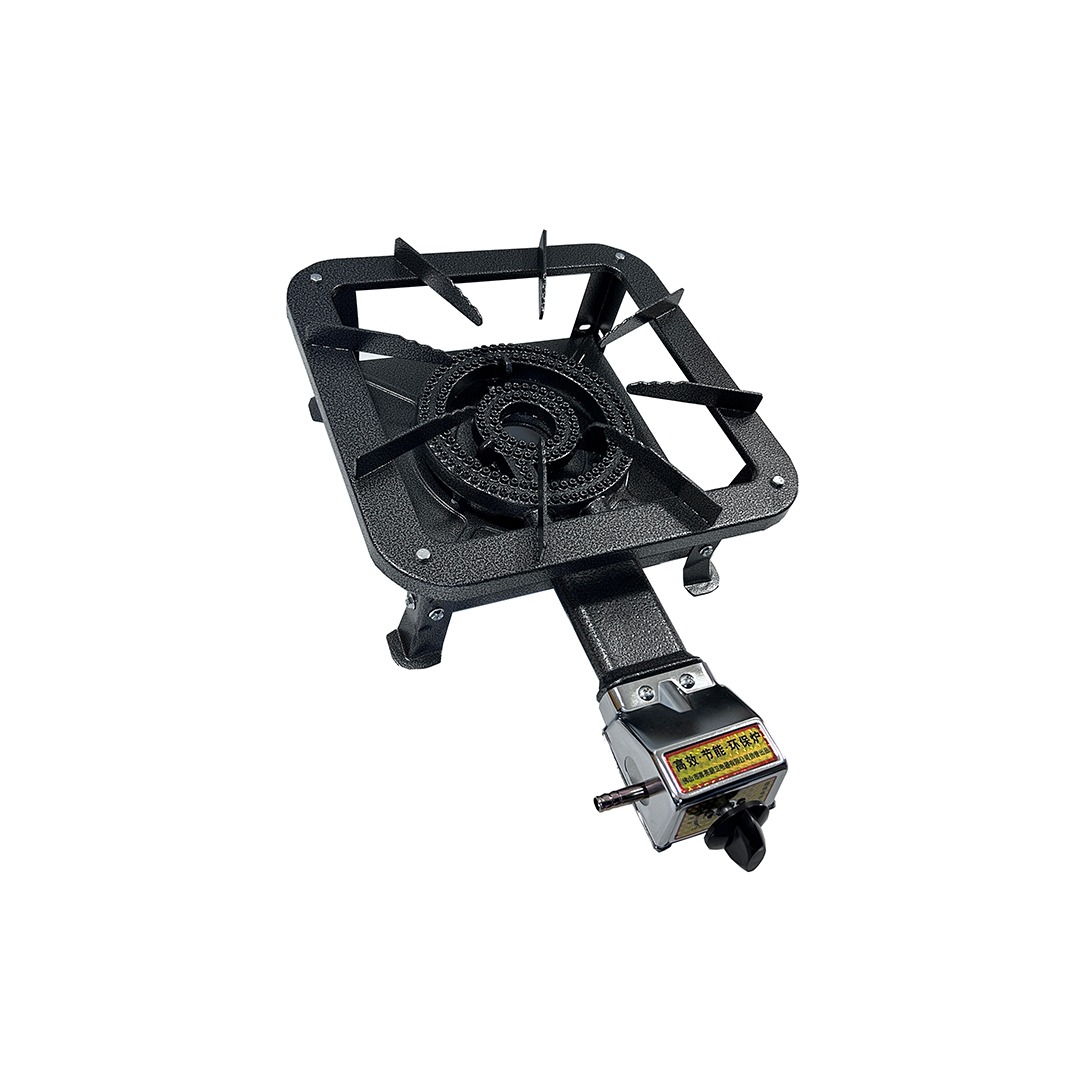
Una corretta installazione e una manutenzione regolare sono essenziali per garantire l'affidabilità a lungo termine delle apparecchiature commerciali per la cottura a gas. Gli apparecchi alimentati a gas devono essere installati da tecnici autorizzati che comprendano i requisiti di pressione del gas e possano collegare correttamente regolatori, valvole e linee di alimentazione del gas. Un'installazione errata può comportare un rendimento instabile della fiamma o pericoli per la sicurezza che possono compromettere il funzionamento della cucina.
Le cucine commerciali devono inoltre installare sistemi di ventilazione progettati per rimuovere calore, fumo e vapori grassi prodotti durante la cottura. Le cappe di ventilazione combinate con i sistemi antincendio aiutano a mantenere condizioni di lavoro sicure nel rispetto delle normative locali sulla sicurezza antincendio.
La pulizia periodica è necessaria per mantenere prestazioni ottimali del bruciatore poiché grasso e residui di cibo possono accumularsi sulle superfici di cottura e bloccare le porte del bruciatore. Il personale della cucina deve pulire le superfici in acciaio inossidabile dopo ogni periodo di servizio, pulire regolarmente le aperture dei bruciatori e svuotare i vassoi del grasso per evitare accumuli che potrebbero compromettere la stabilità della fiamma.
Le ispezioni programmate delle apparecchiature condotte da tecnici professionisti aiutano a identificare componenti usurati o irregolarità nella pressione del gas prima che si trasformino in problemi gravi. La manutenzione preventiva prolunga la durata delle stufe a gas e riduce il rischio di guasti imprevisti durante i periodi di intenso servizio.
L'acquisto all'ingrosso offre numerosi vantaggi a lungo termine per i progetti di attrezzature per ristoranti. I minori costi di approvvigionamento consentono agli operatori dei ristoranti di investire in elettrodomestici di alta qualità senza superare i budget del progetto, mentre i modelli di apparecchiature standardizzati garantiscono prestazioni di cottura costanti in tutte le stazioni di cucina. La consegna di attrezzature in grandi quantità semplifica inoltre la pianificazione dell'installazione poiché gli sviluppatori di ristoranti ricevono tutte le apparecchiature necessarie contemporaneamente, il che accelera l'installazione della cucina e riduce i ritardi del progetto.
Vantaggio all'ingrosso |
Vantaggio aziendale |
Costo di acquisto inferiore |
Budget migliorato |
Modelli di attrezzature coerenti |
Prestazioni uniformi in cucina |
Capacità di consegna in blocco |
Installazione del progetto più rapida |
Costruzione durevole |
Costi di manutenzione ridotti a lungo termine |
L'acquisto all'ingrosso di attrezzature consente ai ristoranti di ampliare le operazioni in modo efficiente mantenendo prestazioni di cucina costanti.
Il fornello a gas commerciale rimane una pietra miliare delle attività di cucina professionale perché offre una potente potenza termica, un controllo preciso della fiamma e prestazioni di cottura affidabili negli ambienti di ristorazione esigenti. Costruiti con materiali resistenti e bruciatori ad alta efficienza, i moderni fornelli a gas supportano cotture ad alto volume mantenendo la durata e l'efficienza energetica.
Per i progetti di ristoranti che richiedono più stazioni di cottura, l'acquisto all'ingrosso aiuta a controllare i costi delle attrezzature garantendo prestazioni costanti. Foshan Komisun Electric Appliance Co., Ltd. , un produttore specializzato in stufe a gas commerciali da oltre 20 anni, fornisce soluzioni affidabili per apparecchiature per cucine professionali. La scelta di stufe durevoli da fornitori affidabili aiuta i ristoranti a realizzare operazioni di cottura efficienti e stabili.
R: Un fornello a gas commerciale fornisce un calore forte e controllabile per friggere, bollire, rosolare e cucinare ad alto volume nelle cucine professionali.
R: L'acquisto all'ingrosso di una stufa a gas commerciale riduce i costi unitari e garantisce un'attrezzatura coerente in tutte le stazioni di cottura del ristorante.
R: I ristoranti valutano la potenza del bruciatore, la durata, le dimensioni e la compatibilità del fornello a gas commerciale con il layout della cucina e il volume di cottura.
R: I prezzi all'ingrosso delle stufe a gas commerciali variano in base al numero di bruciatori, ai materiali e alla produzione di BTU, in genere inferiori rispetto ai prezzi delle apparecchiature al dettaglio.
R: Un fornello a gas commerciale può presentare problemi di blocco del bruciatore o di accensione, spesso risolti attraverso la pulizia e l'ispezione di routine.

