
Please Choose Your Language
Follow
close
Choose Your Site
Global
Social Media


Views: 0 Author: Site Editor Publish Time: 2026-02-12 Origin: Site


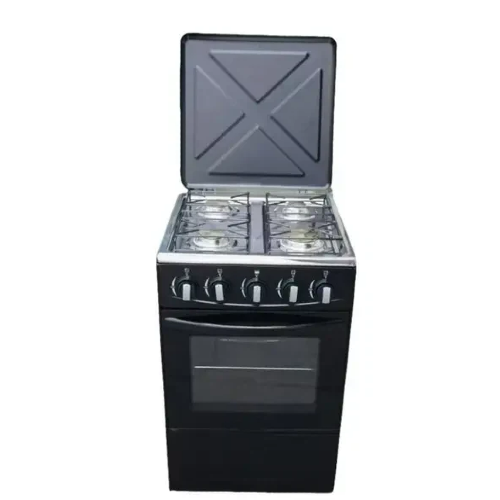
A Gas Range is a vital piece of kitchen equipment that combines both stovetop and oven functionalities into one unit, offering versatility and convenience. Whether you are preparing a quick weeknight dinner or a holiday feast, a gas range makes the cooking process efficient and reliable. However, like any appliance, proper care and maintenance are essential to ensuring that it continues to perform well over time. In this article, we will provide you with a comprehensive guide on how to clean and maintain your Gas Range for long-term use.
Proper cleaning and maintenance not only preserve the appliance’s functionality but also ensure that it operates safely, improving its lifespan. If neglected, the build-up of grease, food residue, and even gas leaks can cause your range to become inefficient and, at times, dangerous to use. Hence, regular care is critical to maintaining the appliance’s safety and performance.
A clean Gas Range will work more efficiently, which helps you save time and energy while cooking. A stove with a build-up of grease or food particles can cause uneven heating or reduce the intensity of the flames. This can lead to longer cooking times and inconsistent results. By regularly cleaning the burners and the stove top, the Gas Range will heat food more evenly, improving your cooking experience and efficiency.
When food spills and grease are left uncleaned on the surface, they can lead to contamination and affect food safety. For example, burnt food particles or grease on the stovetop can emit harmful smoke and unpleasant odors. Regular cleaning eliminates such risks by maintaining a hygienic cooking environment. Additionally, food debris or grease build-up inside the oven can create fire hazards. Therefore, keeping your Gas Range clean helps maintain a safe cooking environment and reduces the risk of accidents.
Maintaining your Gas Range can extend its lifespan significantly. Components such as the burners, oven seals, knobs, and gas lines can wear out quickly if not properly maintained. Regular cleaning prevents clogging, rusting, and the deterioration of critical parts. Furthermore, performing regular maintenance, such as checking gas connections and inspecting the oven seals, ensures that these components continue to function properly over time, thereby maximizing the longevity of your appliance.
Task | Frequency | Tools Needed |
Clean Burner Grates | Weekly | Soapy water, scrub brush |
Clean Burners | Weekly | Mild detergent, soft cloth, brush |
Check for Gas Leaks | Monthly | Soap, water |
Inspect Oven Door Seals | Every 3-6 months | Visual inspection |
Self-Clean Oven | Every 1-3 months (if available) | Oven cleaner, or self-cleaning function |
Professional Servicing | Annually | Professional technician |
Cleaning the stove top is the most essential and frequently performed task to maintain a Gas Range. Here’s a detailed step-by-step process:
Turn Off the Gas Supply
For your safety, always turn off the gas supply before beginning any cleaning process. Let the burners cool down completely to avoid burns or injury during cleaning.
Remove the Burner Grates
After the stove has cooled down, carefully lift the burner grates off the stove. Soak them in warm, soapy water for a few minutes to loosen any grease or food debris.
Clean the Burners
Use a soft brush or sponge to clean the burner heads. Over time, food particles can block the small holes where the gas flows, affecting the efficiency of the flame. Use a can of compressed air to clean out any debris in the burner holes. If the burners are removable, clean them thoroughly by wiping them down with a damp cloth and mild detergent.
Wipe Down the Stove Surface
After cleaning the removable components, use a damp cloth with a mild detergent solution to wipe down the stove surface. For stubborn grease or food spills, use a specialized stove cleaner designed for your stove's surface material. A mixture of vinegar and water can also help remove greasy build-ups.
Dry and Reassemble
Once everything is cleaned, make sure to dry the grates, burner heads, and stove surface completely before reassembling them. Wet components can lead to rusting or malfunctioning over time.
The oven is another area of your Gas Range that requires regular cleaning. A clean oven ensures even heat distribution and prevents unpleasant odors from affecting your cooking.
Use Self-Cleaning Feature (If Available)
Many modern Gas Ranges come equipped with a self-cleaning feature. This feature uses extremely high temperatures to burn off grease and food debris, turning them into ash. Once the cleaning cycle is complete, simply wipe away the ash, and your oven is as good as new. This feature significantly reduces the time and effort needed for oven cleaning.
Manual Cleaning
If your oven doesn’t have a self-cleaning option, you’ll need to clean it manually. Use a safe oven cleaner or create a paste of baking soda and water. Apply the paste to the oven walls, let it sit for a while, and then scrub it with a non-abrasive cloth or sponge. Avoid using steel wool or harsh scrubbing pads that can scratch the oven’s surface.
Clean the Oven Door
Don’t forget to clean the oven door. Use a glass cleaner to remove grease or food stains on the door’s glass. If necessary, use a mixture of vinegar and water to clean the door effectively.
Clean the Oven Racks
Remove the oven racks and soak them in warm, soapy water for several hours. After soaking, use a scrub brush to remove any remaining food particles or grease. Rinse the racks thoroughly before placing them back into the oven.
Over time, control knobs and panels can accumulate grease, fingerprints, and food residues, which can affect their appearance and functionality. Here's how to clean them effectively:
Turn Off the Gas and Disconnect the Power
Always disconnect the power and turn off the gas supply before cleaning the control panel to ensure safety.
Use a Mild Detergent
Clean the knobs and control panels with a mild detergent and a soft cloth. Avoid abrasive cleaning products that can damage the finish. For tougher stains, mix a little vinegar or baking soda with water and gently scrub the affected areas.
Dry Thoroughly
Make sure to dry the control knobs and panels thoroughly to avoid water damage. A dry cloth will prevent any residual water from seeping into the components.
Gas leaks can be dangerous, so it’s important to check your Gas Range regularly for leaks.
Use Soap and Water
To check for gas leaks, mix soap and water in a spray bottle and apply it to the gas line connections. If bubbles form, it indicates a gas leak, and you should immediately shut off the gas supply and contact a professional.
Regular Inspections
Have a professional technician inspect your gas range at least once a year to ensure that all connections and components are functioning properly and safely.
The burners, ignition system, and oven seals need to be checked regularly to ensure they are functioning optimally.
Clean the Burners Regularly
Clean the burner ports frequently to prevent blockages and ensure a steady gas flow.
Check the Oven Door Seals
Regularly check the oven door seals for cracks or damage. Worn-out seals can lead to heat loss, reducing the oven’s efficiency. If you notice any damage, replace the seals immediately.
While cleaning can be done regularly at home, professional servicing is also necessary to ensure your Gas Range remains in optimal working condition.
Annual Inspection
Schedule an annual inspection with a qualified technician. They will clean internal parts, check gas connections, and ensure that the range is working as it should.
Replace Worn Parts
If any parts, such as ignition systems, burners, or knobs, are damaged, it’s important to replace them immediately to avoid performance issues.
To keep your Gas Range clean and functioning well, avoid allowing oil and grease to build up. If you spill oil while cooking, clean it up immediately before it has a chance to harden. A little bit of attention during cooking goes a long way in preventing time-consuming clean-ups.
Be mindful of the size of your cookware. Avoid using pans that are too large for the burner as they can cause spills and splatters. Using spill trays or catchers under the burner grates can help protect your stove from potential messes.
Regular cleaning and maintenance of your Gas Range are crucial to ensure its safety and optimal performance over the long term. By following the cleaning steps provided in this guide—such as maintaining burners, cleaning the oven, and keeping control knobs in top condition, as well as conducting routine inspections—you can significantly extend the lifespan of your range. This proactive approach ensures that your appliance continues to function efficiently, saving you time, money, and energy.
At Foshan Komisun Electric Appliance Co., Ltd., we understand the importance of high-quality, reliable kitchen appliances. If you're looking for more information on maintaining your Gas Range or want to explore our range of products designed for superior performance, feel free to reach out to us. We are here to assist you with all your kitchen needs and provide the support you require for a long-lasting, safe, and efficient cooking experience.
Q1: How often should I clean my Gas Range?
A1: You should clean your Gas Range at least once a week to keep it free from grease and food debris. A more thorough cleaning is recommended once a month.
Q2: Can I use regular household cleaners on my Gas Range?
A2: It’s best to use non-abrasive and non-corrosive cleaners to avoid damaging the surface. Follow the manufacturer’s instructions for cleaning.
Q3: How do I know if my Gas Range is leaking gas?
A3: Apply soapy water to the gas connections. If you see bubbles forming, it indicates a gas leak. In such cases, turn off the gas and contact a professional.
Q4: How can I maintain the oven of my Gas Range?
A4: Clean the oven regularly using a self-cleaning feature (if available) or an oven-safe cleaner. Always check the oven door seals for cracks or damage.
Q5: What should I do if my Gas Range’s burner flame is too low or uneven?
A5: If the flame is uneven or low, it may be clogged. Clean the burner holes and check the gas supply. If the issue persists, contact a technician for further inspection.

